
Table of Contents >> Show >> Hide
- Why Early Product Pricing Feels Harder Than It Really Is
- Start With the Simplest Formula Possible
- Your Cost Gives You the Floor, Not the Final Answer
- How to Check Willingness to Pay Without Overengineering It
- Choose the Right Pricing Model Before You Obsess Over the Price Point
- The Good-Better-Best Trick Is Not a Trick. It Is Just Good Pricing.
- Should You Start High or Start Low?
- Common Early Pricing Mistakes That Quietly Wreck Growth
- A Simple 7-Step Pricing Framework for Early-Stage Founders
- Two Quick Examples
- Experience Section: What Pricing Feels Like in Real Life
- Conclusion
Pricing a new product sounds like one of those founder tasks that should require a whiteboard, three spreadsheets, a spiritual retreat, and at least one dramatic sigh. In reality, early product pricing is usually much simpler than people make it. You do not need a PhD in behavioral economics. You do not need to predict the market with supernatural powers. And you definitely do not need to pull a random number out of the air and call it “strategy.”
What you do need is a practical framework. In the early days, the best pricing strategy is not the fanciest one. It is the one that helps you cover costs, communicate value, attract the right customers, and leave room to learn. That is it. Price is not just a number slapped on the checkout page; it is part math, part positioning, part psychology, and part common sense with a good haircut.
If you are wondering how to price your product without spiraling into a three-week existential crisis, this guide will walk you through a simple approach that actually works. We will cover startup pricing, pricing strategy, willingness to pay, value-based pricing, competitor pricing, tiered pricing, and the early warning signs that your price needs to change.
Why Early Product Pricing Feels Harder Than It Really Is
Most founders overcomplicate product pricing for one big reason: they believe the first price has to be perfect. It does not. Your first price is a starting point, not a sacred text carved into stone by the pricing gods.
In the early days, pricing has one main job: help you learn while keeping the business alive. A weak price can hurt growth, margins, and brand perception. But an overly “careful” founder usually makes the opposite mistake by underpricing. That feels safe because lower prices seem friendlier. In practice, underpricing can make your product look less valuable, attract the wrong customers, and leave you with plenty of sales but no real business.
That is why the smartest early-stage pricing mindset is simple: choose a rational price, get it into the market, watch how real customers respond, and improve from there. Pricing is not a one-time guess. It is a system you refine.
Start With the Simplest Formula Possible
Here is the easiest way to price your product in the beginning:
Price floor = total cost per unit + target profit.
That is not the whole story, but it is the cleanest place to start. Before you worry about clever positioning or whether you should end the number in 9, you need to know what your product actually costs.
Know Your Variable Costs
Variable costs rise as you sell more. If you make or ship physical products, these might include materials, packaging, payment processing, fulfillment, shipping supplies, and per-order labor. If you sell software or digital products, variable costs might include hosting, usage-based infrastructure, customer support time, or third-party API expenses.
Founders often forget the sneaky stuff. Transaction fees count. Returns count. A sticker in the box counts. The “free” shipping you offer because everyone else does counts too. If money leaves your business because a unit was sold, it belongs in the conversation.
Do Not Ignore Fixed Costs
Fixed costs do not change every time you make a sale, but they still need a seat at the pricing table. Think rent, software subscriptions, insurance, salaries, design tools, legal fees, and the caffeine budget that keeps the company emotionally upright.
In the early days, a practical move is to estimate how many units or subscriptions you expect to sell in a month or quarter, then allocate a portion of fixed costs to each unit. It will not be perfect. That is fine. You are building a useful baseline, not defending a doctoral thesis.
Set a Healthy Margin
Once you know your approximate cost per unit, add your target margin. If your total cost per unit is $20 and you want a 25% profit margin, your price cannot be $21 and a hopeful smile. It needs to be high enough to protect the business.
A simple working formula is:
Target price = cost per unit / (1 – desired margin)
So if your cost per unit is $20 and you want a 25% margin, your initial target price is about $26.67. Round it to a sensible number based on your market and positioning. Congratulations: you now have a logical starting price instead of a panic number.
Your Cost Gives You the Floor, Not the Final Answer
This is where many founders get tripped up. Cost-plus pricing is useful because it is fast, clear, and hard to argue with. But it is only the beginning. Customers do not care that your software bill went up or that your custom boxes are annoyingly expensive. They care about value.
That means your actual selling price should be tested against three external realities:
- What the market expects
- What competitors charge
- What your customer believes the product is worth
If your baseline price is far above the market, you need a stronger value story. If it is far below the market, you may be underpricing and signaling that your product is generic, lower quality, or “suspiciously cheap.” Price shapes perception more than many founders realize.
That is why early pricing works best when you combine cost discipline with value-based thinking. You are not just covering expenses. You are also answering a customer’s silent question: Why is this worth paying for?
How to Check Willingness to Pay Without Overengineering It
You do not need a giant research team to understand willingness to pay. Early on, you can learn a lot from a handful of structured conversations with the right people.
Ask Better Questions
Do not ask, “Would you buy this?” People are kind. They lie. Sometimes they even lie politely with enthusiasm.
Instead, ask questions like:
- What are you using now?
- What does that cost you each month or per purchase?
- What problem would make you switch?
- If this product saved you time or money, what would that be worth?
- At what price would this feel like a bargain?
- At what price would it feel too cheap to trust?
- At what price would it feel too expensive to try?
Those questions help you find the range where price, trust, and value meet. That range matters far more than finding one “magic” dollar amount.
Watch Behavior, Not Just Opinions
The best pricing data is not what people say. It is what they do. If customers happily buy at your current price, ask fewer dramatic questions and pay attention. If every sales call ends with “Looks great, but…” then your price, positioning, or packaging needs work.
A product that sells quickly with minimal pushback may be underpriced. A product that gets compliments but no conversions may be overpriced or poorly framed. In both cases, the price itself is sending signals. Listen to them.
Choose the Right Pricing Model Before You Obsess Over the Price Point
Sometimes founders argue about whether the product should cost $29 or $39 when the bigger question is whether it should be sold monthly, annually, per user, per project, per unit, or by usage. In other words, pricing model comes before pricing drama.
Flat-Rate Pricing
This is the easiest model to explain. One product, one price. It works well when the offer is simple, the value is clear, and customers do not need a menu of options. If you sell a physical product, a fixed-fee course, or a straightforward service package, flat-rate pricing keeps things clean.
Subscription Pricing
If your product delivers ongoing value, recurring pricing often makes more sense. Software, memberships, recurring boxes, maintenance services, and community products usually fit here. Customers expect to pay repeatedly when the value keeps showing up repeatedly.
Usage-Based Pricing
This model works when usage varies dramatically across customers. Cloud tools, infrastructure products, and some AI or API businesses often use it. Low-usage customers do not want to overpay, while heavy users should not get an all-you-can-eat buffet for the price of a snack.
Tiered Pricing
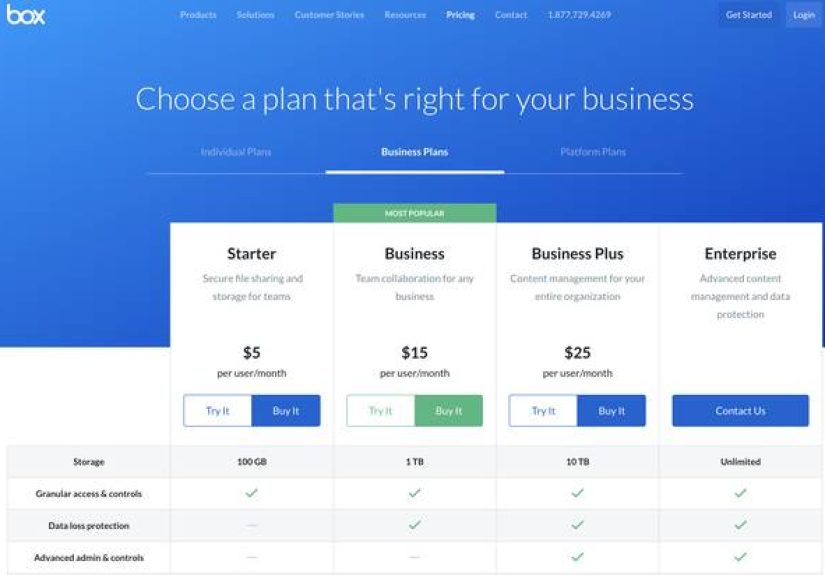
If your audience includes different kinds of buyers, tiered pricing is often the sweet spot. It lets you serve budget-conscious customers without leaving money on the table from customers who need more features, support, seats, or outcomes.
And yes, this is where the classic good-better-best structure shines. It is popular for a reason: it is easy to understand, gives buyers a sense of control, and quietly nudges many of them toward the middle or upper tier.
The Good-Better-Best Trick Is Not a Trick. It Is Just Good Pricing.
If you are unsure how to price in the early days, a three-tier offer is often the fastest way to simplify decisions.
- Good: a basic option that gets the job done
- Better: the version most people should buy
- Best: the premium option for high-intent customers
This works because customers are not all equally price-sensitive. Some want the cheapest acceptable option. Others want convenience, speed, prestige, support, or extra capability. One price forces everyone into the same box. Tiered pricing respects reality.
The key is not to make the cheap plan terrible. It should be credible. The middle plan should feel like the smartest value. The top plan should be clearly better, not just randomly more expensive because you felt optimistic one afternoon.
A simple example for a small SaaS product might look like this:
- Starter: $19/month for solo users
- Growth: $49/month for teams, better reporting, and more automation
- Pro: $99/month for advanced controls, onboarding help, and priority support
Notice what is happening here. You are not merely charging more for more stuff. You are pricing according to different levels of value and urgency.
Should You Start High or Start Low?
The annoying but honest answer is: it depends.
Start higher when your product is differentiated, painful to replace, clearly valuable, or aimed at early adopters who care more about solving the problem than saving every dollar. Premium or skimming approaches can work well when the product is new, specialized, or positioned as superior.
Start lower when you are entering a crowded market, trying to reduce risk for first-time buyers, or using introductory pricing strategically to get traction fast. But lower does not mean reckless. You still need a path to healthy margins later.
A useful rule is this: do not choose a low price just because you are nervous. Choose it only if it supports a real go-to-market strategy. Fear is not a pricing strategy. It is a mood.
Common Early Pricing Mistakes That Quietly Wreck Growth
1. Copying Competitors Too Literally
Competitor pricing is a reference point, not a commandment. You do not know their margins, customer mix, retention, bundling strategy, or whether they set that price during a full moon in 2022 and never looked at it again.
2. Underpricing to “Get Customers In”
Cheap prices can attract interest, but they can also attract the wrong buyers: people who care mostly about price, churn quickly, demand a lot, and complain if you ever try to charge like an actual business. Not every customer is your customer.
3. Using One Price for Everyone
Different customers often have different needs and different willingness to pay. A single flat price can be too high for small buyers and too low for power users. That is why packaging matters almost as much as pricing.
4. Making Pricing Too Complicated
Early-stage businesses sometimes build pricing pages that look like tax documents designed by committee. Simplicity wins. If a smart prospect cannot understand your pricing in under a minute, expect drop-off.
5. Never Revisiting the Price
Markets change. Customer expectations change. Your product changes. Costs change. If your pricing never changes, there is a good chance it is wrong.
A Simple 7-Step Pricing Framework for Early-Stage Founders
- Calculate your true per-unit or per-customer cost.
- Set a minimum viable margin that keeps the business healthy.
- Check competitor price ranges without blindly copying them.
- Talk to real customers to understand willingness to pay.
- Choose a pricing model that matches how value is delivered.
- Launch with one clear price or a simple three-tier structure.
- Review results regularly and adjust based on evidence.
That is the whole game. Not easy because pricing never matters, but easy because the process itself is straightforward. You do the math, learn from the market, and keep iterating.
Two Quick Examples
Example 1: A Physical Product
Say you sell a premium insulated travel mug. Materials, packaging, fulfillment, and payment fees bring the unit cost to $14. You allocate $3 in fixed costs per unit based on projected volume, so your working cost is $17. You want a 30% margin, which suggests a price around $24.29 as a bare-minimum target.
Then you research competitors and find the market range is $24 to $39. Your product looks better, photographs better, and includes a spill-proof lid. Instead of pricing at $24, you launch at $32 because your value story supports it. That is good pricing: cost-aware, market-aware, and value-aware.
Example 2: A B2B SaaS Tool
You built a lightweight reporting tool for agencies. Hosting and support costs are low, but the real value is time saved. If the tool saves an agency owner four hours a month, pricing at $9 is not “customer-friendly”; it is probably self-sabotage. You launch with three plans: $29, $79, and $149. Smaller teams enter at the bottom. Growing agencies pick the middle. The biggest buyers want priority support and more seats, so they move up. Same product family, different value levels, better revenue.
Experience Section: What Pricing Feels Like in Real Life
In the real world, early product pricing usually gets better through experience, not perfection. One founder launches too low because they are afraid no one will buy. Orders come in, which feels amazing for about four days, until they realize every sale creates more work than profit. The price was “working” in the sense that people were buying, but not in the sense that the business was becoming sustainable. That is an important early lesson: revenue can flatter you while margin quietly plots against you.
Another founder does the opposite. They build something genuinely useful, add a confident price, and then panic at the first raised eyebrow in a sales call. They assume the product is overpriced. But after a few more calls, they notice something surprising: the best prospects do not complain much about price. They mostly ask whether the product will save time, reduce risk, or help them win more business. In that moment, pricing stops being a math problem and becomes a value communication problem.
There is also the classic “we will just do custom quotes for everyone” phase. It feels flexible. It sounds sophisticated. It often turns into a mess. The team ends up with inconsistent pricing, confused customers, and a sales process that depends too much on who happened to answer the email that day. Eventually, they introduce a simple pricing page with clearer packages, and suddenly sales calls get easier because the buyer understands the structure before the conversation even starts.
Many early businesses also learn that a middle tier can do incredible work. A basic plan gets attention, a premium plan establishes range, and the middle plan becomes the default choice for serious buyers. Nothing magical happened. The business simply made the buying decision easier. Customers like clarity. They like feeling smart. A well-designed pricing page helps them feel both.
Then comes the most valuable experience of all: revisiting price after learning from the market. A company improves onboarding, adds a standout feature, sharpens its positioning, and raises prices. The team expects backlash. Instead, conversions stay healthy, better-fit customers keep buying, and margins improve. That is when founders realize pricing is not a fixed label. It is a lever. Used carefully, it can improve revenue, customer fit, and brand perception all at once.
So yes, pricing can feel emotional in the early days. It is tied to confidence, value, fear, ambition, and the hope that customers will say yes. But the founders who do it well usually reach the same conclusion: pricing gets easier when you stop treating it like a final exam and start treating it like an informed, adjustable decision.
Conclusion
If you are trying to price your product in the early days, start with the simplest possible framework: know your costs, set a margin, compare the market, understand customer value, choose a sensible pricing model, and revise based on what buyers actually do. That is not simplistic. That is disciplined.
The biggest pricing mistake is not choosing the wrong number on day one. It is refusing to learn. Early-stage pricing works when it is clear, intentional, and flexible enough to evolve as your product and market mature. So no, you do not need a pricing crystal ball. You need a baseline, a brain, and the courage to stop undercharging.
That is why pricing your product in the early days is actually easier than it looks. Hard feelings? Sometimes. Hard math? Not really.





 Close
Close