
Table of Contents >> Show >> Hide
- What Is Unmatched Air Traffic Control?
- How to Play Unmatched Air Traffic Control: 14 Steps
- Step 1: Learn the Main Goal Before You Touch Anything
- Step 2: Start With a Smaller Airport
- Step 3: Understand the Aircraft Cards and Requests
- Step 4: Use the Radar Before Clearing Landings
- Step 5: Clear the Runway Quickly After Landing
- Step 6: Choose Gates Strategically
- Step 7: Do Not Push Back Neighboring Planes Together
- Step 8: Assign Taxi Routes With Traffic Flow in Mind
- Step 9: Watch the Runway Before Takeoff Clearance
- Step 10: Use “Line Up and Wait” Style Thinking
- Step 11: Handle Emergencies Immediately
- Step 12: Earn Coins and Spend Them Wisely
- Step 13: Build a Repeatable Traffic Pattern
- Step 14: Increase Difficulty Only When Your Flow Is Stable
- Beginner Mistakes to Avoid
- Advanced Tips for Better Scores
- Experience Section: What Playing Unmatched Air Traffic Control Teaches You
- Conclusion
- SEO Tags
Unmatched Air Traffic Control is the kind of simulation game that looks peaceful for about eight seconds. A plane lands. Another asks for pushback. A third wants taxi clearance. A fourth is creeping toward final approach like it has dinner reservations. Suddenly, you are not merely tapping buttonsyou are running an airport, protecting runways, guiding traffic, and trying not to create the world’s most expensive parking-lot argument.
The goal is simple: guide aircraft safely through landing, taxiing, parking, pushback, and takeoff while avoiding collisions. The challenge is that every plane wants something, and they rarely ask at a convenient time. This guide explains how to play Unmatched Air Traffic Control in 14 practical steps, with beginner-friendly strategy, specific examples, and enough humor to keep your radar screen from feeling like homework.
Note: This article is a game guide, not real aviation training. Please do not read it and then walk into an airport tower wearing sunglasses and confidence. Real air traffic control requires professional certification, strict phraseology, and far fewer snack breaks.
What Is Unmatched Air Traffic Control?
Unmatched Air Traffic Control is a mobile and tablet-friendly airport simulation game where you act as an air traffic controller at a busy airport. You manage aircraft from arrival to departure: clearing landings, choosing gates, approving pushback, assigning taxi routes, authorizing takeoff, and reacting to emergencies. It is designed with self-explanatory controls, but the game becomes more strategic as traffic increases and airports become more complex.
At first, the gameplay feels like a neat little airport puzzle. Then the puzzle grows engines, wings, fuel trucks, gate conflicts, runway pressure, and pilots who all seem to need your attention at the same time. The secret is not speed alone. The best players use rhythm, spacing, and priorities. You are not trying to tap everything the second it appears; you are trying to keep the entire airport moving safely.
How to Play Unmatched Air Traffic Control: 14 Steps
Step 1: Learn the Main Goal Before You Touch Anything
Your basic mission is to move aircraft safely through the airport cycle. Arriving planes must be cleared to land, directed off the runway, sent to suitable gates, and parked. Departing planes must push back, taxi to the runway, line up when appropriate, and take off. Every successful departure helps you progress and earn coins, while mistakes can cost you dearly.
Before starting a busy session, remind yourself of one golden rule: the runway is the heart of the airport. If the runway is blocked, everything else suffers. If it is clear, you can recover from almost any traffic jam. Think of the runway as the kitchen at a restaurant. If the kitchen collapses, the dining room does not matter.
Step 2: Start With a Smaller Airport
When you are new, choose a smaller or simpler airport before jumping into a more complicated layout. Smaller airports help you understand the cycle of arrival, taxi, gate, pushback, and departure without needing three extra thumbs and a second brain.
Study the airport map before the first aircraft requests instructions. Look at the gates, taxiways, runway exits, and places where planes might conflict. Some airports are cramped, and clearing two nearby aircraft for pushback at the same time can lead to a collision. That is not “efficient.” That is aviation bowling.
Step 3: Understand the Aircraft Cards and Requests
Each aircraft request is a job waiting for your decision. A plane might ask to land, taxi, park, push back, or take off. Your job is to understand what stage that aircraft is in and what it needs next.
Do not treat all requests equally. A landing aircraft approaching the runway usually deserves more attention than a parked aircraft waiting for pushback. A plane on the runway is more urgent than a plane sitting safely at a gate. Prioritize moving aircraft, runway-related actions, and emergency situations first. Parked aircraft can wait. Pilots may grumble silently, but pixels are patient.
Step 4: Use the Radar Before Clearing Landings
The approach radar is your early-warning system. Before clearing a plane to land, check whether the runway is clear or about to be clear. If another aircraft is taking off, taxiing across, or still rolling after landing, wait until the runway is safe.
A good habit is to scan arrivals from closest to farthest. If a plane is near final approach, prepare the runway for it. If a departure is still waiting at the threshold, decide whether it has time to depart safely or whether it should hold. In Unmatched Air Traffic Control, impatience is expensive. A plane that waits a few seconds is better than two planes meeting nose-to-nose like they are starting a podcast.
Step 5: Clear the Runway Quickly After Landing
Once an aircraft lands, your next job is to get it off the runway and onto a taxi route. This opens the runway for the next arrival or departure. The longer a landed aircraft remains on the runway, the more pressure builds behind it.
After landing, select an appropriate gate or parking area. Use the correct gate type for the aircraft. Larger aircraft may need jet bridges, cargo aircraft need cargo parking, and helicopters belong on helipads where available. Sending the wrong aircraft to the wrong place is like trying to park a school bus in a bicycle rack. The game may not appreciate your creativity.
Step 6: Choose Gates Strategically
Gate choice matters more than beginners think. Do not simply choose the first open gate every time. Consider where the plane is coming from, where other aircraft are moving, and whether the gate will create future pushback conflicts.
A smart gate assignment reduces taxi time and keeps future departures smoother. If a plane lands near one side of the airport, sending it to a gate on that same side may reduce crossing traffic. If several aircraft are preparing to depart from nearby gates, avoid filling the middle of that cluster unless you have a plan. The best gate is not always the closest one; it is the one that keeps the airport flowing five moves from now.
Step 7: Do Not Push Back Neighboring Planes Together
Pushback is one of the easiest places to make a costly mistake. If two aircraft are at adjacent or tightly spaced gates, pushing them back at the same time can cause a collision. The safer method is to stagger pushbacks and watch the direction each aircraft will move.
For example, if two planes are parked at neighboring gates, push one back, let it complete the movement, then approve the next. This feels slower, but it saves you from turning the ramp into a bumper-car arena. In crowded airports, treat pushback like pouring coffee into a tiny cup: controlled, patient, and preferably not all over the floor.
Step 8: Assign Taxi Routes With Traffic Flow in Mind
Taxiing is where your airport either becomes elegant or turns into spaghetti with landing gear. When a plane is ready to taxi, choose a route that avoids current and future conflicts. Some airports offer multiple taxiway choices, and the best route may depend on whether another aircraft is pushing back, arriving, or moving toward the runway.
Keep aircraft moving in the same general direction when possible. Avoid sending one aircraft against the flow of traffic if another aircraft is already coming the other way. A slightly longer route can be safer than a shorter route that blocks three other planes. In this game, “shortest path” and “best path” are cousins, not twins.
Step 9: Watch the Runway Before Takeoff Clearance
Before clearing takeoff, check for incoming aircraft on approach. If an arrival is already close to the runway, it is usually safer to hold the departure. If the arriving aircraft is still far away, you may have time to clear one takeoff.
The key is spacing. Departures need enough time to enter the runway, accelerate, lift off, and clear the departure path before the arrival reaches the runway. If you are unsure, wait. A delayed departure is not a disaster. A runway conflict is the game’s way of saying, “Congratulations, you have discovered consequences.”
Step 10: Use “Line Up and Wait” Style Thinking
Even when the game’s controls are simplified, you can still use real-world-style sequencing logic. Sometimes a departing aircraft can be moved near the runway and held until there is a safe gap. This keeps the traffic ready without committing to a takeoff too early.
Think one step ahead. If a landing aircraft has just touched down and is about to exit, a waiting departure may be next. If another arrival is already on final, hold the departure. The trick is to prepare opportunities without forcing them. Great controllers look calm because they made the hard decision ten seconds earlier.
Step 11: Handle Emergencies Immediately
Emergencies deserve priority. If an aircraft declares an emergency, clear the necessary runway and focus on getting that plane safely down. The game rewards successful emergency handling, but the bigger benefit is that you prevent chaos from spreading across the airport.
When an emergency appears, pause your normal rhythm mentally. Stop unnecessary pushbacks, delay departures, and keep taxiing aircraft away from the runway environment. The airport can survive a short slowdown. It cannot survive you pretending the emergency is just another notification, like a coupon for socks.
Step 12: Earn Coins and Spend Them Wisely
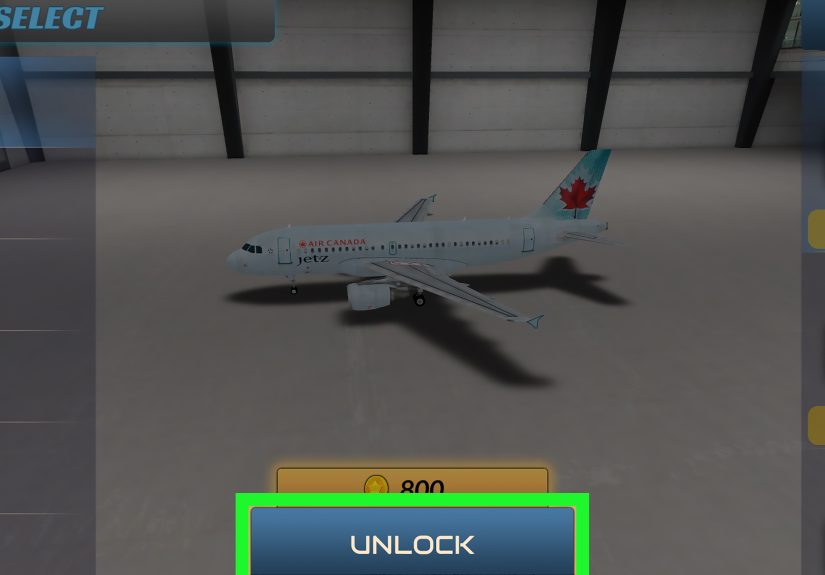
Coins help you unlock new aircraft, airports, gates, and other progression options. You can earn coins by leveling up, completing successful takeoffs, and handling certain special events well. Larger aircraft and multiple successful departures can create better rewards, but they also increase complexity.
Spend coins on upgrades that improve your game flow. Unlocking gates can reduce congestion. Unlocking aircraft adds variety and income potential, but it may also increase the difficulty of gate management. If you are constantly running out of parking, gates may be smarter than cosmetic choices. A shiny aircraft skin is fun, but it will not save you when six planes want parking and your ramp looks like a yard sale.
Step 13: Build a Repeatable Traffic Pattern
Strong players do not play randomly. They build patterns. For example, you might handle arrivals first, assign gates second, clear completed taxi requests third, approve pushbacks fourth, and check departures last. This cycle keeps you from forgetting an aircraft in a dangerous spot.
Try using a mental scan: runway, approach, taxiways, gates, departures. Repeat it constantly. Is the runway clear? Is anyone on final? Is anyone blocking a taxiway? Are gates available? Is a departure ready? This five-part scan makes the airport feel manageable even when the game gets busy.
Step 14: Increase Difficulty Only When Your Flow Is Stable
New airports, larger aircraft, and heavier traffic make the game more exciting, but do not rush upgrades before you can manage the basics. If you are still losing track of planes on a small airport, a bigger airport will not magically fix that. It will simply give your mistakes more room to jog.
Move up when you can handle several arrivals and departures without panic. You should feel comfortable reading the map, spacing traffic, assigning gates, and solving conflicts before taking on larger airports. The best progression path is steady: master the small airport, unlock useful gates, learn new aircraft types, then expand.
Beginner Mistakes to Avoid
Clearing Takeoff Without Checking Approach
This is the classic beginner mistake. A plane is ready, the button is available, and your finger gets ambitious. Always check incoming traffic first. If an aircraft is close to landing, let it land before clearing a departure.
Pushing Back Too Many Aircraft at Once
Multiple pushbacks can save time only if the aircraft are far enough apart and moving safely. Otherwise, you are creating a ramp conflict. Keep pushbacks spaced and predictable.
Ignoring Gate Compatibility
Not every aircraft belongs everywhere. Large jets, cargo planes, and helicopters may have specific parking requirements. Learn these categories early so you do not create unnecessary delays.
Letting the Runway Stay Occupied
A runway is not a waiting room. Once an aircraft lands, move it off as soon as possible. Once a plane departs, prepare for the next runway action.
Advanced Tips for Better Scores
Once you understand the basics, the game becomes a test of timing and anticipation. The best players are not just reacting; they are forecasting. Look at where each aircraft will be in five seconds, not only where it is now. A taxi route that looks safe at the moment may become blocked if another plane pushes back soon.
Keep one runway operation in your mind at all times. Ask yourself: “What is the next safe runway use?” If the answer is landing, prepare for landing. If the answer is takeoff, get the departure ready. If the answer is “I have no idea,” slow down and scan the map. There is no prize for tapping fast while confused.
Another advanced technique is batching. If several aircraft are parked safely, do not approve all of them at once. Instead, release them in a controlled sequence. One pushback, one taxi, one departure. Repeat. This creates a smooth rhythm and prevents bottlenecks near the runway.
Experience Section: What Playing Unmatched Air Traffic Control Teaches You
After spending time with Unmatched Air Traffic Control, you begin to notice that the game is less about aviation trivia and more about calm decision-making. The airport becomes a moving puzzle where every action creates a future consequence. Approve a pushback too early, and a taxiway gets blocked. Send an arrival to the wrong side of the terminal, and it takes longer to clear the runway area. Clear takeoff without checking the approach path, and suddenly your peaceful airport has the emotional energy of a toaster fire.
One of the most useful experiences is learning to slow down. That sounds strange because the game keeps asking for decisions, but rushing is usually what causes the worst mistakes. A new player often tries to answer every request instantly. A better player learns to ask, “Is this safe right now?” Sometimes the smartest move is to let an aircraft wait at the gate for a moment while you clear an arrival. The parked plane is not going anywhere. The landing plane absolutely is.
The game also teaches spatial awareness. At first, you may focus only on buttons and requests. Later, you start reading the airport like a live map. You notice which gates cause pushback conflicts, which taxiways become crowded, and which runway exits clear traffic fastest. This is when the game becomes satisfying. You stop feeling like you are fighting the interface and start feeling like you are conducting an orchestra, except the violins are jet engines and the tuba is a cargo plane blocking Bravo taxiway.
A practical example: imagine one aircraft has just landed and is rolling toward an exit, another is waiting for takeoff, and two planes at nearby gates request pushback. A beginner might approve all available actions. An experienced player will first get the landed aircraft off the runway, then decide whether the departure has a safe gap, then push back only one gate aircraft if the taxiway is clear. That sequence may look slower, but it prevents three separate problems from forming at once.
The most enjoyable part of Unmatched Air Traffic Control is the moment when your traffic flow clicks. Arrivals land cleanly, taxi routes stay open, gates turn over smoothly, and departures roll one after another. You feel oddly proud, even though nobody in the terminal thanks you and the digital passengers have no idea you saved them from a 40-minute taxi delay. That is the charm of the game: it rewards quiet competence.
It can also be surprisingly funny. You will eventually make a mistake so obvious that you stare at the screen like the airport betrayed you personally. Maybe you pushed back neighboring aircraft. Maybe you forgot a landing plane. Maybe you sent a jet on a scenic taxi tour around half the airport. These moments are part of learning. Each error teaches a pattern: check the runway, space pushbacks, choose gates wisely, and never trust your first instinct when three aircraft are blinking for attention.
In the end, the best experience comes from treating the game like controlled chaos. You will not eliminate pressure, but you can organize it. Build a scan pattern. Respect the runway. Keep taxiways flowing. Spend coins on improvements that reduce bottlenecks. And when everything gets busy, remember the unofficial controller motto: breathe first, tap second, panic never.
Conclusion
Learning how to play Unmatched Air Traffic Control is about mastering the airport cycle: land, exit, taxi, park, push back, taxi again, and take off. The game may look simple, but strong performance depends on timing, spacing, gate planning, and runway awareness. If you follow the 14 steps above, you will make fewer mistakes, earn more coins, unlock smarter upgrades, and turn your airport from a stressful traffic jam into a smooth operation.
Start small, scan constantly, and never approve a runway action without checking what is coming next. Your airport does not need a superhero. It needs a calm controller with a plan, a clear runway, and the wisdom not to push back two neighboring jets just because the buttons looked lonely.







 Close
Close