
Table of Contents >> Show >> Hide
- Getting to Know Purple Poppy Mallow
- Climate, Hardiness, and Site Selection
- How to Plant Purple Poppy Mallow
- Watering, Fertilizing, and Mulching
- Pruning, Deadheading, and Seasonal Care
- Pests, Diseases, and Other Challenges
- Propagation and Long-Term Maintenance
- Frequently Asked Questions
- Real-Life Experiences Growing Purple Poppy Mallow
- Conclusion
If your garden is begging for a tough-but-gorgeous groundcover, purple poppy mallow
(Callirhoe involucrata) is ready to swoop in like a magenta superhero. Also known as
winecups or buffalo rose, this North American native covers the ground in a carpet of deeply
lobed foliage sprinkled with rich purple-pink, cup-shaped flowers that look like someone
scattered satin across the soil. Even better, it is drought tolerant, loves full sun, and thrives
in places where fussier plants give up. In this guide, you will learn exactly how to plant and
grow purple poppy mallow, keep it looking great, and use it to level up your landscape design.
Getting to Know Purple Poppy Mallow
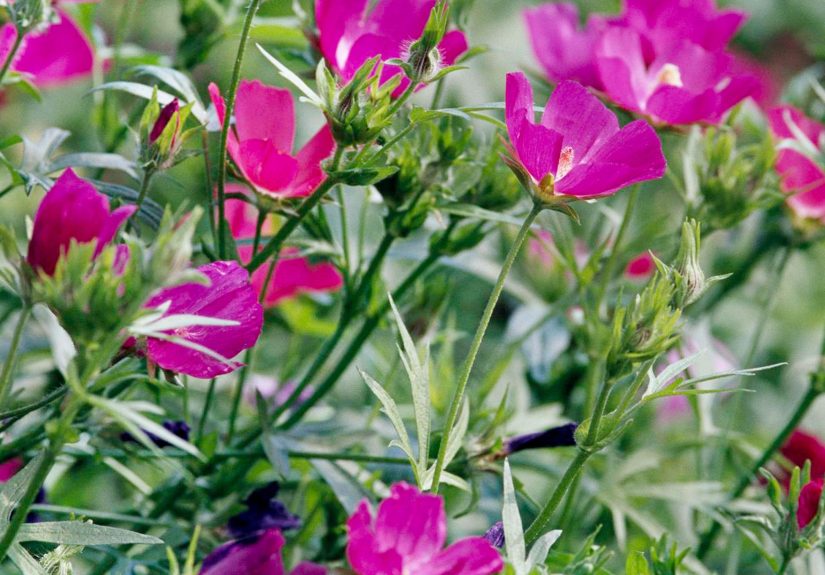
Purple poppy mallow is a low-growing perennial that forms spreading mounds of foliage only about
4 to 6 inches tall, but its stems can trail 2 to 3 feet along the ground. That means a single
plant can eventually create an impressive flower-filled mat. The leaves are finely divided and
a bit parsley-like, while the flowers are the main event: five-petaled cups in vivid magenta or
purple-pink with a white eye, blooming from late spring well into summer and sometimes right up
to frost in the right conditions.
In the wild, purple poppy mallow grows in prairies, open woodlands, and rocky slopes across the
central United States. That heritage explains its personality in the garden: it is happiest in
sunny, open, and fairly dry spots with good drainage. Think rock gardens, slopes, hellstrips,
and the awkward edge of a driveway that bakes all summer.
Gardeners often use this plant as:
- A flowering groundcover in sunny borders and prairie-style plantings
- A trailing “spiller” over low walls, raised beds, or rock outcroppings
- A pollinator-friendly accent for xeriscapes and water-wise gardens
- A colorful edge along paths or mixed perennial beds
Climate, Hardiness, and Site Selection
Hardiness Zones and Climate
Purple poppy mallow is generally hardy in USDA Zones 4 to 9 (some sources list Zones 3 to 10,
but Zone 4 to 9 is a safe, conservative range). It handles winter cold well as long as the
soil does not stay soggy, and it tolerates summer heat like a champion once established.
In cooler climates, the plant may bloom from early summer through mid- to late summer. In warm
regions with long growing seasons, it can flower over an extended period, especially if you
deadhead spent blooms and avoid overwatering.
Light Requirements
This is a full-sun lover. Aim for at least 6 to 8 hours of direct sunlight per day. It will
survive in light partial sun, but you will see fewer flowers and more stretching, leggy growth.
If you want that dense, flower-packed mat, do not be stingy with the sunshine.
Soil and Drainage
If you remember one thing about purple poppy mallow, let it be this: it hates wet feet.
Well-drained soil is non-negotiable. Sandy, gravelly, or loamy soils are perfect. Heavy clay can
work if it has been amended for better drainage or if the plant is on a slope or raised bed
where water does not pool.
This plant is actually happy in poor, low-fertility soils. Rich, overly moist conditions can
encourage disease problems like rust and root rot. If your garden tends to stay wet, consider a
raised rock garden or placing the plant on a slope where water runs off quickly.
Design Ideas and Great Pairings
Purple poppy mallow looks amazing when paired with other sun-loving, drought-tolerant plants.
Try combining it with:
- Prairie grasses like little bluestem or blue grama
- Other wildflowers such as coreopsis, prairie dropseed, or coneflowers
- Low-growing sedums and ice plants in rock gardens
- Spring bulbs the foliage of purple poppy mallow will help hide dying bulb leaves
Because it trails, it is also a fantastic choice along the top of a retaining wall, where the
stems can spill over the edge like a waterfall of color.
How to Plant Purple Poppy Mallow
Planting Nursery-Grown Plants
Starting with potted plants is the quickest way to get a purple poppy mallow display going.
Here is a simple step-by-step approach:
-
Pick the right time. Plant in spring after your soil is workable and the
threat of hard frost has passed, or in early fall so the roots can establish before winter. -
Prep the site. Loosen the soil to a depth of about 8 to 10 inches. Mix in
coarse sand or small gravel if drainage is questionable. Skip heavy doses of compost or
fertilizer; this plant does not need luxury accommodations. -
Space the plants. Space them 18 to 24 inches apart. It may look sparse at
first, but remember that each plant can spread several feet wide. -
Plant at the right depth. Set each plant so the crown (where the stems meet
the roots) is level with the surrounding soil. Do not bury the crown; that is a fast track to
rot. -
Water in well. After planting, water thoroughly to settle the soil around the
roots. After that, keep the soil lightly moist (not wet) for the first few weeks while the
plant establishes.
Growing Purple Poppy Mallow from Seed
Growing purple poppy mallow from seed is completely doable, but the seeds have a tough outer
coat. That means they germinate best with a bit of pre-treatment, known as scarification and
sometimes cold stratification.
Here are two seed-starting strategies gardeners commonly use:
Method 1: Fall or Winter Sowing Outdoors
-
Direct sow seeds outdoors in late fall or winter in the area where you want them to grow, or
in nursery pots left outside. -
Nature handles the “pre-treatment” as the seeds experience temperature swings and moisture
over winter. - Seeds germinate in spring when conditions are right.
This method is low-effort and mimics the plant’s natural cycle, but germination can be uneven
and you will have to be patient.
Method 2: Scarifying and Starting Indoors
-
Scarify the seeds. Gently nick the seed coat with a file or rub seeds
between two pieces of sandpaper until you just break through the surface. Some growers also
use a brief hot-water soak to soften the seed coat. -
Soak the seeds. After scarifying, soak seeds in cool or lukewarm water for
12 to 24 hours to fully hydrate them. -
Optionally chill. If you want to mimic winter, place the moist seeds in a
sealed bag with a bit of damp, sterile medium (like vermiculite) and refrigerate them for
about 30 days. -
Sow and grow. Sow seeds about 1/8 inch deep in a well-draining seed mix,
keep them lightly moist, and place under bright light. Germination can take several weeks, so
do not give up too early.
Once seedlings have several true leaves and roots are developed, transplant them carefully.
Purple poppy mallow develops a strong taproot, so handle gently and avoid disturbing the root
system more than necessary.
Growing in Containers and Raised Beds
While purple poppy mallow is often grown in the ground, it can be beautiful trailing from
containers, window boxes, and raised beds. Just keep these tips in mind:
- Use a high-quality, sharply draining potting mix.
- Choose containers with large drainage holes.
-
Water more frequently than in-ground plants, but still allow the top inch of soil to dry
between waterings. -
In very cold climates, containers may need winter protection, since roots are more exposed to
freezing temperatures.
Watering, Fertilizing, and Mulching
Watering Purple Poppy Mallow
Purple poppy mallow is drought tolerant once established, which makes it a great choice for
low-maintenance gardens. During the first growing season, water regularly enough to keep the
soil lightly moist while roots are developing. After that, you can ease off.
A good rule of thumb:
-
First year: Water deeply when the top 1 to 2 inches of soil are dry. In very
hot or windy weather, check more often. -
Established plants: In most climates, they can get by on rainfall alone.
During extended drought, an occasional deep soak is appreciated but not mandatory.
Overwatering is far more dangerous than underwatering. If the plant starts to look weak and the
soil is consistently damp, let it dry out before watering again.
Fertilizing (Spoiler: You Might Not Need To)
One of the perks of purple poppy mallow is its low nutrient demands. In most gardens, no
fertilizer is needed at all. Too much nitrogen can actually encourage floppy growth with fewer
flowers.
If your soil is extremely poor, you can:
- Mix in a small amount of compost before planting, or
- Apply a light dressing of compost around the plants in early spring.
Skip heavy feeding and high-nitrogen fertilizers. This plant is the botanical equivalent of a
minimalist: it thrives with just the basics.
Mulching for Success
Mulch can help conserve moisture and keep weeds down, but choose your mulch carefully. Because
purple poppy mallow prefers drier conditions and excellent drainage, heavy wood mulches that
stay damp can be a problem.
- In dry, western or hot regions, a thin layer of gravel or small stone mulch works beautifully.
-
In average gardens, you can use a light layer of shredded bark, but keep it pulled back a few
inches from the plant’s crown.
Pruning, Deadheading, and Seasonal Care
The good news: purple poppy mallow is not a plant that demands elaborate pruning.
-
Deadheading: Removing spent flowers can encourage a longer bloom season, but
it is optional. If you like a tidier look, snip faded blooms where the stem meets the foliage. -
Cutting back rangy stems: If stems start to stretch or look a bit wild, you
can cut them back by about one-third to one-half. The plant will respond with fresh foliage
and new blooms. -
Late-season cleanup: In late summer or fall, you can shear the plant lightly
if it looks tired, or simply leave the foliage to provide winter cover and habitat, cleaning
it up in early spring.
In colder climates, the top growth will naturally die back after frost. The plant overwinters
via its root system, then re-sprouts in spring.
Pests, Diseases, and Other Challenges
Overall, purple poppy mallow is quite tough and relatively problem free. However, a few issues
can pop up:
-
Rust or leaf spots: This is more likely in humid climates or when plants are
grown in poorly drained soil. Improve air circulation, avoid overhead watering, and remove
heavily affected foliage. -
Root rot: Chronic wet soil is the enemy. If plants collapse suddenly and
roots look mushy, drainage is the culprit. Replant in a better-drained spot. -
Browsing animals: Rabbits and deer sometimes nibble the foliage, while
pollinators such as bees and butterflies happily visit the flowers. If wildlife pressure is
high, consider temporary fencing while plants establish.
Because purple poppy mallow is adapted to lean, dry conditions, it usually stays healthy when
grown in the right spot. The best “pesticide” here is good siting and sensible watering.
Propagation and Long-Term Maintenance
Once you fall in love with this plant, you will probably want more of it. Fortunately, purple
poppy mallow is fairly easy to propagate, especially from seed.
Propagation from Seed
As mentioned earlier, seeds benefit from scarification and sometimes cold stratification. You
can collect seeds from your own plants once the seed heads (schizocarps) dry and turn brown. Be
sure they are fully ripe before you harvest.
Store the dried seeds in a cool, dry place until you are ready to sow. Label them clearly so
you do not mistake them for some other mysterious envelope in your seed box next spring.
Self-Seeding and Spread
Purple poppy mallow will reseed itself gently in many gardens. New seedlings often appear near
the parent plant. If you like this spreading effect, simply thin where necessary and allow some
seed heads to remain.
If you prefer a more controlled look, deadhead regularly before seeds ripen, or remove unwanted
seedlings while small. The plant is enthusiastic but not typically considered invasive; it just
enjoys making itself at home.
Division and Moving Established Plants
Because purple poppy mallow develops a strong taproot, dividing or moving mature plants can be
tricky. It often resents being disturbed. If you must move one, do so in early spring or early
fall, dig as deeply as possible to capture the taproot, and keep the soil around the roots
intact.
In practice, most gardeners find it easier to start new plants from seed rather than trying to
divide established clumps.
Frequently Asked Questions
Is Purple Poppy Mallow Invasive?
Purple poppy mallow is not typically listed as an invasive species. It can spread by trailing
stems and self-seeding, but in most home gardens it is easy to manage by trimming back stems and
removing extra seedlings. Think of it as enthusiastic, not aggressive.
Will It Grow in Partial Shade?
The plant will survive in light partial shade, especially in hot climates, but you will see the
best bloom display in full sun. In shadier sites, growth may become more open and less densely
flowering.
Is Purple Poppy Mallow Good for Pollinators?
Yes! Bees in particular are drawn to the flowers, and butterflies may visit as well. If you are
building a pollinator garden, this plant is a colorful and useful addition, especially when
paired with other native perennials.
Real-Life Experiences Growing Purple Poppy Mallow
Reading the “official” care guidelines is one thing, but gardens are real life, not theory. Over
time, many gardeners have learned some practical lessons about growing purple poppy mallow that
you will not always find on a plant tag.
The first thing people notice is how dramatically this plant can change the feel of a sunny
border. A bed that once looked patchy and bare suddenly looks unified once the winecups start
to knit the space together. Gardeners who plant it along a driveway or retaining wall often
report that it becomes the part of the garden that neighbors comment on the most, simply because
the color is so intense and the plant seems to “spill” out of the landscape.
Another common experience is the realization that less water really is better. Many of us are
trained to baby new plants, especially during hot weather, but purple poppy mallow rewards a
lighter hand. Gardeners in hot, dry regions often find that their best-looking winecups are in
the driest, rockiest corner of the yard, while the ones near the sprinkler look weaker. Once
you see how tough it is, you will feel much more confident letting the soil dry between
waterings.
Soil type stories are similar. People who spent years trying to coax fussy plants through clay
or rocky subsoil are sometimes shocked when purple poppy mallow shrugs off those conditions.
One gardener might share that they planted it in a strip of gravelly soil between a sidewalk and
the street where nothing else thrived, only to discover it became the most colorful part of the
front yard. As long as the area drains quickly, this plant often outperforms expectations.
There is also a design lesson that shows up again and again: purple poppy mallow is at its best
when it can mingle. Gardeners who let it run through low grasses or between taller perennials
end up with a more natural, meadow-like look, whereas isolated plants in bare soil can look a
bit lonely. Allowing stems to weave around neighboring plants creates a soft, layered effect,
especially when the magenta flowers peek out from under taller foliage.
On the maintenance side, many people learn to relax about pruning. At first, you might be
tempted to trim every stray stem, but over time it becomes clear that the plant does not need
much grooming to look good. A quick tidy-up once or twice a season is usually enough. If stems
get too rambunctious, a light haircut can bring everything back into balance, and the plant
usually responds with another flush of fresh growth.
Finally, one of the most satisfying experiences is watching how quickly pollinators claim the
plant as their own. Bees seem to find the blooms almost as soon as they open, and you may spot
different species visiting throughout the day. That little bit of buzzing life adds movement and
sound to the garden, reminding you that this bright groundcover is not just décor, but part of a
living ecosystem.
Put all of these experiences together and a clear picture emerges: purple poppy mallow is a
plant that gives back far more than it asks. Once you understand its basic preferencessunny
spot, sharp drainage, modest wateryou can relax and let it do what it does best: blanket the
ground in vivid color, soften hard edges, and bring pollinators in for a visit, all with very
little fuss from you.
Conclusion
Purple poppy mallow is proof that low-maintenance does not have to mean low-impact. With its
rich magenta flowers, sprawling habit, and easygoing nature, it can turn tough, sunny spaces
into standout features in your yard. Give it well-drained soil, plenty of sun, and a reasonable
amount of water while it establishes, then step back and let it shine. Whether you weave it
into a prairie-style planting, let it cascade down a wall, or tuck it into a gravelly strip
along the driveway, this native perennial will reward you with months of color and a steady
stream of pollinator visitors.







 Close
Close