
Table of Contents >> Show >> Hide
- Ponytail Palm Basics
- Choosing the Right Plant and Pot
- Best Soil for Ponytail Palm
- How to Plant a Ponytail Palm (Container Planting)
- How to Grow Ponytail Palm Outdoors
- Light Requirements
- Watering Ponytail Palm (The “Less Is More” Rule)
- Temperature and Humidity
- Fertilizing Ponytail Palm
- Pruning and Grooming
- Repotting Ponytail Palm
- Propagation: How to Grow More Ponytail Palms
- Common Problems (and How to Fix Them)
- Pet Safety: Is Ponytail Palm Toxic?
- Quick Care Cheat Sheet
- 500+ Words of Real-World Growing Experiences (What People Commonly Run Into)
- Conclusion
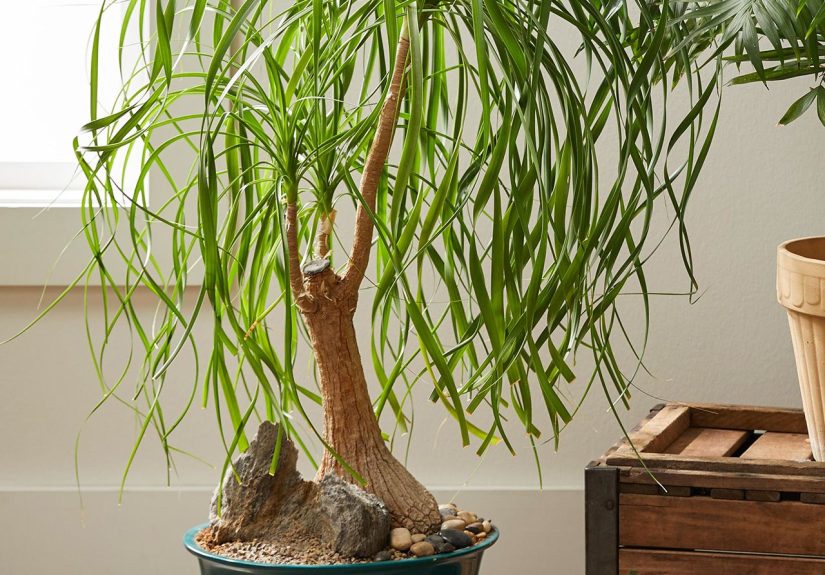
The ponytail palm (also called elephant foot tree or bottle palm) is the houseplant equivalent of that friend who always looks amazing,
never texts back, and somehow still thrives. Despite the name, it’s not a true palmit’s a drought-adapted plant with a swollen base (a water-storing
“caudex”) and a fountain of curly leaves that can make any corner look instantly more dramatic. The best part? It actually prefers you to not
fuss over it.
In this guide, you’ll learn exactly how to plant and grow ponytail palm indoors or outdoors, how to water without turning it into a science experiment,
when (and how) to repot, how to propagate pups, and what to do when the leaf tips start looking like they’ve been through a breakup.
Ponytail Palm Basics
What it is (and why it’s so forgiving)
Ponytail palm’s signature feature is its enlarged trunk base, which stores water and helps the plant coast through dry spells. That’s why it’s famously
low-maintenance and why overwatering is the #1 way people accidentally send it to the great greenhouse in the sky.
How big does a ponytail palm get?
Indoors, most ponytail palms stay in the 3–6 foot range over many years, especially if kept in a container. Outdoors in warm climates,
mature specimens can become much larger. Translation: your living room plant isn’t secretly plotting to bust through the roof next weekit’s a slow grower.
Choosing the Right Plant and Pot
Pick a healthy ponytail palm at the store
- Leaves: Look for springy, green leaves. A few brown tips are normal; widespread yellowing can signal watering issues.
- Base (caudex): It should feel firm, not mushy. Soft spots can mean rot.
- Pests: Check leaf bases for cottony clumps (mealybugs) or fine webbing (spider mites).
Use a pot that matches ponytail palm’s personality
Ponytail palms have relatively shallow, fibrous roots and generally prefer a pot that isn’t oversized. A huge pot holds excess moisture longer, which is
basically the plant-care version of leaving pizza out overnightsomething bad is going to happen.
- Must-have: Drainage hole(s). No exceptions.
- Best shape: A slightly wider, stable pot helps balance the top-heavy foliage.
- Material tip: Terracotta “breathes” and can help the soil dry fastergreat for over-waterers in recovery.
Best Soil for Ponytail Palm
Think “cactus,” not “tropical jungle”
Ponytail palms do best in a fast-draining mix. The goal is to let water run through quickly and allow the root zone to dry out between
waterings. A cactus/succulent potting mix is a strong starting point.
Easy DIY ponytail palm soil recipe
- 2 parts cactus/succulent mix
- 1 part perlite or pumice
- Optional: a small handful of coarse sand or fine gravel for extra drainage
Avoid heavy garden soil or mixes that stay soggy. Ponytail palms can tolerate “lean” soil far better than wet feet.
How to Plant a Ponytail Palm (Container Planting)
- Choose the right pot size: Move up only 1–2 inches wider than the current pot if repotting.
- Add a drainage-friendly base layer (optional): Skip rocks in the bottombetter drainage comes from soil structure, not a “rock sandwich.”
- Set the planting height: Keep the plant at the same soil level it was before. Don’t bury the swollen base.
- Backfill with fast-draining mix: Gently firm the soil so the plant stands upright, but don’t pack it like concrete.
- Wait before watering (if roots were disturbed): If you had to loosen or trim roots, wait about 3–7 days before watering to reduce rot risk.
Pro tip: If your ponytail palm looks like a tiny palm on top of a cartoon elephant foot, you’re doing it right.
How to Grow Ponytail Palm Outdoors
Outdoors, ponytail palm can be a stunning landscape specimen in warm regions. The key is sun + drainage + no frost drama.
In cooler areas, many gardeners move container plants outside for the warm season and bring them back in before temperatures drop.
Outdoor site selection
- Light: Full sun to partial sun works well outdoors, especially with a gradual transition.
- Soil: Well-drained soil is non-negotiable. Raised beds, slopes, and rock gardens can help.
- Temperature: Protect from cold snaps; ponytail palms dislike prolonged chill and can be damaged by frost.
Acclimate slowly to prevent sunburn
If your plant has been living indoors, don’t yeet it into full sun on day one. Start with bright shade or morning sun for a week, then increase sun exposure
gradually. Leaves can scorch if they’re not used to outdoor intensity.
Light Requirements
Indoors: bright is best
Indoors, ponytail palm thrives in bright light, including a sunny window. It can survive in moderate light, but growth slows and the plant
may stretch toward the window like it’s trying to eavesdrop on the neighbors.
Rotation matters
Rotate the pot every couple of weeks to keep growth even. Otherwise, you’ll end up with a plant that leans like it’s permanently impressed by your décor.
Watering Ponytail Palm (The “Less Is More” Rule)
How often to water
Ponytail palm likes a soak-and-dry routine. Water thoroughly, let excess drain, then wait until the soil dries out significantly before watering again.
Frequency depends on light, pot size, and season.
- Spring & summer: Water when the soil is mostly dry (often every 2–4 weeks indoors, faster in bright sun).
- Fall & winter: Water much lesssometimes every 4–6+ weeks indoors, since growth slows and evaporation drops.
How to tell if it needs water
- Stick a finger 2–3 inches into the soil: if it’s dry, you’re closer to watering time.
- Lift the pot: a very light pot usually means the mix is dry.
- Look at the base: the caudex naturally stores water, so don’t expect it to “look thirsty” quickly.
Signs of overwatering vs. underwatering
- Overwatering: Yellowing leaves, soft base, sour-smelling soil, fungus gnats, mushy roots.
- Underwatering: Slower growth, crispy tips, some leaf curlusually less dangerous than overwatering.
Temperature and Humidity
Ponytail palms do well in typical indoor temperatures. They don’t require tropical humidity, and they generally prefer good airflow over constant misting.
Avoid cold drafts, and don’t let the plant sit against a freezing window in winter.
Fertilizing Ponytail Palm
This plant is a slow, steady grower and doesn’t need heavy feeding. Too much fertilizer can cause weak, floppy growth or salt buildup in the soil.
A simple feeding plan
- Use a balanced houseplant fertilizer at half-strength during spring and summer.
- Feed lightly every 4–8 weeks (or even less) when the plant is actively growing.
- Skip fertilizer in fall and winter.
Pruning and Grooming
Do you need to cut the leaves?
Ponytail palm doesn’t need “pruning” in the classic sense. Most maintenance is cosmetic:
- Trim brown tips with clean scissors, following the natural leaf shape.
- Remove fully brown leaves near the base of the crown by gently pulling or snipping.
If you’re tempted to give it a full haircut because it’s “too wild,” step away from the scissors. The chaos is part of the charm.
Repotting Ponytail Palm
When to repot
- Roots circling the pot or growing out the drainage holes
- Soil that dries out extremely fast (and the plant still looks healthy)
- A plant that becomes top-heavy and unstable
How often?
Many ponytail palms are happy for years in the same pot. Repotting every 2–4 years is common, and larger specimens may go longer.
Remember: keeping it a bit snug can help control size indoors.
Repotting steps (no drama edition)
- Repot in spring if possible.
- Gently slide the plant out; loosen tightly circling roots.
- Use fresh, fast-draining mix.
- Increase pot size gradually.
- After repotting, wait a few days before watering if roots were disturbed.
Propagation: How to Grow More Ponytail Palms
Ponytail palms can be propagated by seed, and some plants produce offsets (often called “pups”) that can be separated. For home growers, pups are typically
the most practical method when they appear.
Propagating ponytail palm from pups (offsets)
- Wait for a decent size: Let pups grow a few inches so they have enough stored energy.
- Remove the plant from the pot: This helps you see where the pup attaches.
- Cut the pup cleanly: Use a sterile knife or pruners. Try to preserve any roots the pup has formed.
- Let the cut callus: Allow the pup to dry for 24–48 hours before potting to reduce rot risk.
- Pot in a very fast-draining medium: Many growers use cactus mix with extra perlite/pumice.
- Water lightly until established: Keep it on the dry side; increase watering only after new growth appears.
Reality check: Not all ponytail palms produce pups readily, and rooting pups can take patience. Think “slow-cooker,” not “microwave.”
Common Problems (and How to Fix Them)
Brown leaf tips
- Common causes: underwatering, low humidity combined with heat vents, or mineral-heavy water buildup.
- Fix: Water deeply when dry, avoid blasting it with a heater, and consider using filtered water occasionally.
Yellowing leaves
- Common causes: overwatering or poor drainage.
- Fix: Let soil dry more between waterings; switch to a grittier mix; confirm drainage holes are clear.
Soft base or rot
This is the big one. A mushy caudex often indicates rot from staying wet too long.
- Unpot the plant, inspect roots, remove black/mushy parts with sterile tools.
- Repot into dry, fast-draining mix and a pot with drainage.
- Hold off watering for several days, then resume a much drier schedule.
Pests: mealybugs and spider mites
- Mealybugs: Dab with isopropyl alcohol on a cotton swab, and follow up with insecticidal soap if needed.
- Spider mites: Rinse foliage, increase airflow, and treat with insecticidal soap. Watch for fine webbing.
Pet Safety: Is Ponytail Palm Toxic?
Good news for households with curious cats and dogs: ponytail palm is widely listed as non-toxic to common pets. Still, chewing any plant
can cause mild stomach upset, and the leaf edges can be irritating if a pet goes full salad-bar mode.
Quick Care Cheat Sheet
- Light: Bright light; sun is welcome with acclimation.
- Water: Soak, then let dry well. Less in winter.
- Soil: Cactus/succulent mix with extra drainage.
- Pot: Drainage holes; don’t oversize.
- Fertilizer: Light feeding in spring/summer only.
- Biggest risk: Overwatering and poor drainage.
500+ Words of Real-World Growing Experiences (What People Commonly Run Into)
Ponytail palms are often marketed as “unkillable,” which is true in the same way a cast-iron pan is “unkillable”: it can handle neglect, but it will not
forgive being soaked and left to stew. One of the most common experiences new plant owners report is the confusion between a ponytail palm’s calm vibe and
a typical houseplant’s thirst schedule. Many people water on a calendar (“every Saturday!”), and ponytail palm responds by quietly rotting while still
looking okayuntil it suddenly doesn’t. The lesson most growers learn (sometimes the hard way) is to water based on soil dryness, not the
day of the week.
Another very relatable experience: the “Is it doing anything?” phase. Ponytail palms are slow growers, especially indoors. It’s normal to see minimal
change for months. That doesn’t mean you’re failingit means you picked a plant that won’t outgrow your space the moment you blink. In fact, many plant
parents come to appreciate ponytail palms precisely because they look stylish year-round without constant repotting or pruning. If you want a plant that
rewards you with daily visible progress, this one is more of a long-term relationship than a whirlwind romance.
Brown tips are another frequent topic in plant groups. Growers often assume brown tips mean “needs more water,” but in practice it can be a mix of
underwatering, inconsistent watering, dry indoor air near vents, or mineral buildup from hard tap water. A common real-life fix is to trim the crispy ends
(purely cosmetic), then adjust one variable at a timelike moving the plant a little farther from a heat source or switching to filtered water every so
often. The plant usually doesn’t need “more attention,” just “better timing.”
Many people also love the idea of putting their ponytail palm outdoors for summer. The experience is often positivebrighter light can improve color and
growthbut the transition is where things go sideways. A classic scenario: the plant goes from indoor window light to blazing afternoon sun, and the leaves
scorch. The best outcomes come from gradual acclimation: a week in bright shade, then morning sun, then slowly more direct light. Growers who take it slow
often report sturdier growth and happier foliage by late summer.
Repotting experiences tend to split into two camps. Camp A repots into a much larger pot “to give it room,” then struggles with soil staying wet too long.
Camp B repots one size up (or keeps it snug), uses a gritty mix, and suddenly the plant becomes almost comically easy. Many experienced growers end up
choosing slightly smaller pots than they would for other houseplantsbecause ponytail palms don’t need a big root run to look impressive, and a smaller pot
gives you more control over moisture.
Finally, there’s the “pup excitement” moment. When a ponytail palm produces offsets, people understandably want to propagate immediately. But the most
successful attempts usually come from patience: letting pups size up, making clean cuts, letting them dry (callus), and rooting them in a fast-draining
medium. The common experience is that propagation is slow, but incredibly satisfyingespecially when you spot fresh new growth and realize you just made a
whole new plant from what used to be “that weird little bump on the side.”
If there’s a single takeaway from the collective ponytail palm experience, it’s this: bright light, sharp drainage, and watering restraint
are the secret handshake. Do those three things, and your plant will reward you by looking like a living fountain sculpture for years.
Conclusion
Learning how to plant and grow ponytail palm is mostly about mastering one skill: not overwatering. Give it bright light, a gritty
well-draining soil mix, and a pot with drainage holes. Water deeply but infrequently, ease up even more in winter, and repot only when the plant truly
needs it. Whether you keep yours as a low-maintenance indoor statement plant or use it as an outdoor accent in warm climates, ponytail palm thrives on a
little neglectso you can enjoy the look without adding a new full-time job to your schedule.




 Close
Close