
Table of Contents >> Show >> Hide
- Why Mandevilla Needs Special Winter Care
- Step 1: Know When to Bring Your Mandevilla Inside
- Step 2: Choose Your Overwintering Strategy
- Step 3: Prep Before You Bring Mandevilla Indoors
- Winter Care Month by Month
- Waking Your Mandevilla Up in Spring
- Quick FAQ: Common Overwintering Questions
- Real-Life Overwintering Experiences and Tips
- Conclusion: A Little Winter Effort, a Lot of Summer Color
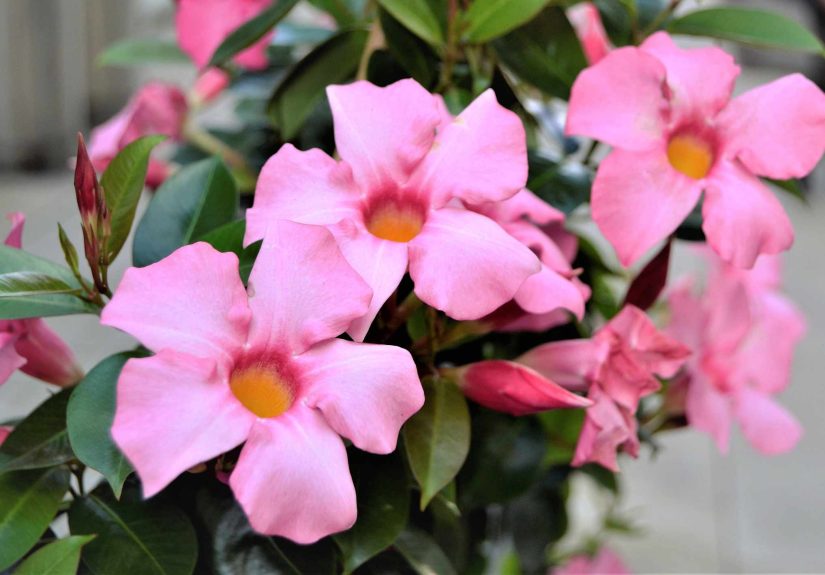
If you’ve ever fallen in love with a lush, flowering mandevilla on the garden-center patio and then watched it turn into a sad, shriveled stick after the first frost, welcome to the club. The good news: that gorgeous tropical vine doesn’t have to be a one-summer fling. With a little planning, you can overwinter mandevilla and enjoy its trumpet-shaped blooms year after year.
This guide walks you through exactly how to protect mandevilla from cold weather, whether you want to keep it as a winter houseplant or tuck it away dormant in a cool corner. We’ll cover timing, pruning, indoor care, spring wake-up, and real-life tips from gardeners who have successfully kept their vines going for many seasons.
Why Mandevilla Needs Special Winter Care
Mandevilla is a tropical or subtropical vine, typically hardy only in very warm regions (roughly USDA zones 9–11). In frost-free climates it behaves like a true perennial, but in colder areas, freezing temperatures are a death sentence. Even nights in the upper 40s to low 50s °F can stress the plant, and a light frost can kill it outright.
Because of this, gardeners in cooler climates have two choices:
- Treat mandevilla as an annual and buy a new plant every spring, or
- Overwinter the same plant indoors so it can go back outside when warm weather returns.
Overwintering takes a bit of effort, but it saves money, protects a plant you’ve carefully grown all summer, and lets you start each year with a larger, more impressive vine.
Step 1: Know When to Bring Your Mandevilla Inside
Timing is everything. Don’t wait until you see frost on the lawn to think about your vine.
Watch the nighttime lows
Start paying attention to the forecast in early fall. Once nighttime temperatures consistently dip into the low to mid-50s °F (around 10–13 °C), it’s time to plan the move indoors. Definitely bring the plant in before the first frost is predicted.
If you see one sudden cold snap coming but days are still warm, you can temporarily move containers into a garage or cover them overnight. But for real overwintering, you’re looking at a long-term stay indoors until spring temperatures reliably stay above about 60 °F.
Container vs. in-ground plants
If your mandevilla is in a pot, you’re already one step aheadjust move the container. If it’s planted in the ground, you’ll need to dig it up before the soil gets cold, pot it in a container with well-draining potting mix, and treat it like any other potted plant coming indoors.
Step 2: Choose Your Overwintering Strategy
There are two main ways to overwinter mandevilla successfully:
- As a houseplant – kept leafy and semi-active in a bright, warm room.
- As a dormant plant – cut back hard and stored cool and mostly dry.
Both methods work. The right one for you depends on your space, your tolerance for leaf drop, and how much you like having a big green vine in your living room all winter.
Option 1: Keep Mandevilla as a Houseplant
This method is ideal if you have a sunny window, a sunroom, or grow lights, and you don’t mind a little indoor jungle vibe.
1. Prune for manageability
Before bringing the plant inside, give it a haircut. Trim the vine back by about one-third to one-half to make it easier to handle and reduce the amount of foliage the roots have to support in lower winter light. Remove weak, tangled, or crossing stems.
2. Check for pests
Outdoor mandevillas are magnets for aphids, spider mites, whiteflies, and mealybugs. You do not want those turning your living room into a bug hostel. Inspect the leaves (top and bottom) and stems carefully. Rinse the plant with a strong spray of water, and if you see evidence of pests, treat with insecticidal soap or horticultural oil before you move it indoors.
3. Pick the right indoor spot
Mandevilla kept as a houseplant wants:
- Bright light: At least 6 hours of bright, indirect light daily. A south- or west-facing window is perfect. In darker homes, supplement with a simple LED grow light.
- Moderate warmth: Aim for 60–70 °F. Avoid cold drafts, heat vents, or radiators that can dry out the foliage.
- Good air circulation: Not in a cramped corner where air is stagnant, but not in the line of a blasting fan either.
4. Adjust watering and feeding
Overwatering is the fastest way to murder your overwintering mandevilla. Indoors, the plant grows more slowly and uses less water. Let the top inch of soil dry out before watering again, and make sure the container drains freely. Empty saucers so roots don’t sit in water.
Skip fertilizer in the darkest months. You can start feeding again lightly in late winter as the days lengthen and you see active new growth.
5. Expect some leaf drama
Even under good conditions, mandevilla may drop some leaves after the move indoors. It’s reacting to big changes in light and humidity. As long as stems remain firm and you see some healthy foliage sticking around, don’t panic. Keep your watering conservative and resist the urge to dump on extra fertilizer “to cheer it up.”
Option 2: Overwinter Mandevilla Dormant
No sunny window, no grow lights, no problem. The dormancy method is perfect if all you have is a cool basement, insulated garage, or back room that stays above freezing but isn’t exactly cozy.
1. Cut the plant back hard
For dormancy, you’re not keeping the plant prettyyou’re keeping it alive. Prune stems down to just a few inches above the soil line, or to roughly 6–12 inches tall. This looks brutal, but it encourages strong new growth in spring and makes storage simple.
2. Choose a cool, dark location
Ideal dormant conditions:
- Temperature: Around 50–60 °F (cool but not freezing).
- Light: Low light or complete darkness is fine.
- Humidity: Moderatenot bone-dry air right next to a furnace vent.
Basements, interior storage rooms, or attached but unheated garages often work well, as long as you’re sure the temperature never drops to freezing.
3. Water sparingly
During dormancy, the goal is to keep the roots barely alivenot growing. Water just enough so the soil never dries into rock-hard dust. For many gardeners, that means a light watering once every 3–4 weeks. No fertilizer, no misting, no fuss.
4. Don’t freak out about bare stems
Your dormant mandevilla will likely lose all its leaves. That’s normal. Think of it like a bulb underground in winteryou’re keeping the root system in good shape so it can push out fresh growth when warmth and light return.
Step 3: Prep Before You Bring Mandevilla Indoors
Regardless of the method you choose, some pre-move prep will make winter easier:
- Repot if needed: If the plant is rootbound (roots circling the inside of the pot), move it into a slightly larger container with fresh, high-quality potting mix. Don’t jump from a small pot to a massive tub; one or two sizes up is enough.
- Clean the container: Wipe down the outside to remove dirt and pests so you’re not also overwintering ants on your dining room floor.
- Acclimate gradually: If possible, move the plant into shade for a week or so outdoors before bringing it inside. That preps it for lower light levels and can reduce shock.
Winter Care Month by Month
Once your mandevilla is settled indoors, care looks a little different depending on the method you chose, but the general principles are similar.
If you’re keeping it as a houseplant
- November–January: Focus on stable temperatures, steady but conservative watering, and pest monitoring. No fertilizer yet. Expect slower growth and possibly some yellowing leaves.
- February–March: As days lengthen, you may see new shoots. At this point you can start light feeding with a balanced, water-soluble fertilizer at half strength once a month.
Always inspect the plant every week or so. Sticky leaves, webbing, or tiny moving dots often indicate pests. Catching infestations early makes treatment easier.
If you’re keeping it dormant
- Check moisture monthly: Gently press a finger into the soil. If it’s completely dry several inches down, give a modest drink.
- Monitor temperature: Use a simple thermometer if you’re unsure how cold that garage corner gets. If a severe cold snap is expected, you may need to temporarily move the plant somewhere warmer.
The plant won’t be doing much during this stageno leaves, no flowers, just a pot with sticks. It’s low-maintenance gardening at its finest.
Waking Your Mandevilla Up in Spring
Once winter loosens its grip, it’s time to bring your tropical diva back to the spotlight.
Step 1: Move to brighter, warmer conditions
In late winter or early spring, move dormant plants from their cool, dark storage to a brighter area indoors and resume slightly more regular watering. For plants that overwintered as houseplants, this is when you can increase light even more or turn grow lights back on for longer periods.
Step 2: Prune again for shape
As new growth emerges, prune back leggy or weak stems. For houseplant overwintering, this early-spring cleanup encourages a bushier, more floriferous vine. Remove dead wood and any stems that look shriveled or brittle.
Step 3: Start feeding
Once you see active growth, begin fertilizing every 2–4 weeks with a balanced or bloom-boosting fertilizer, following label directions. Mandevilla is a hungry plant in the growing season, and regular feeding helps it recover from its winter rest.
Step 4: Harden off before going outside
Don’t rush your plant straight from the cozy indoors into blazing sun and chilly nights. After all danger of frost has passed and nighttime temperatures are consistently above about 60 °F, start hardening off:
- Place the plant outdoors in a shaded, wind-protected spot for a couple of hours.
- Increase time and light exposure gradually over 7–10 days.
- After this transition, you can move it to its summer homeoften a sunny patio or along a trellis or railing.
It’s common for some of the soft, indoor-grown leaves to scorch or drop once the plant moves outside. Don’t worry. Focus on the new, sturdier outdoor growth that follows.
Quick FAQ: Common Overwintering Questions
Can I just mulch heavily and leave mandevilla outside?
In most temperate climates, no. Heavy mulch can protect roots of some perennials, but mandevilla is simply too cold-sensitive. In true frost-free areas you may be able to leave it outside; elsewhere, bring it in or accept it as an annual.
Will my mandevilla bloom indoors in winter?
Usually not, and that’s okay. Short days and weaker light levels push the plant toward rest rather than heavy blooming. With strong supplemental lighting you might get a few flowers, but most gardeners overwinter for foliage and future blooms, not a full winter show.
Is dipladenia winter care the same as mandevilla?
Yes, dipladenia (often sold under the same branding) has similar temperature needs and can be overwintered using the same basic methods: bright indoor houseplant or cool, dormant storage.
What if my overwintered plant looks rough in spring?
That’s normal. Overwintered mandevillas often look scraggly when they first wake up. A good prune, fresh potting mix if needed, and consistent water and fertilizer will usually turn them into thriving vines again by mid to late summer.
Real-Life Overwintering Experiences and Tips
Textbook instructions are helpful, but in the real world, gardeners improvise. Here are some experience-based insights that can help you fine-tune your own overwintering routine.
The “sunny window success” story
Imagine an apartment gardener with a single big south-facing window and not much else. Each fall, they trim their mandevilla back by about one-third, check for pests, and slide the pot right behind the couch next to that window. The plant drops a few leaves during the first month indoors, then settles down. It doesn’t bloom, but it keeps a respectable amount of foliage.
The trick that makes it work? A simple routine: bottom-water once the top inch of soil feels dry, rotate the pot every week so all sides see the light, and wipe dust off the leaves occasionally. By spring, that plant is ready to go back outside and usually starts flowering earlier than brand-new nursery plants.
The “garage dormancy” backup plan
Another gardener has no sunny windows left (they’re all full of houseplants already), so they go the dormancy route. In early fall, they cut the mandevilla down to 8 inches, knock off any hitchhiking insects, and move the pot into an attached garage that hovers around 50–55 °F in winter.
They mark one weekend a month on their calendar as “garage watering day.” On that day, they check the soil of all their dormant potscannas, dahlias, mandevillaand give each a slow drink if the soil feels bone dry. That’s it. In March, the mandevilla pot comes back into the house, gets placed by a bright window, and within a few weeks, tiny red-tinged buds appear along the stems. Those buds become fresh green shoots that will later climb a trellis on the back deck.
Learning from mistakes: the “too much love” problem
One of the most common overwintering mistakes is loving the plant a little too muchwatering frequently, fertilizing in January, and trying to force lush growth in low light. The result is often yellowing leaves, weak, stretched stems, and sometimes root rot.
If you’ve lost mandevilla this way before, don’t be discouraged. Use that experience to reset your expectations. In winter, “healthy but on pause” is the goal, not “Instagram-ready tropical vine.” Less water, no fertilizer during the darkest months, and patience will usually give you better results than constant fussing.
Experimenting with cuttings
Some gardeners like to take a belt-and-suspenders approach by rooting cuttings in late summer. When they prune the plant before overwintering, they save a few sturdy, non-woody stems, strip the lower leaves, dip the cut ends in rooting hormone, and pot them in a small container of moist, sterile mix under bright light.
If the main plant doesn’t survive winter, these rooted cuttings become next year’s vines. If everything lives, even betteryou’ve got backup plants for gifts or extra color in containers.
Building your own system
Overwintering mandevilla isn’t one-size-fits-all. Your climate, home layout, heating system, and schedule all play a role. The key is to use the core principlesavoid cold, prevent overwatering, adjust light and expectationsand then customize.
Maybe you keep one plant as a houseplant near a sunny sliding door and put another into dormancy in the basement. Maybe you try a grow light one year and realize the plant actually did better with the low-key, dormant approach. Over a couple of seasons, you’ll figure out what works best in your specific space.
Conclusion: A Little Winter Effort, a Lot of Summer Color
Overwintering mandevilla is less about fancy equipment and more about being deliberate: move the plant before cold hits, choose a realistic method (houseplant or dormancy), water sparingly, and give it a gentle, gradual re-entry to the outdoor world in spring. Do that, and your “annual” mandevilla can become a long-term garden companion, growing fuller and more impressive every year.
Instead of saying goodbye to those tropical blooms at the end of each season, you’ll be wheeling a familiar friend back onto the patioone that’s already primed to climb, leaf out, and put on a show.
SEO Summary
sapo: Want your mandevilla to be more than a one-summer wonder? This in-depth guide shows you exactly how to overwinter mandevilla to protect it from the cold. Learn when to bring it inside, whether to keep it as a houseplant or let it go dormant, how often to water, what temperatures it needs, and how to wake it up in spring. Plus, get real-life tips and experiences from gardeners who successfully keep their vines thriving year after year.







 Close
Close