
Table of Contents >> Show >> Hide
- Why Cheddar Cheese Can Be Tricky to Melt
- Before You Start: 6 Rules for Smooth Melted Cheddar
- Method 1: Melt Cheddar Cheese on the Stovetop
- Method 2: Make a Smooth Cheddar Cheese Sauce
- Method 3: Melt Cheddar Cheese in the Microwave
- How to Fix Melted Cheddar Cheese Problems
- What Is the Best Way to Melt Cheddar Cheese?
- Best Foods to Use with Melted Cheddar Cheese
- Conclusion
- Extra Kitchen Experiences: Real-Life Lessons from Melting Cheddar Cheese
Cheddar cheese is one of the great joys of life. It makes burgers happier, nachos louder, baked potatoes more lovable, and broccoli far less suspicious. But here is the catch: cheddar can also be a bit dramatic. Push the heat too high, and it turns oily. Rush the process, and it gets grainy. Start with the wrong kind, and you may end up with a stubborn orange clump that behaves like it has a personal grudge.
The good news is that learning how to melt cheddar cheese is not hard. You just need the right method for the job. Whether you want a quick melt for a sandwich, a silky cheddar cheese sauce for pasta, or a fast microwave option for a snack emergency, there is a simple way to get there without ruining your cheese or your mood.
In this guide, you will learn three simple ways to melt cheddar cheese, plus the best tips for keeping it smooth, creamy, and gloriously melty. We will also cover the most common mistakes, how to fix them, and real-life kitchen lessons that make the whole process easier.
Why Cheddar Cheese Can Be Tricky to Melt
Before we get into the methods, it helps to understand why cheddar sometimes acts like a diva under bright lights. Cheddar is a natural cheese, and as it ages, it loses moisture and becomes firmer. That means a mild cheddar usually melts more smoothly than a very old, extra-sharp cheddar. Aged cheddar brings bigger flavor, but it can also separate faster when overheated.
Another issue is pre-shredded cheese. It is convenient, yes. It is also often coated with anti-caking agents to keep the shreds from sticking together in the bag. Helpful for packaging, less helpful when you want a perfectly smooth melt. If you want the best texture, buy a block and grate it yourself. Your future cheese sauce will thank you.
The last big rule is heat. Cheddar likes gentle treatment. Low heat or medium-low heat gives the proteins and fats a chance to soften together. High heat, on the other hand, can force the fat to separate, which is how you get that sad slick of oil on top of a gritty sauce. Nobody invited that.
Before You Start: 6 Rules for Smooth Melted Cheddar
1. Grate your own cheese
Freshly grated cheddar melts faster and more evenly than bagged shredded cheese. Smaller pieces also mean less time on the heat, which lowers the risk of clumping or separation.
2. Use low heat
If you remember only one thing from this article, make it this: low heat wins. Melting cheese is not a race. It is more like convincing a cat to get into a carrier. Slow and calm works better than loud and aggressive.
3. Add cheddar gradually for sauces
If you are making a sauce, do not dump in all the cheese at once like you are feeding a bonfire. Add it a handful at a time and stir until each addition melts before adding more.
4. Give it a little help
Cheddar melts beautifully on its own for toppings, but for sauces it benefits from support. A roux, cornstarch, milk, cream, or evaporated milk can help create a smoother texture.
5. Remove from heat once melted
Once cheddar is smooth, stop cooking it. Continued heat is where many good intentions go to die.
6. Choose the right cheddar for the job
Mild or medium cheddar is best for a super smooth melt. Sharp cheddar is still delicious, but it may need a sauce base or extra liquid to stay silky.
Method 1: Melt Cheddar Cheese on the Stovetop
This is the best method when you want melted cheddar for burgers, scrambled eggs, steamed vegetables, baked potatoes, or a quick skillet topping. It is fast, easy, and requires almost no special equipment.
Best for
Sandwiches, cheeseburgers, fries, roasted vegetables, tacos, and open-faced melts.
How to do it
Start by grating or thinly slicing your cheddar cheese. If you are melting it directly onto food, keep the heat low. Place the food in a skillet, add the cheddar on top, and cover the pan with a lid for a minute or two. The trapped heat helps the cheese melt gently without scorching the bottom.
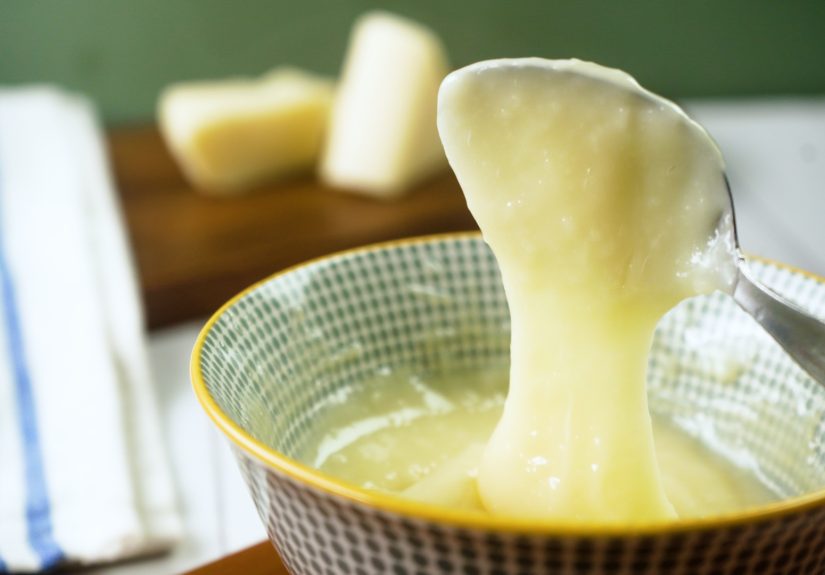
If you want to melt cheddar by itself for spooning, add it to a small saucepan over very low heat with a tiny splash of milk or cream and stir constantly. You are not trying to boil it. You are just coaxing it into becoming soft and smooth.
Quick stovetop example
Let us say you want melted cheddar for broccoli. Add hot cooked broccoli to a skillet over low heat. Sprinkle on freshly grated cheddar, cover the skillet, and wait 60 to 90 seconds. Uncover, check the melt, and serve. That is it. No flour, no fuss, no emotional damage.
Common mistakes
The biggest mistake is using heat that is too high. The second biggest is walking away. Cheese has a magical ability to go from “almost perfect” to “why is it sweating” in about twelve seconds. Stay nearby.
Method 2: Make a Smooth Cheddar Cheese Sauce
If you want the most reliable way to melt cheddar cheese smoothly, this is the method. A basic cheese sauce gives cheddar a liquid base and a little starch support, which helps prevent clumping and keeps the texture creamy. This is the ideal method for mac and cheese, nachos, pretzels, baked potatoes, pasta, casseroles, and dipping sauce.
Best for
Cheddar sauce, queso-style dips, mac and cheese, vegetable sauce, and spoonable cheese for just about anything that needs a cheesy upgrade.
What you need
2 tablespoons butter, 2 tablespoons all-purpose flour, 1 cup milk, and 1 to 1 1/2 cups freshly grated cheddar cheese. You can also add a pinch of mustard powder, black pepper, or paprika if you want more flavor.
How to do it
Melt the butter in a saucepan over low or medium-low heat. Whisk in the flour and cook for about 1 minute until it looks smooth and lightly bubbly. This is your roux, which sounds fancy but is really just butter and flour getting organized.
Slowly whisk in the milk. Keep whisking until the sauce base thickens slightly. Once it is smooth, reduce the heat to low or remove the pan from the heat for a moment. Then add the grated cheddar a handful at a time, whisking until it melts before adding more.
If the sauce feels too thick, add a little more milk. If it feels too thin, let it sit for a minute or two off the heat; melted cheese sauces usually thicken as they rest.
Why this works
The flour helps stabilize the sauce, while the milk gives the cheddar room to melt without separating. This is why a cheddar sauce is often smoother than trying to melt a pile of cheese by itself in a hot pan.
Flavor tip
If you love extra-sharp cheddar but want a smoother texture, combine it with mild cheddar. You will get the bold flavor without making the sauce work overtime.
Method 3: Melt Cheddar Cheese in the Microwave
Need melted cheddar fast? The microwave is your friend, as long as you use it with a little patience. This method is great for small portions, snack plates, queso cups, quick dips, or topping leftovers.
Best for
Small batches, snacks, queso cups, cheese dips, crackers, nachos, and emergency “I need cheese now” situations.
How to do it
Place grated cheddar in a microwave-safe bowl. Add a splash of milk, cream, or a little cream cheese if you want a smoother result. Microwave at medium power or about 50 percent in 20- to 30-second bursts. Stir between each burst.
Do not blast it for two full minutes and hope for the best. That is how you create a lava pool around a stubborn cheese island. Short intervals give you control and help the cheese melt evenly.
Microwave example
For a quick cheddar dip, combine 1 cup grated cheddar with 2 to 3 tablespoons milk in a bowl. Microwave for 20 seconds, stir, then continue in short bursts until smooth. Season with a pinch of garlic powder or chili powder if you want to make it taste a little more snack-table-ready.
Microwave warning
Microwaves heat unevenly, so stirring is not optional. It is the difference between a smooth sauce and a cheesy geology project.
How to Fix Melted Cheddar Cheese Problems
If the cheese is grainy
The heat was probably too high, or the cheddar was cooked too long. Try whisking in a spoonful of warm milk and removing the pan from the heat. Sometimes that is enough to bring it back together.
If the sauce is too thick
Add warm milk, one tablespoon at a time, until the texture loosens.
If the sauce is oily
The fat has separated. Whisking in a small splash of warm milk may help, but the better solution is prevention: lower heat, slower melting, and a starch-supported base next time.
If the cheese will not melt smoothly
Check your cheddar. Very aged cheddar and pre-shredded cheddar are more likely to fight back. Freshly grated mild or medium cheddar is usually much easier to melt.
What Is the Best Way to Melt Cheddar Cheese?
If you just want melted cheddar on food, the stovetop method is the easiest. If you want a creamy result you can pour, dip, or stir into pasta, the sauce method is the winner. If speed matters most and you are working with a small amount, the microwave gets the job done.
So the best method depends on what you are making:
For burgers and vegetables: stovetop melt.
For mac and cheese or nachos: cheddar cheese sauce.
For quick snacks: microwave melt.
Best Foods to Use with Melted Cheddar Cheese
Melted cheddar is wildly versatile. It works beautifully with soft pretzels, tortilla chips, baked potatoes, steamed broccoli, cauliflower, fries, burgers, scrambled eggs, pasta, roasted chicken, and toasted sandwiches. It also makes leftover vegetables much more persuasive, which may be the highest calling of cheese.
For a stronger flavor, pair sharp cheddar with hearty foods like burgers, sausage, potatoes, and chili. For a smoother sauce, use mild or medium cheddar with pasta, vegetables, or rice dishes.
Conclusion
Learning how to melt cheddar cheese comes down to using the right technique and treating the cheese gently. Start with freshly grated cheddar, keep the heat low, and choose the method that fits the dish. For simple toppings, use the stovetop. For a creamy, reliable result, make a sauce. For quick snacks or small batches, use the microwave in short intervals.
Cheddar does not need much to become delicious, but it does appreciate a little patience. Give it that, and it will reward you with smooth, rich, deeply cheesy greatness. Rush it, and it may turn into a greasy orange life lesson. Either way, dinner gets interesting.
Extra Kitchen Experiences: Real-Life Lessons from Melting Cheddar Cheese
Anyone who cooks with cheddar more than a few times eventually collects a strange little portfolio of cheese experiences. Some are glorious. Some are humbling. All of them teach you something useful. One of the first lessons people learn is that cheddar has moods. The first time you melt it, you think, “How hard can this be?” Five minutes later, you are staring at a pan of oily clumps wondering why your confidence has been personally attacked by dairy.
One very common experience happens on burger night. You put a slice of cheddar on top of a hot burger, assume the heat will do the work, and wait. The top softens, the corners droop, and then everything just sort of stalls. That is when the lid trick changes your life. Cover the pan for a minute, trap the steam, and suddenly the cheddar melts like it remembers its purpose. That tiny move feels almost unfairly effective.
Then there is the pre-shredded cheese experiment. It usually begins with good intentions and a busy schedule. You buy the bag because life is short and the grater is in the back of the drawer. But when you try to make a cheese sauce, the result can be thicker, clumpier, and less glossy than expected. It is not always a disaster, but it is often a reminder that convenience and peak meltability are not always best friends. Many home cooks discover, after one or two disappointing batches, that grating a block of cheddar is worth the extra two minutes.
Microwave cheddar brings its own adventures. At first, the microwave seems like the wild card method, the one you use when hunger has become a time-sensitive issue. And honestly, it can work very well. The key experience here is learning restraint. The people who have the best microwave results are rarely the ones who slam the bowl in for two minutes and walk away. They are the ones who heat in short bursts, stir, check, and repeat. It feels slightly fussy, but it saves the cheese from overheating and gives you a much smoother finish.
Cheddar sauce, meanwhile, teaches patience in a different way. The first time you build a simple butter-flour-milk base and then stir in cheese, it can feel oddly magical. The sauce turns glossy, rich, and pourable, and suddenly you understand why so many classic comfort foods start this way. It is also where many cooks learn that removing the pan from the heat before adding the cheese is not just some precious chef habit. It really helps. The sauce stays smoother, the cheddar melts more gently, and the whole thing feels much more forgiving.
Perhaps the most useful long-term experience is realizing that melted cheddar is not just an ingredient. It is a rescue plan. Dry leftover chicken? Add cheddar sauce. Plain broccoli? Melt cheddar on top. Tired baked potato? Introduce cheese and watch it become important again. Once you get comfortable with melting cheddar properly, you stop seeing it as a special-occasion move and start using it as an everyday kitchen upgrade. That is when things get fun. Also slightly dangerous, because now everything in your refrigerator looks like a possible cheese delivery system.







 Close
Close