
Table of Contents >> Show >> Hide
- Why Meat Loaf Turns Dry (and Sometimes Weirdly Tough)
- The Moisture Blueprint: 4 Levers That Never Fail
- Mixing: How to Combine Everything Without Making a Meat Brick
- Shape & Bake: The Method That Keeps It Juicy
- A Foolproof “Moist & Tender” Meat Loaf Blueprint (2-Pound Loaf)
- Troubleshooting: Quick Fixes for Common Meat Loaf Problems
- Flavor Variations That Still Stay Moist
- of “Real Kitchen” Experience (So You Don’t Learn the Hard Way)
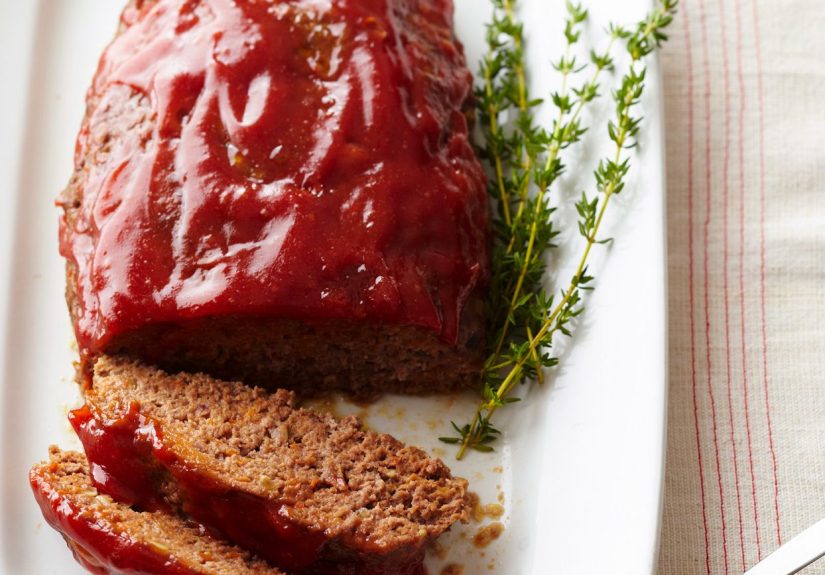
Meat loaf has a reputation problem. When it’s great, it’s cozy, sliceable comfort with crispy edges and a shiny glaze. When it’s bad… it’s basically a savory doorstop that makes you question every life choice that led you to owning a loaf pan.
The good news: moist, tender meat loaf isn’t luck. It’s a repeatable system. Once you understand why meat loaf dries out (and which tiny steps prevent it), you’ll get a juicy, flavorful loaf every timewhether you’re feeding picky kids, hungry grown-ups, or future-you who lives for a next-day meat-loaf sandwich.
Why Meat Loaf Turns Dry (and Sometimes Weirdly Tough)
Meat loaf is made from ground meat, which means you’re working with proteins that love to tighten up as they cook. Add too much heat, too much mixing, or not enough moisture, and those proteins squeeze out juices like they’re wringing a towel.
- Overcooking is the #1 culprit. Even a well-formulated mixture can’t survive a trip to 175°F without getting thirsty.
- Too-lean meat (hello, 90/10) leaves you with less fat to buffer dryness.
- Overmixing creates a tight, bouncy texturemore “meat brick” than “meat loaf.”
- Skipping a panade (bread + liquid) means less moisture retention and less tenderness.
So the goal is simple: build a mixture that holds onto moisture, then cook it gently and stop at the right temperature.
The Moisture Blueprint: 4 Levers That Never Fail
1) Choose the right meat (fat is your friend, not your enemy)
If you want reliably juicy meat loaf, start with ground meat that has some fatthink around 80/20 or 85/15. Leaner blends can work, but they need extra help (more panade, extra moisture-rich add-ins, and careful cooking).
For flavor and tenderness, many cooks like a blend of meats: beef for classic “meat loaf” flavor, pork for juiciness and richness, and (optionally) veal for tenderness. If you buy a “meatloaf mix,” you’re already in that neighborhood. If you prefer all-beef, pick a grind with about 15% fat so the loaf stays moist.
Quick rule: if your ground meat looks like it could star in a “low-fat” commercial, your meat loaf will probably need a support group.
2) Use a panade: the secret to tenderness
A panade is a mixture of starch (bread, crackers, panko, oats) plus liquid (usually milk, but broth or non-dairy milk can work). It’s not just fillerit’s texture insurance.
Here’s what the panade does:
- It adds moisture directly.
- As it cooks, starches gelatinize and hold water in a way meat proteins can’t.
- It creates tiny “buffers” in the meat mixture that keep proteins from bonding too tightlyso the loaf stays tender instead of rubbery.
Easy panade method: soak breadcrumbs or torn bread in milk for 5 minutes until it becomes a thick paste, then mix it in. That’s it. That’s the hack.
Panade options (pick your vibe):
- Panko + milk for a lighter, softer texture.
- Fresh bread + milk for classic tenderness.
- Crushed crackers + milk for old-school diner energy.
- Quick oats + broth for a hearty, less bready loaf.
3) Add moisture helpers (without making it mushy)
Moist meat loaf isn’t only about liquid; it’s about ingredients that release water slowly and add flavor:
- Onions (especially sautéed) add sweetness and moisture. Raw onions can stay sharp and watery; sautéing softens them and helps the loaf bake evenly.
- Mushrooms bring moisture plus deep umami without tasting “mushroomy” if finely chopped.
- Grated carrots or zucchini disappear into the mix and keep the crumb tender.
- Worcestershire, ketchup, tomato paste add savory depth and support a juicy textureespecially with a glaze.
Optional “chef trick”: if you’re working with very lean meat, try adding a small amount of unflavored gelatin (bloom it in a little broth, then stir it into the wet ingredients). Gelatin increases the mixture’s ability to hold onto moisture and keeps slices tendereven after reheating.
4) Don’t skip the glaze (it’s a moisture shield)
Glaze isn’t just for looks. A thick topping reduces surface drying, adds flavor, and gives you that sticky-sweet-savory finish people fight over. Ketchup-based glazes are classic, but you can level up with brown sugar, vinegar, mustard, or a little Worcestershire.
Mixing: How to Combine Everything Without Making a Meat Brick
Meat loaf is like a good handshake: firm enough to hold together, gentle enough not to scare anyone.
- Keep ingredients cold. Cold meat is easier to mix without smearing fat into a paste.
- Mix the wet stuff first. Combine panade, eggs, seasonings, sautéed aromatics, and sauces in a bowl before adding meat. This prevents overmixing while you chase “even distribution.”
- Use your hands, lightly. Fingers are better than a spoon at mixing without compressing. Stop as soon as everything looks evenly combined.
Pro tip: if you can bounce the raw mixture like a stress ball, you’ve mixed too much.
Shape & Bake: The Method That Keeps It Juicy
Loaf pan vs. free-form
A loaf pan is convenient, but it can trap grease and juices, effectively braising the loaf in its own liquid. That sounds dreamy until the texture turns a little… steamed-and-soggy.
For better browning and a more balanced texture, shape the meat mixture into a loaf on a rimmed baking sheet (or set it on a rack over a baking sheet). You’ll get more caramelization, less grease pooling, and a sturdier slice.
If you love the loaf pan shape, you can still improve results by lining it with parchment or foil and lifting the loaf out partway through baking, then finishing it free-form so it browns.
Oven temperature: steady heat beats chaos
Most classic recipes bake meat loaf around 350°F. Some cooks prefer 325°F for a gentler cook, which can help moisture retentionespecially with leaner meats. Either way, the real key is internal temperature, not the clock.
The thermometer rule (aka: stop guessing)
Because meat loaf is made from ground meat, food-safety guidance recommends cooking it to 160°F. The difference between 160°F and 175°F is the difference between “juicy dinner” and “please pass the ketchup… and a glass of water.”
Use an instant-read thermometer or a leave-in probe. Start checking early. If you want a little extra cushion against dryness, you can remove the loaf when it’s in the high 150s, then verify it reaches 160°F during the rest from carryover heat.
Foil: when to cover (and when not to)
If you’re using very lean meat (like turkey) or your loaf is small and cooking quickly, tenting with foil for part of the bake can prevent the surface from drying out before the center is done. Then uncover near the end so the glaze can caramelize and the top can brown.
A Foolproof “Moist & Tender” Meat Loaf Blueprint (2-Pound Loaf)
Ingredients
- 2 pounds ground meat (80/20 beef, or a beef/pork blend)
- 1 cup panko or breadcrumbs (or 2 slices soft bread, torn)
- 3/4 cup milk (or broth)
- 2 large eggs
- 1 medium onion, finely diced and sautéed until soft
- 2 cloves garlic, minced (optional)
- 2 tablespoons Worcestershire
- 1 tablespoon Dijon mustard (optional, but charming)
- 1/3 cup ketchup or chili sauce (inside the loaf)
- 1 to 1 1/2 teaspoons kosher salt, plus black pepper
- Optional moisture boosters: 1/2 cup finely chopped mushrooms or 1/2 cup grated carrot
- Optional: 1 teaspoon unflavored gelatin bloomed in 2 tablespoons broth (for extra-moist insurance)
Glaze
- 1/2 cup ketchup
- 2 tablespoons brown sugar (or honey)
- 1 tablespoon apple cider vinegar
- 1 teaspoon Worcestershire
Steps
- Make the panade: In a bowl, combine breadcrumbs and milk. Let stand 5 minutes until thick.
- Build flavor: Stir eggs, Worcestershire, mustard, ketchup, salt, pepper, sautéed onion, and any optional add-ins into the panade. (If using gelatin, stir it into this wet mixture.)
- Add the meat: Add ground meat and mix gently with your hands until just combined.
- Shape smart: Form into a loaf on a rimmed baking sheet (or on a rack set over a sheet). Don’t pack it down like you’re building a sandcastle.
- Bake: Bake at 350°F until the center reaches 160°F. Start checking around 45 minutes; total time is often 55–75 minutes depending on thickness.
- Glaze: Brush on glaze for the last 15–20 minutes. For extra shine, glaze twice.
- Rest: Rest 10–15 minutes before slicing. This is the difference between “perfect slices” and “meat loaf landslide.”
Troubleshooting: Quick Fixes for Common Meat Loaf Problems
“Mine is dry.”
- Next time: use a fattier blend, increase panade slightly, and stop at 160°F.
- Tonight: slice it thick, warm it in gravy or tomato sauce, and call it “planned.”
“It’s tough and dense.”
- Next time: mix less, mix gentler, and combine wet ingredients before adding meat.
- Avoid: mashing with a spoon until it looks like pâté.
“It falls apart.”
- Check binder: you likely need enough egg + panade to hold everything together.
- Let it rest: slicing too hot can cause crumbling.
“It’s greasy.”
- Shape free-form so fat can drain away.
- Use a beef/pork blend but avoid going too fatty (and don’t add extra oil).
“No flavor.”
- Salt matters. Under-salted meat loaf tastes like cafeteria regret.
- Add umami: Worcestershire, soy sauce, tomato paste, mushrooms, or a little parmesan.
Flavor Variations That Still Stay Moist
- BBQ Meat Loaf: Swap glaze for BBQ sauce + a splash of vinegar. Add smoked paprika.
- Italian-Style: Add parmesan, oregano, basil; glaze with marinara.
- Turkey Meat Loaf: Use panade + sautéed veggies, tent with foil early, and watch temperature like a hawk.
- Gluten-Free: Use crushed gluten-free crackers, oats, or rice cereal as the starch.
of “Real Kitchen” Experience (So You Don’t Learn the Hard Way)
Everyone has a “meat loaf incident.” Maybe you followed a recipe, did everything “right,” and still pulled a loaf from the oven that was somehow both dry and weirdly squishy. That’s not you failingit’s meat loaf being the kind of dish that teaches through mild emotional trauma.
Experience Lesson #1: Your oven’s dial is a liar. Two ovens set to 350°F can cook like completely different appliances. That’s why the thermometer becomes your best friend. The moment you stop cooking “for 60 minutes” and start cooking “to 160°F,” your results stop being a coin flip.
Experience Lesson #2: Panade feels wrong until it feels essential. The first time you mash bread and milk into a paste, your brain may whisper, “Are we making dinner or papier-mâché?” Then you bake the loaf, slice it, and suddenly you’re a panade evangelist texting friends like, “Do you have a minute to talk about our lord and savior, soggy bread?”
Experience Lesson #3: The onion situation is real. Raw onion in meat loaf can taste sharp and can release water pockets that steam the meat around it. Sautéing takes five extra minutes, but it trades harshness for sweetness and helps the loaf stay evenly moist. (Also: fewer onion burps. We all deserve peace.)
Experience Lesson #4: “More mixing” is not “more love.” When the mixture looks uneven, it’s tempting to keep going until everything is perfectly uniform. But every extra minute of mixing is protein networks forming and tightening. Aim for “even enough,” then stop. Slightly uneven is tender. Perfectly uniform is often tough.
Experience Lesson #5: Shape controls texture. A tall, tight loaf cooks slowly in the center but can overcook on the outside. A wider, gently shaped loaf cooks more evenly and gives you more caramelized edge bites. If your household argues about end pieces vs. middle slices, shape the loaf to increase the “edge ratio” and enjoy the temporary ceasefire.
Experience Lesson #6: Glaze timing matters. Put sugary glaze on too early and it can darken fast, pressuring you to pull the loaf before the center is done (or tempting you to cover it and steam it). Apply glaze near the end, then re-glaze for shine. It’s like lip gloss for dinneroptional, but it makes everything look like it has its life together.
Experience Lesson #7: Resting is not optional; it’s the final step. Slice immediately and juices run out, leaving you with dry slices and a puddle on the cutting board. Rest 10–15 minutes and the loaf firms up, juices redistribute, and slices hold their shape. This is also the perfect time to make mashed potatoes or pretend you cleaned the kitchen.
After a few rounds, you’ll notice a pattern: the best meat loaf isn’t about a secret ingredient as much as it’s about small choices that stack. A panade, a little fat, a gentle mix, a glaze at the right moment, and a thermometer that keeps you from overcooking. Do those, and “moist and tender every time” stops being a headline and becomes your new normalone cozy slice at a time.
Final takeaway: Meat loaf is forgiving, but it rewards the cook who stops treating it like a guessing game. Build moisture in, cook to temperature, and let it rest. Then enjoy dinnerand tomorrow’s sandwichlike the confident meat-loaf wizard you are.





 Close
Close