
Table of Contents >> Show >> Hide
- Why a Circle Skirt Is Such a Great Sewing Project
- What You Will Need
- How to Make a Circle Skirt in 13 Steps
- Step 1: Choose the Right Fabric
- Step 2: Decide on Your Finish Before You Measure
- Step 3: Take Your Measurements
- Step 4: Do the Circle Skirt Math
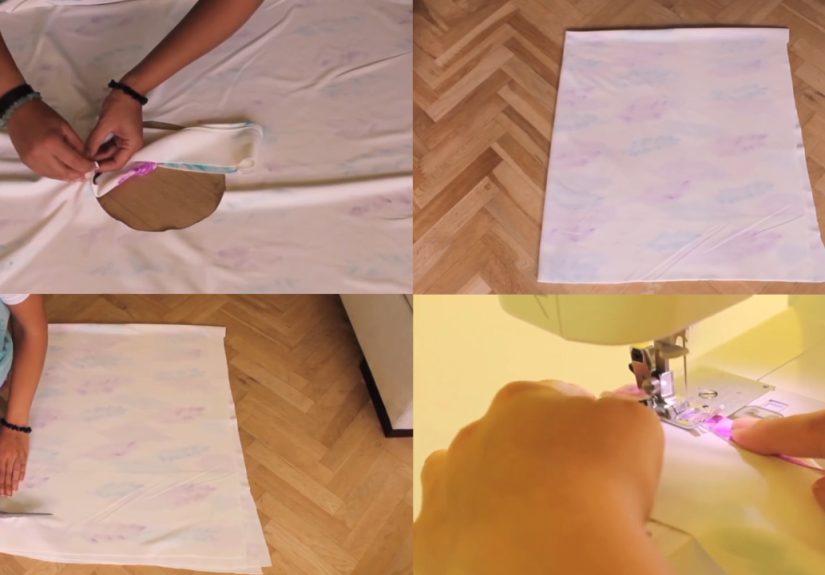
- Step 5: Fold and Prep the Fabric
- Step 6: Mark the Waist Curve
- Step 7: Mark the Hem and Cut the Skirt
- Step 8: Cut the Waistband
- Step 9: Sew the Skirt Seams
- Step 10: Install the Zipper
- Step 11: Attach the Waistband
- Step 12: Let the Skirt Hang Before Hemming
- Step 13: Hem, Press, and Finish Strong
- Helpful Tips for a Better Circle Skirt
- Common Circle Skirt Problems and Fixes
- on the Real Experience of Making a Circle Skirt
- The Final Word
A circle skirt is one of those magical sewing projects that looks far fancier than the math suggests. At its core, it is simply a skirt cut from a circle with a smaller circle removed for the waist. That sounds suspiciously like geometry class in disguise, but stay with me. Once you get the measurements right, the rest is mostly cutting, sewing, pressing, and resisting the urge to twirl before the hem is finished.
Better yet, this project works for beginners and experienced sewists alike. A simple cotton poplin version can be a quick weekend win, while a drapey satin or crepe version can look ready for a party, a holiday dinner, or a dramatic slow-motion walk through your kitchen while holding coffee like it is a film prop.
Note: This tutorial uses a classic woven full circle skirt with a waistband and side zipper as the main method because it gives a polished finish and teaches useful garment-sewing skills. Where it helps, I also mention a beginner-friendly elastic-waist variation.
Why a Circle Skirt Is Such a Great Sewing Project
The appeal of a circle skirt is simple: it has movement, volume, and a flattering drape without a lot of complicated fitting. Unlike more structured skirts, the fullness comes from the shape of the pattern itself, not from pleats, gathers, or darts doing all the heavy lifting. If you want a garment that feels playful but still polished, this is it.
It is also an excellent skill builder. You learn how to measure accurately, draft from your own body, cut curves, install a waistband, manage a zipper, and hem a bias-heavy edge. That is a lot of sewing mileage from one skirt. Think of it as the dessert that secretly teaches you algebra.
What You Will Need
- 2 to 4 yards of woven fabric, depending on your waist, skirt length, and fabric width
- Matching thread
- Measuring tape
- Fabric scissors or rotary cutter
- Chalk or washable fabric marker
- Pins or clips
- Sewing machine
- Iron and ironing board
- 7-inch zipper for a classic waistband version
- Hook-and-eye or hook-and-bar closure
- Waistband interfacing
- Optional: 1 1/2-inch elastic if you want an elastic-waist variation
How to Make a Circle Skirt in 13 Steps
Step 1: Choose the Right Fabric
Your fabric choice will affect everything: how easy the skirt is to sew, how much it swings, how fussy the hem becomes, and whether you feel like a sewing genius or a person negotiating with a slippery tablecloth. If this is your first circle skirt, choose a stable woven fabric such as cotton poplin, broadcloth, sateen, light denim, gingham, or shirting. These fabrics are easier to mark, cut, and sew.
If you want a softer, swishier result, rayon challis, crepe, or satin can look gorgeous, but they stretch more on the bias and can shift around while cutting. Gorgeous, yes. Cooperative, not always. Also prewash your fabric the same way you plan to wash the finished skirt. No one enjoys sewing a perfect skirt only to have it shrink into a tragic doll garment later.
Step 2: Decide on Your Finish Before You Measure
Before you touch the tape measure, decide whether your skirt will have a fitted waistband with a zipper or a pull-on elastic waist. This matters because the waist opening changes depending on how you plan to get into the skirt.
If you are making the classic version in this tutorial, measure your actual waist where you want the skirt to sit. If you want a pull-on version without a zipper, the opening has to fit over your hips, so you will use your hip or high-hip measurement instead of your exact waist for the opening. In other words, your skirt must allow entry to the party.
Step 3: Take Your Measurements
You need three key measurements:
- Waist: Measure around the exact place where the waistband will sit.
- Hip or high hip: Only necessary if you plan to make a pull-on or elastic-waist version.
- Finished length: Measure from your waist down to where you want the hem to fall.
Write the numbers down. Trusting your memory while also handling scissors is optimistic in a way I do not recommend. If you plan to wear the skirt with a specific pair of shoes, measure while wearing those shoes, especially for midi or maxi lengths.
Step 4: Do the Circle Skirt Math
Here comes the famous part: the radius. For a full circle skirt with a zipper and waistband, use this formula:
Waist radius = waist measurement ÷ 6.28
That number tells you how far from the folded corner to mark the waist curve. For example, if your waist is 28 inches, the radius is:
28 ÷ 6.28 = 4.46 inches
Round to something you can measure accurately, such as 4 1/2 inches. Then add your skirt length to that radius to get the outer cutting line. If your skirt length is 24 inches, your outer radius becomes about 28 1/2 inches. Add seam allowance and hem allowance if they are not already included in your plan.
If your fabric is not wide enough for a full circle cut on folds, do not panic. Cut two half circles or multiple panels instead. Circle skirts are dramatic, not delicate.
Step 5: Fold and Prep the Fabric
For many full-circle cuts, the easiest method is to fold the fabric in half and then in half again, creating four layers. Make sure the fabric is squared and lying flat. Crooked folds create crooked results, and crooked results create the kind of silence that settles over a sewing table right before someone says, “Well, that is unfortunate.”
If your fabric width will not allow the skirt length plus waist radius, cut the skirt as two half circles instead. That gives you more flexibility and often makes layout easier on narrower fabric.
Step 6: Mark the Waist Curve
From the folded corner, measure out your waist radius at several points and mark them with chalk. Connect the marks into a smooth curve. You can use a tape measure like a flexible compass, or tie chalk to a string if you enjoy feeling like a practical wizard.
Double-check the curve before cutting. If you are using a fitted waistband and zipper, accuracy matters here. A too-small opening means tears. A too-large opening means creative problem solving, and not the fun kind.
Step 7: Mark the Hem and Cut the Skirt
Now measure from the waist curve down to your total skirt length plus hem allowance. Mark this distance all the way around, then connect the dots into the outer circle. Cut the hem curve first or the waist first, whichever feels easier, then cut the remaining curve. If you are working with two half circles, repeat the process for both pieces.
Keep your scissors smooth and steady. Jagged cutting may not ruin the project, but it makes a later hem less pleasant. Think calm thoughts. This is not a race.
Step 8: Cut the Waistband
For a classic waistband, cut one long rectangle from your fabric and one matching piece of interfacing. A simple formula is:
Waistband length = waist measurement + seam allowance + overlap for closure
Waistband width = twice the finished waistband width + seam allowances
For example, if you want a finished waistband that is 1 1/2 inches wide, cut the band about 4 inches wide, depending on your seam allowance. Fuse interfacing to one side of the waistband so it holds its shape and does not collapse like a disappointed paper hat.
If you prefer the elastic-waist version, you can skip the structured waistband and finish the top edge with elastic attached directly to the opening, or build a casing. That version is fast, comfy, and excellent for casual skirts.
Step 9: Sew the Skirt Seams
If you cut the skirt as two half circles, sew one side seam completely. On the second side seam, stitch only below the zipper opening and leave the top portion open. Finish the raw edges with a serger, zigzag stitch, or another seam finish you like.
If your fabric is lightweight or slightly sheer, French seams can be lovely. They create a neat finish inside the skirt and make the whole project feel unexpectedly expensive. If your fabric is bulky, though, keep things simple and use a standard finished seam.
Step 10: Install the Zipper
Insert your zipper into the open side seam or center back seam, depending on your design. An invisible zipper gives a polished look, but a regular zipper works too. Once the zipper is installed, close the rest of the seam beneath it and press everything flat.
This is the step where beginners often assume they are doing terribly. That is normal. Zippers are a little like parallel parking: annoying while you learn, oddly satisfying once you figure them out, and a skill you brag about forever after.
If you are going the elastic route, this is where you would join the elastic into a loop, divide both elastic and skirt opening into quarters, pin those points together, stretch the elastic as you sew, and attach it with a zigzag stitch.
Step 11: Attach the Waistband
With right sides together, pin the outer waistband to the skirt waist and stitch. Press the seam allowance up into the waistband. Fold the waistband in half lengthwise, press, tuck the inner raw edge under, and pin it in place on the inside of the skirt.
You can stitch in the ditch from the right side for an invisible finish, or topstitch around the waistband if you do not mind a visible seam. Add your hook-and-eye at the top of the zipper. Congratulations: it officially looks like a real garment now, not just a giant fabric donut with ambitions.
Step 12: Let the Skirt Hang Before Hemming
This step is non-negotiable if you want a neat hem. A circle skirt includes sections cut on the bias, and those areas stretch differently than the on-grain sections. Hang the skirt for at least 24 hours so gravity can do its dramatic little performance.
After it hangs, put it on a dress form, a hanger, or your actual body with help from a friend. Mark the hem level all the way around, then trim any areas that have dropped. This may feel deeply unfair after all your careful measuring, but it is normal. Fabric has opinions.
Step 13: Hem, Press, and Finish Strong
Use a narrow hem for the smoothest finish on a curve. A tiny double-fold hem works well on many fabrics. Press up a small amount, then fold again and stitch slowly. On drapey or formal fabrics, you can use bias binding, a baby hem, or even horsehair braid for extra structure and drama.
Give the finished skirt a final press, clip loose threads, and try it on. Walk around. Sit down. Twirl once for quality control. That is not vanity; that is research.
Helpful Tips for a Better Circle Skirt
Use stable fabric for your first try
Stable woven fabric gives you cleaner marks, easier seams, and less hem drama. Save the slippery satin for round two when your confidence is higher and your coffee is stronger.
Check fabric width before buying
Yardage for circle skirts depends heavily on fabric width and skirt length. A short skirt in wide fabric may fit beautifully from one layout, while a longer skirt may require piecing. Always sketch your layout or test the math before cutting.
Do not skip pressing
Press after every major step: seams, zipper, waistband, and hem. Pressing is the quiet overachiever of sewing. It is not flashy, but it does a shocking amount of work.
Consider a lining or slip
If your fabric is sheer, clingy, or prone to static, add a lining or wear a slip. A lining also makes the skirt more comfortable and helps it move better, especially with lightweight fabrics.
Common Circle Skirt Problems and Fixes
- The waist is too tight: Recheck the radius math and seam allowance. For pull-on versions, make sure the opening clears the hips.
- The waist is too loose: You may have stretched the opening while sewing, or cut too generously. A waistband can sometimes rescue this beautifully.
- The hem is uneven: Let the skirt hang longer, then level it again before hemming.
- The zipper waves: Press first, sew more slowly, and stabilize the seam allowance if needed.
- The skirt feels bulky at the waist: Trim, grade, and press the seam allowances, and avoid overly thick fabric for the waistband.
on the Real Experience of Making a Circle Skirt
Making a circle skirt for the first time is one of those sewing experiences that starts with confidence, briefly detours into suspicion, and ends in delight. At the beginning, the project looks almost too simple. You take a couple of measurements, do a little math, and think, “That cannot possibly be all.” Then you spread out a startling amount of fabric on the floor and realize, yes, this skirt is basically a geometry problem with excellent branding.
One of the most relatable experiences in this project is the moment you draw the waist curve. It feels strangely powerful. You are not tracing a store-bought pattern. You are drafting directly for your body. That is a small but meaningful shift. Instead of trying to fit yourself into a standard size, you are making the garment fit you. That feeling alone is worth the price of the fabric.
Then comes the cutting, which is either calming or mildly chaotic depending on the day, the fabric, and whether your cat has decided the skirt is now a community project. With a stable cotton, the process feels almost elegant. With a slippery fabric, it feels like the fabric is actively pursuing its own agenda. Both experiences are valid. Both are part of sewing.
The zipper stage is where many people question their life choices. Even sewists who happily tackle sleeves and collars can become suddenly philosophical in front of a zipper. But there is something useful about that frustration. You learn precision. You learn patience. You learn that ripping out six inches of stitching is not a moral failure. It is just Tuesday.
The most humbling experience, however, is the hanging hem. You measure carefully. You cut carefully. You even feel a little smug. Then the skirt hangs overnight and suddenly one section is longer than the rest, as if the fabric stayed up late making decisions without you. This is the moment when many beginners learn an important truth: sewing is not just about controlling fabric. It is also about respecting how fabric behaves. The best results come when you stop fighting the material and start working with it.
And then there is the first try-on. This is where the whole project changes from flat pieces on a table into something alive. A circle skirt moves differently from many other garments. It swings when you walk. It turns with you. It feels playful in a way that is hard to fake. Even a simple version in plain cotton can feel special because the silhouette does so much of the work.
Many people who make one circle skirt end up making another almost immediately. The first one teaches you the method. The second one lets you enjoy it. By the third, you are experimenting with pockets, linings, trims, horsehair braid, or prints bold enough to be seen from space. That is part of the charm. A circle skirt is not just one project. It is often the beginning of a whole category of sewing confidence.
So yes, the experience includes math, pressing, trimming, and at least one moment of dramatic sighing. But it also includes pride, movement, and the deeply satisfying realization that you made something genuinely wearable with your own two hands. That is a pretty terrific trade.
The Final Word
If you want a sewing project that is practical, flattering, customizable, and just plain fun, a circle skirt earns its reputation. It can be casual or dressy, simple or dramatic, beginner-friendly or skill-building depending on your fabric and finish. Once you understand the measurements and respect the hem, the process becomes surprisingly approachable.
Start with a stable woven fabric, take your time with the math, let the skirt hang before hemming, and do not rush the pressing. The result is a garment that feels lively and personal. Plus, when someone says, “You made that?” you get to say yes in the calm voice of a person who has conquered both sewing and circles.







 Close
Close