
Table of Contents >> Show >> Hide
- What Bad Posture Really Means
- Why Posture Matters More Than People Think
- The Biggest Posture Myth: There Is No Magical Perfect Position
- Step 1: Improve Your Daily Setup Before Blaming Your Spine
- Step 2: Train the Muscles That Support Better Posture
- Step 3: Build Tiny Habits That Actually Stick
- Do Sleep and Recovery Affect Posture? Absolutely.
- Mistakes That Secretly Make Posture Worse
- A Practical 15-Minute Daily Routine for Better Posture
- When to See a Professional About Bad Posture
- Conclusion
- Experiences Related to “How to Improve Bad Posture”
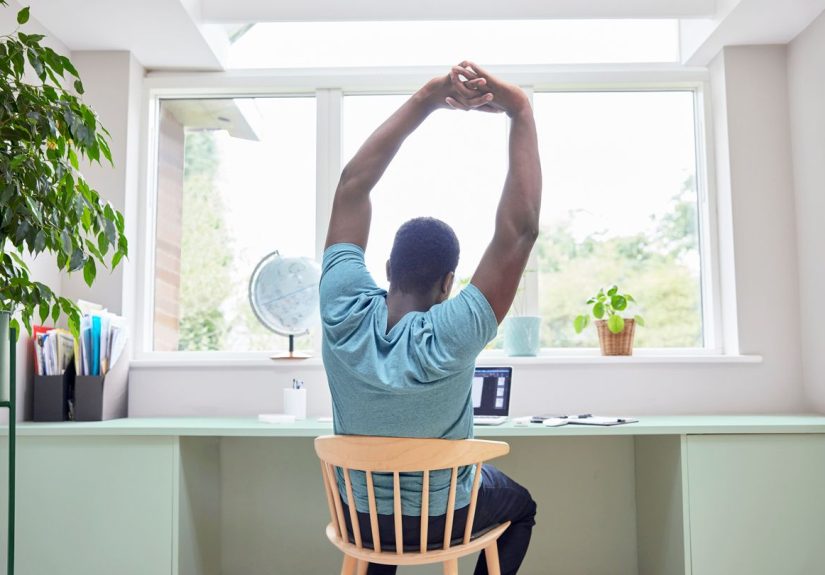
Bad posture has a sneaky way of showing up like an uninvited guest. First, it is a stiff neck. Then it is tight shoulders. Then suddenly you are standing in front of the microwave at midnight wondering why your back feels like it aged 40 years during one workday. The good news is that posture is not a life sentence. In many cases, it can improve with smarter daily habits, a better setup, and a little muscle training that does not require you to become a yoga monk by Friday.
If you want to improve bad posture, forget the fantasy of walking around perfectly straight like a royal guard. Real posture improvement is less about looking “perfect” and more about helping your body stay aligned, comfortable, and strong during everyday life. That means learning how to sit, stand, walk, work, lift, scroll, and rest in ways that do not constantly irritate your neck, shoulders, spine, and hips.
This guide breaks down what bad posture really is, why it happens, what you can do about it, and how to build a daily routine that helps you stand taller without acting like your ribs are auditioning for a superhero movie.
What Bad Posture Really Means
Bad posture is not just “slouching.” It is any position you hold repeatedly that puts extra stress on your muscles, joints, and spine. Sometimes that looks like rounded shoulders. Sometimes it is a forward head position from staring at a phone. Sometimes it is a dramatic lower-back arch while standing. And sometimes it is not one position at all. It is simply staying frozen too long.
Common posture problems include:
- Forward head posture, where your head drifts in front of your shoulders
- Rounded shoulders, often paired with a tight chest and weak upper back
- Slumped sitting, where your low back collapses and your upper body caves forward
- Overarched standing posture, where the ribs flare and the pelvis tips forward
- One-sided habits, like always carrying a bag on one shoulder or leaning onto one hip
In plain English, posture problems usually happen when your body keeps repeating the same position until certain muscles get tight, others get weak, and your nervous system starts treating that arrangement like the default setting.
Why Posture Matters More Than People Think
Posture is not only about appearance. It can affect comfort, movement, energy, and how well you get through your day without feeling like a pretzel. Poor posture can contribute to neck pain, back pain, shoulder tension, headaches, reduced flexibility, and less efficient movement. It may also affect balance, breathing mechanics, and even make long stretches of sitting feel much worse than they need to.
That said, posture is not the sole villain in every ache and pain story. Some people have less-than-ideal posture and feel fine. Others have “good” posture and still hurt. Usually, discomfort comes from a combination of factors: too much sitting, too little movement, weak supporting muscles, repetitive work, poor ergonomics, stress, sleep position, and sometimes an underlying medical issue. So if you are trying to improve posture, the goal is not blame. The goal is function.
The Biggest Posture Myth: There Is No Magical Perfect Position
Here is the posture truth bomb: the best posture is often your next posture. Your body likes movement. Even a well-set-up desk becomes a problem if you stay glued to it for hours like a decorative office statue.
That is why posture improvement should focus on three things:
- Alignment so your body is not constantly fighting itself
- Strength and mobility so good positions are easier to hold
- Frequent movement so no single posture turns into a full-time job
If you remember only one sentence from this article, let it be this: you do not need a perfect posture pose; you need a body that changes positions often and handles them well.
Step 1: Improve Your Daily Setup Before Blaming Your Spine
If your workstation is a laptop on a low table, your phone is permanently attached to your chin, and your chair feels like a bean bag with paperwork, posture exercises alone are not going to save the day. Your environment matters.
How to Sit Better at a Desk
- Keep your feet flat on the floor or on a footrest.
- Let your knees and hips rest comfortably without feeling cramped.
- Use a chair or support that helps maintain the natural curve of your lower back.
- Keep your shoulders relaxed, not shrugged toward your ears.
- Place your elbows near your body and your forearms in a comfortable working position.
- Raise your screen to eye level so your neck is not constantly bending down.
- Sit close enough to your keyboard and mouse that you are not reaching forward all day.
A slightly reclined position can actually be more comfortable than trying to sit bolt upright like a cardboard cutout. The goal is supported, neutral, and sustainable, not stiff.
How to Fix the Laptop Problem
Laptops are convenient, but they are posture troublemakers. The screen is too low, the keyboard is attached, and your body usually pays the price. If you use a laptop for long periods, raise the screen with books or a stand and use an external keyboard and mouse when possible. Tiny change, surprisingly big payoff.
How to Use Your Phone Without Turning Into a Human Question Mark
Phone posture deserves its own intervention. When you look down for long stretches, your neck and shoulders do extra work. Instead of dropping your head to your phone, bring the phone up closer to eye level. No, it is not dramatic. Yes, it does help. Also, stop doom-scrolling in a curled-up heap for an hour and then wondering why your upper back is filing a complaint.
How to Stand Better
Good standing posture is not chest out, stomach sucked in, and glutes clenched like you are trying to crack a walnut. It is much simpler:
- Keep your ears roughly over your shoulders
- Let your shoulders rest back and down without forcing them
- Keep your ribs stacked over your pelvis
- Balance your weight evenly through both feet
- Unlock your knees instead of locking them stiff
If you use a sit-stand desk, alternate positions instead of assuming standing all day is automatically superior. Too much standing can annoy your back and legs just as surely as too much sitting.
Step 2: Train the Muscles That Support Better Posture
Posture is not only a habit. It is also a strength and endurance issue. If your chest is tight, your upper back is weak, your deep core is asleep on the job, and your glutes are on permanent vacation, staying aligned feels exhausting. That is why improving bad posture usually works best when you combine ergonomic changes with targeted movement.
1. Wall Posture Check
Stand with your back against a wall. Try to have your head, shoulder blades, hips, and the backs of your legs lightly touch the wall. Do not flatten yourself aggressively. Just use the wall to feel a more neutral position. Stay there for 20 to 30 seconds and breathe normally.
This is not glamorous, but it teaches your body what “stacked” alignment feels like.
2. Chin Tucks
If your head tends to drift forward, chin tucks are one of the most useful resets. Sit or stand tall and gently draw your chin straight back, as if you are making a subtle double chin. Sexy? Not especially. Effective? Very often, yes.
Hold for a few seconds and repeat 8 to 10 times. Keep your eyes level instead of tipping your head up or down.
3. Wall Angels
Stand against a wall and slowly slide your arms upward and downward while keeping your posture steady. Wall angels can help open the chest and train the upper back and shoulders to work together. Move slowly. If your mobility is limited, do a smaller range rather than twisting into a dramatic shape that belongs in a modern dance performance.
4. Doorway Chest Stretch
Place your forearms on the sides of a doorway and gently lean forward until you feel a stretch across your chest. This helps counter the rounded-shoulder position so common with desk work, studying, driving, and endless device use.
5. Shoulder Blade Squeeze
Sit tall and gently draw your shoulder blades back and slightly down. Hold for a few seconds, then relax. This exercise strengthens the muscles of the upper back that help support your shoulders and chest.
6. Bridge Exercise
Lie on your back with knees bent and feet flat. Tighten your core and glutes, then lift your hips until your body forms a line from shoulders to knees. Bridges help strengthen the glutes and trunk, both of which matter more for posture than many people realize.
7. Cat-Cow or Controlled Spinal Mobility
On hands and knees, slowly round and then gently extend your spine through a comfortable range. This can help improve body awareness and relieve stiffness after long bouts of sitting.
Important: posture exercises should feel like effort, stretching, or mild muscle work, not sharp pain, tingling, or numbness. If an exercise worsens symptoms, stop and get advice from a qualified healthcare professional.
Step 3: Build Tiny Habits That Actually Stick
You can do the best posture exercises in the world, but if you spend the next 11 hours folded over a screen like a pocketknife, progress will be slow. Daily habits matter. Thankfully, they do not need to be complicated.
Simple Habits That Help Improve Bad Posture
- Move every 30 to 60 minutes. Stand up, stretch, walk, or simply change position.
- Use a reminder. A timer is not cheating. It is strategy.
- Walk during calls. Your spine enjoys meetings more when they involve movement.
- Switch sides. If you carry a bag, alternate shoulders or use a backpack.
- Lift with control. Keep objects close to your body and avoid twisting while lifting.
- Strength train regularly. Back, core, hip, and leg strength all help support posture.
- Choose supportive shoes. Footwear affects how you stand and move.
- Change your scrolling habits. Bring screens up instead of dropping your head down.
If you work at a desk, think of your day as a cycle of positions rather than one long sit. Sit, stand, walk, reset, stretch, repeat. That is how real-world posture gets better.
Do Sleep and Recovery Affect Posture? Absolutely.
Posture does not clock out at bedtime. The way you sleep can affect how your neck and back feel in the morning. Use a pillow that keeps your neck in a comfortable, neutral position rather than bent too far up or down. If sleeping on your back, some people feel better with a pillow under the knees. Side sleepers often do well with a pillow between the knees to reduce strain through the hips and low back.
Also, do not underestimate the role of recovery. Stressed, tired muscles are not famous for elegant alignment. If your days are packed with sitting, training, commuting, and stress, your body may feel stiff even if your posture game is improving. Recovery is part of posture care, not a bonus feature.
Mistakes That Secretly Make Posture Worse
- Overcorrecting all day: forcing yourself rigid usually creates tension, not better alignment.
- Only stretching tight muscles: mobility helps, but weak muscles often need strengthening too.
- Buying gadgets before changing habits: braces, chairs, and posture reminders cannot replace movement and training.
- Ignoring your lower body: weak glutes, hips, and legs can influence how you stand and walk.
- Expecting overnight results: posture patterns develop over time, and they usually improve over time too.
A Practical 15-Minute Daily Routine for Better Posture
If you want something simple, try this:
- 1 minute: wall posture check and breathing
- 2 minutes: chin tucks
- 2 minutes: doorway chest stretch
- 3 minutes: wall angels
- 3 minutes: shoulder blade squeezes and band pulls if you have a band
- 4 minutes: bridges and controlled cat-cow mobility
Do that most days, then pair it with a better desk setup and hourly movement breaks. That combination is often far more effective than chasing one miracle fix.
When to See a Professional About Bad Posture
Sometimes posture-related discomfort is exactly that: a habit-and-muscle problem that improves with self-care. But sometimes it is more than posture.
Get medical advice if you have:
- Pain that persists for weeks despite self-care
- Pain that radiates into your arms or legs
- Numbness, tingling, or weakness
- Symptoms after a fall, collision, or other injury
- Loss of bowel or bladder control
- Balance problems, worsening headaches, or severe symptoms
A physical therapist can be especially helpful if you know your posture is part of the problem but you are not sure which exercises, stretches, or ergonomic changes fit your body. Personalized guidance often saves time, frustration, and several rounds of internet guesswork.
Conclusion
If you want to improve bad posture, think less about “sitting up straight” and more about creating a body that can move, support itself, and recover well. Start with your environment. Train your upper back, core, hips, and glutes. Stretch what is tight. Break up long periods of sitting. Use your phone and laptop more intelligently. Most of all, stop expecting posture to change through guilt alone. Your body responds much better to consistency than lectures.
Better posture is usually built in ordinary moments: raising your screen, taking a walk between tasks, doing a few chin tucks, choosing strength over stiffness, and remembering that the goal is not to look robotic. The goal is to feel better in your own body. That is a much better deal.
Experiences Related to “How to Improve Bad Posture”
In real life, improving posture rarely feels dramatic at first. Most people do not wake up one morning, do three wall angels, and suddenly glide through the kitchen like a ballet instructor. It usually starts with a small annoyance. A remote worker notices that every afternoon comes with tight shoulders and a headache parked right behind the eyes. A student realizes that hours of laptop work leave the neck feeling stiff enough to negotiate its own union contract. A parent notices that feeding, lifting, carrying, and scrolling have all teamed up to pull the body forward.
One of the most common experiences is discovering that the desk setup was quietly sabotaging everything. People often assume they need more stretching, when what they really need is for the screen to stop living six inches below eye level. The moment they stack the laptop on books, use a separate keyboard, and start getting up every half hour, the body often feels less irritated within days. Not “perfect,” but noticeably less cranky. That early win matters because it proves posture can improve without a total life overhaul.
Another common experience is realizing that posture correction is more about endurance than effort. At first, someone tries to “sit straight” all day and lasts about seven minutes before turning into a tense board. Then they learn to relax the ribs, let the shoulders settle, lightly engage the core, and shift positions often. Suddenly, better posture feels less like punishment and more like support. That is a huge mindset change. People stop trying to force a pose and start building a habit.
Exercise experiences are usually humbling in the best way. Chin tucks look easy until someone realizes the head has been drifting forward like a curious turtle for years. Bridges seem simple until the glutes reveal they have not been doing their fair share. Wall angels are especially good at exposing tight chests and stubborn shoulders. But after a few weeks of doing these movements consistently, people often notice that standing tall feels less foreign. The body starts recognizing better alignment as familiar instead of weird.
There is also the psychological side. Improving bad posture can make people feel more awake, more confident, and less “collapsed” by the end of the day. They may still have busy schedules, stressful jobs, and phones that keep trying to drag their face toward the floor, but they feel more in control. They know how to reset. They know which stretches calm the chest and neck. They know that a short walk, a better chair position, or five minutes of targeted movement can stop a rough day from turning into a miserable evening.
Perhaps the most honest experience of all is this: progress is usually uneven. Some days your posture is great. Some days you fold over your screen like a shrimp with Wi-Fi. That does not mean you failed. It means you are human. The people who improve posture long term are not the ones who are perfect. They are the ones who keep returning to the basics, keep adjusting their environment, and keep moving their bodies in ways that support strength, mobility, and comfort. In the end, that steady approach is what really changes how you sit, stand, and feel.






 Close
Close