
Table of Contents >> Show >> Hide
- What Are Cracked Heels (And Why Do They Happen)?
- Quick Self-Check: When Cracked Heels Need Medical Care
- The 7-Day Cracked-Heel Rescue Plan
- Day 1–7: Do this daily
- 1) Wash gently (warm, not hot)
- 2) Soften callus buildupthen exfoliate lightly
- 3) Apply a keratolytic moisturizer (the “workhorse” step)
- 4) Seal it in overnight (your “sock spa”)
- 5) Protect your heels during the day
- 6) “Close the gap” for painful fissures
- 7) If fungus might be involved, treat that too
- Ingredient Cheat Sheet: What Actually Helps Cracked Heels
- A Simple Weekly Maintenance Routine (So You Don’t Repeat This Saga)
- FAQs: Real Questions People Ask (Usually While Putting on Socks)
- Conclusion: Heal Now, Maintain Forever (Or at Least Until Next Winter)
- Experiences: The “Cracked Heel” Moments People Actually Live Through (And How They Bounce Back)
Cracked heels are the ultimate “how is this my life right now?” problem. One day you’re minding your business,
the next day your heels feel like they’ve been auditioning for a role as desert terrain in a nature documentary.
The good news: most cracked heels (also called heel fissures) can improve a lot with the right routine.
The better news: you don’t need a chemistry degreejust consistency, the right moisturizer, and a little patience.
This guide walks you through what causes dry, cracked heels, how to heal them at home, what products and ingredients
actually help, and when it’s time to call in a professional. (Because sometimes self-care means letting someone else
deal with the rough stuffliterally.)
Note: This article is for general information and does not replace medical advice. If you have diabetes, poor circulation, nerve damage, or signs of infection, seek medical care promptly.
What Are Cracked Heels (And Why Do They Happen)?
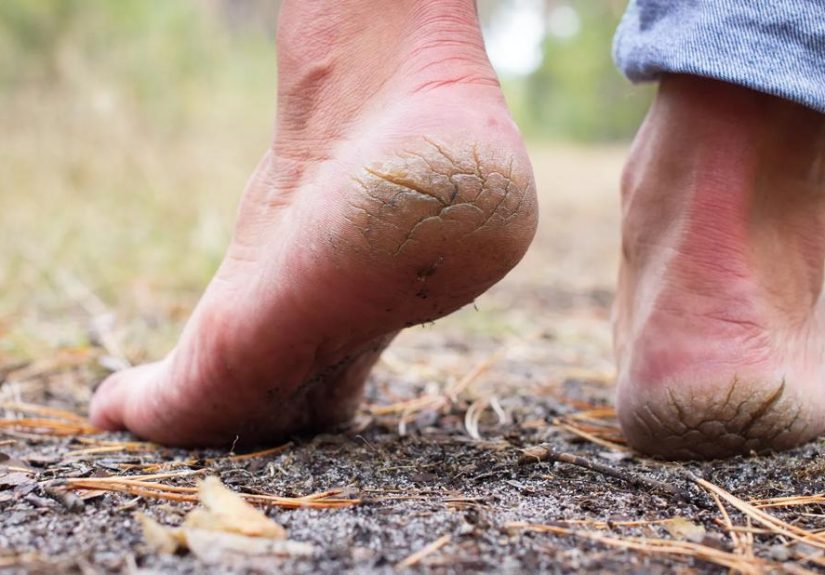
Cracked heels usually start with dry skin and thickened calluses around the heel rim.
The heel takes a lot of pressure when you walk and stand. When the outer skin layer gets dry and stiff, it can’t flex
wellso it splits. Those splits are the fissures you see (and definitely feel).
Common causes of heel cracks
- Dry air and hot showers (winter heating, long steamy showers, harsh soapsyour skin’s enemies).
- Open-back shoes (sandals and flip-flops let the heel pad spread outward, increasing cracking).
- Standing a lot (work shifts, caregiving, long days on hard floors).
- Callus buildup from friction and pressure.
- Skin conditions like eczema or psoriasis.
- Fungal issues (athlete’s foot can cause scaling and cracking, sometimes on the sole/heel).
- Health factors like diabetes, which can contribute to dry skin and raise infection risk.
- Age (skin barrier changes over time; heels can dry out faster).
Quick Self-Check: When Cracked Heels Need Medical Care
Most heel fissures are annoying-but-manageable. But some situations deserve professional help sooner rather than later.
If any of the following are true, don’t “power through”:
- Deep cracks that bleed, ooze, or won’t close.
- Redness, warmth, swelling, or increasing pain (possible infection).
- Pus, bad odor, or a crust that keeps returning.
- Diabetes, neuropathy, poor circulation, or immune suppression.
- Numbness in your feet or you can’t feel injuries well.
- No improvement after 1–2 weeks of consistent home care.
If you’re in a higher-risk group (especially diabetes), the goal is prevention plus early treatmentbecause small
skin breaks can become bigger problems faster than you’d like.
The 7-Day Cracked-Heel Rescue Plan
Healing cracked heels is less about one magical product and more about a repeatable routine.
Think of it like training a houseplant to thrive: water, protect, repeat. (Except the plant is your foot.)
Day 1–7: Do this daily
1) Wash gently (warm, not hot)
Use warm water and a mild cleanser. Hot water can strip oils and worsen dryness. After washing, pat your feet dry
especially between the toes. (Moisture trapped between toes can encourage fungal and bacterial problems.)
If you have diabetes: avoid soaking your feet as a routine. Follow your clinician’s guidance and keep
washing quick and gentle.
2) Soften callus buildupthen exfoliate lightly
If your heels are thick and rough, gentle exfoliation helps moisturizers penetrate. The key word is
gentle. You’re not sanding a deck.
- After washing (or a brief warm rinse), use a pumice stone or foot file with light pressure.
- Stop if it hurts. Pain is not the sound of progress; it’s your skin filing a complaint.
- Avoid razors or cutting tools at hometoo easy to overdo it and cause wounds.
3) Apply a keratolytic moisturizer (the “workhorse” step)
For cracked heels, thin lotions usually don’t cut it. Look for thick creams with ingredients that both hydrate and
soften hardened skin:
- Urea (10–25%) – hydrates and helps break down thick, rough skin.
- Alpha hydroxy acids (like lactic acid or glycolic acid) – help smooth flaky, thick areas.
- Salicylic acid – can help loosen dead skin (use carefully if sensitive).
Apply after bathing while skin is slightly damp. If your heels are very sensitive, start every other night and build
up. If the cream stings a lot, back off and choose a gentler formula (or use plain petrolatum until the cracks calm down).
4) Seal it in overnight (your “sock spa”)
Before bed, apply a generous layer of thick moisturizer or petroleum jelly, then wear clean cotton socks.
This reduces moisture loss overnight and gives the product hours to work without rubbing off on everything you own.
Pro tip: keep “heel socks” by the bed. You’ll be more consistent if you don’t have to hunt down a matching pair in the dark.
5) Protect your heels during the day
Cracked heels heal faster when you reduce pressure and friction.
- Wear supportive shoes with a closed heel or heel strap when possible.
- Try cushioned socks (and avoid seams that rub).
- If you love sandals, choose pairs with support and avoid overly flat flip-flops during healing week.
6) “Close the gap” for painful fissures
If you have a small, painful crack that keeps reopening, a liquid bandage/skin protectant can help
seal it and reduce pain while it heals. This is best for clean, dry skin without signs of infection.
- Clean and dry the heel.
- Apply a thin layer of liquid bandage to the fissure.
- Let it dry fully before putting on socks/shoes.
If the fissure is deep, bleeding, or you suspect infection, skip DIY sealing and get medical advice.
7) If fungus might be involved, treat that too
Sometimes the “dry heel” is not just dryness. If you also have itching, scaling, peeling, or the problem extends
across the sole (“moccasin” pattern), athlete’s foot may be part of the picture. In that case, moisturizing alone won’t
fix ityou need antifungal treatment and moisture control.
- Keep feet dry; change socks if sweaty.
- Use breathable shoes and rotate pairs.
- Consider an OTC antifungal as directed; seek care if it doesn’t improve.
Ingredient Cheat Sheet: What Actually Helps Cracked Heels
If product labels feel like a trivia game you didn’t sign up for, here’s what matters most:
Best ingredients for healing
- Urea (10–25%): hydrates + softens thick skin (great for callused heels).
- Lactic acid / glycolic acid (AHAs): smooth and help shed rough layers gradually.
- Salicylic acid: exfoliates; helpful for thick callus, but can irritate sensitive cracks.
- Petrolatum (petroleum jelly): seals moisture in; excellent for overnight protection.
- Glycerin: humectant that attracts water into skin.
- Ceramides: support the skin barrier for long-term dryness control.
What to avoid (at least during healing week)
- Harsh scrubs and aggressive foot files (micro-tears slow healing).
- Cutting calluses at home (high risk of injury/infection).
- Fragranced products if you’re sensitivefragrance can irritate compromised skin.
- Very hot water and long soaks (dryness rebound is real).
A Simple Weekly Maintenance Routine (So You Don’t Repeat This Saga)
Once your heels improve, maintenance is how you keep them that way. The goal is soft, flexible skinnot “perfect,”
just comfortable and crack-resistant.
2–3 times per week
- After a shower, lightly use a pumice stone on thick areas (no pain, no drama).
- Apply a urea/AHA cream if you tend to build calluses.
Daily
- Moisturize after bathing, especially in winter.
- Wear supportive shoes if you stand a lot.
- Keep feet dry between toes and change sweaty socks.
If you have diabetes or reduced sensation
- Inspect your feet daily for cuts, cracks, redness, or blisters.
- Moisturize tops and bottoms of feetbut avoid lotion between toes.
- Don’t attempt home removal of corns/calluses; get professional foot care guidance.
FAQs: Real Questions People Ask (Usually While Putting on Socks)
How long does it take to heal cracked heels?
Mild cracking can improve within a week of consistent care. Deeper fissures or very thick callus buildup can take
a few weeks. If you’re not seeing progress after 1–2 weeksor pain is increasingget checked.
Should I soak my feet every day?
A short warm rinse or brief soak can soften skin before gentle exfoliation, but long daily soaking can backfire by
drying skin afterward. If you have diabetes, routine soaking is generally not recommendedfollow medical guidance.
Do “foot peel masks” help cracked heels?
Chemical exfoliating foot peels can remove layers of dead skin, but they can be too intense for fissures and may
irritate open cracks. If you try them, avoid using on broken skin and be extra cautious if you have diabetes or
sensitive skin.
Why do my heels crack more in winter?
Dry air (outside and from indoor heating) pulls moisture from skin. Combine that with hot showers and less frequent
sandal weather moisturizing, and your heels stage a rebellion.
Conclusion: Heal Now, Maintain Forever (Or at Least Until Next Winter)
Healing cracked heels comes down to three simple moves: soften thick skin, moisturize with the right ingredients,
and seal it in consistently. Do that daily for a week, protect your heels with supportive footwear, and most
people see noticeable improvement.
And if your heels keep cracking no matter what you do, don’t treat that as a personal failure. Sometimes it’s a sign of
a skin condition, fungal infection, or a health issue that needs targeted treatment. Your heels have one jobsupport you.
Returning the favor is fair.
Experiences: The “Cracked Heel” Moments People Actually Live Through (And How They Bounce Back)
Cracked heels aren’t just a skin issuethey’re a lifestyle plot twist. They show up in the most inconvenient scenes,
like you’re starring in a sitcom called “My Feet Have Opinions.” Here are some common real-life situations
people run into (and what tends to help), so you feel less aloneand more prepared.
The “Sandal Season Surprise”
A classic: you pull out sandals for the first warm day, glance down, and realize your heels look like a tiny road map
of the American Southwest. Many people try to fix it in one night with aggressive scrubbing. The problem? Over-scrubbing
can make cracks deeper and more irritated. A calmer approach usually wins: a urea-based heel cream after a shower, plus
petroleum jelly and socks overnight for a week. By day three or four, the skin often feels less “catchy” on fabricand
by the end of the week, it’s noticeably smoother. The lesson: consistency beats panic.
The “Winter Heater Effect”
In colder months, indoor heating quietly turns skin into a moisture donation program. People often notice their heels
cracking more when they also have itchy legs, dry hands, and lips that need constant balm. A simple changemoisturizing
within a few minutes after showeringcan make a surprisingly big difference. Some people keep a thick foot cream right
next to their towel, so it happens automatically. If you’re the “I’ll do it later” type, putting the cream somewhere
you can’t ignore (like on top of your socks drawer) helps turn it into a habit.
The “Gym Shower Dilemma”
Another common story: you start working out more, spend time in locker rooms, and suddenly your feet are dry, scaly,
and sometimes itchy. That can be a clue that fungus (athlete’s foot) is joining the party. What people often find is
that moisturizing alone doesn’t solve itbecause the real issue is infection plus moisture imbalance. Keeping feet dry,
changing socks, rotating shoes, and using an antifungal when needed can improve the situation. Once the fungal piece
is under control, the heel-healing routine works better and faster.
The “Busy Job, Always Standing” Reality
Nurses, teachers, retail workers, hospitality staffanyone who stands for long stretchesoften gets thick heel calluses
that crack. A practical trick many people adopt is “two-minute foot care” instead of an elaborate spa ritual:
quick rinse, pat dry, apply a thick cream, socks. On weekends, they add gentle pumice stone exfoliation once or twice.
Many also notice that supportive shoes matter more than they expected. When the heel is constantly under pressure in
unsupportive footwear, cracks reopen like a stubborn email thread you keep deleting.
The “I Tried Everything…Except the Right Order” Experience
People often own good products but use them in a way that isn’t maximally effectivelike applying moisturizer to bone-dry
skin long after showering, or exfoliating before the skin is softened. Switching the order (wash → pat dry → moisturize
while slightly damp → seal overnight) can be the turning point. It’s less about buying something new and more about
making the routine work with your skin’s timing.
The “I Have Diabetes, So I’m Extra Cautious” Perspective
For people with diabetes, cracked heels can feel higher-stakesand that caution is justified. Many report doing better
when they treat foot care like brushing teeth: a daily, non-negotiable habit. Checking the soles with a mirror, noting
any new cracks, moisturizing tops and bottoms (but not between toes), and calling a clinician sooner if anything looks
off provides peace of mind. The big “experience-based” takeaway here is that prevention reduces anxiety: when you know
you’re checking daily, you’re less likely to discover a bigger problem later.
The “Travel + Dry Hotel Air” Episode
Hotel rooms can be surprisingly dry, and travel routines disrupt normal self-care. People often return from trips with
rough heels because they walked more, wore different shoes, and forgot their usual moisturizer. A travel-sized heel balm
and a dedicated pair of sleep socks can be a game-changer. It’s small, it’s low-effort, and it prevents the “post-trip
heel regret” that shows up when you unpack.
If there’s one shared theme across these experiences, it’s this: cracked heels respond best to steady care, not heroic
one-time effort. The routine may be simple, but it workslike flossing, budgeting, or finally using the lid for the
storage container you’ve been ignoring.






 Close
Close