
Table of Contents >> Show >> Hide
- Getting to Know Cosmos
- Ideal Growing Conditions for Cosmos
- How to Plant Cosmos
- Watering and Fertilizing Cosmos
- Ongoing Cosmos Care
- Using Cosmos in the Garden
- Saving Cosmos Seeds
- Common Cosmos Problems (and How to Fix Them)
- Real-World Experiences: Living with Cosmos All Season Long
- Conclusion: Easy, Cheerful, and Completely Addictive
If you’ve ever wanted a flower that basically says, “I’ll bloom my heart out even if you forget about me for a week,”
cosmos is your plant. These airy, daisy-like flowers float above feathery foliage, shrug off poor soil, and keep
blooming from summer right up until frost. In other words: maximum show, minimum drama.
In this guide, we’ll walk through everything you need to know about how to grow and care for cosmos, from sowing
your first seeds to collecting your own seed at the end of the season. We’ll also talk about common mistakes (like
loving them a little too much with fertilizer), plus some real-world experiences and tips at the end.
Getting to Know Cosmos
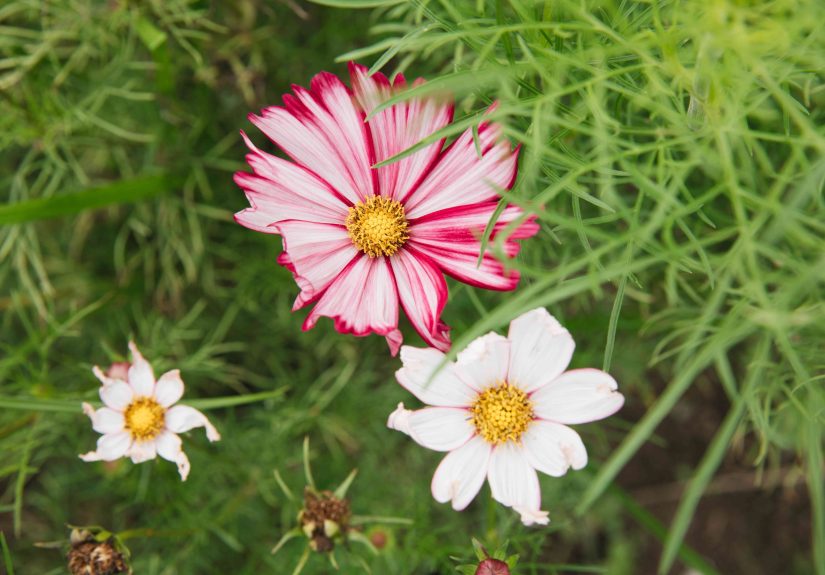
Cosmos are warm-season annuals that originate from Mexico and Central America. The most commonly grown garden
species are Cosmos bipinnatus (classic pink, white, and magenta “Mexican asters”) and
Cosmos sulphureus (yellow, orange, and red tones). Most varieties grow 1–4 feet tall, though some can
shoot higher in ideal conditions.
Cosmos are famous for:
- Bright, daisy-like blooms in pink, white, red, purple, yellow, orange, or bi-colors
- Fine, ferny foliage that gives beds and borders a soft, romantic look
- Long bloom season from mid-summer to frost
- Attracting pollinators like bees, butterflies, and beneficial insects
- Excellent performance as cut flowers
They’re also low-maintenance and forgiving, which makes cosmos one of the best flowers for beginners and busy
gardeners alike.
Ideal Growing Conditions for Cosmos
Light: Full Sun for Maximum Blooms
Cosmos are sun worshippers. Aim for at least 6–8 hours of direct sunlight per day. In partial shade, the plants may
still grow, but you’ll usually see fewer flowers and more stretching as they lean toward the light.
A good rule of thumb: if you’d happily sunbathe there, cosmos will probably love it too.
Soil: Average, Well-Drained, and Not Too Rich
One of the biggest surprises about cosmos care is that they prefer average or even slightly lean soil. Very rich,
heavily amended beds often produce:
- Lots of lush green foliage
- Floppy, weak stems
- Fewer actual flowers
Choose soil that:
- Drains well (no standing water after rain)
- Has a neutral to slightly acidic/alkaline pH (roughly 6.0–8.0 is fine)
- Has not been loaded with high-nitrogen fertilizer or heavy manure
If your garden beds are very rich, consider planting cosmos in a spot that’s a bit more “basic” or reduce added
fertilizer.
Temperature and Hardiness
Cosmos are warm-season annuals in most of the United States, commonly grown in USDA Zones 2–11 as “plant, bloom,
then die with frost” flowers. They:
- Do not tolerate frost
- Prefer warm soil and air temperatures
- Thrive in summer heat, as long as they’re not waterlogged
Wait until all danger of frost has passed and the soil has warmed before sowing seeds outdoors.
How to Plant Cosmos
Starting from Seed Outdoors
Cosmos are famously easy to grow from seed directly in the garden. For many home gardeners, this is the simplest,
cheapest, and most successful method.
-
Timing: Sow seeds outdoors after the last spring frost date when the soil is at least
comfortably warm (often 60–65°F or warmer). -
Prepare the bed: Loosen the top 6–8 inches of soil, remove rocks and big clumps, and rake it
level. There’s no need to over-amend. -
Sow the seeds: Cosmos seeds are long and slender. Scatter them over the surface or plant in rows.
Cover very lightlyabout 1/16–1/4 inch deep is enough. -
Water to settle: Gently water the area to settle the soil around the seeds. Keep the top layer
slightly moist (not soggy) until germination. -
Thin the seedlings: Once seedlings are a few inches tall, thin them to about 12–24 inches apart
depending on the variety. Taller types generally need more room.
Seeds typically sprout within 7–21 days, depending on temperature and moisture.
Starting Cosmos Indoors
If you want a head start or live in a short-season climate, you can start cosmos indoors.
- Start seeds 4–6 weeks before your last expected frost date.
- Use seed trays or small pots filled with a quality seed-starting mix.
- Plant seeds about 1/8 inch deep, lightly cover, and water gently.
-
Provide warmth (around 65–70°F) and bright lighteither from a sunny window or grow lights placed close above the
seedlings. -
Once seedlings have several true leaves and all danger of frost has passed, harden them off and transplant them
outdoors.
Be gentle when transplanting, as cosmos stems are hollow and can be easily bent or snapped.
Spacing and Staking
Proper spacing helps your cosmos plants stay upright, bloom well, and resist disease. As a general guide:
- Shorter or dwarf cosmos: space 8–12 inches apart (great for the front of a border or containers)
- Taller varieties or mixes: space 12–24 inches apart
In windy areas or very rich soil, tall cosmos can become top-heavy. You can:
- Use bamboo stakes or unobtrusive supports
- Plant in groups so plants support each other
- Pinch or trim back early to encourage bushier, sturdier growth
Watering and Fertilizing Cosmos
Water: Less Is Often More
As seedlings, cosmos need evenly moist soil so roots can establish. After they’re settled in:
- Water deeply about once a week in dry weather
- Avoid frequent, shallow watering
- Let the top inch of soil dry out between waterings
Cosmos are quite drought-tolerant once mature. Overwatering can lead to weak, leggy growth and fewer flowers, and
can increase disease risk in poorly drained soils.
Fertilizer: Go Easy
Many gardeners make the mistake of treating cosmos like heavy feeders. In reality, cosmos prefer low to moderate
fertility.
Good options include:
- No fertilizer at all in reasonably healthy garden soil
- A light application of balanced, slow-release fertilizer at planting if your soil is extremely poor
- A thin layer of compost worked in before planting (but not thick, high-nitrogen layers)
If your cosmos are tall, lush, and leafy but hardly blooming, extra fertilizer is often the culprit. The remedy is
simple: stop fertilizing and be patientthe plants often rebalance and begin flowering more heavily.
Ongoing Cosmos Care
Deadheading for Continuous Blooms
Deadheading is the secret weapon for a long cosmos bloom season. Removing spent flowers prevents seed formation and
encourages the plant to produce new buds.
For best results:
- Snip flower stems down to a leaf node, not just the petals
- Regularly cut bouquetsthis acts like a mass deadheading session
- Late in the season, allow some flower heads to go to seed if you want self-sown plants next year
A helpful trick is to cut back some stems by about one-third after the first big flush of bloom. With water and
sunshine, the plant responds with vigorous new growth and a fresh wave of flowers.
Mulching and Weeding
A light mulch around the base of cosmos plants can:
- Help retain soil moisture
- Keep weeds down
- Moderate soil temperature
Use a thin layer of shredded leaves, straw, or compost. Avoid piling mulch directly against the stems to prevent
rot.
Pests and Diseases
Another charm point for cosmos: they rarely suffer serious pest or disease problems. Still, you might occasionally
see:
-
Aphids: Clusters on tender stems and buds. A strong spray of water or insecticidal soap usually
handles them. -
Spider mites: Tiny pests that cause stippling on leaves in hot, dry weather. Increasing humidity
and using a gentle soap spray can help. -
Powdery mildew or leaf spots: More common in crowded plantings with poor air circulation.
Thinning plants, watering at soil level, and avoiding overhead watering can reduce the risk.
If a plant looks badly diseased or stunted, it’s often best to remove it to protect the rest of your planting.
Using Cosmos in the Garden
Cosmos are incredibly versatile and fit into many garden styles:
-
Cottage gardens: Their airy, informal look pairs beautifully with zinnias, larkspur, and
salvias. -
Pollinator borders: Bees and butterflies love cosmos blooms, making them perfect for wildlife
gardens. - Cutting gardens: Long stems and long-lasting flowers make cosmos great for casual bouquets.
-
Meadow-style plantings: Mix cosmos with grasses and other annuals for a naturalized, wildflower
effect. - Containers: Dwarf and compact varieties can brighten decks, patios, and balconies.
Try mixing colors and heights for a layered look. White cosmos can cool down a hot-colored border, while deep pinks
and magentas add drama.
Saving Cosmos Seeds
One of the joys of growing cosmos is how easy it is to save seed for next year.
- Let some flower heads dry on the plant late in the season.
-
When the seed heads are brown and dry, snip them off and place them in a paper bag to finish drying in a sheltered
spot. - Rub the heads gently between your fingers to release the long, slender seeds. Remove excess chaff.
- Store seeds in a labeled paper envelope or jar in a cool, dry place.
Keep in mind that if you’ve grown several mixed varieties, some of your seedlings next year may have slightly
different colors due to cross-pollination. For many gardeners, that element of surprise is part of the fun.
Common Cosmos Problems (and How to Fix Them)
Lots of Leaves, Not Many Flowers
If your cosmos plants look like small green trees with hardly any blooms, the usual suspects are:
- Soil that’s too rich, especially high in nitrogen
- Too much fertilizer, especially lawn food that has drifted into the bed
- Very heavy watering
Solutions:
- Stop fertilizing immediately
- Let the soil dry slightly between waterings
- Be patientcosmos often start blooming more once they “realize” resources are limited
Plants Falling Over or Snapping
Tall cosmos can flop in wind, storms, or heavy rain, especially in rich soil.
To prevent this:
- Stake tall varieties early and tie stems loosely with soft ties
- Plant in groups so plants support each other
- Pinch back seedlings when they’re 12 inches tall to encourage bushier growth
Sparse Germination
If you sowed cosmos and only a few came up, consider:
- Were the seeds planted too deep? They need very shallow coverage.
- Did the soil stay consistently moist (but not waterlogged) during germination?
- Were the seeds old or poorly stored?
Try again with fresh seed, shallow planting, and consistently moist soil until seedlings appear.
Real-World Experiences: Living with Cosmos All Season Long
Guides and how-tos are helpful, but cosmos really win you over when you live with them for a full growing season.
Here are some experience-based insights and “lessons learned” that can help you get even better results.
Lesson 1: Don’t Overthink the Soil
Many new gardeners assume that every flowering plant needs rich, dark, heavily composted soil. With cosmos, that
instinct can backfire. Gardeners who have tried planting cosmos in their vegetable beds often notice a pattern:
towering plants, deep green foliage, and… almost no blooms until late in the summer.
Moving cosmos to a scruffier part of the yardsay, along a fence or in a less-amended borderoften transforms them.
In leaner soil, they devote more energy to flowering and less to leafy growth. If your yard has a “problem spot”
that isn’t soggy, cosmos might actually be the perfect solution.
Lesson 2: Cutting Flowers Makes More Flowers
Cosmos are classic “cut-and-come-again” flowers. Gardeners often report that once they start cutting armfuls of
stems for vases, the plants respond by producing even more buds. A once-a-week cutting session can:
- Refresh the look of your plants
- Keep the bloom cycle going
- Give you free bouquets all summer long
If you’re hesitant to cut because you don’t want to “lose” blooms in the garden, think of it as maintenance instead
of loss. You’re not taking flowers awayyou’re encouraging a bigger show overall.
Lesson 3: Cosmos Are Great for Imperfect Gardeners
Life happens. You go on vacation, forget to water, or get busy and skip weeding for a week. Cosmos are remarkably
forgiving of these lapses. As long as they’re not sitting in waterlogged soil, they usually bounce back from
moderate neglect.
Gardeners who describe themselves as “inconsistent” often find that cosmos become their confidence-building plant.
Even if other annuals sulk or fade, cosmos tend to keep going with a cheerful attitude and a surprising amount of
resilience.
Lesson 4: Self-Sown Surprises
One of the delights of cosmos is how easily they self-seed. If you leave a few flower heads to dry on the plant
toward the end of the season, you may find new seedlings popping up in spring without any effort on your part.
These volunteer seedlings can:
- Fill in gaps in borders
- Give you free plants in new color combinations
- Gradually create a more natural, meadow-like vibe
Of course, you’re still in charge. If seedlings appear where you don’t want them, they’re easy to pull or
transplant. But many gardeners end up letting a few stay, appreciating the sense of spontaneity they bring.
Lesson 5: Choosing Colors and Varieties for Your Space
While mixed seed packets are fun, more experienced growers often start choosing specific varieties to match their
garden’s personality. For example:
-
Soft, romantic gardens: White and pale pink cosmos pair beautifully with roses, salvias, and
ornamental grasses. -
Bold, vibrant spaces: Deep magentas, reds, and bright orange or yellow cosmos complement hot
colors like marigolds and zinnias. -
Modern or minimalist beds: A mass of white cosmos against dark foliage or a neutral backdrop can
look surprisingly sleek.
Over a few seasons, many gardeners end up with a “signature cosmos mix” that they plant every year because it just
works so well in their home landscape.
Lesson 6: Cosmos as Pollinator Magnets
Spend any summer afternoon near a patch of cosmos and you’ll quickly see why they’re recommended for pollinator
gardens. Bees, butterflies, and even beneficial hoverflies are frequent visitors. Some gardeners plant entire rows
or clusters of cosmos near vegetable beds as a way to draw pollinators and natural pest controllers into the area.
This “support role” makes cosmos doubly valuablebeautiful to look at and helpful for the rest of your garden’s
ecosystem.
Conclusion: Easy, Cheerful, and Completely Addictive
Learning how to grow and care for cosmos is straightforward: give them full sun, average well-drained soil, light
watering, and minimal fertilizer. In return, they reward you with months of color, a constant parade of pollinators,
and more cut flowers than you’ll know what to do with.
Whether you’re planting your first small patch or filling an entire border, cosmos are an easy-win flower that can
quickly become a yearly tradition. Once you’ve enjoyed a season of their floating, delicate blooms, it’s hard to
imagine your summer garden without them.







 Close
Close