
Table of Contents >> Show >> Hide
- What Is Common Snowberry?
- Why Gardeners Love Common Snowberry
- Best Growing Conditions for Common Snowberry
- How to Plant Common Snowberry
- How to Care for Common Snowberry Through the Seasons
- Pruning Common Snowberry
- How to Propagate Common Snowberry
- Common Problems and How to Fix Them
- Is Common Snowberry Poisonous?
- Best Landscape Uses for Common Snowberry
- Real-World Experiences Growing Common Snowberry
- Final Thoughts
Common snowberry is one of those shrubs that quietly minds its business all year and then suddenly steals the show with bright white berries when everything else looks tired, brown, or halfway into hibernation. If your garden needs a hardy native shrub that can handle less-than-perfect conditions without filing a complaint, Symphoricarpos albus deserves a serious look.
This North American native is valued for more than its pretty fruit. It is useful in naturalized plantings, wildlife gardens, slope stabilization, woodland borders, and low-maintenance landscapes where you want texture and seasonal interest without constant fussing. In plain English, it is the kind of plant that earns its keep. Give it a decent start, and it will usually repay you by growing steadily, filling in awkward spaces, and looking especially charming in fall and winter.
Here is what you need to know to grow and care for common snowberry successfully, from choosing the right spot to pruning, propagating, and keeping its enthusiastic spread under control.
What Is Common Snowberry?
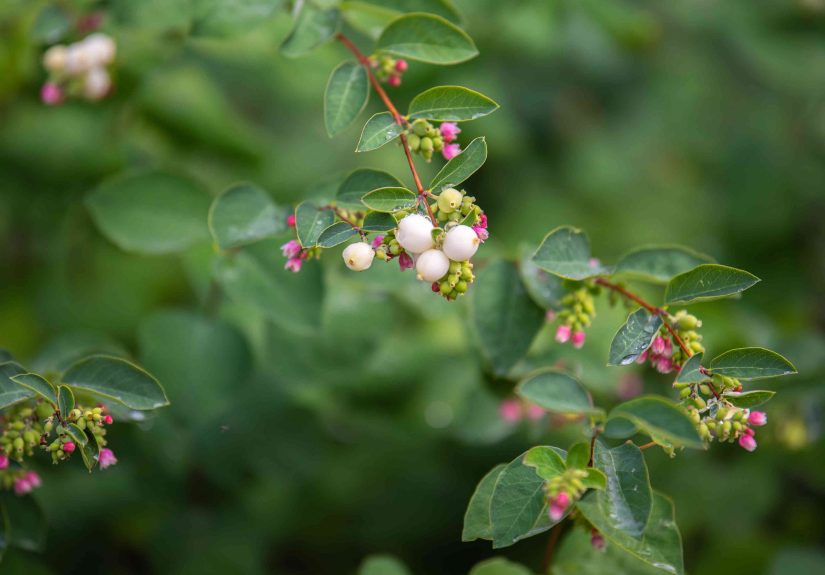
Common snowberry is a deciduous flowering shrub in the honeysuckle family. It typically grows in a rounded, somewhat twiggy shape, usually reaching about 3 to 6 feet tall and wide at maturity. In spring and summer, it produces small pinkish-white bell-shaped flowers that are easy to overlook up close but attractive to pollinators. By late summer into fall, those flowers develop into the plant’s famous clusters of waxy white berries, which often persist well into winter.
The foliage is modest rather than flashy, usually a soft green with oval to rounded leaves. That makes the berries the main event. When the leaves drop, the white fruit seems to glow against the bare stems. It is a subtle shrub for most of the year and then a winter highlight when many landscapes are running short on drama.
In the wild, common snowberry grows in woodlands, open forests, stream edges, slopes, thickets, and disturbed areas. That natural adaptability explains why it performs so well in home landscapes. It is not picky, it is not fragile, and it does not need a daily pep talk.
Why Gardeners Love Common Snowberry
There are plenty of shrubs with good flowers. There are plenty with good berries. Common snowberry wins points because it offers beauty, ecological value, and toughness in one package.
Top reasons to grow it
- Native plant value: It supports pollinators and wildlife.
- Winter interest: The white berries brighten bare landscapes.
- Shade tolerance: It performs better than many shrubs in part shade.
- Adaptable habits: It handles clay, rocky soil, and nutrient-poor sites surprisingly well.
- Erosion control: Its spreading roots and suckers help stabilize slopes and banks.
- Low maintenance: Once established, it is relatively drought tolerant and not terribly demanding.
It also works well in places where fussier shrubs give up. That odd strip along a fence. The slope that dries out in summer. The lightly shaded edge of a woodland bed. Common snowberry often looks at those spots and says, “Sure, I can do that.”
Best Growing Conditions for Common Snowberry
Light
Common snowberry grows in full sun to partial shade, and it also tolerates fairly shady conditions. For the best flowering and berry set, give it at least part sun. In hotter climates, morning sun with afternoon shade is often ideal. In cooler climates, more direct sun is usually fine.
If you plant it in deep shade, it may still survive and grow, but the plant can become looser and fruit less heavily. Think of full sun as the setting for the best berry performance and part shade as the setting for easy, forgiving growth.
Soil
This shrub is impressively flexible about soil. It can handle clay, loam, sandy soil, rocky ground, and average garden soil. It also tolerates a range of soil pH levels. The main thing it does not appreciate is constantly waterlogged soil. Damp now and then is fine. Swampy forever is not.
That makes common snowberry an excellent choice for difficult sites, especially where the soil is compacted, somewhat poor, or not rich enough for more pampered plants.
Water
Newly planted snowberry needs regular watering while it establishes its roots. A deep soaking once or twice a week during the first growing season is usually better than frequent shallow sprinkles. After establishment, the plant becomes fairly drought tolerant, though it will look better and fruit better with occasional deep watering during long hot dry spells.
As a general rule, keep the soil evenly moist but not soggy during the first year. After that, let nature do more of the work unless the weather turns especially harsh.
Temperature and Hardiness
Common snowberry is a cold-hardy shrub suited to USDA Zones 3 through 7 in most garden references. It tolerates winter cold very well and is also adaptable to a range of summer conditions, provided the site is not extremely hot and dry without any supplemental water.
How to Plant Common Snowberry
The best time to plant common snowberry is in spring or fall, when temperatures are cooler and the roots can settle in before weather extremes arrive.
Planting steps
- Choose a site with full sun to part shade and reasonably drained soil.
- Dig a hole about twice as wide as the root ball and no deeper than the root ball itself.
- Set the shrub so the top of the root ball is level with the surrounding soil.
- Backfill with native soil rather than heavily amended soil.
- Water deeply after planting.
- Add a 2- to 3-inch layer of mulch around the base, keeping it away from the stems.
If you are planting several snowberries as a loose hedge, screen, or wildlife border, space them roughly 3 to 5 feet apart depending on how quickly you want them to knit together. They spread by suckers, so they will eventually fill gaps with a little patience.
How to Care for Common Snowberry Through the Seasons
Spring Care
Spring is the time to check for winter damage, prune out dead or broken stems, and shape the plant if needed. It is also the best season for major rejuvenation pruning if the shrub has become old, sparse, or unruly. Fresh mulch and a deep watering during dry spring weather will help it start strong.
Snowberry generally does not need heavy fertilization. In average soil, skip the fertilizer entirely unless the plant shows poor growth or pale leaves. Too much fertilizer can encourage leafy growth at the expense of flowers and berries, which is a classic gardening own goal.
Summer Care
During summer, the plant is mostly on cruise control. Water during prolonged drought, especially if it is newly planted. Avoid overwatering. Watch for good airflow if the site is crowded, since fungal leaf issues are more likely in dense, damp conditions.
This is also the season to admire the small flowers instead of apologizing for them. They are not flashy, but pollinators notice them, and that matters.
Fall Care
Fall is when common snowberry really starts earning compliments. The berries develop, the foliage fades quietly, and the plant begins to stand out more. This is a good season for planting in many regions and for reducing irrigation as temperatures cool.
It is also a smart time to decide whether you like the shrub’s natural spread. If not, mark areas where suckers are appearing so you can remove them cleanly later.
Winter Care
Winter care is minimal. In cold climates, established snowberry usually needs no special protection. The berries often persist into the colder months, and the bare stems create a simple, natural look. Resist the urge to over-prune in winter just because the plant looks spare. Much of its seasonal charm comes from that airy winter silhouette.
Pruning Common Snowberry
Pruning is less about making snowberry behave like a formal shrub and more about keeping it healthy, dense, and in bounds. Because berries develop after flowering, ill-timed pruning can reduce fruit display.
Best pruning approach
- Remove dead, damaged, or weak stems in early spring.
- Thin out older wood if the center becomes crowded.
- Cut back wandering suckers if you want to limit spread.
- Rejuvenate an overgrown plant by cutting it back hard in early spring.
Avoid heavy summer pruning if berries are important to you. Snipping away too much growth at the wrong time is like canceling your own winter decoration plan.
How to Propagate Common Snowberry
If you enjoy getting more plants for free, common snowberry is generous. In fact, it is one of the easier native shrubs to propagate.
1. Divide or transplant suckers
This is the easiest method for home gardeners. Dig up a young sucker with some attached roots in spring or fall and replant it right away. Keep it watered until established.
2. Take hardwood cuttings
Dormant hardwood cuttings taken in winter are widely used in propagation programs and often root well. This method is especially useful if you want several new plants with predictable results.
3. Grow from seed
Seed is possible, but it is slow and more complicated. Snowberry seed has dormancy issues and usually needs warm and cold stratification before it will germinate well. For most home gardeners, seed propagation is the “because I enjoy a challenge” method, not the “I need plants quickly” method.
Common Problems and How to Fix Them
Too many suckers
This is the most common complaint, and honestly, it is also proof that the plant is healthy. Remove unwanted shoots by digging or cutting them back at the source. Use edging or a mowing strip if you want stronger containment.
Few berries
Insufficient sunlight is a common reason for sparse fruiting. Heavy pruning at the wrong time can also reduce berry production. If the plant is in dense shade, thin surrounding growth or move new plantings to a brighter site.
Fungal leaf problems
Common snowberry may occasionally develop leaf spot, rust, powdery mildew, anthracnose, or berry rot. These issues are usually not severe. Improve airflow, avoid overhead watering, and remove badly affected material if needed.
Leggy growth
If stems become thin and floppy, the plant may need more light or renewal pruning. Cutting back older stems in early spring usually helps restore a fuller shape.
Is Common Snowberry Poisonous?
Yes. The berries are not edible for people and should not be treated as a snack, no matter how cute and marshmallow-like they look. Ingestion can cause stomach upset, including vomiting and diarrhea. Keep that in mind if you have curious children or pets that sample anything round and shiny in the garden.
That said, wildlife interacts with the plant differently. Birds and small mammals may use the fruit and the dense thickets for food and shelter, while deer and other browsers may feed on foliage or stems. In other words, what is a bad idea for humans may still be useful in the food web.
Best Landscape Uses for Common Snowberry
- Woodland-edge plantings
- Native shrub borders
- Wildlife gardens
- Erosion control on slopes
- Informal hedges and screens
- Naturalized areas where spreading is welcome
- Rain garden margins with periodic moisture but not constant standing water
It pairs well with other native shrubs and perennials that appreciate similar conditions. Think of it as a supporting actor that occasionally steals the final scene in winter.
Real-World Experiences Growing Common Snowberry
One of the most common experiences gardeners report with common snowberry is surprise. At first, it can look like a modest little shrub with soft green leaves and tiny flowers that seem almost too shy to mention. Then fall arrives, the berries turn white, and suddenly people start asking what it is. That transformation is part of the plant’s appeal. It is not loud all year long. It saves its best trick for the quieter season.
Another shared experience is discovering how adaptable the shrub really is. Gardeners often plant it in a difficult area, maybe a dry slope, the edge of a wooded yard, or a strip of ground where the soil is clay-heavy and not especially glamorous. Common snowberry tends to settle in, root well, and gradually improve the space simply by covering it with life. It is the sort of plant that makes a gardener feel smarter than they actually were when choosing the site.
Many people also notice that common snowberry behaves differently depending on light. In sunnier spots, it is often denser and fruits more heavily. In part shade, it can look softer and more natural, with a woodland character that fits beautifully into native plantings. In deeper shade, it may still survive but look looser and produce fewer berries. That experience teaches an important lesson: this is a tolerant shrub, but tolerance and peak performance are not the same thing.
There is also the matter of suckers. Nearly everyone who grows common snowberry for more than a season eventually has a moment of realization. The plant is not just growing. It is exploring. New shoots appear a little farther out than expected, and suddenly what looked like one shrub starts becoming a colony. Some gardeners love that because it fills a bank or creates a wildlife thicket. Others grab a spade and begin negotiations. The good news is that the plant is manageable once you understand its habit. The better news is that those extra shoots can become free plants.
Wildlife gardeners often describe snowberry as one of those shrubs that feels more alive than ornamental. The flowers may bring bees and other pollinators, and the branches can shelter birds and small creatures even when the rest of the bed looks bare. In winter, the berries linger like little white lanterns. Even gardeners who originally planted it for erosion control or easy coverage often end up appreciating its seasonal personality more than expected.
Perhaps the most practical experience of all is that common snowberry rewards restraint. It does not need rich soil, constant feeding, or endless trimming. Over-caring for it can be more harmful than helpful. Gardeners who succeed with snowberry usually give it enough water to establish, enough room to spread, and enough pruning to stay healthy, then they step back. It is not a diva shrub. It is a durable, useful native plant with a surprisingly elegant winter finish.
Final Thoughts
If you want a native shrub that is useful, resilient, and genuinely interesting through multiple seasons, common snowberry is a strong pick. It handles a wide range of growing conditions, supports wildlife, tolerates some neglect, and lights up the colder months with white berries that stand out when most of the garden is taking a nap.
Plant it where it has room to spread a little, give it sun or part shade, avoid permanently soggy soil, and prune with a light hand. Do that, and common snowberry will reward you with an easygoing presence through spring and summer and a memorable show in fall and winter.







 Close
Close