
Table of Contents >> Show >> Hide
- What Happens When a Stingray Stings You?
- How to Get Rid of a Stingray’s Sting: 8 Steps
- Step 1: Get Out of the Water Immediately
- Step 2: Check for Emergency Warning Signs
- Step 3: Control Bleeding With Direct Pressure
- Step 4: Rinse the Wound and Remove Only Loose Debris
- Step 5: Soak the Sting in Hot Water
- Step 6: Clean, Dress, and Protect the Wound
- Step 7: Manage Pain and Swelling Safely
- Step 8: Get Medical Follow-Up and Watch for Infection
- What Not to Do After a Stingray Sting
- When Should You Go to the Emergency Room?
- How Long Does a Stingray Sting Take to Heal?
- How to Prevent Stingray Stings
- 8-Step Stingray Sting First-Aid Checklist
- Real-Life Experience: What a Stingray Sting Feels Like and What People Learn From It
- Conclusion
Getting stung by a stingray is nobody’s dream beach souvenir. One minute you are enjoying warm sand, rolling waves, and maybe pretending you are in a travel commercial. The next minute, your foot feels like it has been introduced to a tiny underwater security guard with a venom-tipped tail. Stingray stings are painful, sudden, and surprisingly common in shallow coastal water, especially when people accidentally step on a ray hiding beneath the sand.
The good news: most stingray stings are treatable with quick first aid and proper medical follow-up. The not-so-good news: this is not the kind of injury you should “walk off” while ordering nachos from the beach bar. A stingray sting can involve venom, a puncture wound, bleeding, swelling, infection risk, and sometimes a retained piece of spine or sheath. That means the smartest approach is calm, practical, and very un-Hollywood: get out of the water, control bleeding, use hot water correctly, clean the wound, and know when to get medical help.
This guide explains how to get rid of a stingray’s sting in 8 steps, using real first-aid principles and simple language. Think of it as your beach-day emergency playbook: less panic, more action, and absolutely no dramatic “somebody suck out the venom!” nonsense. That does not work, and it will make everyone involved regret the moment.
What Happens When a Stingray Stings You?
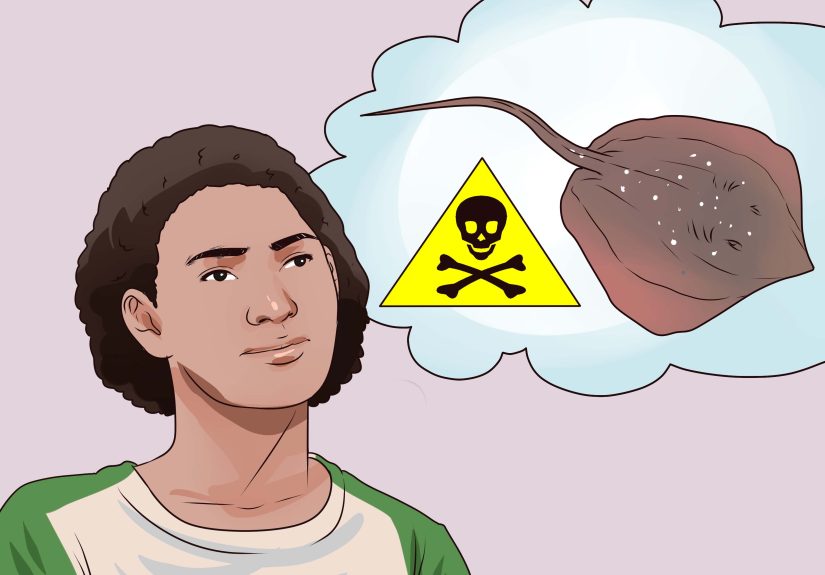
Stingrays are not aggressive villains patrolling the ocean for ankles. They are usually shy animals that rest partly buried in sand. Most stings happen when someone steps on or near a stingray. The ray reacts defensively by whipping its tail upward. The tail may contain one or more barbed spines covered with venom-producing tissue. When the spine punctures the skin, it can leave venom and debris in the wound.
The pain can be intense and may build quickly. Many people describe a stingray sting as sharp, burning, throbbing, or cramping. The area may bleed, swell, turn red or bluish, and become tender. Some people also experience nausea, sweating, weakness, dizziness, muscle cramps, or anxiety. Severe reactions are less common, but they can happen, especially if the sting is deep, near the chest, abdomen, neck, face, or if the person has trouble breathing or signs of shock.
How to Get Rid of a Stingray’s Sting: 8 Steps
Step 1: Get Out of the Water Immediately
Your first job is simple: leave the water as calmly and quickly as possible. A stingray sting hurts, and pain can make people stumble, panic, or lose balance. If you are in the ocean, call for help and head toward shore, a lifeguard station, or a safe area. Do not keep swimming around to “see what got you.” The ocean will not provide a formal apology.
Once you are out of the water, sit or lie down. Keep the injured area still if you can. If the sting is on the foot or leg, avoid walking more than necessary. Movement can worsen pain and bleeding. If a lifeguard is nearby, ask for help right away. Lifeguards in stingray-prone areas often know the routine and may have access to hot water, first-aid supplies, and emergency support.
Step 2: Check for Emergency Warning Signs
Before treating the wound, look for signs that require emergency medical care. Call 911 or your local emergency number if the person has trouble breathing, chest pain, fainting, confusion, severe weakness, heavy bleeding, a sting to the chest, abdomen, neck, face, or groin, or signs of a severe allergic reaction such as swelling of the lips or throat, widespread hives, or sudden dizziness.
Also seek urgent care if the wound is deep, if a barb appears embedded, if the pain is extreme and does not improve, or if the person is a child, older adult, pregnant, immunocompromised, or has diabetes or circulation problems. Stingray wounds can look small on the surface while hiding deeper tissue injury underneath. In other words, this is not the time for “I’m fine” energy when your foot is clearly filing a complaint.
Step 3: Control Bleeding With Direct Pressure
If the wound is bleeding, apply direct pressure with a clean cloth, towel, gauze pad, or bandage. Press firmly but carefully. If the cloth becomes soaked, place another clean layer on top rather than pulling the first one away. Removing the first cloth can disturb clotting and restart bleeding.
Do not tie a tight tourniquet around the limb unless emergency professionals instruct you to do so in a life-threatening bleeding situation. Most stingray stings do not require that. The safer first-aid move is steady pressure and medical evaluation when needed. If bleeding is heavy, spurting, or does not slow with pressure, treat it as an emergency.
Step 4: Rinse the Wound and Remove Only Loose Debris
Once bleeding is controlled, rinse the wound gently. If you are still at the beach, clean seawater may help remove sand and loose debris. When fresh water and soap are available, wash the area gently. The goal is to reduce contamination without scrubbing aggressively or pushing debris deeper.
If you see tiny loose particles on the surface, you may gently rinse them away. However, do not dig into the wound. Do not use a knife, tweezers, fingernails, or “creative beach surgery” to remove anything deeply embedded. If a spine fragment or sheath is stuck in the wound, a healthcare professional should evaluate and remove it. Deep foreign material may require imaging, proper anesthesia, and sterile technique.
Step 5: Soak the Sting in Hot Water
Hot water immersion is one of the most important first-aid steps for stingray pain. Use water that is hot but not scalding. A commonly recommended range is about 104°F to 113°F, or 40°C to 45°C. If you do not have a thermometer, test the water on an unaffected limb first. It should feel very warm but tolerable, not burning.
Soak the injured area for about 30 to 90 minutes, or until pain improves. Keep checking the water temperature and refresh it as needed so it stays warm. Do not fall asleep with your foot in hot water. Do not use boiling water. Do not prove your toughness by cooking your own ankle. Burns are not bonus points.
Hot water may help reduce pain because stingray venom is heat-sensitive. Even when hot water helps, it does not replace wound cleaning, medical evaluation, or infection monitoring. It is pain control and first aid, not a magic eraser.
Step 6: Clean, Dress, and Protect the Wound
After soaking, gently clean the wound again with soap and clean water. Pat the area dry with sterile gauze or a clean towel. Apply a clean, non-stick dressing or sterile bandage. Keep the dressing secure but not tight. The wound should be protected from dirt, sand, and friction.
A stingray sting is often a puncture wound, which means bacteria can be carried deeper into the skin and soft tissue. Marine wounds may involve bacteria that are different from everyday cuts and scrapes. That is why medical follow-up matters, especially if the wound is deep, dirty, or painful. A healthcare provider may consider antibiotics, imaging, wound cleaning, or a tetanus booster depending on the injury.
Step 7: Manage Pain and Swelling Safely
Once the hot-water soak is done and bleeding is controlled, keep the injured limb elevated when possible. Elevation can help reduce swelling. Over-the-counter pain relievers such as acetaminophen or ibuprofen may help some people, but follow the label and avoid medications you cannot take safely. For example, ibuprofen may not be appropriate for some people with kidney disease, stomach ulcers, certain bleeding risks, or specific medical instructions.
If pain remains severe despite hot water and basic pain relief, seek medical care. Persistent pain can mean retained debris, deeper injury, infection, or another complication. Stingray pain is famous for being dramatic, but pain that refuses to calm down deserves attention.
Step 8: Get Medical Follow-Up and Watch for Infection
Even if the pain improves, many stingray stings should be checked by a healthcare professional. This is especially true for deep wounds, wounds on the foot or ankle, injuries with possible foreign material, severe swelling, increasing redness, numbness, reduced movement, or signs of infection.
Watch the wound over the next several days. Signs of infection may include increasing redness, warmth, swelling, pus, worsening pain, red streaks, fever, chills, or a wound that smells unusual. If any of these appear, seek medical care promptly. Also ask a healthcare provider whether you need a tetanus shot or booster. Tetanus protection is an easy detail to overlook when your beach day has already turned into an aquatic plot twist.
What Not to Do After a Stingray Sting
Bad first aid can make a stingray injury worse. Do not cut the wound open. Do not try to suck out venom. Do not apply ice as the main treatment for venom pain unless a medical professional recommends it for a specific reason. Do not pour alcohol, bleach, gasoline, or random “my uncle swears by it” liquids into the wound. Do not ignore a deep puncture because the bleeding stopped. And do not attempt to remove a deeply embedded barb by yourself.
Another common mistake is leaving the beach too quickly without cleaning and soaking the wound. Pain may peak after the initial sting, and a dirty puncture wound can cause trouble later. The goal is not simply to survive the first five minutes. The goal is to prevent a painful injury from becoming a bigger medical problem.
When Should You Go to the Emergency Room?
Go to the emergency room or urgent medical care if the sting is deep, the wound will not stop bleeding, the injury is near the chest, abdomen, neck, face, or genitals, or if a spine fragment may be inside the wound. You should also go if the person has severe pain, numbness, weakness, spreading swelling, fever, vomiting, fainting, breathing trouble, or signs of an allergic reaction.
Medical professionals may clean the wound more thoroughly, check for retained foreign material, provide stronger pain control, update tetanus protection, prescribe antibiotics if appropriate, or perform imaging. In some cases, surgical removal of embedded material may be needed. That sounds intense, but it is much better than pretending the wound is “probably fine” while it quietly becomes infected.
How Long Does a Stingray Sting Take to Heal?
Healing time depends on the depth and location of the wound, whether debris remains, the person’s health, and how quickly proper care begins. Mild stings may improve significantly within hours, though soreness can last for days. Deeper punctures may take longer and require follow-up care. If the wound becomes infected or contains retained spine material, healing can be delayed.
Foot wounds can be especially annoying because we use our feet constantly. Walking too soon, wearing tight shoes, or returning to ocean water before the wound closes can irritate the injury. Keep the wound clean and protected. Follow medical instructions about bandage changes, antibiotics, activity limits, and when it is safe to swim again.
How to Prevent Stingray Stings
The classic prevention method is the stingray shuffle. Instead of stepping high and planting your feet down into the sand, shuffle your feet along the ocean floor. This movement warns stingrays that you are coming and gives them time to swim away. It may look slightly goofy, but goofy is better than venom.
When entering shallow coastal water, especially in areas known for stingrays, move slowly and avoid jumping into sandy shallows. Pay attention to warning signs and lifeguard updates. Do not chase, touch, corner, or harass marine life. Stingrays do not want drama. They want personal space, which is honestly relatable.
8-Step Stingray Sting First-Aid Checklist
- Get out of the water and move to a safe place.
- Check for emergency symptoms such as trouble breathing, fainting, or severe bleeding.
- Apply direct pressure with a clean cloth if the wound is bleeding.
- Rinse gently and remove only loose surface debris.
- Soak in hot water around 104°F to 113°F for 30 to 90 minutes.
- Clean and bandage the wound with a sterile dressing.
- Elevate and manage pain safely with appropriate over-the-counter medicine if allowed.
- Seek medical care for deep wounds, retained barb concerns, infection signs, severe symptoms, or tetanus questions.
Real-Life Experience: What a Stingray Sting Feels Like and What People Learn From It
People who have experienced a stingray sting often describe the same emotional timeline: confusion, shock, pain, panic, embarrassment, and finally a deep respect for shuffling their feet forever. The sting usually happens fast. Someone is wading in knee-deep water, maybe looking at the horizon, maybe holding a surfboard, maybe trying to look cooler than they feel. Then comes a sudden sharp pain, usually in the foot, ankle, or lower leg. At first, many people think they stepped on glass, a shell, or a sharp rock. Then the pain intensifies, and the “this is probably nothing” theory retires immediately.
One common lesson is that getting out of the water quickly matters. People often want to inspect the ocean floor or ask nearby swimmers what happened, but the safer move is to reach shore and get help. A lifeguard station can make a huge difference. Lifeguards in coastal areas may see stingray injuries often, and they usually know that hot water is the star of the first-aid show. Victims are often surprised by how much relief hot water can provide. The pain may not disappear instantly, but many people notice gradual improvement during the soak.
Another experience people mention is how awkward the hot-water step can be. At home, hot water is easy. At the beach, it can become a small logistical quest. Someone may run to a restroom, café, beach patrol truck, hotel lobby, or first-aid station to find hot water. This is why beach communities with frequent stingray activity often take these injuries seriously. A bucket of properly hot water can feel like a luxury spa treatment designed by an emergency room.
Many people also learn that stingray wounds should not be judged by size alone. A puncture can look small but hurt intensely. The surface may not reveal what happened deeper in the tissue. That is why medical follow-up is a smart choice, especially when pain persists or the wound is deep. Some victims feel better after soaking and are tempted to continue the day as planned. But sand, seawater, sweat, and walking can irritate the wound. The better plan is to clean it, dress it, rest it, and let a healthcare provider decide whether more treatment is needed.
There is also a psychological part. After a sting, some people become nervous about going back into the ocean. That is understandable. The best cure is not fear; it is knowledge. Learning the stingray shuffle, paying attention to local warnings, entering water calmly, and respecting marine life can restore confidence. Stingrays are not hunting swimmers. They are defending themselves when surprised. Once people understand that, the beach feels less like a danger zone and more like a shared habitat where everyone needs a little space.
The biggest takeaway from real-world stingray stories is simple: do not panic, do not improvise weird remedies, and do not ignore the wound. A calm response turns a scary beach moment into a manageable injury. Get to safety, control bleeding, soak in hot water, clean and dress the wound, and get medical advice when needed. Then, next time you step into shallow coastal water, shuffle like you mean it. It may not win a dance contest, but it can save your foot from another unforgettable meeting with a stingray.
Conclusion
A stingray sting is painful, but quick and correct first aid can reduce pain and lower the risk of complications. The most important steps are to get out of the water, control bleeding, rinse the wound, soak the area in hot water, avoid removing deeply embedded barbs yourself, protect the wound, and seek medical care when symptoms are serious or the injury is deep. Hot water can help with venom-related pain, but it does not replace proper wound care or professional evaluation.
In short, the best way to get rid of a stingray’s sting is to treat it like a real puncture injury, not a beach inconvenience. Respect the wound, watch for infection, update tetanus protection if needed, and practice the stingray shuffle the next time you enter sandy shallows. Your feet will thank you, probably with less screaming.





 Close
Close