
Table of Contents >> Show >> Hide
- Introduction: Why Wall Combos Matter in The Strongest Battlegrounds
- What Is a Wall Combo in The Strongest Battlegrounds?
- The Basic Wall Combo Input
- Step-by-Step: How to Do a Wall Combo
- Alternative Wall Combo Setups
- Best Characters for Learning Wall Combos
- Common Mistakes That Stop Wall Combos From Working
- How to Practice Wall Combos Faster
- How to Use Wall Combos in Real Fights
- Advanced Tips for Cleaner Wall Combos
- Beginner Wall Combo Example
- Player Experience: What It Feels Like to Learn Wall Combos
- Conclusion: Master the Wall, Then Master the Fight
Note: This guide is written for normal gameplay in Roblox’s The Strongest Battlegrounds. It does not use scripts, exploits, macros, or unfair tools. Wall combos are all about timing, spacing, movement, and a tiny bit of “why did my dash go the wrong way?” patience.
Introduction: Why Wall Combos Matter in The Strongest Battlegrounds
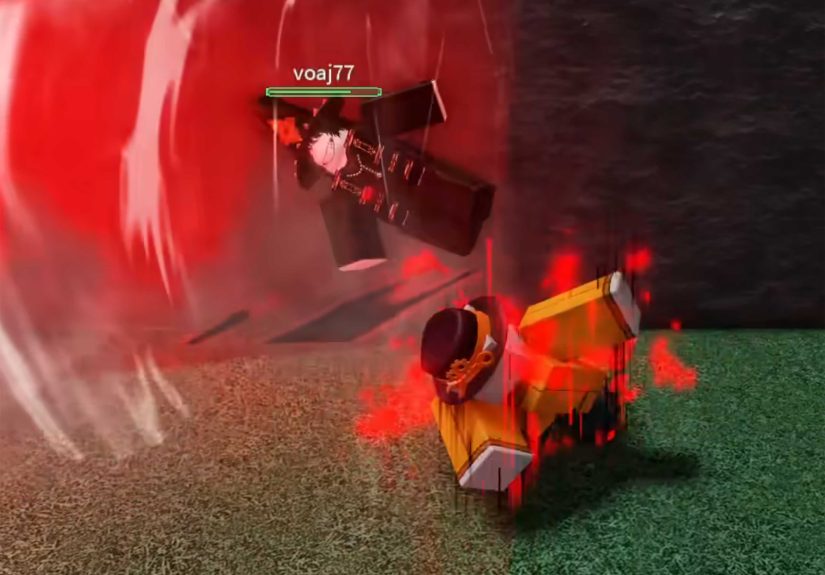
If you have played The Strongest Battlegrounds for more than five minutes, you have probably seen someone get slammed into a wall, trapped in a stylish animation, and sent flying while the attacker casually walks away like they just finished a movie scene. That, friend, is the wall combo: one of the flashiest and most useful combat mechanics in the game.
A wall combo in The Strongest Battlegrounds is a special follow-up attack that triggers when you hit an opponent near a wall or similar solid object and then front dash at the right moment. It looks dramatic, deals extra damage, and gives you better control over the fight. More importantly, it teaches one of the biggest lessons in TSB combat: the arena is not just decoration. Walls, trees, trash cans, corners, and objects can turn a basic combo into a painful lesson for your opponent.
The good news? Learning how to do a wall combo is not impossible. You do not need wizard-level fingers, a secret keyboard from the future, or a training montage with lightning in the background. You need to understand the setup, practice the timing, and stop panicking when the opponent is finally in the perfect position. Easier said than done, yes. But totally doable.
What Is a Wall Combo in The Strongest Battlegrounds?
A wall combo is a character-specific attack animation that activates when your opponent is knocked into or positioned close to a solid surface, and you perform the correct input right after a qualifying hit. In simple terms, you push your enemy into a wall, finish the right kind of hit, then front dash to trigger the wall combo.
Most players learn it through the basic formula: land a full M1 chain near a wall, then front dash after the final hit. “M1” usually means your basic attack button. On PC, that is typically the left mouse button. On mobile, it is the attack button. On console, it depends on your control layout, but the concept is the same: basic attacks first, dash afterward.
The wall combo is useful because it adds damage, interrupts the opponent’s rhythm, and makes your gameplay feel more polished. Instead of randomly throwing moves and hoping something works, you start thinking about position. Can you push the opponent toward the wall? Can you bait them into a corner? Can you turn a simple M1 string into a stronger punish? That is where beginners start becoming dangerous.
The Basic Wall Combo Input
The easiest way to understand the wall combo is this:
- Get close to your opponent.
- Position them near a wall, tree, trash can, or solid object.
- Land your M1 attacks until the final hit connects.
- Wait a tiny moment after the final hit.
- Front dash toward the opponent.
- If the spacing and timing are correct, the wall combo activates.
That “tiny moment” is where many players fail. If you dash too early, the game may not register the wall combo. If you dash too late, the opponent may fall away, recover, or escape the ideal position. The timing window feels small at first, but after practice it becomes natural. Think of it like clapping on beat: awkward for the first few tries, smooth once your hands stop arguing with your brain.
Step-by-Step: How to Do a Wall Combo
Step 1: Choose a Good Practice Spot
Before you try wall combos in a chaotic public server, find a simple area with a flat wall or solid object. Corners are helpful because they naturally limit where the opponent can fly. Trees and trash cans can also work, but beginners should start with larger walls because they are more forgiving.
Do not practice in the middle of the map and expect magic. A wall combo needs a wall-like object. If the opponent is too far from the surface, your dash may only move you forward without triggering anything special. Then you are just dashing dramatically at someone, which looks confident but accomplishes very little.
Step 2: Get the Opponent Facing the Wall
Your goal is to make the final hit of your setup push the opponent toward the wall. This is where positioning matters. If the opponent is standing beside the wall instead of in front of it, the combo may whiff. If your angle is crooked, the opponent may slide away. If you are too far, your dash may not connect properly.
Try to stand between the open space and the opponent, pushing them toward the wall. A good mental image is “drive them into the surface.” You are not just attacking; you are steering. The best TSB players look like they are fighting, but they are also quietly playing traffic controller.
Step 3: Land the M1 Chain
The standard beginner setup is a full M1 chain. Keep your aim steady and land the basic hits. The final hit is the important one because it creates the knockback or ragdoll moment that lets the wall combo happen.
Many new players mash M1 as fast as possible, but button mashing can ruin consistency. Try to feel the rhythm of the hits. Smooth inputs are better than panic-clicking. If your opponent blocks, dashes away, or counters before the final hit, reset and try again. A wall combo only works when the setup actually connects.
Step 4: Add the Slight Delay
After the last M1 hit, do not instantly smash dash like your keyboard owes you money. Give it a very short delay. This delay is small, but it helps the game register that the opponent is in the correct wall-combo state.
For many players, the best timing feels like: final hit lands, brief pause, front dash. Not a long pause. Not a coffee break. More like a quick heartbeat. If the wall combo does not trigger, experiment with slightly earlier or slightly later dashes until the animation appears.
Step 5: Front Dash Toward the Opponent
The front dash is the trigger. On PC, front dash is commonly performed with the dash key while moving forward. The exact control can vary by platform and settings, but the principle remains the same: dash forward into the opponent right after the setup hit.
Make sure you are facing the opponent and the wall. If your camera angle is messy, your dash may go sideways or miss the target. Before practicing advanced combos, learn to keep your camera clean. In TSB, your camera is not just a viewpoint; it is basically the steering wheel of your fighting career.
Alternative Wall Combo Setups
The full M1 chain is the easiest wall combo setup, but it is not the only one. Depending on your character, positioning, and timing, wall combos can also follow certain uppercut or downslam situations. These variations are useful because experienced opponents may not let you casually land four basic hits near a wall.
A downslam can help force the opponent into a predictable position. An uppercut can create a short launch moment that gives you time to adjust. Some players also use character moves to push or carry the opponent toward a wall before finishing with a wall combo trigger. The exact route depends on your character and how comfortable you are with movement.
For beginners, do not overload yourself with every variation at once. Learn the standard M1 into front dash version first. Once you can perform it reliably, add one new setup at a time. Trying to learn every flashy combo in one day is how players end up spinning around the map like a confused ceiling fan.
Best Characters for Learning Wall Combos
Every character may have different wall combo animations and different combo routes, but beginners should focus on characters with straightforward M1 timing and easy-to-understand movement. The Strongest Hero is often a comfortable starting point because the basic combat flow is simple and teaches fundamentals well. Hero Hunter is popular for players who like aggressive combo routes, while Brutal Demon has a heavier feel and can reward players who enjoy strong impact and timing-based pressure.
Do not choose a character only because a video says it has the “best wall combo.” The best character for learning is the one whose basic rhythm you can control. If you constantly miss M1s, lose camera direction, or dash past the opponent, switching to a flashier character will not fix the problem. Fundamentals first, cool clips later.
Common Mistakes That Stop Wall Combos From Working
Mistake 1: Dashing Too Early
This is the classic wall combo problem. You land the final hit, get excited, dash immediately, and nothing happens. The solution is simple but annoying: delay the dash just a little. Train your timing until the input feels controlled instead of rushed.
Mistake 2: Standing at the Wrong Angle
If you are not facing the opponent properly, your dash can miss. If the opponent is not lined up with the wall, they may slide away. Good wall combos begin before the final input. Your angle, distance, and camera position all matter.
Mistake 3: Practicing Only in Public Fights
Public servers are chaotic. Someone is always third-partying, interrupting, emoting, or appearing behind you with the energy of a tax audit. Practice the input in calmer situations first. Then bring it into real fights once your timing is reliable.
Mistake 4: Forgetting About Cooldowns
Wall combos are powerful, but they are not something you can spam every second. If the wall combo is on cooldown, you may perform the setup correctly and still not get the result you expected. Pay attention to rhythm during fights and avoid forcing the same option repeatedly.
Mistake 5: Using Wall Combos Predictably
If you always chase the wall combo, experienced opponents will read you. They may block, dash away, punish your missed approach, or bait your front dash. Use wall combos as part of your strategy, not your entire personality.
How to Practice Wall Combos Faster
The fastest way to improve is to break the wall combo into pieces. First, practice landing clean M1 chains. Second, practice pushing opponents toward a wall. Third, practice the final hit into front dash timing. Once each piece feels comfortable, combine them.
A simple drill is to spend a few minutes doing only the basic setup: M1 chain near wall, slight delay, front dash. Do not worry about winning the fight. Do not worry about looking cool. Your goal is repetition. After twenty or thirty attempts, you will start noticing patterns. Maybe you dash too early. Maybe your camera turns too much. Maybe you are starting too far from the wall. Those small discoveries are how you improve.
Another useful drill is angle practice. Stand slightly left or right of the opponent and see how much angle the wall combo allows. This teaches you what “close enough” feels like. Over time, you will learn when the wall combo is realistic and when you should choose a safer follow-up instead.
How to Use Wall Combos in Real Fights
In real PvP, the best wall combo is not always the flashiest one. It is the one you can land without throwing away your advantage. Use wall combos after punishing a missed move, catching someone near a corner, or forcing your opponent backward with pressure.
Do not tunnel vision on the wall. If your opponent notices that you are constantly trying to drag them to the nearest surface, they will start playing around it. Mix in grabs, movement baits, side dashes, blocks, and normal combo routes. The wall combo should feel like a threat that could happen at any moment, not a giant neon sign saying, “Please stand near this wall so I can do my trick.”
Also, pay attention to third parties. In crowded fights, a wall combo animation can make you feel powerful, but it can also attract other players. If you are low on health or surrounded, landing a wall combo might not be worth staying in a dangerous spot. Good players know when to commit and when to reposition.
Advanced Tips for Cleaner Wall Combos
Control Your Camera Before the Final Hit
Many failed wall combos are actually camera problems. Keep your camera facing the direction you want to dash. If you rotate too late, your dash may travel at a weird angle. Try to line up before the fourth M1 instead of fixing everything after it.
Use Corners as Pressure Zones
Corners make wall combos easier because they limit escape routes. When you push an opponent into a corner, they have fewer ways to drift away from the surface. This makes your dash timing more consistent and your pressure harder to escape.
Do Not Always Finish the Same Way
Once opponents expect your wall combo, they may prepare defensive options. Sometimes it is smarter to stop early, bait a reaction, or use a different move. Being unpredictable is part of being strong in The Strongest Battlegrounds.
Practice With Multiple Characters
Even if you main one character, trying wall combos with others helps you understand timing differences. Some characters feel quick and snappy. Others feel heavier. Learning those differences improves your overall game sense.
Beginner Wall Combo Example
Here is a simple beginner-friendly example:
- Move your opponent toward a wall.
- Stand close enough that your M1 hits connect cleanly.
- Use a full M1 chain.
- After the final hit, pause for a split second.
- Front dash directly into the opponent.
- Let the wall combo animation play.
- Reposition instead of blindly rushing afterward.
This route is not fancy, but it builds the foundation for everything else. Once you can land this consistently, you can start experimenting with character-specific moves, dash tech, uppercuts, downslams, and extended routes.
Player Experience: What It Feels Like to Learn Wall Combos
Learning how to do a wall combo in The Strongest Battlegrounds can feel hilarious at first because the mechanic looks simple until you try it under pressure. You watch someone else do it and think, “That is easy. Four hits and dash. I am basically a professional.” Then you enter a fight, land three M1s, miss the fourth, dash into open air, and get punished so hard your avatar starts questioning its life choices.
The first real challenge is staying calm. Wall combos require rhythm, but PvP naturally makes players rush. When your opponent is low, your brain screams, “Finish them now!” That is usually when you dash too early. The better approach is to slow the moment down mentally. See the wall, confirm the final hit, then dash. The delay is tiny, but the discipline behind it is huge.
Another experience many players share is the “almost got it” phase. You start triggering the wall combo sometimes, but not every time. This phase is frustrating, yet it is also where improvement happens fastest. Each failure tells you something. If the opponent flies away, your angle was probably off. If your dash happens but no combo starts, your timing may be wrong. If you get blocked before the final hit, your setup was too predictable. The game is giving feedback; it is just not writing it politely in a tutorial box.
After enough practice, wall combos start changing how you see the map. Walls are no longer random background pieces. They become opportunities. You begin noticing corners during fights. You angle your pressure differently. You stop chasing directly and start guiding opponents where you want them to go. That shift is important because it means you are no longer only reacting. You are planning.
One helpful habit is to practice wall combos when you are not emotionally invested in winning. Join fights with the goal of landing the mechanic, not farming victories. If you lose but successfully trigger three clean wall combos, that session was useful. Skill-building in TSB is not always about the scoreboard. Sometimes it is about training your hands to do the right thing when the fight gets messy.
It is also worth accepting that wall combos will not work perfectly every time. Lag, spacing, cooldowns, camera angles, and enemy movement can all interfere. Even experienced players miss them. The difference is that better players recover faster. If the wall combo fails, they do not freeze. They block, dash out, reset spacing, or transition into another option. That recovery mindset matters more than perfection.
The best feeling comes when wall combos become automatic. You catch an opponent near a wall, land the M1 chain, delay for that tiny beat, front dash, and the animation triggers smoothly. No panic. No guessing. Just clean execution. At that point, you realize the mechanic was never only about damage. It was about control, awareness, and confidence. Also, yes, it looks extremely cool, and pretending that does not matter would be deeply dishonest.
Conclusion: Master the Wall, Then Master the Fight
Wall combos in The Strongest Battlegrounds are one of the best mechanics for players who want to move beyond basic button mashing. They teach timing, spacing, map awareness, camera control, and smart pressure. The basic method is simple: place the opponent near a wall, land the right hit sequence, wait a tiny moment, and front dash. The skill comes from doing that consistently while another player is trying very hard to ruin your day.
Start with the standard M1 chain into front dash. Practice against walls and corners. Pay attention to your angle. Do not dash too early. Once you can trigger the wall combo reliably, begin adding character-specific routes and smarter setups. Over time, you will stop hoping for wall combos and start creating them.
The wall is not just part of the map. In the hands of a trained player, it is a teammate. A very quiet teammate, sure, but one that hits surprisingly hard.






 Close
Close