
Table of Contents >> Show >> Hide
- What Does “Cleanse Your Body Through Fasting” Really Mean?
- Before You Start: Who Should Avoid Fasting?
- How to Cleanse Your Body Through Fasting: 14 Steps
- 1. Define Your Goal Before You Skip a Meal
- 2. Choose a Gentle Fasting Method
- 3. Talk to a Healthcare Professional If You Have Medical Risks
- 4. Prepare Your Body for Two to Three Days
- 5. Hydrate Like It Is Your Job
- 6. Keep Electrolytes in Mind
- 7. Avoid “Detox” Pills, Laxatives, and Extreme Cleanses
- 8. Eat Balanced Meals During Your Eating Window
- 9. Prioritize Protein to Protect Muscle
- 10. Use Fiber to Support Digestion
- 11. Move Gently While Fasting
- 12. Watch for Warning Signs
- 13. Break Your Fast Carefully
- 14. Evaluate and Adjust
- What to Eat Before, During, and After a Fasting Cleanse
- Common Mistakes to Avoid
- Realistic Benefits of Fasting
- Realistic Risks of Fasting
- of Real-World Experiences: What Fasting Actually Feels Like
- Conclusion
Fasting has become one of those wellness topics that can sound either ancient and wise or suspiciously like something your most intense friend discovered on a podcast at 2 a.m. The truth sits somewhere in the middle. Fasting can be a useful way to give your digestive routine a break, become more mindful about eating, and support healthier habits. But it is not a magic toxin vacuum, and your liver is not sitting around waiting for a lemon-water subscription box to finally clock in.
Your body already has a built-in cleansing system: the liver, kidneys, lungs, digestive tract, skin, and lymphatic system all work daily to process waste and keep your internal environment balanced. A smart fasting plan does not “force toxins out” like a dramatic movie scene. Instead, it may help some people reduce late-night snacking, improve calorie awareness, stabilize meal timing, and focus on nutrient-dense foods during eating windows.
This guide explains how to cleanse your body through fasting in a realistic, safe, and evidence-informed way. Think of it as a gentle reset for your habitsnot a punishment, not a crash diet, and definitely not a competition to see who can stare at a bagel the longest without blinking.
What Does “Cleanse Your Body Through Fasting” Really Mean?
When people search for a fasting cleanse, they often want more energy, less bloating, better digestion, fewer cravings, or a fresh start after weeks of heavy meals. Those goals are understandable. However, the safest way to approach fasting is to focus on supporting your body’s natural detoxification systems rather than chasing extreme “detox” promises.
A healthy fasting cleanse may involve eating only during certain hours, avoiding ultra-processed foods, drinking enough water, getting quality sleep, and breaking the fast with balanced meals. It should never involve dehydration, laxatives, mystery detox pills, or ignoring warning signs like fainting, confusion, chest pain, or severe weakness.
Before You Start: Who Should Avoid Fasting?
Fasting is not appropriate for everyone. Children and teens, pregnant or breastfeeding people, people with a history of eating disorders, those who are underweight, older adults at risk of falls or muscle loss, and people with diabetes, kidney disease, heart disease, cancer, or complex medical conditions should speak with a healthcare professional before trying fasting. The same goes for anyone taking medications that affect blood sugar, blood pressure, hydration, or electrolytes.
If fasting makes you feel obsessive, guilty, dizzy, panicked, or out of control around food, that is not “discipline.” That is useful information from your body and brain. Stop and choose a more supportive approach.
How to Cleanse Your Body Through Fasting: 14 Steps
1. Define Your Goal Before You Skip a Meal
Start by asking why you want to fast. Are you trying to reduce late-night snacking? Improve digestion? Feel less sluggish? Create a more structured eating routine? Your goal affects your fasting method. If your goal is “erase all toxins by Friday,” pause. That is not how biology works, and Friday has enough pressure already.
A realistic goal might be: “I want to try a 12-hour overnight fast for two weeks while eating more whole foods.” That is specific, measurable, and far less dramatic than declaring war on your pantry.
2. Choose a Gentle Fasting Method
Beginners should usually start with a 12:12 fasting schedule, meaning 12 hours of fasting and 12 hours for meals. For example, you might finish dinner at 7 p.m. and eat breakfast at 7 a.m. This is basically overnight fasting with better branding.
Some people later try 14:10 or 16:8 intermittent fasting, but longer fasting windows are not automatically better. A shorter, sustainable plan that supports balanced nutrition is healthier than an extreme plan that ends with you eating cereal from the box while standing in front of the refrigerator at midnight.
3. Talk to a Healthcare Professional If You Have Medical Risks
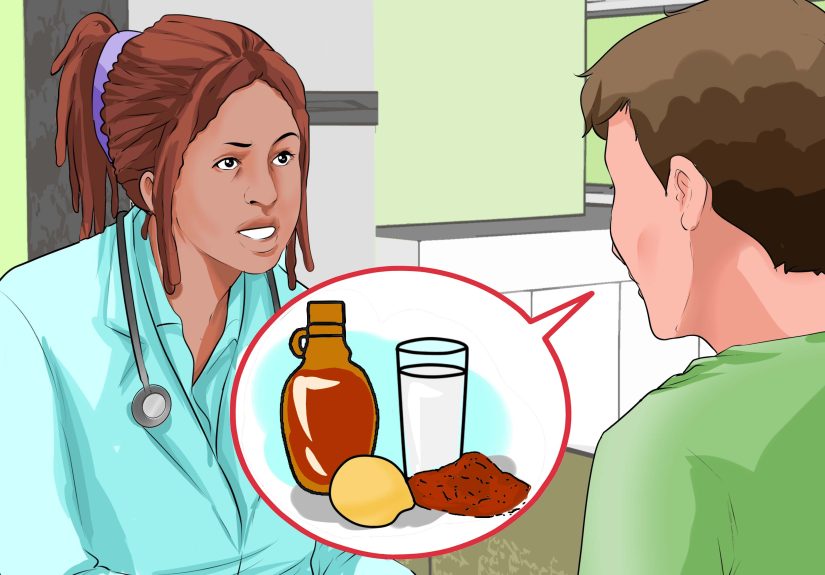
If you have diabetes, take medication, have a history of disordered eating, are pregnant, are breastfeeding, or have a chronic condition, get medical guidance before fasting. Fasting can change blood sugar, blood pressure, medication timing, hydration needs, and energy levels.
This step may not feel exciting, but it is the difference between “wellness strategy” and “science experiment starring your pancreas.”
4. Prepare Your Body for Two to Three Days
Do not jump from pizza, soda, and three desserts straight into a strict fast. Your body may respond with headaches, cravings, fatigue, and a general sense of betrayal. Instead, spend a few days easing in.
Eat more vegetables, fruits, beans, lentils, whole grains, lean proteins, nuts, seeds, and healthy fats. Reduce alcohol, excess sugar, fried foods, and heavily processed snacks. This preparation phase helps make fasting feel less like a wrestling match with your appetite.
5. Hydrate Like It Is Your Job
During fasting hours, water is your best friend. Unsweetened tea or black coffee may also fit many fasting plans, but water should be the main event. Dehydration can cause headaches, dizziness, constipation, fatigue, and irritability. In other words, it can turn you into a low-battery version of yourself.
Do not do dry fasting, which means avoiding both food and water, unless specifically supervised for a religious or medical reason. For general wellness, dry fasting adds unnecessary risk.
6. Keep Electrolytes in Mind
Electrolytes such as sodium, potassium, and magnesium help regulate fluid balance, muscle function, and nerve signaling. Most short overnight fasts do not require special electrolyte products, but longer fasts, heavy sweating, intense exercise, or hot weather can increase your needs.
If you feel lightheaded when standing, have muscle cramps, or feel unusually weak, stop fasting and consider whether dehydration or low intake may be involved. People with high blood pressure, kidney disease, or heart conditions should not add electrolyte powders or extra salt without medical advice.
7. Avoid “Detox” Pills, Laxatives, and Extreme Cleanses
A fasting cleanse should not include laxative teas, colon cleanses, unregulated detox supplements, or products promising to remove mysterious toxins. Many detox products are poorly supported by evidence, and some may contain ingredients that interact with medications or cause harm.
Your body cleanses itself through normal physiology. Your job is to support that process with hydration, fiber, protein, sleep, movement, and nutrient-rich foodsnot to buy a bottle with a lightning bolt on the label and hope for enlightenment.
8. Eat Balanced Meals During Your Eating Window
The eating window is not a nutritional free-for-all. If you fast for 16 hours and then eat only chips, cookies, and a heroic amount of cheese, your body may not send a thank-you note.
Build meals around protein, fiber-rich carbohydrates, healthy fats, and colorful plants. A strong plate might include grilled salmon, quinoa, roasted vegetables, avocado, and berries. Another option could be eggs, sautéed spinach, whole-grain toast, and Greek yogurt. The goal is nourishment, not just calorie timing.
9. Prioritize Protein to Protect Muscle
One concern with fastingespecially for older adults or people eating too littleis muscle loss. Protein helps maintain muscle tissue, supports fullness, and stabilizes energy. Include protein at each meal when possible.
Good options include eggs, poultry, fish, tofu, tempeh, Greek yogurt, cottage cheese, beans, lentils, and lean meats. Pair protein with resistance exercise, even simple bodyweight moves, to help your body keep the muscle you already have.
10. Use Fiber to Support Digestion
If your idea of cleansing is better digestion, fiber deserves a starring role. Fiber supports regular bowel movements, feeds beneficial gut bacteria, and helps you feel satisfied. Fasting without enough fiber can backfire by causing constipation, which is not exactly the fresh, glowing reset people imagine.
Choose oats, berries, apples, beans, lentils, chia seeds, flaxseed, vegetables, and whole grains. Increase fiber gradually and drink enough water, because fiber without fluid is like sending a marching band through a hallway.
11. Move Gently While Fasting
Light movement can support circulation, digestion, mood, and energy. Walking, stretching, gentle yoga, and easy cycling are usually better choices during fasting hours than intense workouts, especially for beginners.
If you train hard, schedule workouts near your eating window so you can fuel and recover properly. Athletes, physically demanding workers, and people with high energy needs may need a modified fasting planor no fasting plan at all.
12. Watch for Warning Signs
Mild hunger can be normal during fasting. Severe symptoms are not. Stop fasting if you experience fainting, chest pain, confusion, severe weakness, repeated vomiting, intense dizziness, heart palpitations, or signs of low blood sugar such as shakiness, sweating, and disorientation.
Also pay attention to mental warning signs. If fasting leads to binge eating, shame, food obsession, anxiety, or social isolation, it is not supporting your health. A cleanse should make life feel more balanced, not smaller.
13. Break Your Fast Carefully
How you break a fast matters. After a short overnight fast, a normal balanced meal is fine. After a longer fast, start smaller. Try soup, yogurt with fruit, eggs, oatmeal, a smoothie with protein, or a simple plate of rice, vegetables, and lean protein.
Avoid breaking a fast with a huge greasy meal unless your goal is to feel like your stomach is writing a strongly worded complaint. Eat slowly, chew well, and give your digestive system time to wake up.
14. Evaluate and Adjust
After one or two weeks, review how fasting affects your energy, sleep, digestion, mood, workouts, cravings, and social life. If you feel better and are eating enough nutrients, your plan may be working. If you feel depleted, irritable, or overly restricted, adjust the fasting window or stop.
The best fasting cleanse is not the strictest one. It is the one that supports your health without turning every meal into a math problem or every dinner invitation into a moral crisis.
What to Eat Before, During, and After a Fasting Cleanse
Before Fasting
Eat balanced meals with slow-digesting carbohydrates, protein, healthy fats, and fiber. A good pre-fast dinner might include chicken or tofu, sweet potatoes, steamed broccoli, olive oil, and fruit. This type of meal supports fullness and provides nutrients your body can actually use.
During Fasting
Stick with water, unsweetened tea, or black coffee if these fit your plan. Avoid sugary drinks, alcohol, and “cleanse” beverages that are basically dessert wearing a wellness hat. If you feel unwell, break the fast.
After Fasting
Break your fast with real food. Choose protein, produce, and fiber. Examples include oatmeal with berries and nuts, a vegetable omelet, Greek yogurt with chia seeds, lentil soup, or a turkey and avocado wrap on whole-grain bread.
Common Mistakes to Avoid
One common mistake is using fasting as permission to ignore nutrition. Meal timing cannot rescue a diet that lacks protein, fiber, vitamins, and minerals. Another mistake is going too strict too soon. A 12-hour fast done consistently is often more useful than a 24-hour fast that leaves you exhausted and cranky.
People also forget that sleep and stress affect hunger hormones. Poor sleep can increase cravings and make fasting harder. Chronic stress can do the same. If you want a cleaner, calmer body, bedtime may be just as important as breakfast timing.
Realistic Benefits of Fasting
Some people find that fasting reduces mindless snacking, simplifies meal planning, and helps them notice true hunger cues. Others may experience modest weight loss because they naturally eat fewer calories. Some research suggests fasting may improve certain metabolic markers in some groups, but results vary, and fasting is not clearly superior to other healthy eating patterns for everyone.
The biggest benefit may be behavioral. Fasting can create a boundary around eating, especially for people who graze late into the evening. Closing the kitchen after dinner can be surprisingly powerful. The refrigerator may still whisper, but you do not have to answer.
Realistic Risks of Fasting
Fasting may cause headaches, irritability, low energy, constipation, dizziness, overeating, nutrient gaps, or difficulty exercising. In people with certain health conditions, it can be risky. Long fasting windows may also be difficult to maintain socially and emotionally.
That is why fasting should be flexible. You can pause it for travel, holidays, workouts, illness, or family meals. Health habits should fit into your life, not demand that your life file a formal application.
of Real-World Experiences: What Fasting Actually Feels Like
Many people begin a fasting cleanse expecting fireworks: instant energy, glowing skin, perfect focus, and perhaps a sudden desire to alphabetize the spice cabinet. The real experience is usually quieter. The first few days can feel awkward because eating is not just fuel; it is routine, comfort, boredom relief, celebration, and sometimes procrastination with snacks.
A common beginner experience is surprise hunger at habitual times. Someone who always eats at 10 p.m. may feel hungry at 10 p.m. even after a full dinner. That does not always mean the body needs food immediately. Sometimes it means the brain has memorized a pattern. Drinking water, brushing teeth, taking a walk, or going to bed earlier can help break the loop.
Another common experience is morning clarity. Some people feel lighter and more focused when they delay breakfast slightly. Others feel foggy, shaky, or grumpy. Both responses matter. Fasting is not a moral test. If your coworker feels amazing on a 16:8 schedule and you feel like a haunted stapler, your body may need a different plan.
Digestive changes are also common. Some people notice less bloating when they stop late-night eating or reduce processed foods. Others get constipated because they accidentally eat less fiber or drink less water. This is why a fasting cleanse should include vegetables, beans, whole grains, fruit, and fluids during eating hours. Your digestive system appreciates consistency more than drama.
Social situations can be tricky. A fasting schedule that works beautifully Monday through Thursday may collide with Friday pizza night. The healthiest approach is flexible. You can shift your eating window, enjoy dinner with friends, and return to your routine the next day. A plan that cannot survive a birthday party is not a lifestyle; it is a fragile spreadsheet.
People often learn that fasting works best when it is boring in a good way. The most successful routines are simple: stop eating after dinner, drink water, sleep well, eat a balanced first meal, and repeat. No neon drinks. No heroic suffering. No pretending black coffee is a personality.
Over time, fasting can become less about cleansing and more about awareness. You may notice which foods keep you full, which meals trigger cravings, how sleep affects hunger, and whether late-night snacking is physical hunger or just the couch asking for company. That awareness is valuable. It helps you build a calmer relationship with food.
The best experience is not feeling “empty” or “pure.” It is feeling steady. A good fasting routine should leave you hydrated, nourished, clear-headed, and able to enjoy life. If it does that, it may be a helpful tool. If it makes you miserable, there are many other ways to support your health, including balanced meals, regular movement, better sleep, and less ultra-processed food.
Conclusion
Learning how to cleanse your body through fasting starts with a more honest definition of cleansing. Your body is not dirty, broken, or in need of punishment. It is already working hard through your liver, kidneys, gut, lungs, and skin. Fasting can support healthier routines when done gently, safely, and with enough nutrition during eating windows.
Start small, hydrate well, eat balanced meals, avoid extreme detox products, and listen closely to your body. A smart fasting cleanse should feel like a reset button for your habitsnot a panic button for your metabolism.





 Close
Close