
Table of Contents >> Show >> Hide
- Before You Start: The Smart (and Safe) Setup
- How To Clean Stove Drip Pans: 4 Ways That Actually Work
- How to Choose the Right Method
- Common Mistakes That Make Drip Pans Worse
- Material-Specific Tips (Because Not All Drip Pans Are the Same)
- When Cleaning Isn’t Enough: Time to Replace
- Maintenance Plan So You Don’t Have to Deep-Clean Again Next Month
- Real-World Cleaning Experiences (The “What Actually Happens” Section)
- Conclusion
Stove drip pans are like the stage crew of your kitchen: they catch every messy disaster, get zero credit, and somehow end up looking like they survived a tiny volcano. The good news? You usually don’t need magic, a brand-new stove, or a hazmat team to bring them back to life. You just need the right method for the level of grime.
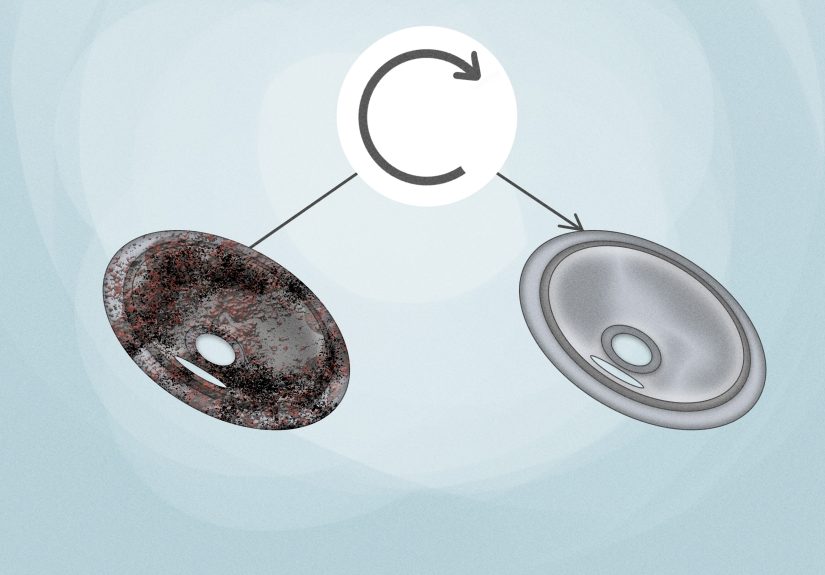
In this guide, you’ll learn four practical ways to clean stove drip pans so they look close to new again (or at least “I’m not embarrassed if someone lifts the burner” clean). We’ll cover quick-clean options, heavy-duty methods for baked-on grease, safety tips, and smart maintenance habits so you spend less time scrubbing and more time doing literally anything else.
Before You Start: The Smart (and Safe) Setup
This article is mainly for electric coil stoves with removable drip pans (also called drip bowls). Before cleaning, make sure the stove is fully cool. If your model has removable coils, remove them carefully and avoid getting the electrical connection wet. Also, check your owner’s manual because drip pans come in different finishes (chrome, porcelain, aluminum), and some finishes handle scrubbing better than others.
One more important thing: if you plan to use ammonia for a deep-clean method, work in a well-ventilated area, wear gloves, and never mix cleaners (especially ammonia and bleach). That combo creates toxic fumes. We’ll keep the process simple and safe.
What You’ll Need
- Dish soap (preferably grease-cutting)
- Distilled white vinegar
- Baking soda
- Hydrogen peroxide
- Household ammonia (for heavy buildup only)
- Soft sponge or dishcloth
- Nylon scrubber or plastic scrubber
- Microfiber cloth or lint-free towel
- Large sink or tub
- Resealable plastic bags (for the ammonia method)
- Gloves
How To Clean Stove Drip Pans: 4 Ways That Actually Work
1) The Everyday Method: Hot Soapy Water + Light Scrub
Best for: weekly cleaning, fresh spills, light grease, and “I should have done this last Sunday” messes.
This is the easiest method and the best place to start. A lot of grime loosens up once the pans soak in hot, soapy water. If you cook often, this simple routine can stop buildup before it turns into a scrubbing workout.
- Wait until the stovetop is completely cool.
- Remove the coil burners (if removable) and lift out the drip pans.
- Shake loose crumbs into the trash and wipe off dry debris with a paper towel.
- Fill a sink or tub with hot water and dish soap.
- Soak the drip pans for 10–15 minutes (longer if greasy).
- Scrub with a sponge or nylon scrubber.
- Rinse thoroughly and dry completely with a microfiber cloth.
Pro tip: If there’s still some stuck-on food, sprinkle a little baking soda on the sponge and keep scrubbing. Baking soda acts like a gentle abrasive without being too aggressive on most finishes.
2) The Deodorizing Method: Vinegar + Baking Soda
Best for: grease, mild burnt spots, and drip pans that smell like last week’s chili.
This method is popular because it uses common ingredients and does a nice job with greasy residue and odors. The soak-soften-scrub routine is the real hero here. The fizz is fun, but the soaking time is what does the heavy lifting.
- Remove and shake off crumbs and loose debris.
- Soak the drip pans in hot, soapy water for about 15 minutes.
- Drain the water and cover the pans with white vinegar for about 30 minutes.
- Sprinkle baking soda over the pans and let it sit for another 10–15 minutes.
- Scrub with a plastic or nylon scrubber.
- Rinse and dry fully before reinstalling.
If you’re dealing with strong odors, add a splash of vinegar to the initial soapy soak. For many people, that alone helps a lot. Just don’t expect zero scrubbingdrip pans are stubborn little metal saucers with attitude.
3) The Heavy-Duty Method: Ammonia in a Sealed Bag (Overnight)
Best for: baked-on grease, old carbonized splatter, and drip pans that look like they belong in a museum exhibit called Meals of the Past.
This is the deep-clean method for serious grime. You’re not soaking the pans in ammonia so much as using the fumes in a sealed bag to loosen the mess. It’s very effective, but it requires patience and careful handling.
- Place each drip pan in a separate resealable plastic bag (or use a large container with a lid).
- Add a small amount of household ammonia (about 1/4 cup per bag is common).
- Seal the bag and leave it in a well-ventilated area for 8–12 hours (overnight is easiest).
- Open the bag carefully to avoid breathing strong fumes.
- Wash the pan with hot, soapy water and scrub off loosened residue.
- Rinse thoroughly and dry completely.
Safety note (seriously): Never mix ammonia with bleach or any unknown cleaner. Use gloves, keep kids and pets away, and ventilate the area well. If the smell is overwhelming, step away and let the air clear before continuing.
4) The Stain-Lifting Method: Hydrogen Peroxide + Baking Soda
Best for: scorched spots, dull-looking pans, and residue that survived the first two rounds.
This combo is great when you need a paste-like treatment that clings to the surface. It’s especially handy for spot treatment after a basic wash.
- Rinse the drip pans and place them in the sink.
- Sprinkle a generous layer of baking soda over the stained areas.
- Pour hydrogen peroxide over the baking soda until it fizzes and forms a paste.
- Let it sit for about 30 minutes.
- Scrub with a sponge or nylon scrubber.
- Rinse well and dry thoroughly.
If stains remain, repeat once more before declaring defeat. Some discoloration is permanent, especially on older chrome or aluminum pans, but this method often improves them a lot.
How to Choose the Right Method
- Light mess / weekly cleanup: Start with hot soapy water and a sponge.
- Greasy, smelly pans: Use vinegar + baking soda.
- Burnt-on, crusty buildup: Use the overnight ammonia method.
- Stubborn stains after cleaning: Finish with hydrogen peroxide + baking soda.
You can also combine methods in stages. For example, start with dish soap, then move to vinegar and baking soda, and only use ammonia if the pans still look like a charcoal sketch.
Common Mistakes That Make Drip Pans Worse
Using Aluminum Foil as a Liner
It sounds clever, but it can trap heat, affect burner performance, and create a safety hazard if it shifts. If you want liners, use heat-safe liners made for your stove model.
Soaking the Electric Coils
Don’t do it. Drip pans can be soaked, but electric coils should not be submerged because the electrical connection can be damaged.
Reinstalling Parts While Wet
Moisture and electricity are not a dream team. Dry drip pans and coils completely before putting everything back.
Using the Wrong Scrubber for the Finish
Chrome, porcelain, and aluminum don’t all behave the same. Some finishes scratch easily, and aggressive scrubbing can make them look worse. When in doubt, start gentle and check the manufacturer’s care instructions.
Material-Specific Tips (Because Not All Drip Pans Are the Same)
Chrome Drip Pans
Chrome looks great when clean, but it shows stains fast. Start with dish soap or an all-purpose cleaner. For tougher buildup, some manufacturer guidance allows an ammonia solution and even a more abrasive padbut use caution and test gently first.
Porcelain Drip Bowls
Porcelain is often a little more forgiving and many models are dishwasher safe. If your manual says it’s okay, the dishwasher can be a great low-effort option. Otherwise, dish soap and a soft scrubber work well.
Aluminum Drip Pans
Aluminum pans can sometimes go in the dishwasher, but they may discolor. That doesn’t always mean they’re dirtyjust cosmetically changed. Frequent handwashing with soap and water can help prevent heavy cooked-on soils.
When Cleaning Isn’t Enough: Time to Replace
Even the best cleaning method can’t fix everything. If your drip pans are warped, heavily pitted, rusted through, or permanently stained, replacement is usually the smarter move. In many cases, replacement sets are inexpensive and instantly make the stovetop look cleaner.
A good rule of thumb: if the pans are hard to clean every single time, or they no longer sit correctly under the burner, stop fighting them. Retirement is a valid option. Your stoveand your elbowswill thank you.
Maintenance Plan So You Don’t Have to Deep-Clean Again Next Month
- Wipe spills quickly: Once the stove cools, wipe splatters before they bake on.
- Weekly quick clean: Pull the pans and do a hot soapy soak if you cook often.
- Seasonal deep clean: Do a thorough scrub every few months (or at the start of each season).
- Use a degreasing dish soap: It makes a bigger difference than people think.
- Keep a nylon scrubber nearby: A little daily effort beats a weekend scrubbing marathon.
Real-World Cleaning Experiences (The “What Actually Happens” Section)
If you’ve ever cleaned stove drip pans, you already know the emotional journey. It usually starts with confidence (“This will take ten minutes!”), moves into bargaining (“Maybe if I let it soak longer…”), and ends with a very serious conversation with a sponge. That’s normal. Drip pans collect heat-baked grease, sugary spills, and mystery splatter that turns into a crusty layer you can practically carbon-date.
One common experience is the weeknight boil-over. Pasta water bubbles over, sauce splashes, and you tell yourself you’ll clean it tomorrow. A few dinners later, that spill has transformed into a dark ring that seems bonded to the metal at a molecular level. In real life, the hot soapy soak method works surprisingly well hereespecially if the mess is only a few days old. Most people find that a 15-minute soak plus a nylon scrubber handles the gunk without much drama.
Then there’s the “I haven’t looked under there in months” situation. This is where the vinegar-and-baking-soda method helps with smell and grease, but you may still need elbow grease. A lot of people expect the fizz to do everything. It won’t. The soaking steps are doing most of the work, and scrubbing still matters. That’s why many home cleaners end up using a two-step approach: vinegar soak first, then a baking soda scrub. It’s less glamorous than viral cleaning videos, but it’s realistic and effective.
The overnight ammonia method is the one that feels like a cheat code when pans are truly nasty. People often describe opening the bag the next morning and seeing residue wipe off much easier than expected. The big lesson from experience, though, is safety: do it with ventilation, handle the bags carefully, and never improvise by mixing products. The method works because of the fumes loosening grimenot because you need to “boost” it with something stronger.
Another real-world lesson: sometimes the drip pans get cleaner but still don’t look new because of discoloration or wear. That’s especially common with older chrome or aluminum pans. This is where expectations matter. “Like new” can mean shiny and sanitary, not necessarily showroom-perfect. If the pans are warped or permanently stained, replacement is a smart upgrade, not a cleaning failure.
And finally, the best experience of all: the first time you start cooking on a clean stovetop and don’t smell old burnt grease heating up. That’s the reward. Cleaner drip pans help the whole stove feel fresher, and they make regular kitchen cleanup way less annoying. Once you’ve done a proper reset, maintaining them weekly is genuinely easier. You’ll still roll your eyes at them now and thenbut at least they won’t look like tiny oil slicks under your burners.
Conclusion
If you want stove drip pans that look like new, the trick is choosing the right method for the mess: dish soap for maintenance, vinegar and baking soda for grease and odors, ammonia for baked-on buildup, and hydrogen peroxide with baking soda for stubborn stains. Start gentle, clean safely, and dry everything thoroughly before reassembling. With a little routine upkeep, you can avoid the dreaded “scrub until your arm files a complaint” cleaning session.






 Close
Close