
Table of Contents >> Show >> Hide
- Why Your Whirlpool Washer Needs Cleaning
- What You Need to Clean a Whirlpool Washing Machine
- How to Clean a Whirlpool Washing Machine Fast
- How to Clean a Whirlpool Top-Load Washer
- How to Clean a Whirlpool Front-Load Washer
- How Often Should You Clean a Whirlpool Washing Machine?
- What to Avoid When Cleaning Your Washer
- How to Keep a Whirlpool Washer Clean Longer
- Troubleshooting: If the Smell Is Still There
- Real-Life Experiences and Practical Lessons From Cleaning a Whirlpool Washer
- Conclusion
If your Whirlpool washing machine has started smelling less like “fresh laundry day” and more like “forgotten gym bag with emotional damage,” it is probably time for a proper cleaning. The good news is that cleaning a washer is not a dramatic home-improvement saga. You do not need a hazmat suit, a weekend retreat, or a motivational speech. You just need the right method, a few simple supplies, and about an hour of machine time.
A dirty washer can collect detergent residue, fabric softener film, lint, mineral deposits, and moisture. That combination can lead to mildew smells, dingy laundry, and the annoying realization that the appliance designed to clean things has somehow become the dirty one in the relationship. The fastest fix is to clean the washer tub, the gasket or lid area, the dispenser drawer, and the outside surfaces, then build better habits so the problem does not come back next Tuesday.
This guide breaks down the easy and fast way to clean a Whirlpool washer, whether you own a front-load or top-load model. It also explains what to avoid, how often to clean it, and what to do when your washer still smells funky after one cleaning cycle. Spoiler alert: sometimes your machine just needs a second round, not a therapist.
Why Your Whirlpool Washer Needs Cleaning
Most people assume soap and water keep a washer sparkling forever. That would be lovely. It would also be fiction. Modern high-efficiency washers use less water, which is great for utility bills, but it also means leftover detergent, body oils, and soil can cling to the drum, gasket, and internal parts more easily. Add trapped moisture, and your machine becomes a cozy little resort for odor-causing buildup.
Cleaning your washer regularly helps with:
- Reducing musty or sour odors
- Removing soap scum and residue
- Keeping the drum, gasket, and dispensers cleaner
- Improving washer performance
- Helping laundry smell fresher after each cycle
- Reducing the chance of mold and mildew growth in damp areas
If you wash mostly in cold water, use too much detergent, leave wet clothes sitting overnight, or close the door immediately after every wash, your washer may need attention sooner rather than later. In other words, your machine remembers your habits even when you do not.
What You Need to Clean a Whirlpool Washing Machine
Before you start, gather a few basic supplies. Keep it simple and avoid turning this into a chemistry experiment.
- A washer cleaner tablet or other cleaner approved in your owner’s manual
- A clean microfiber cloth or soft sponge
- Mild dish soap
- Warm water
- An old soft toothbrush for tight corners
- Optional: diluted bleach solution for visible mildew on a gasket, if your model manual allows it
Important: Do not mix bleach with vinegar or any other cleaner. Also, while many internet cleaning tips love vinegar as if it pays rent, you should always follow your Whirlpool owner’s manual first. Some guidance warns that vinegar may not be ideal for all washer parts, especially rubber seals and hoses over time.
How to Clean a Whirlpool Washing Machine Fast
Step 1: Empty the Washer Completely
Check the drum for clothes, lone socks, forgotten dryer sheets, and the occasional mystery item that somehow survived three laundry loads. Your washer should be empty before you run a clean washer cycle.
If you have a front-load model, pull back the rubber gasket gently and look for lint, coins, hair ties, or small fabric bits. These tiny stowaways love to hide in the folds.
Step 2: Run the Clean Washer Cycle
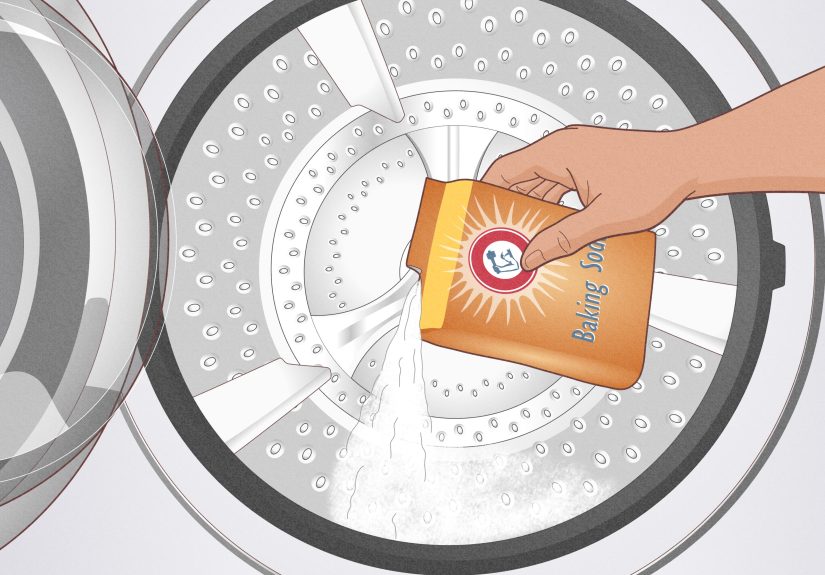
Many Whirlpool models include a dedicated Clean Washer cycle. If yours has one, use it. Place the washer cleaner tablet directly into the empty basket or drum unless your model instructions say otherwise. Then start the cycle and let it finish without interruption.
If your Whirlpool washer does not have a specific clean cycle, run the hottest and highest-water-setting cycle available according to your owner’s manual. The goal is simple: give the interior a thorough wash without laundry inside.
This is the fastest big-win step because it does most of the heavy lifting for odor removal and residue cleanup. Think of it as sending your washing machine to its own tiny spa day, except instead of cucumber water it gets a cleaning tablet and some personal growth.
Step 3: Wipe the Drum, Door, Lid, and Glass
Once the cycle ends, grab a soft cloth and wipe the inside surfaces. On front-load models, pay special attention to the door glass and the rubber gasket. On top-load models, wipe under the lid and around the rim of the tub opening where residue likes to hang out like an unwanted houseguest.
If you notice loosened grime after the cycle, wipe it away right now while it is easier to remove. This quick follow-up step keeps old residue from settling back in.
Step 4: Clean the Front-Load Gasket Thoroughly
If you have a Whirlpool front-load washer, the gasket deserves special attention. It is one of the biggest trouble spots for moisture, lint, and mildew. Gently pull back the folds and inspect the entire seal. Wipe away moisture, soap film, and visible debris with a damp cloth.
For stubborn grime, use warm water with a small amount of mild soap. For visible mildew, only use bleach or another stronger cleaner if your model’s care guide permits it. A soft toothbrush can help reach the tiny creases without damaging the rubber.
This part is not glamorous, but it matters. If your washer smells weird even after a tub-cleaning cycle, the gasket is often the culprit. It is basically the washing machine equivalent of “check under the couch cushions.”
Step 5: Wash the Dispenser Drawer or Compartments
Detergent and fabric softener dispensers can collect sticky residue over time. If your Whirlpool model has a removable dispenser drawer, take it out and rinse it in warm, soapy water. Scrub corners and small channels gently, then rinse and dry before reinstalling.
If the dispenser does not fully remove, wipe what you can reach with a damp cloth and a little mild soap. Do not use anything too abrasive. You are cleaning a dispenser, not sanding a deck.
If your washer has a bulk detergent or Load & Go-style dispenser, check your model instructions for the correct removal and cleaning method. Those systems are convenient, but convenience still likes a monthly cleaning appointment.
Step 6: Wipe the Exterior
The outside of your washer deserves a little love too. Use a soft damp cloth and mild cleaner to wipe the control panel, knobs, handle, and top surfaces. Avoid harsh chemicals and do not spray cleaner directly into electronic controls.
This step is quick, easy, and oddly satisfying. Suddenly your washer goes from “basement appliance with secrets” to “respectable grown-up machine.”
Step 7: Leave the Door or Lid Open to Dry
After cleaning, leave the door or lid open for a while so the interior can dry properly. This one habit makes a big difference in washer odor removal. Airflow helps reduce trapped moisture, which means less funk and fewer mildew smells later.
For front-load washers, leaving the door slightly ajar is especially helpful. For top-load washers, opening the lid after the cycle gives the tub time to dry out instead of marinating in leftover humidity.
How to Clean a Whirlpool Top-Load Washer
A top-load washer cleaning routine is generally a little easier because you do not have a front gasket to manage. Still, grime can build up under the lid, around the bleach and softener compartments, and near the top rim of the drum.
For a top-loader, focus on these areas:
- The inner basket or tub
- The underside of the lid
- The top rim around the drum opening
- Dispenser cups or inserts
- The exterior controls and top panel
If your Whirlpool top-loader includes a Clean Washer cycle, use it monthly. If your model guide says you can use bleach or a washer cleaner tablet, follow those directions exactly. Avoid tossing in random DIY ingredients just because they sound homespun and confident.
How to Clean a Whirlpool Front-Load Washer
A front-load Whirlpool washer needs a little more detail work because moisture tends to linger in the gasket, door area, and dispenser drawer. That does not mean it is difficult. It just means you need to clean smarter, not louder.
For a front-loader, prioritize:
- The drum and Clean Washer cycle
- The rubber door gasket
- The door glass
- The detergent and softener drawer
- The lower filter area, if your model includes one and the manual provides cleaning steps
Some Whirlpool front-load models have a drain pump filter that should be checked periodically. Not every model is the same, so consult your use and care guide before opening anything. If your machine has one, a neglected filter can contribute to odors, drainage issues, and the general vibe of “something in here is unhappy.”
How Often Should You Clean a Whirlpool Washing Machine?
For most households, once a month is a smart schedule. Some Whirlpool guidance also phrases this as about every 30 washes. If you do laundry constantly, wash lots of towels or athletic gear, or live in a humid climate, monthly cleaning is especially important.
You may need to clean it sooner if:
- Your washer smells musty
- Your laundry comes out less fresh than it should
- You see residue in the dispenser or gasket
- You use fabric softener often
- You accidentally use too much detergent
If the washer has not been cleaned in a very long time, one cycle may not be enough. A second cleaning cycle is sometimes the practical answer. Appliances, like people, can need a reset when life gets messy.
What to Avoid When Cleaning Your Washer
Fast cleaning works best when you skip the common mistakes. Here are the big ones:
- Do not overload cleaners. More is not always better. Too much cleaner can leave residue behind.
- Do not mix bleach and vinegar. Ever. That is not a cleaning shortcut. That is a terrible idea.
- Do not use harsh scrubbers. Steel wool and rough brushes can damage finishes and seals.
- Do not ignore the owner’s manual. Whirlpool models vary, and the manual gives the safest model-specific directions.
- Do not keep the machine sealed shut all the time. Moisture needs a way out.
- Do not overuse detergent. Too much detergent can create buildup and odor problems, especially in HE machines.
How to Keep a Whirlpool Washer Clean Longer
Once your washer is clean, use a few simple habits to keep it that way:
- Use only the recommended amount of HE detergent for high-efficiency models
- Remove wet clothes promptly after the cycle ends
- Leave the door or lid open between loads
- Wipe the gasket dry after front-load washes
- Clean the dispenser drawer regularly
- Run a washer-cleaning cycle monthly
- Use warm or hot water sometimes if you mainly wash in cold water
These tiny habits take less than a minute, but they can save you from the full “why does my clean laundry smell suspicious?” crisis later.
Troubleshooting: If the Smell Is Still There
If you cleaned your washer and it still smells bad, do not panic. Start with the most likely trouble spots:
- Recheck the gasket folds for hidden debris or mildew
- Clean the dispenser drawer again
- Inspect for excess detergent buildup
- Run another clean cycle
- Check whether your model has a filter that needs maintenance
- Make sure you are not leaving wet clothes in the machine for long periods
If the odor persists after repeated cleanings and proper upkeep, it may be time to contact Whirlpool support or have the machine inspected. Sometimes the problem goes deeper than normal maintenance, and no amount of cheerful wiping can negotiate with a clogged internal part.
Real-Life Experiences and Practical Lessons From Cleaning a Whirlpool Washer
One of the most common experiences people have with a Whirlpool washer is thinking the machine is clean because the drum looks fine at first glance. Then they open the door seal on a front-loader or peek under the dispenser tray and realize the washer has been keeping secrets. The biggest lesson is that a washer can look decent and still need a serious cleaning. Smell is often the first clue, not appearance.
Another common experience is using too much detergent because it feels like extra soap should mean extra clean clothes. In real life, it often creates the opposite result. The washer starts holding onto residue, the drum smells off, and towels lose that fresh finish. Once people switch to the correct HE detergent amount and start cleaning the washer monthly, the difference is obvious. Laundry smells cleaner, the machine feels fresher, and there is less film inside the door or drum.
Front-load owners often say the gasket changed everything for them. They ran a cleaning cycle, expected magic, and were disappointed when the smell lingered. Then they cleaned under the rubber seal and found lint, hair, pet fur, or a little patch of mildew. That one step usually explains a lot. It is not glamorous, but it is one of the best examples of how a small overlooked area can control the whole machine’s smell.
Top-load owners usually discover that buildup around the lid and dispenser is more stubborn than expected. Fabric softener especially likes to leave a sticky trail. Wiping these areas regularly keeps the washer from developing that sour, stale odor that seems to come out of nowhere. In practice, the “easy and fast” method works best when people stop waiting for a huge odor problem and just do quick maintenance every month.
There is also a real learning curve with internet cleaning hacks. Many people try vinegar first because it sounds simple and cheap. Sometimes it seems to help for a while, but appliance guidance often points users back to model-approved cleaners and routine maintenance instead of freestyle chemistry. The smartest real-world approach is usually the least dramatic one: use the cycle your washer was built for, clean the gasket and dispenser, let the machine dry out, and repeat on schedule.
In everyday life, the fastest washer-cleaning routine is the one that becomes a habit. Run the clean cycle while you do other chores. Wipe the gasket while the coffee brews. Leave the door cracked open when you are done. It is not exciting, but it works. And in the world of laundry, “it works” is a love language.
Conclusion
Cleaning a Whirlpool washing machine does not have to be complicated, expensive, or weirdly theatrical. The fastest method is also the smartest one: run the correct cleaning cycle, clean the gasket or lid area, wash the dispenser, wipe the surfaces, and let the machine dry out afterward. Do that once a month, and your washer has a much better chance of staying fresh, efficient, and ready to tackle your next mountain of laundry without smelling like regret.
If you want cleaner clothes, a fresher laundry room, and fewer surprise odors, regular washer care is one of the easiest maintenance habits you can build. Your washing machine works hard. The least it deserves is a monthly spa day that does not involve mystery sludge.





 Close
Close