
Table of Contents >> Show >> Hide
- What “Browning” Really Means (and Why Your Oven Sometimes Refuses)
- Pick the Right Pork Chop for Browning (Yes, It Matters)
- Before You Bake: The Browning Prep Checklist
- Food Safety: The One Number You Actually Need
- Method 1: Sear Then Bake (Best Browning + Juicy Interior)
- Method 2: Bake Then Broil (The “Oven-Only” Browning Fix)
- Method 3: Reverse Sear (Gentle Bake, Fast Finish, Big Payoff)
- Seasoning Ideas That Brown Well (Without Turning Into Candy)
- Troubleshooting: Why Your Chops Aren’t Browning
- Serving Moves That Make Brown Pork Chops Feel Like a Main Character
- Quick Recap: The Browning Roadmap
- of Real-World Kitchen Experience (So You Don’t Learn the Hard Way)
Baked pork chops have a reputation problem. Not because they’re inherently boringpork chops are basically “steak’s polite cousin” but because too many of them come out looking like they attended a spa retreat instead of a high-heat browning party. If you’ve ever pulled a tray from the oven and thought, “Wow… so beige,” you’re in the right place.
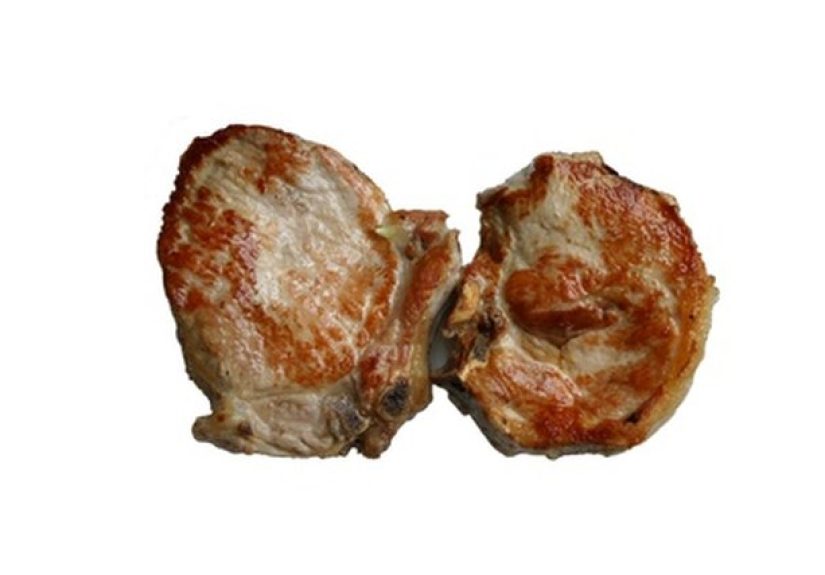
Browning baked pork chops isn’t about vanity (okay, it’s a little about vanity). It’s about flavor. That deep golden crust is where the savory magic lives: the Maillard reaction, caramelized edges, and the kind of aroma that makes people suddenly appear in your kitchen “just to see what’s going on.”
This guide shows you three reliable ways to get beautifully browned pork chops while still baking them with practical temperatures, timing logic, and real-world fixes for the most common pork-chop tragedies. You’ll also get a “kitchen experience” section at the endbecause techniques are great, but stories are what keep you from repeating mistakes.
What “Browning” Really Means (and Why Your Oven Sometimes Refuses)
Browning is the result of high heat meeting a dry surface. If your pork chop is wet, it steams. If it steams, it stays pale. And if it stays pale… well, let’s just say the dinner conversation better be interesting.
The two enemies of a browned baked pork chop
- Moisture on the surface: water must evaporate before browning starts.
- Low heat exposure: baking is gentle; browning usually needs a quick blast of higher heat.
So the strategy is simple: dry the surface, then finish with high heateither via a skillet sear, a broiler, or a reverse-sear finish.
Pick the Right Pork Chop for Browning (Yes, It Matters)
You can brown almost any chop, but some are easier than others. For the best crust-and-juicy combo, choose:
- Thickness: ideally 1 to 1.5 inches. Thin chops cook through before they brown properly.
- Bone-in: often juicier and more forgiving (the bone slows cooking slightly).
- A little fat: a fat cap helps flavor and browning. Ultra-lean chops love to dry out as a hobby.
If you only have thin chops (½–¾ inch)
Don’t panic. Thin chops can brown beautifullyjust use the broiler method and keep a close eye. The broiler is basically a tanning bed with higher stakes.
Before You Bake: The Browning Prep Checklist
1) Pat dry like you mean it
Use paper towels and press firmly. You’re not lightly dabbing a tear from the pork chop’s cheek; you’re removing surface moisture so it can brown.
2) Salt early (optional but powerful)
If you have time, salt the chops and refrigerate them uncovered on a rack for at least 1 hour (or up to overnight). This “dry brine” boosts flavor and helps the surface dry out, which makes browning much easier.
3) Consider a pinch of sugar (for faster color)
A tiny amount of sugar in your seasoning (think: ¼ to ½ teaspoon per chop, depending on size) can accelerate browning. You’re not making dessert porkjust giving the crust a head start.
4) Use a little oil
Lightly coat the chop with a high-heat oil (avocado, canola, grapeseed). Oil helps heat transfer and encourages even browning. Don’t drown itthis isn’t a swimming lesson.
5) Elevate on a rack when baking
Baking on a wire rack set over a sheet pan lets hot air circulate and keeps the bottom from steaming in its own juices. Steaming is great for dumplings. Not for crust.
Food Safety: The One Number You Actually Need
The most reliable way to avoid dry pork chops is to stop guessing and use a thermometer. For whole muscle pork chops, the standard target is: 145°F internal temperature, then rest for at least 3 minutes.
Why mention this in a browning article? Because browning is often where people overcook. They keep chasing color until the inside becomes “pork jerky with regrets.” We’re going to get color without sacrificing juiciness.
Method 1: Sear Then Bake (Best Browning + Juicy Interior)
This is the gold standard for thick chops. You build the crust in a skillet, then let the oven finish gently and evenly. Bonus: it looks like you know what you’re doing.
How it works
- Preheat the oven to 375–400°F.
- Heat a skillet (cast iron is ideal) over medium-high heat until hot.
- Add oil, then sear chops 2–4 minutes per side until deeply golden.
- Transfer skillet to oven (or move chops to a baking rack) and bake until the internal temp hits 145°F.
- Rest 3–5 minutes before slicing.
Example timing (realistic, not magical)
For a 1-inch bone-in chop: sear about 3 minutes per side, then bake roughly 6–12 minutes (timing varies by oven and starting temperature). Start checking early. Thermometers don’t lie, but ovens absolutely do.
Pro browning tips
- Don’t move the chop too soon: it releases when the crust forms.
- Don’t crowd the pan: crowding creates steam, and steam creates sadness.
- Sear the fat cap: hold the chop on its side with tongs for 30–60 seconds to crisp the edge.
Method 2: Bake Then Broil (The “Oven-Only” Browning Fix)
If you want to stay on a sheet pan (or you’re allergic to washing skillets), bake first and then broil for color. The broiler is your “browning button”use it like a finishing torch.
How it works
- Preheat oven to 400°F.
- Place chops on a rack over a foil-lined sheet pan (easy cleanup = future you says thank you).
- Bake until the chops are within about 10–15°F of your target internal temperature.
- Switch to broil (typically high), position the rack about 4–6 inches from the element.
- Broil 1–3 minutes per side (watch constantly) until browned.
- Rest at least 3 minutes.
Why bake first?
Baking gets the inside mostly done without scorching the outside. Then broiling provides the high heat needed for browning. It’s the same logic as finishing crème brûléeexcept your dessert is pork and your reward is dinner.
Broiler survival rules
- Do not walk away. Broilers turn “golden brown” into “carbon audition” fast.
- Rotate the pan halfway through. Many broilers have hot spots.
- Use a thermometer to avoid overshooting 145°F while chasing color.
Method 3: Reverse Sear (Gentle Bake, Fast Finish, Big Payoff)
Reverse searing is popular for steaks, and it’s fantastic for thick pork chops too. You bake at a lower temperature first, then finish with a quick sear (or broil) for a dramatic crust.
How it works
- Preheat oven to 250–300°F.
- Bake on a rack until chops reach about 110–120°F internal.
- Finish with high heat: either a blazing hot skillet sear (1–2 minutes per side) or a quick broil.
- Stop at 145°F, then rest.
This method gives you maximum control. Since the inside warms slowly, you’re less likely to overshoot the final temperature. It’s basically “precision cooking” without buying a gadget that needs its own app.
Seasoning Ideas That Brown Well (Without Turning Into Candy)
Browning loves spices and aromaticsespecially paprika, garlic powder, onion powder, and black pepper. A touch of brown sugar can help, but keep it subtle so it caramelizes instead of burning.
Classic “browning-friendly” rub
- 1 tsp kosher salt (adjust for thickness)
- 1 tsp paprika
- ½ tsp garlic powder
- ½ tsp onion powder
- ½ tsp black pepper
- ¼ tsp brown sugar (optional)
Want a more savory vibe? Skip sugar and finish with a pan sauce (mustard + broth + butter) after baking. Want something brighter? Add lemon zest and a squeeze of juice after cooking (not beforeacid can mute browning).
Troubleshooting: Why Your Chops Aren’t Browning
Problem: “They’re cooked, but they’re pale.”
- Pat them drier next time.
- Use a rack so they don’t steam underneath.
- Finish with a 1–3 minute broil.
- Try the sear-then-bake method for thicker chops.
Problem: “They browned, but they’re dry.”
- Use a thermometer; stop at 145°F and rest.
- Choose thicker chops (thin chops dry out fast).
- Dry brine for better moisture retention and flavor.
- Don’t chase color foreveruse broiler bursts instead of extended baking.
Problem: “My kitchen filled with smoke.”
- Use a higher-smoke-point oil.
- Lower the skillet heat slightly after the initial sear.
- Trim excessive exterior fat if it’s dripping and smoking aggressively.
- Make sure your pan is cleanold residue smokes early.
Serving Moves That Make Brown Pork Chops Feel Like a Main Character
Once you’ve nailed the crust, don’t serve it with sadness on the side. Pork chops love:
- Apple-forward flavors: sautéed apples, apple cider pan sauce, or even a spoon of apple butter.
- Mustard + cream: tangy, rich, and shockingly easy.
- Herbs: thyme, sage, and rosemary bring “steakhouse energy.”
- Roasted vegetables: especially ones that can share the oven (brussels sprouts, carrots, potatoes).
Quick Recap: The Browning Roadmap
- Dry the surface (pat dry; optional dry brine uncovered).
- Use a rack to prevent steaming.
- Pick your browning finish: sear-then-bake, bake-then-broil, or reverse sear.
- Cook to 145°F and rest at least 3 minutes.
- Broil for color in short, supervised bursts.
of Real-World Kitchen Experience (So You Don’t Learn the Hard Way)
In everyday home kitchens, the most common pork-chop storyline goes like this: someone buys chops on sale (reasonable), bakes them “until they look done” (dangerous), then keeps baking because they’re not brown (tragic), and finally serves pork that could double as a durable shoe insert (unforgivable… to the pork). The fix isn’t complicated, but it does require thinking about sequence, not just temperature.
A lot of cooks assume browning happens automatically in the oven the way it does in a skillet. But baking is mostly indirect heat. The chop warms gradually, moisture migrates to the surface, and the outside can hover in a steamy zone before it ever gets hot enough to brown. That’s why the “pat dry + rack” combo changes everything: it stops the chop from sitting in its own juices and helps the exterior dry fast. People are often shocked that such a small detail can turn “pale pork” into “golden edges” with no extra ingredients.
Another frequent lesson: broilers are not “set it and scroll it.” The broiler is the fastest way to fix color, but it’s also the fastest way to accidentally create a smoke alarm solo. What tends to work best in real life is using the broiler in short burstsone to two minutesthen reassessing. This feels fussy the first time, but it’s the difference between a crisp crust and a burned spice rub. And if you used any sugar in your seasoning, that “short burst” mindset becomes non-negotiable.
People also learn (usually after one dry batch) that chasing a specific number of minutes is less reliable than chasing the right internal temperature. Ovens vary. Pork chop thickness varies. Starting temperature varies (straight from the fridge vs. sitting on the counter). But a thermometer doesn’t care about your optimismit tells you the truth. Once cooks start pulling chops at 145°F and letting them rest, the texture improves immediately, and suddenly pork chops stop being the meal everyone politely tolerates.
Finally, there’s the confidence factor. The first time someone sears a chop and it doesn’t release right away, they panic and start prying. That’s when the crust tears, and the chop looks like it lost a minor argument. With a little practice, cooks learn to waitbecause when a proper crust forms, the meat lets go naturally. That patience translates into better browning, better presentation, and fewer kitchen mutter-words. And once you’ve served a tray of browned, juicy chops with crisp edges and a simple pan sauce, you realize: the “baked pork chop problem” was never pork chops. It was technique.






 Close
Close