
Table of Contents >> Show >> Hide
- Average Junk Removal Cost in the U.S.
- What Affects Junk Removal Pricing?
- Junk Removal Cost by Item
- Junk Removal Cost by Truckload
- Cost for Common Junk Removal Projects
- Full-Service Junk Removal vs. Dumpster Rental
- How to Save Money on Junk Removal
- Questions to Ask Before Hiring a Junk Removal Company
- Items Junk Removal Companies May Not Take
- Is Junk Removal Worth the Cost?
- Realistic Cost Examples
- Experience-Based Tips: What People Learn After Booking Junk Removal
- Conclusion: So, How Much Should You Budget?
Junk removal sounds simple until you stand in your garage, stare at a broken recliner, three mystery boxes, two retired appliances, and a treadmill that has become a very expensive coat rack. Suddenly, the big question appears: How much does junk removal cost?
In the United States, most homeowners pay somewhere around $150 to $600 for professional junk removal, with many average jobs landing near the $200 to $300 range. Small single-item pickups may cost as little as $60 to $150, while large cleanouts, construction debris, estate cleanouts, or full truckloads can climb to $700, $1,000, or more.
The honest answer is: junk removal pricing depends on volume, item type, labor, location, disposal fees, and how much your old sofa wants to fight back on the stairs. This guide breaks down the real cost factors, common price ranges, examples, ways to save money, and practical experience-based tips so you can budget without feeling like your junk has hired a financial advisor.
Average Junk Removal Cost in the U.S.
Professional junk removal companies usually price by how much space your items take up in the truck. Some companies also charge by item, by hour, or by the type of material being removed. For most residential jobs, here is a realistic national pricing snapshot:
- Single small item: $60 to $150
- One large item: $100 to $300
- Small load: $150 to $250
- Half truckload: $300 to $500
- Full truckload: $550 to $850+
- Large property or estate cleanout: $1,000+
A typical household junk removal appointment might include old furniture, boxes, small appliances, exercise equipment, rugs, broken shelving, or random garage clutter. If the crew can load everything quickly and the disposal fees are normal, the price stays closer to the middle of the range. If the job involves heavy materials, tight access, multiple flights of stairs, or special disposal rules, the bill can rise faster than a closet avalanche.
What Affects Junk Removal Pricing?
Two neighbors can book junk removal on the same day and receive very different quotes. One has a mattress and a nightstand. The other has a basement that looks like a storage unit lost a wrestling match. Here are the main factors that shape the final cost.
1. Volume of Junk
Volume is the biggest pricing factor. Most full-service junk removal companies charge based on how much room your items take in the truck. A few bags and a chair may count as a minimum-load job. A garage cleanout may take one-quarter, one-half, or a full truckload.
To estimate volume, imagine stacking your junk neatly in a pile. A small pickup may be about the size of a washing machine. A quarter truckload may look like several large pieces of furniture. A full truckload can handle a major cleanout, but even that has limits if the items are extremely heavy.
2. Type of Items
Not all junk is equal. A pile of cardboard boxes is easy to remove. A piano, refrigerator, sleeper sofa, or concrete rubble pile is another story. Heavy, awkward, or regulated items often cost more because they require extra labor, special equipment, recycling fees, or disposal surcharges.
Common higher-cost items include mattresses, large appliances, hot tubs, construction debris, tires, televisions, paint, chemicals, and anything containing refrigerant. Some hazardous materials cannot be handled by regular junk removal companies and must go through a local household hazardous waste facility.
3. Labor and Accessibility
If your junk is waiting curbside, removal is faster and often cheaper. If the crew must carry a couch down three flights of narrow stairs while apologizing to your walls, expect labor to matter.
Accessibility can increase cost when items are in attics, crawl spaces, basements, apartment buildings, backyards without vehicle access, or storage units with limited parking. The harder it is to reach and load the junk, the more time and labor the job requires.
4. Local Disposal Fees
Disposal fees vary widely by city, county, landfill, transfer station, and recycling center. Some areas charge more for mattresses, upholstered furniture, electronics, appliances, tires, or construction materials. In high-cost metro areas, junk removal prices are usually higher because labor, fuel, insurance, and dump fees are also higher.
5. Distance and Scheduling
Travel time matters. If you live far from the company’s service area or disposal facility, your quote may include extra mileage. Same-day or urgent junk removal can also cost more, especially during busy moving seasons, spring cleaning months, or after major storms.
Junk Removal Cost by Item
For small jobs, companies may offer item-based pricing. This is common when you only need one or two things hauled away. Here are typical price ranges:
- Mattress removal: $75 to $200
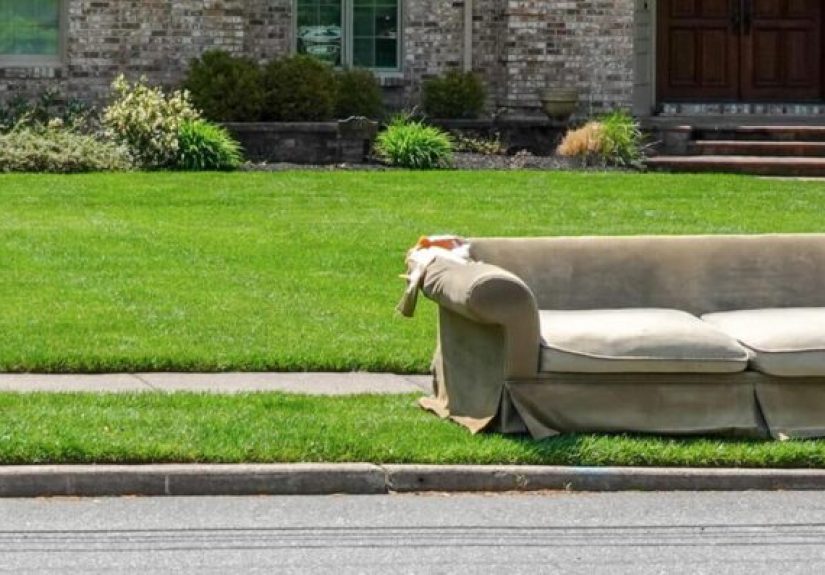
- Couch removal: $120 to $300
- Recliner or chair: $75 to $175
- Washer or dryer: $100 to $250
- Refrigerator: $100 to $300
- Desk or dresser: $80 to $200
- Television: $75 to $200, sometimes more for large or older models
- Hot tub removal: $300 to $700+
Bundling items usually gives you better value. Removing one couch may cost $180, but adding a few bags, a lamp, and a small table may not double the price if they fit within the same truckload tier. In junk removal, empty truck space is your friend.
Junk Removal Cost by Truckload
Truckload pricing is the most common model for full-service junk removal. While each company uses its own truck size and pricing chart, the structure often looks like this:
- Minimum load: $75 to $150
- One-quarter truckload: $150 to $300
- Half truckload: $300 to $500
- Three-quarter truckload: $450 to $700
- Full truckload: $600 to $850+
A full truckload is best for major garage cleanouts, moving leftovers, office cleanouts, estate projects, or post-renovation clutter. However, heavy debris may be capped before the truck is physically full because trucks have weight limits. In other words, a truck can hold more pillows than bricks. Physics, sadly, still charges by the pound.
Cost for Common Junk Removal Projects
Garage Cleanout
A garage cleanout often costs between $250 and $700, depending on how much stuff has gathered since the last time someone said, “We’ll organize this next weekend.” Light clutter, boxes, and small furniture are cheaper. Heavy tools, appliances, shelving, and construction scraps cost more.
Basement or Attic Cleanout
Basement and attic cleanouts usually range from $300 to $800+. The price depends heavily on stairs, dust, tight access, and whether items need to be disassembled. If the crew needs to duck, crawl, lift, and emotionally process your holiday decoration collection, labor time increases.
Furniture Removal
Furniture removal commonly costs $75 to $300 per item, but a multi-piece pickup can be priced by volume. Sofas, sectionals, armoires, and sleeper couches are more expensive because they are bulky and difficult to maneuver.
Appliance Removal
Appliance removal often falls between $100 and $300. Refrigerators, freezers, and air conditioners may cost more because refrigerant must be handled properly. Some utility companies or retailers may offer haul-away programs when you purchase a replacement appliance.
Construction Debris Removal
Construction debris removal can cost $300 to $1,000+, especially if the load includes wood, drywall, tile, cabinets, flooring, concrete, brick, or roofing materials. Heavy debris is usually more expensive than household clutter because dump fees and weight limits matter.
Yard Waste Removal
Yard waste removal may cost $150 to $600, depending on the volume and material. Branches, leaves, brush, soil, mulch, and storm debris can add up quickly. Some cities offer seasonal yard waste pickup, which may be cheaper than hiring a private junk removal company.
Full-Service Junk Removal vs. Dumpster Rental
There are two main ways to get rid of a lot of junk: hire a full-service junk removal crew or rent a dumpster.
Full-Service Junk Removal
Full-service junk removal is the easiest option. A crew arrives, loads the items, hauls them away, and handles disposal. You point, they lift. This is ideal for heavy furniture, apartment cleanouts, time-sensitive projects, or anyone who does not want to spend Saturday negotiating with a refrigerator.
The downside is cost. Full-service removal includes labor, transportation, fuel, disposal, insurance, and convenience. You pay more, but you avoid the lifting.
Dumpster Rental
Dumpster rental is usually better for ongoing projects, renovations, roofing jobs, or multi-day cleanouts. A container is delivered to your property, you load it yourself, and the company picks it up later.
Residential dumpster rentals often cost around $200 to $550 per week, depending on size, location, weight limits, and rental period. Dumpsters can be cheaper for large projects, but they require space, permits in some areas, and your own labor.
How to Save Money on Junk Removal
Junk removal does not have to drain your wallet. A little preparation can cut costs and make the job smoother.
Sort Before the Crew Arrives
Separate trash, donations, recyclables, electronics, and hazardous items. The faster the crew can load, the less likely you are to pay for extra labor time. Sorting also helps avoid paying to dispose of items that could be donated or recycled.
Move Items Curbside
Curbside pickup can be cheaper because it saves labor. If you can safely move items outside or into the driveway, ask whether the company offers a lower curbside rate. Do not hurt yourself trying to save $40, though. Your back has terrible return policies.
Bundle Multiple Items
Instead of booking separate pickups for a mattress, chair, and old TV, schedule one larger appointment. Minimum fees apply to many jobs, so bundling helps you get more value from the truck space.
Donate Usable Items
Furniture, clothing, tools, and household goods in good condition may be accepted by local charities, thrift stores, shelters, or reuse centers. Donation pickup is not always free, but it may reduce the amount of junk you pay to remove.
Check City Bulk Pickup
Many municipalities offer bulk trash pickup for furniture, mattresses, appliances, or yard waste. Some include it with regular trash service; others charge a small fee. Rules vary, so check your local waste department before paying a private hauler.
Compare Quotes
Get at least two or three estimates. Ask whether the quote includes labor, loading, cleanup, disposal fees, fuel charges, and taxes. A low advertised price can become less charming when surprise fees arrive wearing tap shoes.
Questions to Ask Before Hiring a Junk Removal Company
Before booking, ask clear questions so you know what is included:
- Do you price by truckload, item, weight, or labor time?
- Is there a minimum charge?
- Are disposal, fuel, and recycling fees included?
- Do you handle mattresses, appliances, electronics, or yard waste?
- What items are not accepted?
- Are you licensed and insured?
- Do you donate or recycle usable items?
- Will I receive a final price before loading begins?
A reputable company should be comfortable answering these questions. If the pricing sounds vague, rushed, or suspiciously magical, keep looking.
Items Junk Removal Companies May Not Take
Most junk removal companies handle general household junk, furniture, appliances, yard waste, and some electronics. However, many will not accept hazardous materials. These may include paint, gasoline, pesticides, asbestos, medical waste, certain batteries, chemicals, and some automotive fluids.
Electronics may require special recycling, and batteries should often be removed and recycled separately. For hazardous or regulated materials, contact your city, county, or local waste authority for approved drop-off locations or collection events.
Is Junk Removal Worth the Cost?
Junk removal is worth it when the job is heavy, time-sensitive, physically difficult, or too large for regular trash pickup. It is especially useful when you are moving, preparing a home for sale, cleaning out an estate, renovating, downsizing, or finally admitting that the broken elliptical is not part of your fitness journey anymore.
DIY disposal can be cheaper if you have a truck, time, strength, and access to a disposal facility. But once you add fuel, dump fees, rental equipment, multiple trips, and the possibility of damaging your walls or your patience, professional removal starts to look very reasonable.
Realistic Cost Examples
Here are a few sample scenarios to help you estimate your own project:
Example 1: One Mattress and Bed Frame
A homeowner needs one queen mattress and a simple metal bed frame removed from a first-floor bedroom. The job is quick and may cost around $100 to $200.
Example 2: Small Apartment Move-Out
A renter has a couch, coffee table, broken bookshelf, bags of trash, and a few boxes. This may take one-quarter to one-half truckload and cost around $250 to $450.
Example 3: Garage Cleanout
A family clears out old tools, boxes, toys, shelving, a broken mower, and miscellaneous clutter. Depending on volume, the project may cost $400 to $800.
Example 4: Renovation Debris
A bathroom remodel leaves tile, drywall, vanity pieces, flooring, and fixtures. Because the debris is heavy, removal may cost $500 to $1,000+.
Experience-Based Tips: What People Learn After Booking Junk Removal
After helping homeowners think through junk removal projects, one pattern becomes clear: people usually underestimate how much junk they actually have. A pile that looks “not too bad” in the corner of the garage somehow becomes half a truck once it is carried outside. This is not a personal failure. Junk has a talent for expanding when observed, like a clutter-based science experiment.
The first practical lesson is to take photos before requesting a quote. Wide photos help companies estimate volume better than a vague description such as “just a few things.” A “few things” can mean three bags of clothes or an entire sectional sofa with emotional baggage. Include pictures of stairs, hallways, elevators, parking areas, and any difficult access points. The more visual information you provide, the more accurate your estimate will be.
The second lesson is to ask about the company’s minimum charge. Many customers are surprised when removing one small item costs nearly as much as removing several small items. That is because the company still has to send a truck, pay workers, use fuel, and cover disposal time. If you already need a pickup, walk through your home and look for anything else that can go. Old lamps, broken chairs, outdated electronics, mystery cords, and abandoned storage bins are perfect candidates.
The third lesson is to decide what stays before the crew arrives. Junk removal appointments move quickly. If you are still deciding whether to keep a bookshelf while two workers are standing there, the process gets stressful. Make three zones: remove, donate, and keep. Use sticky notes or painter’s tape if needed. This prevents the classic “Wait, not that one!” moment, which is funny in sitcoms and less funny in your driveway.
The fourth lesson is that curbside pickup can save money, but only when it is safe. Moving a mattress to the garage is one thing. Dragging a refrigerator down stairs is another. Heavy items can damage floors, walls, doors, and backs. If the item is awkward, oversized, or connected to plumbing or electricity, let professionals handle it. Saving money should not require a heroic battle with a washing machine.
The fifth lesson is to ask where the junk goes. Many reputable companies donate usable furniture, recycle metal and electronics, and dispose of waste responsibly. This matters because not everything needs to become landfill material. A dresser you no longer want might be useful to someone else. Metal appliances may be recyclable. Electronics may need special handling. A good junk removal company should be able to explain its process without sounding like it is hiding a dragon behind the transfer station.
The sixth lesson is to watch for hidden fees. Ask whether the quote includes labor, stairs, distance from truck to item, recycling fees, dump fees, fuel, and taxes. Some companies give firm upfront pricing after seeing the items in person. Others provide estimates that may change based on volume. Neither system is automatically bad, but you should understand it before loading begins.
The seventh lesson is timing. If you are moving, do not wait until the final day. Junk removal companies are often busy at the end of the month, on weekends, and during spring cleaning season. Book early enough to handle surprises. Maybe the crew cannot take a certain item. Maybe the load is bigger than expected. Maybe you discover another closet that has been quietly collecting objects since 2014.
Finally, remember that junk removal is not just about clearing space. It can make a home easier to clean, safer to walk through, and more pleasant to live in. A clear garage can fit a car again. A clean basement can become usable storage. A clutter-free spare room can stop looking like a furniture retirement village. The best value is not only the haul-away service; it is the relief of seeing open space where stress used to sit.
Conclusion: So, How Much Should You Budget?
For most U.S. households, junk removal costs between $150 and $600, with many standard jobs averaging around $200 to $300. Small single-item pickups may be under $150, while large cleanouts, full truckloads, construction debris, and specialty items can cost $700 or more.
The best way to avoid overpaying is to sort your items, compare quotes, ask about fees, and understand whether the company charges by volume, item, weight, or labor. Junk removal is not always cheap, but when the job is heavy, messy, or time-consuming, hiring professionals can be worth every dollar. Your garage gets its floor back, your basement can breathe again, and your old couch can finally stop pretending it is “temporary.”







 Close
Close