
Table of Contents >> Show >> Hide
- What Exactly Are Age Spots?
- Can You Really Get Rid of Age Spots?
- At-Home Ways to Fade Age Spots
- In-Office Treatments Dermatologists Use
- Safety First: What Not to Do for Age Spots
- How to Prevent New Age Spots
- Choosing the Right Age Spot Treatment for You
- Real-Life Experiences: What Fading Age Spots Can Look Like
- Bottom Line: Can You Get Rid of Age Spots?
One day you’re putting on sunscreen like a responsible adult, and the next you’re staring at your hands thinking,
“Wait… when did those little brown spots move in?” Age spots (often called liver spots or sun spots) are one of
the most common signs of sun damage and aging. The good news? They’re usually harmless. The better news? There are
several ways to fade them or make them far less noticeable if you’re patient and smart about your skin care.
In this guide, we’ll break down what age spots are, which treatments actually help, what to avoid (please put down
the lemon juice), and how to prevent more spots from crashing the party. We’ll also walk through real-world-style
experiences so you can better imagine what the process looks like in everyday life.
What Exactly Are Age Spots?
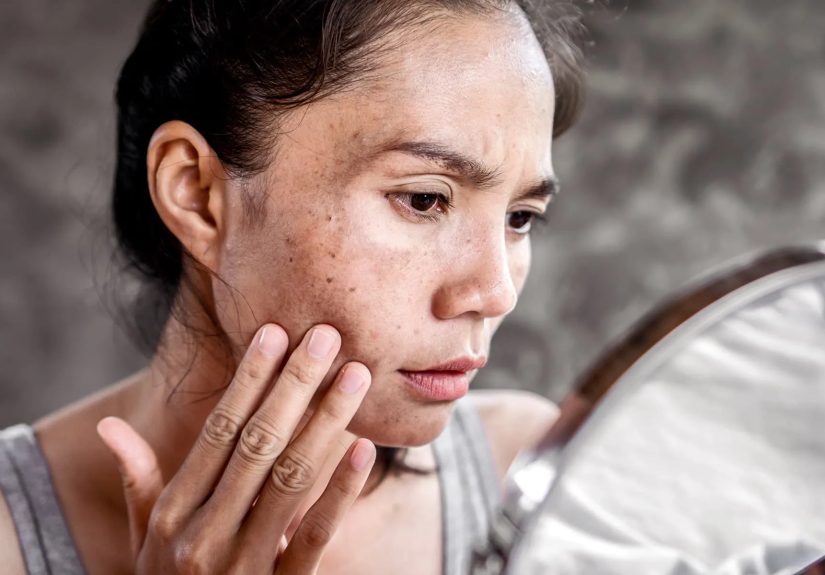
Age spots are flat, brown, tan, or dark spots that appear on areas of skin that see a lot of sun over the years:
face, hands, shoulders, chest, forearms, and shins are prime real estate. Dermatologists often call them
solar lentigines. They’re caused by long-term exposure to ultraviolet (UV) light, which stimulates
pigment-producing cells (melanocytes) to make more melanin in certain spots.
A few key points about age spots:
- They’re usually harmless and don’t turn into skin cancer.
-
They can, however, look similar to more serious lesions. Any spot that changes shape, grows
quickly, bleeds, itches, or has multiple colors needs a professional skin check. - They’re basically your skin’s way of saying, “Years of sun happened. I did my best.”
While you don’t need to treat age spots medically, many people choose to fade or remove them for cosmetic
reasons. That’s where both at-home and in-office options come in.
Can You Really Get Rid of Age Spots?
Short answer: you can usually lighten them significantly, and sometimes remove them, but results
depend on:
- How deep the pigment is in the skin
- Your natural skin tone
- How long the spots have been there
- The treatment method you use
- How consistent you are with sun protection
Topical products (creams, serums, spot correctors) can noticeably fade mild age spots over several weeks to months.
In-office treatments like lasers, intense pulsed light (IPL), and chemical peels can produce faster, more dramatic
results often in just a few sessions but they’re more expensive and come with downtime and risks.
Think of it this way: creams are the slow-and-steady marathon; laser and peels are the carefully supervised sprint.
At-Home Ways to Fade Age Spots
1. Daily Sunscreen: The Non-Negotiable Step
If you remember nothing else, remember this: nothing works on age spots if you keep cooking your skin in the
sun. UV exposure doesn’t just create new age spots it also keeps existing ones dark and stubborn.
For prevention and treatment support:
- Use a broad-spectrum sunscreen (UVA + UVB) with at least SPF 30 every day.
- Apply to your face, ears, neck, chest, and backs of the hands the “sun magnet” areas.
- Reapply every 2 hours when outdoors, and after swimming or heavy sweating.
- Pair sunscreen with shade, wide-brimmed hats, and sun-protective clothing for bonus protection.
Sunscreen doesn’t erase existing spots, but it keeps them from getting darker and helps your other treatments
actually work.
2. Over-the-Counter Brightening Ingredients
Many age spot creams and serums use a combination of “brightening” or “spot-correcting” ingredients. These don’t
bleach your skin; instead, they slowly reduce excess pigment or speed up cell turnover so discolored cells are
shed more quickly.
Common ingredients that can help fade mild age spots include:
-
Vitamin C: An antioxidant that helps brighten skin and interfere with excess melanin production.
Often found in serums used in the morning under sunscreen. -
Niacinamide: A form of vitamin B3 that helps with redness, uneven tone, and texture. It’s
generally gentle and plays nicely with other ingredients. -
Retinoids (retinol, retinaldehyde, or prescription tretinoin): These increase cell turnover so
pigmented cells are replaced more quickly. They can also improve fine lines and overall texture, which is a nice
bonus. -
Alpha-hydroxy acids (AHAs) like glycolic acid or lactic acid:
These exfoliate the surface of the skin, making it look smoother and slightly more even over time. -
Azelaic acid: Helps with pigmentation, redness, and blemishes. It’s often well tolerated, even
by sensitive skin. -
Kojic acid, licorice root extract, arbutin: These plant-based or synthetic brighteners can help
gently reduce dark spots when used consistently.
Most of these ingredients take at least 8–12 weeks of daily use to show visible improvement. The routine is
basically “slower than you’d like, but faster than doing nothing.”
3. A Word on Hydroquinone and Safety
Hydroquinone has long been considered the “gold standard” ingredient for fading dark spots because
it directly blocks the enzyme involved in melanin production. However, there are important safety points:
-
In the United States, over-the-counter (OTC) hydroquinone lightening products are no longer legally sold.
Prescription-strength creams are still available from healthcare providers. -
Long-term, unsupervised use or high concentrations increase the risk of side effects like irritation and
exogenous ochronosis, a rare but stubborn darkening of the skin. -
Some unregulated “skin lightening” products sold online or internationally may contain hydroquinone or even
mercury, which is unsafe. Always avoid products without clear ingredients and safety labeling.
If you and your dermatologist decide that hydroquinone is right for you, they’ll prescribe an appropriate strength
and duration, and they’ll monitor for side effects. This is definitely not a DIY drugstore experiment situation.
4. Healthy Habits That Support Brighter Skin
While lifestyle tweaks won’t erase age spots by themselves, they help your skin stay resilient:
- Moisturize regularly to maintain your skin barrier so it can better tolerate active ingredients.
-
Don’t pick, scratch, or scrub spots aggressively. That can cause more inflammation and more
pigment. -
Quit tanning beds. They don’t give you a “healthy base tan”; they accelerate sun damage and new
spots. - Focus on a generally healthy lifestyle (sleep, balanced diet, not smoking) that supports skin repair.
In-Office Treatments Dermatologists Use
If you want more noticeable or faster results or if your spots are darker, more widespread, or tricky to treat
a board-certified dermatologist can offer stronger options. They’ll also confirm that what you think is an age spot
is actually benign, which is a big deal for your peace of mind.
1. Prescription Fade Creams
Dermatologists can prescribe higher-strength topicals, often combining ingredients for a stronger effect. A common
prescription formula might include:
- Hydroquinone
- A retinoid (like tretinoin)
- A mild steroid to calm irritation
These are typically used for a limited time (for example, several months) and always alongside strict sun
protection. They can offer noticeable fading, especially for facial age spots.
2. Chemical Peels
With a chemical peel, an acid solution is applied to the skin to remove the top layers, allowing new, more evenly
pigmented skin to come in. Peels can range from very light to deeper:
- Light peels (like low-strength glycolic or lactic acid): Minimal downtime; mild brightening.
-
Medium-depth peels: More peeling and recovery, but more dramatic improvement in pigmentation and
texture. - Deep peels: Reserved for certain cases and require careful medical supervision and recovery time.
Peels are often done in a series and may be combined with at-home products and sunscreen for best results.
3. Laser and Intense Pulsed Light (IPL)
Laser and IPL treatments specifically target excess pigment in the skin:
-
Pigment-targeting lasers can break up melanin so the body can gradually clear it away. Often
only one or a few sessions are needed. -
IPL (intense pulsed light) uses broad-spectrum light to treat discoloration, redness, and
sun damage. It’s popular for hands, chest, and face.
You may see the treated spots temporarily darken before they flake off over a week or two. Mild swelling, redness,
and temporary sensitivity are common. A careful consultation is essential, especially if you have a deeper skin
tone, because certain lasers and IPL settings can cause unwanted lightening or darkening.
4. Cryotherapy
For isolated, well-defined age spots, dermatologists sometimes use cryotherapy a very cold liquid
(often liquid nitrogen) applied directly to the spot to destroy pigment cells. The area may blister or crust and
then heal over a couple of weeks, often leaving lighter, more even skin.
Cryotherapy is quick and relatively inexpensive, but it can cause temporary or permanent lightening of the treated
area, so it’s not ideal for everyone.
5. Microdermabrasion and Microneedling
Microdermabrasion uses tiny crystals or a diamond-tipped device to gently sand away the outermost
layer of the skin. It can help with overall texture and mild discoloration, especially when combined with other
treatments.
Microneedling uses very fine needles to create micro-injuries that stimulate collagen production
and can improve tone and texture. When combined with brightening serums, it may help with pigmentation for some
patients.
Safety First: What Not to Do for Age Spots
It’s tempting to try “shortcut” tricks you see online, but some of them can do more harm than good. Be cautious
with:
-
Unlabeled or imported “skin lightening” products that may contain illegal levels of hydroquinone
or mercury. -
Injectable lightening products bought online or from non-medical providers. These are risky and
not recommended. -
DIY acids and peels using high-strength chemicals at home. Overdoing it can cause burns, scars,
and more pigment. -
Harsh scrubbing, sandpaper-like tools, or “eraser” gadgets that irritate the skin instead of
helping it. -
Home remedies like undiluted lemon juice left on the skin, which can cause irritation and, ironically, more
hyperpigmentation when exposed to sun.
When in doubt, ask a dermatologist or a qualified healthcare provider. If a product promises “instant whitening” or
“erase spots overnight,” your skepticism is doing its job.
How to Prevent New Age Spots
Once you’ve put time and money into fading age spots, you’ll be highly motivated not to start from scratch again.
Prevention is much cheaper than repeated laser sessions.
- Use sunscreen every single day on exposed areas, even if it’s cloudy, even if it’s winter.
- Reapply SPF when you’re outside for more than a couple of hours.
- Wear hats, sunglasses, and UV-blocking clothing for extra protection.
- Avoid peak sun when possible (roughly 10 a.m. to 4 p.m., depending on where you live).
- Skip tanning beds altogether. They’re concentrated UV exposure in a box.
- Perform regular skin self-checks and schedule professional skin exams if recommended.
Choosing the Right Age Spot Treatment for You
The “best” way to get rid of age spots depends on your skin, your health, and your goals. A few general guidelines:
-
If your spots are mild and you’re on a budget, start with sunscreen, a gentle brightening serum
(vitamin C, niacinamide, or azelaic acid), and possibly a retinol product. -
If your spots are more noticeable or really bother you, see a dermatologist to discuss
prescription creams, peels, or laser/IPL. -
If you have a deeper skin tone, choose a provider experienced with treating pigmentation in
darker skin to reduce the risk of unwanted light or dark patches. -
If any “age spot” looks different from the others (darker, irregular, raised, bleeding, or
changing rapidly), have it checked promptly to rule out skin cancer or other conditions.
Most importantly, remember: you don’t have to erase age spots to be healthy or attractive. Treat them
because you want to, not because someone decided that perfect, spotless skin is the only kind
that’s acceptable.
Real-Life Experiences: What Fading Age Spots Can Look Like
It’s one thing to read about treatments, and another to imagine how they play out in real life. While everyone’s
experience is different, here’s what the process can feel like for many people.
The “Slow and Steady” Serum Routine
Imagine someone in their late 40s who suddenly notices freckles-on-steroids across their cheeks and the backs of
their hands. They’re not ready for lasers, so they start with:
- A vitamin C serum in the morning, under sunscreen
- A retinol cream at night, a few times a week
- A gentle moisturizer to keep any dryness under control
Weeks 1–2: Nothing looks dramatically different. The main challenge is remembering to apply sunscreen every morning
and not to skip the routine on “lazy days.”
Weeks 4–6: The overall skin tone starts to look a bit brighter and smoother. The age spots are still there, but
they don’t stand out as much. Friends might ask, “Did you do something different with your skin?” which is always
nice.
Weeks 8–12: Some of the smaller spots have noticeably faded, and the bigger ones are less intense. They haven’t
vanished, but they’re more like background noise instead of the main event. The person decides they’re happy with
the improvement and keeps the routine going.
The “Let’s Get This Done” Laser Approach
Now picture someone who’s had prominent age spots on their cheeks and hands for years. They’ve tried creams on and
off but want a bigger change before a big life event a wedding, a milestone birthday, or just a “new chapter”
moment.
Step 1: They visit a board-certified dermatologist. The doctor confirms that the spots are benign age spots, not
skin cancer, and discusses options. Together, they choose IPL for the face and backs of the hands.
During treatment: The IPL feels like a series of tiny rubber band snaps plus warmth. It’s not exactly spa-like, but
it’s quick. There’s some redness afterward, and the spots look even darker for a few days.
Over 1–2 weeks: The darkened spots gradually flake off or fade. Underneath, the skin looks brighter and more even.
They keep strict sunscreen habits because they’ve now seen firsthand how much UV light can undo good results.
After a couple of sessions: The difference is obvious in photos. Makeup goes on more smoothly, and they feel more
confident skipping concealer. They might still use a brightening serum at home, but the heavy lifting was done by
the in-office treatment.
The “Patch-Test and Patience” Path for Sensitive Skin
For someone with easily irritated or reactive skin, the journey is more about being gentle than about maximum
strength. They:
- Start with a low-concentration niacinamide serum and a fragrance-free moisturizer, plus daily sunscreen.
- Introduce a mild AHA or azelaic acid very slowly, patch-testing on a small area first.
-
Avoid aggressive peels, super-strong retinoids, or harsh scrubs after learning the hard way that “more” is not
“better.”
Their progress is gradual, but they also avoid flare-ups, stinging, and extra redness. Over time, their spots
soften, their skin barrier stays happy, and they feel more in control because they understand how their skin reacts.
The Emotional Side of Age Spots
Beyond the science, dealing with age spots can stir up a lot of feelings: nostalgia, frustration, or even
self-consciousness about “looking older.” For some people, lightening age spots is a small but meaningful way to
feel more like themselves when they look in the mirror. For others, embracing them as “sun souvenirs” from a life
well lived feels right.
Either way, you’re allowed to choose what makes you feel most comfortable whether that’s scheduling a laser
treatment, committing to a brightening routine, or simply slathering on sunscreen, calling them “wisdom spots,” and
moving on with your day.
Bottom Line: Can You Get Rid of Age Spots?
You can often significantly fade age spots and sometimes make them nearly invisible, especially
with a combination of:
- Daily sunscreen and sun-smart habits
- Targeted brightening ingredients like vitamin C, niacinamide, retinoids, and gentle acids
- Professional options such as prescription creams, peels, lasers, IPL, or cryotherapy when appropriate
Always remember: if a spot looks suspicious or you’re simply not sure what you’re dealing with, get it checked by a
professional. Your skin has been taking care of you for a long time a little expert attention in return is more
than fair.
Age spots may tell a story about your time in the sun, but you get to decide how visible that story is on your
skin.




 Close
Close