
Table of Contents >> Show >> Hide
- What are microplastics, exactly?
- How microplastics may affect the gut
- What human studies actually show
- What scientists still do not know
- Should you panic about microplastics and gut health?
- How to reduce exposure without becoming wildly dramatic about your kitchen
- The bottom line
- Everyday experiences that make the microplastics-and-gut question feel uncomfortably real
- SEO Tags
Microplastics have become the uninvited dinner guests of modern life. They show up in water, food, dust, packaging, and, apparently, places they absolutely did not RSVP tolike the human digestive tract. That has turned a once-niche environmental issue into a full-blown gut-health question: what happens when tiny plastic particles keep passing through the system that is supposed to digest lunch, feed the microbiome, and keep the rest of the body safe from unwanted intruders?
The short answer is this: scientists are increasingly concerned that microplastics may disrupt the gut microbiome, irritate the intestinal lining, weaken the gut barrier, and trigger inflammation. The longer answer is more nuanced. Much of the strongest evidence still comes from lab and animal studies, while human research is growing but not yet definitive. In other words, the alarm bells are ringing, but the exact volume is still being measured.
Here’s what the science says so far about how microplastics may affect the gut, what remains uncertain, and why your intestines probably did not sign up to become a recycling center.
What are microplastics, exactly?
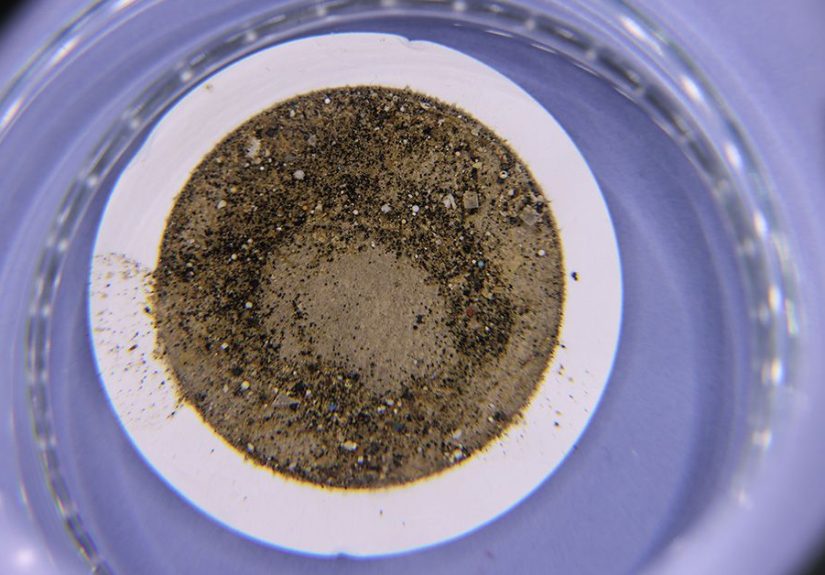
Microplastics are tiny plastic particles generally defined as pieces smaller than 5 millimeters. Some come from the breakdown of larger plastic items, such as bottles, containers, synthetic fabrics, and packaging. Others are manufactured at small sizes from the start. Even smaller particles, often called nanoplastics, may be able to penetrate tissues more easily and could turn out to be even more biologically active.
How they end up in the gut
The digestive tract is one of the main entry routes for microplastics. People can swallow them in drinking water, seafood, salt, tea, dust that settles on food, and possibly through food handling and preparation. Researchers have also detected microplastics in human stool, which confirms that exposure is not just theoretical. These particles are getting in, and at least some of them are making the trip all the way through.
That matters because the gut is not just a food tube. It is an active biological system made up of intestinal cells, mucus, immune tissue, trillions of microbes, and a barrier that decides what gets absorbed and what gets kicked out. When something foreign repeatedly interacts with that system, scientists naturally want to know whether the effects are harmless, irritating, or quietly troublesome.
How microplastics may affect the gut
1. They may disrupt the gut microbiome
One of the most consistent findings in the literature is that microplastics can alter the composition of the gut microbiome. In plain English, they may change which microbes thrive, which ones decline, and how the community functions overall. That matters because the gut microbiome helps digest food, produce useful metabolites, train the immune system, and keep harmful organisms in check.
In experimental studies, exposure to microplastics has been linked to microbial imbalance, also known as dysbiosis. Researchers have reported shifts in beneficial bacteria, increases in organisms associated with inflammation, and changes in microbial activity. Some human gut simulation studies suggest that microplastics can change the structure of the colonic microbial community and even create surfaces where biofilms may form. That is not exactly the kind of teamwork you want happening in your colon.
Human evidence is still limited, but it is moving in the same direction. Small observational and pilot studies have found associations between microplastic exposure and changes in gut bacteria. This does not prove that microplastics directly cause disease, but it does support the concern that the particles may influence the microbial ecosystem in ways that are not ideal for digestive health.
2. They may weaken the intestinal barrier
The intestinal barrier is one of the gut’s most important jobs. It allows nutrients and water to pass into the body while keeping pathogens, toxins, and other unwanted material from slipping through. This barrier depends on tight junction proteins, a healthy mucus layer, and intact intestinal cells.
Microplastics may interfere with that system. In animal and cell studies, researchers have observed reduced expression of tight junction proteins, damage to intestinal villi, decreased mucus protection, and greater intestinal permeability. That last issue often gets translated into the catchy phrase “leaky gut,” though scientists prefer more precise language.
If the barrier becomes more permeable, substances that should stay in the gut may cross into surrounding tissue or circulation more easily. That can promote immune activation and inflammation. The gut is supposed to act like a smart bouncer, not a nightclub door hanging off one hinge at 2 a.m.
3. They may trigger inflammation and oxidative stress
Another recurring theme in microplastics research is inflammation. Exposure has been linked in laboratory models to increases in inflammatory signaling molecules and pathways associated with tissue stress. Scientists have also observed oxidative stress, which means the balance between damaging reactive molecules and the body’s defenses starts to tilt in the wrong direction.
Why does that matter? Because chronic low-grade inflammation can interfere with normal gut function, aggravate barrier weakness, and create a less friendly environment for healthy microbes. Oxidative stress can also damage intestinal cells, adding another layer of potential trouble.
To be clear, this does not mean that every plastic fork or takeout lid sends the digestive system into meltdown. It means repeated exposure to tiny particles may, under certain conditions, push the gut toward irritation and immune disturbance. The science is pointing toward plausibility, not panic.
4. They may affect digestion, metabolism, and microbial byproducts
The gut microbiome does more than sit around looking busy. It produces metabolites, including short-chain fatty acids, that help support the intestinal lining, regulate inflammation, and influence metabolism. When microplastics shift the microbial population, those helpful chemical outputs may shift too.
Some studies suggest that microplastic exposure may alter fermentation patterns, metabolic pathways, and the production of compounds important for gut health. If microbial function changes, the effects could ripple outward into digestion, nutrient handling, and immune communication. This is one reason the subject interests not just toxicologists, but also gastroenterologists, microbiome researchers, and metabolic health experts.
5. They may act like tiny delivery vehicles for other unwanted substances
Microplastics are not always just plastic. They can carry additives from manufacturing, adsorb environmental pollutants, and provide surfaces where microbes may stick. Some researchers worry that this means microplastics could serve as tiny transport vehicles for substances the gut would rather not host.
That does not automatically mean every particle is a miniature toxin bus rolling through your intestines. But it does add complexity. The health question is not only about the plastic particle itself. It is also about what is attached to it, what chemicals may leach from it, and how it interacts with the existing microbial environment inside the gut.
What human studies actually show
This is where the conversation needs a seatbelt. Human evidence exists, but it is still limited compared with the pile of animal and in vitro research.
Researchers have confirmed that humans are exposed to microplastics and that the particles can be detected in stool and other biological samples. That part is no longer much of a mystery. The harder question is whether everyday real-world exposure causes measurable digestive harm in humans, and if so, how much.
So far, human studies mainly show three things. First, exposure is widespread. Second, microplastics may be associated with changes in the gut microbiome and related metabolites. Third, people with certain digestive conditions may show different microplastic patterns, though that does not prove cause and effect. A person with gut disease could retain or excrete microplastics differently, just as microplastics could potentially contribute to disease processes. Science, annoyingly but responsibly, wants better proof before making grand declarations.
That is why many experts say the most honest conclusion right now is that microplastics are a credible digestive health concern, but not a fully mapped clinical risk. We have enough evidence to take the issue seriously, and not enough to claim we know the entire story.
What scientists still do not know
The dose problem
Many experimental studies use exposures that may not perfectly match what most people encounter in daily life. That helps researchers detect biological effects, but it also makes it harder to translate results directly into everyday human risk.
The particle problem
Not all microplastics are the same. Size, shape, polymer type, surface chemistry, and whether the particle carries additives or pollutants may all change its biological behavior. A smooth fragment and a jagged fiber are not necessarily equal troublemakers.
The nanoplastics problem
Nanoplastics are smaller than microplastics and may penetrate tissues more easily, but they are also harder to measure accurately. Many researchers suspect they could be especially important in health effects, including in the gut, but the evidence base is still developing.
The individual differences problem
People do not all have the same gut. Diet, age, medication use, microbiome composition, intestinal disorders, and overall health may all shape how the gut responds to microplastics. One person’s digestive system may shrug; another may be more vulnerable.
Should you panic about microplastics and gut health?
No. Concern is reasonable; doom spirals are not.
Regulators and public health experts have not concluded that the levels of microplastics currently detected in foods clearly pose a proven human health risk. At the same time, researchers are finding enough signals in gut-related studies to justify much more investigation. The responsible middle ground is this: the risk is not fully proven, but it is also not imaginary.
If that sounds unsatisfyingly nuanced, welcome to real science. It rarely arrives wearing a cape and shouting absolutes.
How to reduce exposure without becoming wildly dramatic about your kitchen
You do not need to move into a glass cabin in the woods and drink only from a stainless-steel moon flask. Still, a few practical steps may help reduce exposure while the science evolves.
- Be cautious with heat and plastic. Avoid putting very hot food or liquids into plastic containers when practical, since heat and wear may increase particle shedding.
- Use glass, ceramic, or stainless steel for hot items when you can. This is especially reasonable for leftovers, coffee, and meal prep.
- Limit unnecessary single-use plastic contact with food. A little less plastic packaging and takeout contact is a sensible move, even if it is not a magic shield.
- Keep perspective. Do not cut out nutritious foods just because they may contain trace contaminants from the environment. Food quality still matters more than fear.
- Remember that exposure is broader than food. Air, dust, textiles, and the home environment also matter, so reducing exposure is not only about what is on the plate.
The bottom line
Microplastics appear capable of affecting the gut in several biologically plausible ways. The most studied mechanisms include disruption of the gut microbiome, weakening of the intestinal barrier, oxidative stress, inflammation, and changes in microbial metabolism. That makes the gut one of the most important systems to watch as microplastics research develops.
But there is an important catch: the strongest evidence still comes from laboratory and animal studies. Human research has confirmed exposure and raised meaningful concern, yet it has not fully pinned down how much harm typical daily exposure causes, which particles matter most, or who is most vulnerable.
So, how do microplastics affect the gut? The best current answer is that they may act like tiny biological disruptorsnudging the microbiome out of balance, irritating the intestinal barrier, and promoting inflammationwhile science is still figuring out how often that turns into real-world disease. Your gut is not doomed, but it probably would prefer fewer bits of modern packaging in its workspace.
Everyday experiences that make the microplastics-and-gut question feel uncomfortably real
One reason this topic has exploded is that it does not feel abstract anymore. People hear “microplastics in the gut” and suddenly think about all the ordinary moments in a normal week that involve plastic without a second thought. The takeout salad in a clear clamshell. The protein shake shaken in a plastic bottle. The leftovers reheated in a plastic container because it is Tuesday and nobody has time for ceramic elegance. The toddler snack pouch. The bottled water grabbed at the gym. The office coffee with a plastic lid. The iced tea in a cup that seems to be made of three different polymers and one bad decision.
That lived experience is part of what makes the topic so sticky. People are not just worried about one dramatic exposure. They are thinking about the thousand tiny exposures that come from living like a modern human with a schedule, a grocery bill, and a drawer full of food storage containers that all look suspiciously meltable. And when they start reading about the gut microbiome, inflammation, and the intestinal barrier, the concern becomes personal fast. Digestive health is not theoretical. It is bloating after lunch, random stomach discomfort, sensitivity to certain foods, or the vague sense that the body would appreciate fewer weird surprises.
There is also a psychological experience to this subject that deserves attention. Many people already feel like they are trying to dodge a daily obstacle course of environmental stressors: ultra-processed food, poor sleep, air pollution, stress, sedentary work, and now invisible plastic dust apparently trying to join the party. That can create a strange mix of curiosity and exhaustion. People want practical answers, but they do not want another health obsession added to the list. They are not looking to become amateur polymer detectives.
Then there is the kitchen reality. Plenty of people have tried making small changes once they learn more about the issue. They switch hot leftovers to glass, stop microwaving plastic when possible, carry a reusable bottle, or think twice before pouring boiling soup into a flimsy container. What is interesting is that these changes are often driven less by fear and more by the desire to create a home routine that feels a little cleaner and more intentional. It is the same instinct that leads people to improve sleep hygiene or eat more fiber. Not perfectionjust fewer unnecessary hassles for the body.
Parents often describe a different version of the experience. For them, the concern is not just “What am I exposed to?” but “What is my child exposed to during a stage when the gut and immune system are still developing?” That question adds emotional weight, especially because babies and children interact with plastics constantly through bottles, packaging, toys, and everyday food storage. Again, science has not answered every risk question, but the concern is understandable and deeply human.
What makes this topic especially relatable is that it sits at the intersection of two modern anxieties: environmental overload and gut health confusion. People know the microbiome matters, but they are bombarded with contradictory advice about probiotics, detoxes, cleanses, and miracle powders. Microplastics add one more layer, except this layer is not a marketing gimmick. It is a real research question with real biological plausibility, even if the final clinical implications are still being worked out.
In that sense, the experience of learning about microplastics and the gut is not just about fear of plastics. It is about realizing how connected the digestive system is to the broader environment. The gut is not isolated. It is in constant conversation with what we eat, drink, inhale, and bring into daily routines. And for many people, that realization changes the way they look at something as ordinary as a water bottle, a food wrapper, or last night’s leftovers. Not with panic, but with a slightly narrowed eye and the quiet suspicion that the colon deserves better coworkers.







 Close
Close