
Table of Contents >> Show >> Hide
- Why Make a Homemade Almond Butter Recipe at All?
- Ingredients for the Best Homemade Almond Butter
- Equipment You Need
- Homemade Almond Butter Recipe: Step-by-Step
- Quick Recipe Summary
- How to Know Your Almond Butter Is Ready
- Common Mistakes in a Homemade Almond Butter Recipe
- Troubleshooting Homemade Almond Butter
- Flavor Variations to Try
- How to Use Homemade Almond Butter
- How to Store Homemade Almond Butter
- Is Homemade Almond Butter Healthy?
- Experience: What Making Homemade Almond Butter Actually Feels Like
- Final Thoughts
- SEO Tags
If store-bought almond butter makes your wallet sigh dramatically, this homemade almond butter recipe is here to restore peace in the kitchen. It is simple, deeply nutty, creamy when done right, and wildly satisfying in that “I can’t believe I made this from plain almonds” kind of way. Better yet, making almond butter at home gives you control over the flavor, texture, salt level, and sweetness. In other words, you are no longer at the mercy of a pricey jar with a layer of oil floating on top like a tiny edible science experiment.
This guide covers everything you need to know: ingredients, equipment, step-by-step instructions, troubleshooting, storage, flavor ideas, and real-life experiences that make homemade almond butter feel less like a recipe and more like a delicious life skill. Whether you want a classic smooth spread for toast, a slightly rustic version for oatmeal, or a cinnamon-maple variation that tastes suspiciously gift-worthy, this article has you covered.
Why Make a Homemade Almond Butter Recipe at All?
There are plenty of good reasons to make almond butter from scratch. First, the flavor is fresher and toastier. Second, the ingredient list is wonderfully short. Third, you can decide whether your almond butter is plain, lightly salted, sweetened, extra-roasted, ultra-smooth, or a little chunky. It is kitchen freedom in a jar.
Homemade almond butter also fits beautifully into everyday cooking. It can be spread on toast, swirled into oatmeal, blended into smoothies, spooned over yogurt, whisked into sauces, or eaten straight from the jar while pretending you are “just checking the texture.” Nobody needs to know.
Ingredients for the Best Homemade Almond Butter
Main Ingredients
- 3 cups whole almonds
- 1/4 teaspoon sea salt or kosher salt, optional
- 1 to 2 teaspoons neutral oil, only if needed
Optional Flavor Add-Ins
- 1/2 teaspoon vanilla extract
- 1 to 2 tablespoons maple syrup or honey
- 1/4 teaspoon ground cinnamon
- A tiny pinch of flaky salt for a more savory finish
The beauty of this almond butter recipe is that almonds do most of the work. Once they are roasted and blended long enough, they release their natural oils and turn from crumbs into a spreadable butter. Salt is optional but highly recommended because it wakes up the flavor. Oil is a backup singer, not the lead vocalist. Use it only if your machine needs a little help crossing the finish line.
Equipment You Need
- A food processor or high-powered blender
- A rimmed baking sheet
- A spatula
- An airtight jar for storage
A food processor is the most common choice for a homemade almond butter recipe, especially if you are making a larger batch. A high-powered blender can work faster, but it may require more scraping and a little faith. If your machine has ever struggled with frozen bananas, now is not the time to discover its limits.
Homemade Almond Butter Recipe: Step-by-Step
Step 1: Roast the Almonds
Preheat your oven to 350°F. Spread the almonds on a baking sheet in an even layer. Roast them for 8 to 10 minutes, stirring or shaking the pan halfway through, until they smell fragrant and look lightly golden.
This step matters. Roasting makes the almonds taste richer and helps them blend more easily. Your kitchen will also smell like a very competent bakery, which is always a bonus.
Step 2: Cool Slightly, But Not Too Much
Let the almonds cool for about 5 to 10 minutes. You want them warm, not scorching hot. Warm almonds usually blend more willingly than completely cold ones, but piping-hot nuts can overheat your machine or make the process messy.
Step 3: Blend and Be Patient
Transfer the warm almonds to your food processor or blender. Add the salt if using. Then blend. At first, the almonds will turn into coarse crumbs. Next, they will look like almond flour. Then they may clump into a thick ball that seems personally offended by your plans. Keep going. Eventually, the oils release, the mixture loosens, and the whole thing transforms into creamy almond butter.
This process may take 8 to 15 minutes in many food processors, sometimes longer depending on your machine. If you are using a powerful blender, it can happen much faster. Stop every 30 to 60 seconds to scrape down the sides and give your machine a brief rest if it starts to heat up. Almond butter is not hard to make, but it does reward patience and occasional mercy toward your motor.
Step 4: Adjust the Texture
Once the almond butter looks smooth, taste it. If it needs more salt, add a little. If it is still too thick for your liking, blend in 1 teaspoon of neutral oil at a time. Avocado oil, grapeseed oil, or another neutral oil works well. Add only enough to help with consistency.
Step 5: Add Sweeteners Carefully
If you want maple syrup, honey, vanilla, or cinnamon, wait until the almond butter is already smooth. Then add the extras and blend again. If the mixture tightens up or thickens, let it cool briefly and continue blending. Liquid sweeteners can change the texture, so this is not the moment to get wildly overconfident.
Quick Recipe Summary
- Roast 3 cups almonds at 350°F for 8 to 10 minutes.
- Cool for 5 to 10 minutes.
- Blend with optional salt until creamy.
- Add oil only if necessary.
- Mix in optional flavorings after it turns smooth.
- Store in an airtight jar in the refrigerator.
How to Know Your Almond Butter Is Ready
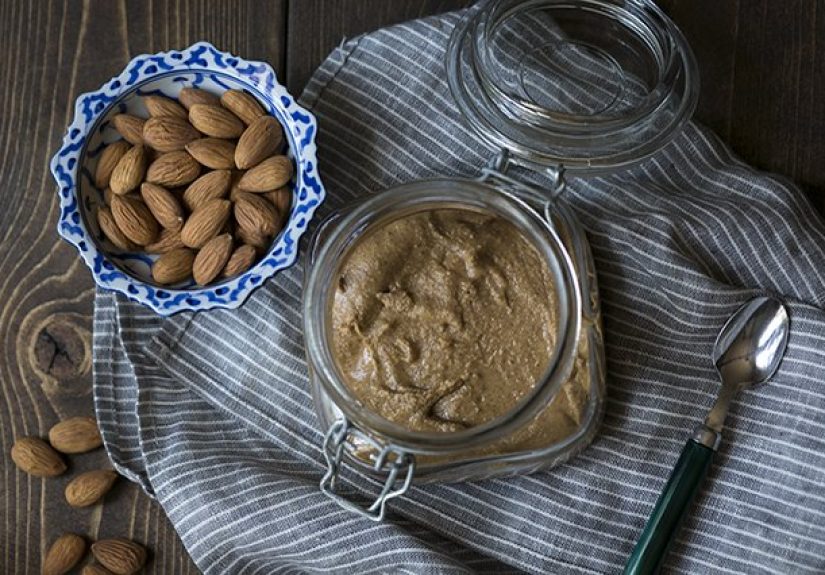
A good homemade almond butter recipe should produce a spread that looks glossy, creamy, and easy to scoop. It should hold together on a spoon but still spread smoothly on toast or apple slices. If it tastes flat, add a pinch more salt. If it feels dry, blend longer before adding oil. More often than not, time is the missing ingredient.
Common Mistakes in a Homemade Almond Butter Recipe
Stopping Too Soon
This is the biggest mistake. Many first-timers stop blending at the crumbly or clumpy stage because it looks like the recipe has failed. It has not failed. It is just being dramatic. Keep going.
Using Weak Equipment
A tiny chopper or underpowered machine may struggle to create a smooth almond butter recipe. If your equipment is not strong enough, the almonds can stay gritty or overwork the motor.
Adding Too Much Oil Too Early
It is tempting to pour in oil the second the almonds look stubborn. Resist that urge. Let the nuts release their own oils first. Add extra oil only if necessary and only in small amounts.
Adding Sweeteners Before the Butter Is Smooth
Maple syrup, honey, and vanilla can make almond butter seize or thicken if they go in too soon. Always wait until the mixture is already silky.
Troubleshooting Homemade Almond Butter
Why Is My Almond Butter Dry?
Usually because it needs more blending time. Almonds can take a while to release their oils. If you have already blended thoroughly and the mixture still seems stubborn, add a teaspoon of neutral oil.
Why Did It Turn Into a Ball?
That is a normal stage. Scrape it down, break it up, and keep blending. It often turns creamy after this dramatic little performance.
Why Did It Get Thick After I Added Maple Syrup?
Liquid sweeteners can tighten the mixture. Let it cool slightly, then blend again. A tiny extra spoonful of oil may help if needed.
Why Is the Oil Separating?
Natural almond butter can separate over time. That is normal. Stir it before using. If the jar sits in the refrigerator, separation usually slows down.
Flavor Variations to Try
Classic Salted Almond Butter
Just almonds and salt. This version is ideal for everyday use and works in both sweet and savory recipes.
Maple Cinnamon Almond Butter
Add a little maple syrup and cinnamon after blending. This version tastes fantastic on toast, waffles, oatmeal, and sliced pears.
Vanilla Almond Butter
A touch of vanilla adds dessert-like flavor without turning the recipe into frosting pretending to be healthy.
Chunky Almond Butter
Blend most of the almonds until smooth, then pulse in a handful of chopped roasted almonds at the end for texture.
How to Use Homemade Almond Butter
- Spread it on toast with banana slices
- Swirl it into oatmeal or overnight oats
- Add it to smoothies for richness
- Use it as a dip for apple slices, celery, or pretzels
- Whisk it into salad dressings or noodle sauces
- Drizzle it over yogurt bowls
- Use it in baking for cookies, bars, or muffins
One of the best things about this almond butter recipe is versatility. It is equally at home on breakfast toast, in a post-workout smoothie, or stirred into a savory sauce for noodles. It is basically the overachiever of the pantry.
How to Store Homemade Almond Butter
Spoon the finished almond butter into a clean, airtight jar. Store it in the refrigerator for the best freshness and texture stability. Give it a stir if the oils separate. A small layer of oil on top is not a crisis. It is just almond butter being natural and refusing to act like a shelf-stable chemistry project.
For best quality, make amounts you will actually use within a reasonable time. Homemade nut butter is delicious, but a giant forgotten jar in the back of the fridge is not a personality trait anyone needs.
Is Homemade Almond Butter Healthy?
Homemade almond butter can be a smart option because it is built from simple ingredients and offers a satisfying mix of protein, fiber, and healthy fats. Almonds are also known for providing vitamin E and a rich, nutty flavor that makes snacks feel more substantial. That said, almond butter is still calorie-dense, so the sweet spot is enjoying it as part of balanced meals and snacks rather than treating the jar like a competitive event.
Experience: What Making Homemade Almond Butter Actually Feels Like
The first time someone tries a homemade almond butter recipe, there is usually a very specific emotional timeline. It begins with optimism. You look at the almonds and think, “How hard could this be?” After all, it is just nuts in a machine. That is the sort of sentence people say right before a minor kitchen identity crisis.
At first, everything seems fine. The almonds tumble around, crack into pieces, and turn into crumbs. You feel powerful. Domestic. Capable. Then the crumbs get finer, the machine gets louder, and suddenly you are staring into a bowl of almond dust wondering whether you misunderstood the assignment. This is the moment homemade almond butter earns its reputation. It asks for patience, and not the cute kind. Real patience. The kind that makes you stand in front of a food processor with a spatula in hand like you are negotiating a peace treaty.
Then comes the clump stage. The almonds gather into a thick mass and fling themselves against the side of the bowl. It looks wrong. It feels wrong. It seems impossible that this awkward almond boulder will ever become smooth butter. But if you keep scraping, keep blending, and keep resisting the temptation to dump in half a bottle of oil, something magical happens. The mixture relaxes. It softens. It turns glossy. And just like that, the recipe goes from suspicious to spectacular.
There is also the smell, which deserves its own applause. Roasted almonds fill the kitchen with a warm, toasty aroma that makes the whole project feel more luxurious than it is. It smells expensive. It smells like you definitely have your life together. Even if there is a sink full of dishes nearby quietly telling a different story.
Another surprisingly great part of the experience is customization. Some people like their almond butter plain and salty. Others want cinnamon, vanilla, or a drizzle of honey. Once you make it at home, you realize how easy it is to adjust the flavor to fit your breakfast habits, snack preferences, or dessert ambitions. A spoonful on toast with sliced strawberries feels bright and simple. Stirred into oatmeal, it feels cozy. Eaten directly from the jar while standing in the kitchen, it feels deeply honest.
Homemade almond butter also has a weirdly satisfying “I made this myself” energy. It is not complicated enough to be stressful forever, but it is just impressive enough to feel like an accomplishment. A jar of it in the fridge looks wholesome, useful, and mildly smug in the best possible way. It also makes a lovely homemade gift, assuming you can bear to part with it.
Most of all, the experience teaches a simple truth: good food does not always happen instantly. Sometimes the best kitchen moments arrive right after the stage where you are convinced nothing is working. And that, frankly, is a pretty excellent lesson to spread on toast.
Note: Exact blending time depends on your equipment, the freshness of the almonds, and whether you start with warm roasted nuts or fully cooled ones. Let the machine rest if it gets hot, and add optional sweeteners only after the almond butter turns smooth.
Final Thoughts
A great homemade almond butter recipe is not complicated, but it does reward good technique. Roast the almonds, blend longer than you think you need to, scrape the bowl, and trust the process. Once you get the hang of it, making almond butter at home feels less like a trendy kitchen experiment and more like a delicious habit.
The final result is creamy, rich, flexible, and far more interesting than a generic jar from the store. It can be savory, sweet, ultra-smooth, or slightly chunky. It works at breakfast, snack time, and dessert. Best of all, it turns one humble ingredient into something that tastes polished, homemade, and a little bit glorious.







 Close
Close