
Table of Contents >> Show >> Hide
- The Quick Answer (Because You’re Tired)
- Why Green Tea Gets a Little Tricky During Pregnancy
- How Much Green Tea Is Safe During Pregnancy?
- Best Practices: How to Drink Green Tea While Pregnant (Without Overthinking Every Sip)
- When You Might Want to Skip Green Tea (Or at Least Ask Your Clinician)
- FAQ: The Questions People Google at 2:00 a.m.
- Conclusion: Yes, You Can SipJust Sip Smart
- Real-World Experiences: What Pregnant People Commonly Notice (and How They Adapt)
- Experience #1: “Coffee suddenly tastes like betrayal.”
- Experience #2: “I didn’t realize caffeine was everywhere.”
- Experience #3: “My prenatal made me queasy, so I took it with tea… oops.”
- Experience #4: “Heartburn turned every beverage into a personality test.”
- Experience #5: “Matcha became a craving… but the cafe version was too much.”
- Experience #6: “I tried a ‘detox’ tea and immediately regretted my choices.”
- Experience #7: “I just wanted something warm that didn’t feel like a lecture.”
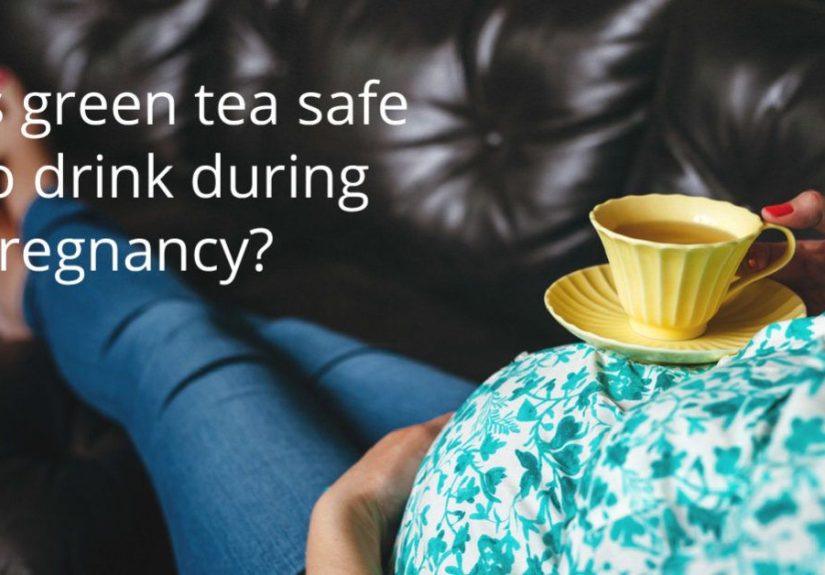
Pregnancy makes you reconsider everythingyour skincare ingredients, your sleeping positions, and suddenly, your beverages have a whole legal team. If you’re staring at your mug of green tea like it might testify against you in court, let’s talk.
Green tea can fit into a healthy pregnancy for many people, but it’s not the same kind of “drink as much as you want” situation you might have had pre-pregnancy. The main issues are caffeine, folate (folic acid) absorption, and iron absorption. There’s also a big, flashing warning sign around green tea extract supplements.
The Quick Answer (Because You’re Tired)
For most pregnant people, moderate green tea is generally considered safe as long as you stay within your total daily caffeine limit and you’re smart about timing it around your prenatal vitamin and iron-rich meals.
- Keep caffeine in check across the whole day (coffee, tea, soda, chocolateyes, chocolate is also in the group chat).
- Don’t take your prenatal with green teaespecially if it contains iron and folic acid.
- Avoid green tea extract pills and “fat burner” products. Brewed tea is one thing; concentrated extracts are another.
Important note: This article is educational, not a substitute for your OB/midwife’s adviceespecially if you have anemia, a high-risk pregnancy, or you’re managing nausea like it’s an Olympic sport.
Why Green Tea Gets a Little Tricky During Pregnancy
1) Caffeine: Not the Villain, But Definitely a Loud Roommate
Caffeine crosses the placenta, and pregnancy changes how your body processes it. That’s why many organizations recommend keeping total caffeine under 200 mg per day during pregnancy. Green tea usually has less caffeine than coffee, but it still counts.
Most brewed green tea lands around the “gentle nudge” range rather than the “espresso rocket launch” range. Still, caffeine content varies based on: the type of tea (matcha vs. bagged), how much leaf is used, steep time, water temperature, and whether you go for a second steep.
2) Catechins and Folate: The Prenatal Vitamin Plot Twist
Green tea is rich in plant compounds called catechins (including EGCG). They’re part of what makes green tea popularbut they may also interfere with folate/folic acid absorption. Folate is critical in early pregnancy because it supports neural tube development (translation: it’s a big deal, early and often).
What does this mean in real life? It doesn’t mean “green tea equals danger.” It means: don’t wash down your prenatal with green tea, and don’t treat “three-to-five cups a day” like a hydration strategy while pregnant. If you’re in the first trimester, many clinicians suggest being extra conservative.
3) Iron Absorption: Green Tea Can Be a Sneaky Blocker
Tea naturally contains compounds (often discussed as tannins/polyphenols) that can reduce absorption of non-heme iron (the kind found in plant foods and fortified foods). Pregnancy increases iron needs, and many people already run lowso it’s worth taking seriously.
This doesn’t mean you can’t have tea. It means you’ll get more nutrition points if you: separate green tea from iron supplements and iron-heavy meals.
How Much Green Tea Is Safe During Pregnancy?
There’s no single “perfect” number, because your total caffeine intake and your nutrition status matter more than a universal cup count. But here’s a practical way to think about it:
A caffeine-first rule of thumb
- If your total caffeine goal is under 200 mg/day, and an average 8 oz cup of brewed green tea is roughly around 30 mg, then 1–2 cups can fit comfortably for many peopleassuming you’re not stacking it with coffee, cola, energy drinks, and chocolate.
- If you also drink coffee, consider green tea as your “supporting actor,” not the co-star.
Green tea caffeine cheat sheet (approximate)
Exact numbers vary, but these typical ranges help you do quick math before your brain clocks out:
| Drink (typical serving) | What to know |
|---|---|
| Brewed green tea (8 oz) | Often around ~30 mg caffeine; changes with brew strength and brand. |
| Brewed black tea (8 oz) | Usually higher than green tea (often around the mid-to-high double digits). |
| Matcha (1 serving) | Can be higher because you consume the powdered leaf; “small scoop” vs. “cafe bowl” matters. |
| Decaf green tea | Not always zero caffeine; also still contains polyphenols, so timing around iron can still matter. |
Bottom line: If you want the safest “default,” aim for one cup a day, especially in early pregnancy, and adjust based on your caffeine from other sources and what your clinician recommends.
Best Practices: How to Drink Green Tea While Pregnant (Without Overthinking Every Sip)
1) Time it like a pro
- Don’t take your prenatal vitamin with green tea. Use water instead.
- Give a buffer: wait about 1–2 hours between green tea and iron supplements or iron-rich meals.
- Morning works well for many people (less likely to mess with sleep, and you can spread caffeine out).
2) Keep it brewed, not “concentrated”
Brewed green tea is a beverage. Green tea extract is often marketed like a shortcut to wellnessand shortcuts are where pregnancy nutrition gets messy. Avoid high-dose green tea extract supplements, “detox” blends, and weight-loss products that include concentrated green tea components.
3) Watch the add-ins
A plain cup of green tea is simple. A “green tea latte” can become a dessert with a caffeine side questespecially if it includes extra matcha, espresso, or large amounts of sugar. If you’re doing lattes:
- Ask how many matcha scoops are used (yes, you are allowed to be that person).
- Choose a smaller size.
- Go easy on syrups if heartburn or nausea is already hanging around.
4) If nausea is the boss of your household, adapt
Pregnancy nausea doesn’t care about your plans. Some people find warm tea soothing; others can’t stand the smell. If green tea worsens nausea or reflux, it’s not a “character flaw.” It’s biology.
When You Might Want to Skip Green Tea (Or at Least Ask Your Clinician)
- Iron-deficiency anemia or borderline iron labs.
- History of neural tube defects or you’re on a high-dose folic acid plan.
- High-risk pregnancy where your provider is being extra cautious about caffeine intake.
- Trouble sleeping, anxiety/jitters, or heart palpitations (pregnancy already does enough).
- Liver disease or use of supplements that could affect the liveravoid extracts and discuss any “wellness” products with your provider.
If you’re unsure, a good question for your next appointment is: “How much caffeine do you want me to stay under, and should I avoid tea around my prenatal?” It’s specific, fast, and makes you sound like someone who reads labels (even if you only read them when pregnant).
FAQ: The Questions People Google at 2:00 a.m.
Is matcha safe during pregnancy?
Potentially, but be more cautious with quantity. Matcha can deliver more caffeine because you consume the whole powdered leaf. If you drink matcha, keep servings modest and count the caffeine as part of your daily total.
Is decaf green tea okay?
Decaf can be a helpful option if you love the ritual but want less caffeine. Just remember: “decaf” doesn’t always mean “caffeine-free,” and the polyphenols that can affect iron absorption may still be presentso timing can still matter.
What about bottled green tea?
Bottled teas vary wildly. Some are lightly brewed; others are sweetened beverages wearing a green tea costume. Check caffeine and sugar if you can, and keep it occasional if it’s basically soda with a leaf on the label.
Can I take green tea extract supplements while pregnant?
This is the “please don’t” category unless your clinician specifically recommends it (rare). Concentrated extracts have been linked to rare but serious liver injury cases, and pregnancy isn’t the time for supplement roulette.
Conclusion: Yes, You Can SipJust Sip Smart
Green tea while pregnant is usually a “moderation + timing” story. Keep your total caffeine under your clinician’s recommended limit, don’t pair green tea with your prenatal (especially iron and folic acid), and avoid concentrated green tea extracts.
If green tea is one of the few things that still tastes good in the first trimester, you’re not alone. If it suddenly tastes like lawn clippings, you’re also not alone. Pregnancy is equal opportunity chaos.
Real-World Experiences: What Pregnant People Commonly Notice (and How They Adapt)
The science matters, but so does real lifelike the fact that cravings are intense, smells are louder than your thoughts, and your “normal” routine can vanish overnight. Here are common experiences people report to clinicians, friends, and the group chat, plus practical ways they handle them. (These are shared patterns, not medical adviceyour situation may be different.)
Experience #1: “Coffee suddenly tastes like betrayal.”
Some people who loved coffee pre-pregnancy find it becomes bitter, nauseating, or just emotionally offensive. Green tea often becomes the “gentler” substitute: warm, lighter, and less intense. Many choose one morning cup to keep a familiar ritual without triggering the same nausea. A typical strategy is to brew it weakershorter steep time, slightly cooler water, or a second steep (which is often milder).
Experience #2: “I didn’t realize caffeine was everywhere.”
A lot of people start pregnancy thinking caffeine = coffee, and then discover that tea, cola, energy drinks, and chocolate all contribute. The most common workaround is the “one caffeinated thing per day” rule: one small coffee or one green tea, not boththen the rest is water, milk, sparkling water, or decaf beverages.
Experience #3: “My prenatal made me queasy, so I took it with tea… oops.”
This is extremely common. People try to mask the taste of prenatal vitamins with something pleasant, and tea is an easy candidate. Later they hear that tea can interfere with nutrient absorption, and suddenly the prenatal routine feels like assembling IKEA furniture without the manual. Many settle into a simple rhythm: prenatal with water before bed (when nausea is calmer), green tea earlier in the day, and a buffer of 1–2 hours between tea and any iron supplement.
Experience #4: “Heartburn turned every beverage into a personality test.”
Even mild caffeine can worsen reflux for some people, and warm beverages can feel soothing one day and irritating the next. People who notice green tea makes heartburn worse often switch to smaller servings, drink it with food (but not right with iron supplements), or swap to decaf or non-caffeinated drinks. Iced green tea sometimes feels easier than hot tea, especially in warm weather.
Experience #5: “Matcha became a craving… but the cafe version was too much.”
Matcha cravings happenpartly because it feels like a treat, partly because it offers a gentle energy lift. The challenge is that café drinks can be stronger than you think, and serving sizes can balloon. A common compromise: matcha at home with a measured amount of powder, smaller cups, and fewer add-ins. Some people order “half sweet” or choose smaller sizes when buying out.
Experience #6: “I tried a ‘detox’ tea and immediately regretted my choices.”
Pregnancy can trigger a sudden desire to “do everything right,” and marketing knows it. Many people later realize detox teas and supplement blends are poorly regulated and can contain concentrated ingredients. A lot of clinicians recommend the safest “detox” available: hydration, fiber, sleep, and not buying anything called a “cleanse” while hormonal.
Experience #7: “I just wanted something warm that didn’t feel like a lecture.”
Green tea can be comforting because it’s simple. Many people keep it in their routine by treating it like a small daily pleasure: one cup, not too strong, earlier in the day, and not paired with the prenatal. That approach tends to satisfy both the craving and the caution.
If you take one thing from these experiences, let it be this: most pregnancy beverage choices don’t need to be perfectthey need to be consistent, moderate, and aligned with your prenatal nutrition.




 Close
Close