
Table of Contents >> Show >> Hide
- Who Is Gesa Hansen?
- What Makes the Gesa Hansen Coffee Table Special?
- Design Style: Scandinavian, Warm, and Quietly Bold
- Materials and Construction
- Available Sizes and Proportions
- How to Choose the Right Size
- Styling Ideas for the Gesa Hansen Coffee Table
- Best Interior Styles for This Coffee Table
- Gesa Hansen Coffee Table vs. Ordinary Coffee Tables
- The Related BEE Table by Gesa Hansen
- Care and Maintenance Tips
- Is the Gesa Hansen Coffee Table Worth It?
- Buying Considerations Before You Decide
- Experiences Related to the Gesa Hansen Coffee Table
- Conclusion
The Gesa Hansen Coffee Table is not the kind of living room furniture that quietly apologizes for taking up space. It arrives with a confident Scandinavian silhouette, solid oak construction, soft rounded edges, and the calm authority of a piece designed by someone who understands both craft and daily life. In other words, it is elegant enough for a design magazine, but practical enough for a house where someone might put a coffee mug down without first calling a curator.
Designed by German-Danish designer Gesa Hansen for The Hansen Family, the coffee table belongs to a design world shaped by Scandinavian restraint, Bauhaus clarity, Japanese craftsmanship, and family woodworking tradition. That sounds like a very fancy résumé for a table, but the result is surprisingly approachable: warm wood, simple geometry, sturdy proportions, and a surface that looks good whether it is holding art books, flowers, remote controls, or the mysterious pile of things that always gathers in the living room by 8 p.m.
Who Is Gesa Hansen?
Gesa Hansen is a Danish-German furniture and interior designer known for combining clean modern design with deep respect for traditional craftsmanship. She studied at Bauhaus University in Germany and Nagoya University of Arts in Japan, then gained professional experience at Jean Nouvel’s studio and the graphic design studio H5 in Paris, as well as NDC in Tokyo. That international background helps explain why her work feels disciplined but not cold, minimal but not boring, and refined without being stiff.
In 2009, Hansen founded The Hansen Family, a furniture label rooted in her family’s long connection to carpentry, architecture, and design. The brand is known for handmade furniture, homegrown wood, and a “new Scandinavian design” spirit. The coffee table reflects that philosophy clearly: it is made to be used, admired, and kept for years rather than replaced the moment the next furniture trend starts shouting on social media.
What Makes the Gesa Hansen Coffee Table Special?
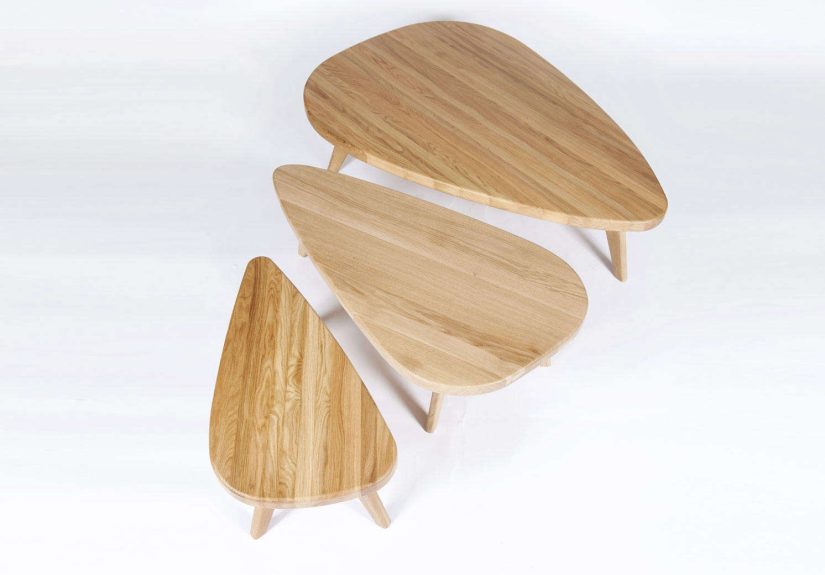
The Gesa Hansen Coffee Table, often associated with the REMIX Collection, stands out because it treats wood not as a decorative skin but as the main character. The table is made from solid oak, typically finished in a natural or matte lacquered style that allows the grain to remain visible. This is important because the grain is part of the design story. In table sets, pieces can be made from the same piece of wood, allowing the natural motif to continue from one table to the next.
That detail sounds subtle, but it is exactly the kind of subtlety that separates thoughtful design from “rectangle with legs.” When two tables share a continuous wood pattern, they create a visual rhythm across the room. It feels organic, almost like the tables are siblings rather than random furniture pieces that met during shipping.
Design Style: Scandinavian, Warm, and Quietly Bold
The phrase “Scandinavian design” often brings to mind pale wood, clean lines, and rooms where clutter has apparently been exiled to another country. The Gesa Hansen Coffee Table fits that image, but it also has more personality than many minimalist pieces. Its shape is simple, yet the proportions are strong. Its edges are rounded, yet it does not look overly soft. Its oak construction feels natural and grounded, while the overall form remains crisp and architectural.
This balance makes the table versatile. It can sit comfortably in a modern apartment, a renovated farmhouse, a mid-century-inspired living room, or a cozy family space with books, blankets, and a dog who believes every rug belongs to him. The table does not demand that the entire room become a museum. Instead, it makes the room feel more intentional.
Materials and Construction
The main version of the Gesa Hansen Coffee Table is made from solid oak. Oak is a popular choice for high-quality furniture because it is durable, visually warm, and naturally textured. Unlike thin veneer or lightweight composite furniture, solid oak gives the table a substantial feel. It also ages gracefully, developing character over time instead of simply looking tired.
The table is also known for its smooth rounded edges. This feature adds comfort and makes the piece more family-friendly. Anyone who has ever walked into a sharp coffee table corner at full speed knows that furniture can, in fact, have villain energy. Rounded edges reduce that hazard while also making the table look softer and more inviting.
Available Sizes and Proportions
The Gesa Hansen Coffee Table is available in three main sizes, giving homeowners flexibility based on room layout and seating arrangement. The small model measures approximately 40 x 48 x 89 cm, the medium model measures around 40 x 68 x 115 cm, and the large model measures about 40 x 97 x 146 cm. All three versions maintain a low, lounge-friendly height that works well with sofas and armchairs.
The small size is ideal for compact apartments, reading corners, or secondary seating areas. The medium size works beautifully in most standard living rooms, especially when paired with a two- or three-seat sofa. The large size is best for open-plan spaces, sectional sofas, or rooms where the coffee table needs to visually anchor the seating area.
How to Choose the Right Size
For Small Living Rooms
Choose the small model if your seating area is narrow or if you want the room to feel airy. A coffee table should support the layout, not behave like a wooden island in the middle of the ocean. Leave enough space to walk around it comfortably, especially if your living room doubles as a path to the kitchen, balcony, or snack zone.
For Medium Spaces
The medium model is the safest and most flexible choice for many homes. It offers enough surface area for books, drinks, candles, and decorative objects without overwhelming the room. This size also works well if you like to style your table but still want practical space for everyday use.
For Large Seating Areas
The large model is best when the sofa arrangement is generous. If you have a sectional, multiple lounge chairs, or an open-concept living area, a larger coffee table helps create balance. It prevents the seating area from looking like everyone gathered around a postage stamp.
Styling Ideas for the Gesa Hansen Coffee Table
Because the table has a clean and natural design, it is easy to style. The trick is to avoid covering too much of the wood grain. The oak surface is part of the beauty, so let it breathe. A stack of design books, a ceramic bowl, a small vase, and one sculptural object are usually enough. If you add too many accessories, the table may start looking like it is hosting a tiny flea market.
For a Scandinavian-inspired look, pair the table with neutral textiles, linen upholstery, wool rugs, and matte ceramics. For a warmer modern style, add brass accents, earthy colors, and soft lighting. For a family-friendly room, use trays to organize remotes, coasters, and small objects. A tray is basically a polite way of saying, “This mess has boundaries.”
Best Interior Styles for This Coffee Table
Modern Scandinavian
The Gesa Hansen Coffee Table is a natural fit for modern Scandinavian interiors. It pairs well with light floors, white walls, natural fabrics, and simple furniture forms. Add a textured rug underneath to give the seating area depth and warmth.
Japandi
Because Hansen’s background includes study and work in Japan, the table also fits beautifully into Japandi interiors. Japandi design blends Japanese restraint with Scandinavian warmth, and the table’s solid oak material, low profile, and quiet geometry support that mood perfectly.
Organic Modern
In organic modern spaces, the table brings natural texture without visual clutter. Pair it with curved sofas, stone accessories, plants, and warm neutral colors. The result feels calm, polished, and humannot like a showroom where nobody is allowed to sit down.
Contemporary Family Homes
The rounded edges and sturdy oak construction make the table practical for real households. It can handle daily use while still looking refined. This is especially valuable in homes where the living room must perform several jobs: relaxing, entertaining, reading, working, snacking, and occasionally becoming a blanket fort headquarters.
Gesa Hansen Coffee Table vs. Ordinary Coffee Tables
Many coffee tables are designed to look good online for about three weeks. The Gesa Hansen Coffee Table feels different because it is based on material honesty and long-term usability. Instead of relying on trendy shapes or flashy finishes, it focuses on proportion, craftsmanship, and the natural beauty of oak.
Compared with mass-produced tables, it offers a stronger design identity. Compared with overly delicate designer furniture, it feels more usable. That middle ground is where the table shines. It is refined, but not precious. Beautiful, but not fragile. Stylish, but not the sort of stylish that requires guests to sign a coaster agreement before sitting down.
The Related BEE Table by Gesa Hansen
Although the solid-oak REMIX coffee table is the main focus, Gesa Hansen also designed the BEE side table, a geometric powder-coated steel table that can be combined like a honeycomb. Available in black or white, the BEE table has a very different personality: lighter, sharper, and more graphic. It works well as a side table, accent table, or modular companion to a larger coffee table.
For homeowners who like contrast, combining the warmth of oak with the crispness of powder-coated steel can be a smart styling move. The oak coffee table creates the grounded center, while a BEE table adds a playful architectural note nearby.
Care and Maintenance Tips
Solid oak is durable, but it still deserves basic care. Use coasters for drinks, especially cold glasses that may create condensation rings. Wipe spills quickly with a soft, slightly damp cloth. Avoid harsh chemical cleaners, abrasive pads, and anything that promises to make wood “shine like glass,” because natural oak is not trying to become a nightclub floor.
For daily cleaning, dust the surface with a microfiber cloth. If the table has a matte lacquered finish, keep the care routine gentle and simple. If it has a waxed finish, occasional maintenance may be needed depending on use. Always follow the manufacturer’s care instructions for the specific finish you purchase.
Is the Gesa Hansen Coffee Table Worth It?
The Gesa Hansen Coffee Table is worth considering if you value craftsmanship, natural materials, and timeless design. It is not the cheapest coffee table on the market, and that is not its purpose. Its value lies in its solid oak construction, thoughtful proportions, designer pedigree, and ability to remain visually relevant long after trend-driven furniture has left the chat.
For buyers who want a fast, low-cost table for a temporary setup, there are simpler options. But for those creating a long-term living space, the Gesa Hansen Coffee Table offers the kind of quiet quality that becomes more appreciated over time. It is the furniture equivalent of a good wool coat: simple, useful, beautiful, and unlikely to embarrass you five years later.
Buying Considerations Before You Decide
Before choosing this coffee table, measure your seating area carefully. A common rule is to leave about 16 to 18 inches between the sofa and coffee table, giving enough room to move while keeping the surface within easy reach. Also consider the table’s length in relation to your sofa. A coffee table often looks best when it is roughly two-thirds the length of the sofa, though room layout and personal preference matter too.
Think about finish, lifestyle, and styling habits. If your home is full of children, pets, snacks, and energetic movie nights, choose a finish that can handle daily activity. If your living room is more curated and calm, you may prioritize the most natural finish possible. Either way, the table works best when its oak surface is allowed to be seen and appreciated.
Experiences Related to the Gesa Hansen Coffee Table
Living with a coffee table like the Gesa Hansen Coffee Table changes the way a room feels. At first, you notice the obvious things: the oak grain, the rounded edges, the generous proportions, and the clean Scandinavian profile. But after a few weeks, the quieter qualities become more important. The table does not compete with the sofa. It does not fight the rug. It does not demand a dramatic centerpiece. It simply makes the living room feel more settled.
One of the best experiences with this kind of table is how flexible it becomes during the day. In the morning, it can hold coffee, a notebook, and a laptop while the house is still peaceful. By afternoon, it may become a surface for magazines, children’s toys, or a snack plate. In the evening, it becomes the center of movie night, carrying bowls, remotes, candles, and perhaps one book placed there purely to make everyone feel more sophisticated.
The rounded edges make a real difference in daily use. Many people do not think about coffee table corners until they meet one with their shin. The Gesa Hansen design feels friendlier because it softens the physical experience of moving around the room. That matters in compact apartments, family homes, and any space where people actually live rather than glide around silently like design ghosts.
The oak surface also encourages a more natural style of decorating. Instead of covering the table with too many objects, you start choosing fewer, better pieces. A handmade bowl looks good. A stack of books feels intentional. A vase with branches or seasonal flowers brings out the warmth of the wood. The table teaches restraint without being bossy about it.
Another pleasant experience is how well it adapts to changing interiors. You can move from a white-and-beige Scandinavian room to a richer organic modern palette, and the table still works. Add a darker rug, warmer lighting, or textured cushions, and the oak continues to feel relevant. This flexibility is useful because most people change their homes gradually. A good coffee table should survive new curtains, new paint colors, and at least three phases of “I think I’m into minimalism now.”
Guests tend to respond to the table in a low-key way. It may not receive loud compliments like a bright sofa or oversized artwork, but people notice the quality. They touch the surface, comment on the wood, or ask where it came from. That is often the sign of successful furniture: it does not scream for attention, but it rewards attention when someone looks closely.
For anyone who works from the living room occasionally, the table’s sturdy build is also helpful. It feels stable enough for books, samples, sketches, or a casual laptop session. It is not a replacement for a proper desk, of course, unless your spine has officially resigned, but it can support real everyday tasks. The generous surface area on the medium and large sizes makes it especially useful for multi-purpose living rooms.
Perhaps the most satisfying experience is emotional rather than practical. Solid wood furniture brings a sense of permanence into a home. It feels connected to material, craft, and time. The Gesa Hansen Coffee Table does not look disposable. It looks like something that can gather stories: coffee with friends, lazy Sundays, holiday gatherings, quiet reading, and the occasional emergency pizza dinner. That is where good design becomes more than an object. It becomes part of the rhythm of a home.
Conclusion
The Gesa Hansen Coffee Table is a beautifully balanced piece for anyone who appreciates natural materials, thoughtful craftsmanship, and modern Scandinavian design. Its solid oak construction, smooth rounded edges, available sizes, and quiet visual confidence make it a strong choice for living rooms that need both elegance and everyday function. Designed by Gesa Hansen for The Hansen Family, it carries the warmth of family woodworking tradition and the clarity of international design training. It is simple, but not plain; practical, but not boring; refined, but not fussy. In a world full of furniture that tries too hard, this table wins by being calm, useful, and genuinely well made.







 Close
Close