
Table of Contents >> Show >> Hide
- What Deadheading Actually Does for Plants
- When to Deadhead for the Best Results
- Tools You Need Before You Start
- How to Deadhead Like a Pro
- Best Plants to Deadhead Regularly
- Plants You May Not Need to Deadhead
- Common Deadheading Mistakes to Avoid
- How Often Should You Deadhead?
- Deadheading vs. Pinching vs. Pruning
- Real-World Experience: What Gardeners Learn After a Season of Deadheading
- Final Thoughts
If you’ve ever wandered through a summer garden and wondered why one yard looks like a flower-filled parade while another looks like it gave up after Memorial Day, there’s a good chance deadheading is the difference. It sounds dramatic, a little medieval, and not especially kind. But in gardening terms, deadheading is simply the act of removing spent blooms before a plant sinks its energy into making seeds.
That tiny task can make a surprisingly big difference. Done right, deadheading helps many annuals and perennials bloom longer, look tidier, and stay more vigorous through the season. It also keeps flower beds from turning into a confetti pile of brown petals and half-hearted seed pods. In other words, it’s the haircut, clean-up, and motivational speech your flowers didn’t know they needed.
The trick is knowing when to deadhead, where to cut, and when to leave well enough alone. Not every plant wants the same treatment, and some flowers are perfectly happy handling their own cleanup. In this guide, you’ll learn what deadheading really does, how to do it like a pro, which plants respond best, and the mistakes that can turn a quick tune-up into accidental over-pruning.
What Deadheading Actually Does for Plants
At its core, deadheading interrupts the plant’s natural march toward seed production. Once a bloom fades, many flowering plants shift their energy toward making seeds instead of producing more flowers. By removing that spent bloom, you often encourage the plant to keep growing, branching, and blooming rather than calling it a season.
That does not mean deadheading is plant magic. It won’t make a shade-loving flower thrive in full sun, fix soggy soil, or rescue a petunia that has been watered with pure optimism and nothing else. But as part of good overall care, it can absolutely improve performance.
Here’s what gardeners usually gain from deadheading:
- Longer bloom time: Many plants continue producing flowers when spent blooms are removed regularly.
- A tidier look: Faded petals and seedheads can make even healthy plants look tired.
- Less rot and mess: In humid weather, old blooms can get mushy, moldy, or attract pests.
- Better energy use: Plants may put more effort into roots, leaves, and fresh buds instead of seeds.
- Reduced unwanted reseeding: Deadheading can help keep aggressive self-seeders from taking over.
For gardeners who like neat borders and repeat color, that’s a pretty good return on a five-minute walk-through with pruners.
When to Deadhead for the Best Results
The best time to deadhead is when blooms begin to fade, shrivel, brown, or lose their color. Don’t wait until the flower is hanging on like a sad paper umbrella. Once it’s clearly past its prime, it’s ready to go.
Morning is usually the easiest time to do the job because plants are less heat-stressed and you can see spent blooms more clearly in softer light. Make deadheading part of your regular watering or weeding routine. A quick pass every few days is easier than facing a flower bed that suddenly looks like it hosted a very rowdy wedding.
That said, timing changes as the season moves along. In spring and early summer, deadheading often encourages more blooms. By late summer or early fall, especially in cooler climates, some gardeners slow down or stop deadheading certain plants. At that point, the plant may not have enough time or energy to produce a meaningful new flush. Seedheads can also add fall interest and feed birds.
Signs a bloom is ready to remove
- Petals are brown, crispy, or transparent
- Flowers are mushy from humidity or rain
- The bloom has collapsed or dropped petals
- A seed pod is beginning to swell behind the flower
- The plant looks messy even though foliage is healthy
Tools You Need Before You Start
Deadheading is not complicated, but the right tool makes it faster and cleaner. For soft-stemmed flowers, your fingers may be all you need. For thicker stems, use clean, sharp snips, scissors, or hand pruners.
Here’s the basic toolkit:
- Fingertips: Great for soft annuals like petunias or impatiens
- Pruning snips: Ideal for precise cuts on small stems
- Hand pruners: Best for roses, thicker perennials, and shrubs
- Gloves: Helpful for prickly, sticky, or irritating plants
- A small bucket or trug: Because stuffing dead blooms into your pockets is a bold but flawed system
One pro habit matters more than people think: keep your tools clean. Dirty blades can spread disease from plant to plant, especially during warm, damp weather. A quick wipe-down between problem plants is a smart move.
How to Deadhead Like a Pro
This is where many gardeners overthink things. The goal is simple: remove the spent flower in a way that looks natural and supports healthy regrowth.
1. For single flowers on individual stems
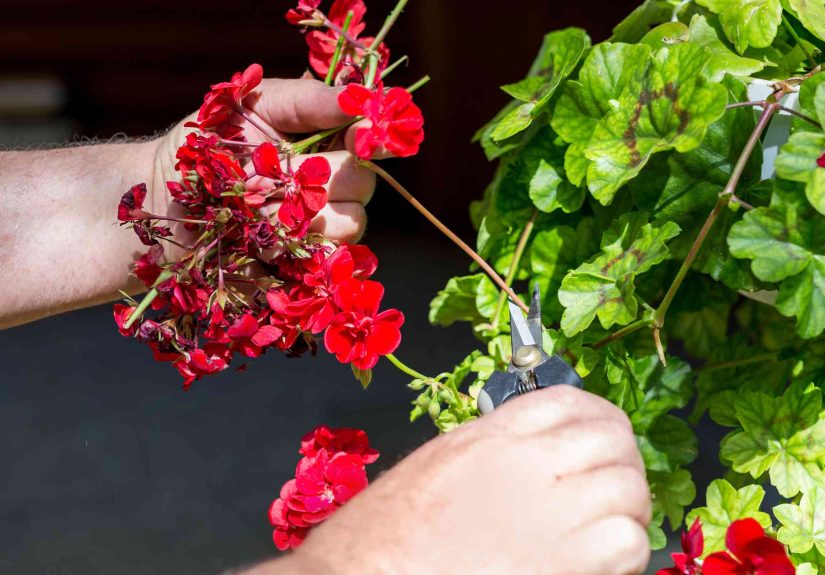
Examples include marigolds, zinnias, geraniums, and many petunias. Follow the stem down from the spent flower and cut just above a healthy set of leaves, a side bud, or a branching point. Don’t leave a long naked stem sticking up above the foliage. That little stub is the gardening equivalent of one lonely eyebrow hair.
2. For flowering spikes or stalks
Plants like salvia, delphinium, foxglove, and some daisies bloom on larger stalks or spikes. Once the spike is mostly finished, cut the whole stalk back to a side shoot, lower bud, or the base if no attractive growth remains. Some perennials will reward you with a second flush of flowers if you do this promptly.
3. For clustered blooms
Hydrangeas, geranium clusters, and some roses may need the whole flower cluster removed, not just the brown petals. Trace the flower stalk down to where it meets healthy growth and cut there. This looks cleaner and helps prevent awkward bare stems.
4. For plants that benefit from shearing
Some mounding or sprawling plants, such as candytuft, creeping phlox, catmint, or lobelia, can get leggy after a heavy bloom cycle. Instead of picking off each flower one by one, lightly shear the plant back by a modest amount. This tidies the plant, encourages branching, and can trigger another round of bloom. Just don’t go wild and scalp the thing into submission.
Best Plants to Deadhead Regularly
Not all flowering plants respond the same way, but many popular garden favorites benefit from regular deadheading.
Annuals that usually love it
- Petunias: Remove both the faded flower and the swollen base behind it
- Marigolds: Deadheading keeps blooms coming and reduces rot in humid weather
- Geraniums: Remove the entire flower stalk, not just the cluster top
- Zinnias: Snipping spent flowers encourages more stems and more blooms
- Snapdragons: Cutting finished spikes can stimulate more flowering
Perennials that often rebloom or look better
- Shasta daisies
- Salvia
- Bee balm
- Daylilies
- Dianthus
- Coreopsis
- Lavender (light shaping only, not hard cutting into old wood)
Shrubs and specialty bloomers
- Roses: Deadheading can keep repeat-blooming types flowering longer
- Dahlias: Weekly deadheading often keeps blooms coming strong
- Lilacs: Remove faded blooms to tidy plants and reduce seed formation
- Hydrangeas: Mostly for appearance, depending on type and your pruning goals
Plants You May Not Need to Deadhead
Here’s where pro-level gardening gets easier: some plants are self-cleaning. They naturally drop spent flowers or keep blooming without much help. Others are better left alone because their seedheads feed birds, create winter interest, or help them self-sow.
Common examples include:
- Calibrachoa: Often self-cleaning
- Some modern petunias: Especially vigorous, self-cleaning varieties
- Verbena: May bloom heavily without constant deadheading, though trimming helps shape
- Coneflowers: Seedheads can feed birds and look attractive in fall
- Black-eyed Susans: Seedheads can add wildlife value
- Astilbe and sedum: Dried flower heads can offer great seasonal texture
If your goal is a pollinator-friendly or naturalistic garden, don’t deadhead every last thing. A perfectly groomed garden is lovely, but so is one that feeds finches and lets a few plants finish their life cycle with dignity.
Common Deadheading Mistakes to Avoid
Cutting only the petals off
This is the classic beginner move. If you remove only the pretty top and leave the seed-forming base behind, the plant may still move ahead with seed production. Follow the flower stem down and remove the whole spent bloom structure.
Leaving awkward stubs
Long, leafless stems sticking out above the foliage look untidy and may dry out or invite disease. Cut back to a leaf node, side bud, or branching point whenever possible.
Deadheading during extreme stress
If plants are wilted in a heat wave, focus first on watering, mulching, and general care. Light cleanup is fine, but heavy pruning during extreme heat can add stress.
Using dull or dirty tools
Jagged cuts heal more slowly, and dirty blades can spread plant problems. Clean tools are not glamorous, but neither is fungal drama.
Removing every seedhead in late season
In fall, those seedheads can be useful. They may feed birds, reseed desirable flowers, or add structure to the winter garden. Sometimes the best deadheading move is knowing when to stop.
How Often Should You Deadhead?
For most gardens, a quick check two or three times a week during peak bloom is enough. Fast-blooming annuals in containers may need more attention because they’re putting on a nonstop flower show and have limited soil resources. Perennials in the ground can often be checked weekly.
A good routine looks like this:
- Containers and hanging baskets: Every 1 to 3 days
- Annual beds: Every 3 to 5 days
- Perennial borders: About once a week
- Roses and dahlias: Weekly during active bloom
If you miss a week, don’t panic. Plants are surprisingly forgiving. Gardening is not a performance review.
Deadheading vs. Pinching vs. Pruning
These terms get mixed together all the time, so here’s the simple version:
- Deadheading: Removing spent flowers
- Pinching: Removing soft growing tips to encourage bushier growth
- Pruning: Cutting stems or branches for shape, size, health, or flowering
A plant may need all three at different times. Mums are a good example: pinched in spring for bushiness, deadheaded during bloom, and cut back later as part of seasonal care.
Real-World Experience: What Gardeners Learn After a Season of Deadheading
Here’s the part that rarely makes it into neat little plant labels: deadheading teaches observation as much as technique. After one full growing season, most gardeners realize the real skill is not just cutting spent flowers off. It’s learning how each plant behaves, how quickly it recovers, and which ones reward attention with fireworks-level enthusiasm.
For example, petunias in containers can look glorious on Monday, a little tired by Thursday, and downright offended by Saturday if you ignore them. Once gardeners get in the habit of removing the wilted blooms and the little seed pod behind them, the plants often bounce back with surprising speed. The same goes for geraniums. Snap off that whole flower stalk, and the plant looks refreshed almost immediately, like it finally got eight hours of sleep.
Perennials teach a different lesson: patience. A salvia or Shasta daisy that looks finished may still have another performance left if you cut the spent stalk at the right place. New gardeners often hesitate because they’re afraid of doing harm. Then they finally make the cut, step back, and discover the plant responds with fresh buds a week or two later. That’s usually the moment deadheading stops feeling like a chore and starts feeling like strategy.
There’s also a strong visual payoff. Even when deadheading doesn’t trigger a huge rebloom, it makes the whole garden look more intentional. Beds look cleaner. Containers look fuller. The eye notices color instead of decline. This matters more than people admit. A garden doesn’t have to be perfect, but it does feel better when it looks actively cared for rather than mildly abandoned.
Experienced gardeners also learn not to overdo it. One of the most common lessons is that every brown flower does not demand an immediate emergency response. Some plants benefit from a full trim after their major flush instead of constant snipping. Others are worth leaving alone for seedheads, self-sowing, or bird food. The pros aren’t running around in a deadheading panic. They’re choosing their battles.
Another real-life discovery is that deadheading becomes easier when it’s tied to something else. Maybe it happens while watering containers. Maybe it’s part of an evening walk through the yard. Maybe it’s what you do with coffee in one hand and pruners in the other, pretending the garden is your kingdom and the marigolds are awaiting instruction. Once it becomes routine, it rarely feels like work.
And then there’s the confidence factor. Gardeners who deadhead regularly get more comfortable touching plants, inspecting leaves, spotting pests early, and noticing stress before it becomes a problem. They catch powdery mildew sooner. They see aphids before they spread. They realize a plant is forming seed instead of buds. That kind of awareness is what separates random maintenance from skilled gardening.
In the end, deadheading is one of those small practices that punches above its weight. It doesn’t require expensive tools, complicated formulas, or a master gardener certificate hanging in the shed. It just asks you to pay attention, make a clean cut, and understand what your plant is trying to do next. The reward is a garden that stays healthier, blooms longer, and looks like somebody around here knows what they’re doing.
Final Thoughts
Deadheading is one of the simplest ways to keep flowering plants healthy, productive, and attractive through the growing season. It helps many plants bloom longer, keeps beds neat, and gives gardeners a chance to really learn their plants instead of just watering and hoping for the best.
The professional approach is straightforward: know your plant, remove spent blooms promptly, cut to a healthy node or branching point, use clean tools, and stop when late-season seedheads offer more value than another round of blooms. Do that consistently, and your garden will look less like it’s limping toward fall and more like it plans to bloom until the curtain drops.







 Close
Close