
Table of Contents >> Show >> Hide
- What Is the Mantis Chair by Bassam Fellows?
- The Design Story: A Courthouse Chair Meets a Praying Mantis
- Materials: Why Solid Wood Still Matters
- Comfort and Ergonomics: Beautiful, But Can You Sit in It?
- Why the Mantis Chair Works in Modern Interiors
- The BassamFellows Philosophy Behind the Chair
- Is the Mantis Chair Worth the Investment?
- How to Style the Mantis Chair
- Care and Maintenance Tips
- Real-Life Experience: Living With the Idea of the Mantis Chair
- Conclusion: A Modern Classic With Quiet Power
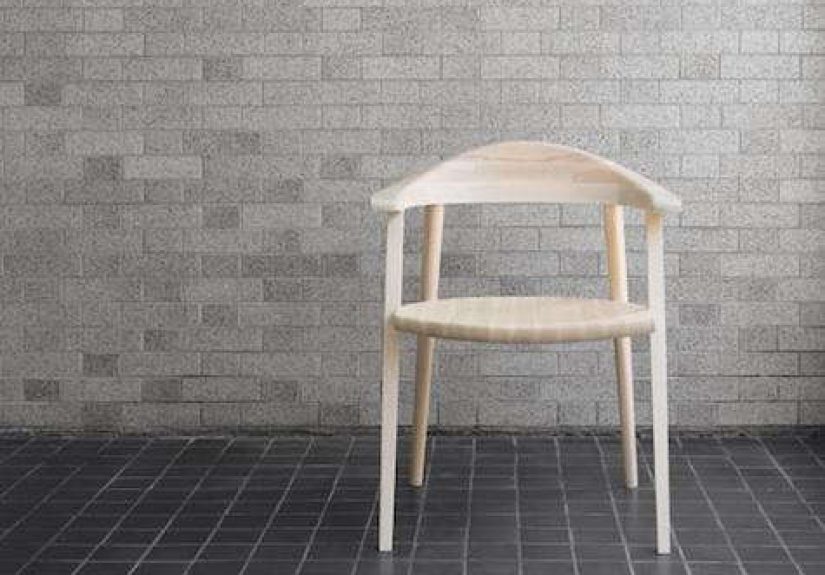
Some chairs enter a room quietly. The Mantis Chair by Bassam Fellows does something more interesting: it looks like it has paused mid-thought, stretched its elegant wooden limbs, and decided to stay awhile. Inspired by the poised silhouette of the praying mantis, this sculptural seat blends natural materials, architectural discipline, and just enough visual drama to make a dining table feel like it hired a stylist.
Officially part of the BassamFellows seating collection, the Mantis Chair is not a trendy “statement chair” that shouts for attention and then becomes embarrassing in three years. It is the opposite: a solid-wood, carefully proportioned piece designed to age gracefully. Think of it as furniture with manners, muscle, and a little insect-inspired swagger.
For homeowners, interior designers, collectors, and anyone who believes a chair should be more than four legs and a place to drop a sweater, the Mantis Chair offers a useful lesson in modern furniture design. It shows how a simple object can carry history, craft, ergonomics, sustainability, and beauty without looking like it is trying too hard.
What Is the Mantis Chair by Bassam Fellows?
The Mantis Chair is a carved solid-wood chair designed by BassamFellows, the design house founded by Australian architect Craig Bassam and American creative director Scott Fellows. The studio is known for a philosophy often described as “Craftsman Modern,” a thoughtful blend of modernist clarity, traditional craftsmanship, warm natural materials, and long-life construction.
The chair comes in variations, including the Mantis Side Chair and Mantis Lounge Chair. Both versions share the same design DNA: a powerful stance, elegant curves, precise joinery, and a form inspired by the praying mantis. That inspiration is not cartoonish. There are no bug eyes, no gimmicks, no awkward novelty. Instead, the chair borrows the mantis’s posture: alert, balanced, angular, and surprisingly graceful.
At first glance, the Mantis Chair appears light because its lines are open and its silhouette is lean. Look closer, however, and the craftsmanship becomes obvious. It is carved entirely from solid wood, with joints reinforced by steel pins for durability. Optional hand-stitched cushions can be added for extra comfort, especially in settings where people are expected to sit longer than a quick espresso and a dramatic sigh.
The Design Story: A Courthouse Chair Meets a Praying Mantis
One of the most interesting things about the Mantis Chair is its reference to the classic American courthouse chair. Courthouse chairs were built to survive heavy public use. They had to be sturdy, comfortable enough, and visually respectable without becoming decorative divas. BassamFellows takes that old-school durability and reinterprets it through a more sculptural, modern lens.
The result is a chair that feels familiar and fresh at the same time. The broad seat and supportive arms suggest tradition. The carved geometry, dramatic side profile, and tapered structure push it into contemporary design territory. It is the kind of furniture that can sit beside a farmhouse table, a minimalist marble island, or a serious walnut desk and somehow behave appropriately in all three places.
The praying mantis influence gives the chair its personality. The legs appear strong yet agile. The arms and back create a sense of poised movement. The seat feels grounded, while the frame gives the impression that the chair could spring forward if furniture ever developed opinions and knees.
Materials: Why Solid Wood Still Matters
In a world full of flat-pack furniture, mystery veneers, and chairs that wobble after one enthusiastic dinner party, solid wood feels refreshingly honest. The Mantis Chair is available in wood options such as ash, oak, walnut, and ebonized ash, depending on the version and retailer. These materials are not merely decorative surfaces; they are central to the chair’s structure and character.
Solid wood gives the Mantis Chair a tactile quality that photos cannot fully capture. Grain patterns vary from chair to chair, which means each piece has subtle individuality. Walnut can bring richness and depth. Ash can feel lighter and more architectural. Oak offers a balanced, timeless look that fits easily into both traditional and modern interiors.
This is where BassamFellows’ design philosophy becomes practical. The brand emphasizes materials that improve with age, including sustainably sourced wood and fine leather. Instead of chasing shiny perfection, the chair is meant to develop patina. A good Mantis Chair should not look “used up” after years of service; it should look more settled, more personal, and more interesting.
Comfort and Ergonomics: Beautiful, But Can You Sit in It?
Many sculptural chairs have one fatal flaw: they look incredible until a real human tries to sit down. The Mantis Chair avoids that trap by giving comfort a serious role in the design. Its seat is shaped to support the body, and the proportions are generous without becoming bulky.
The Mantis Side Chair is especially useful around a dining table, conference table, writing desk, or reading corner. Dimensions vary slightly by source and configuration, but published listings commonly place it around 25 inches wide, 21 inches deep, and just over 30 inches high, with a seat height of about 17.5 inches. In plain English, that means it has the presence of an armchair but still works as a functional side chair.
The Mantis Lounge Chair sits lower and wider, making it better suited for relaxed seating areas, bedrooms, boutique hotel lobbies, or quiet corners where people say things like, “I’m just going to read for ten minutes,” and then disappear for an hour. Optional cushions add softness while preserving the chair’s crisp outline.
Why the Mantis Chair Works in Modern Interiors
The Mantis Chair succeeds because it understands contrast. It is sharp and curved. Solid and visually light. Traditional and modern. Sculptural but useful. That balance makes it surprisingly flexible in interior design.
In a Dining Room
A set of Mantis Side Chairs around a wood dining table creates a strong, tailored look. Because the chair has arms, it brings more presence than a typical dining chair. It works beautifully when used as host chairs at the ends of a table, especially paired with simpler side chairs along the length.
In a Home Office
Placed beside a writing desk, the Mantis Chair gives the room a refined, architectural quality. It is not a task chair for eight hours of spreadsheet combat, but it is excellent for reading, writing, client conversations, or creating a workspace that says, “I make thoughtful decisions,” even if your inbox says otherwise.
In a Living Room
The lounge version can act as a sculptural accent chair. It pairs well with low sofas, textured rugs, and quiet materials such as linen, stone, wool, plaster, and aged leather. Because the form is distinctive but not flashy, it can hold attention without bullying the rest of the room.
In Hospitality Spaces
Boutique hotels, galleries, private clubs, and design-forward restaurants often need furniture that feels special but can still handle daily use. The Mantis Chair’s reinforced construction and heirloom-quality materials make it a smart candidate for those settings, especially where design detail is part of the guest experience.
The BassamFellows Philosophy Behind the Chair
BassamFellows was founded in 2003 with a mission to bring craftsmanship and beauty back to contemporary living. Craig Bassam’s architectural background and Scott Fellows’ creative direction meet in furniture that is disciplined, warm, and highly edited. Nothing looks accidental. Nothing looks overdecorated.
The studio’s “total design” approach is important because the Mantis Chair is not treated as an isolated object. It belongs to a broader world of furniture, interiors, lifestyle objects, and architectural thinking. This gives the chair a strong sense of identity. It is not just a seat; it is part of a design language based on geometry, natural materials, construction, and longevity.
That is why the chair avoids the common problem of luxury furniture that feels precious but impractical. The Mantis Chair has refinement, yes, but it also has a backbone. It was designed to last, to be used, and to become part of daily life rather than sit untouched like a museum object with anxiety.
Is the Mantis Chair Worth the Investment?
The Mantis Chair sits firmly in the luxury furniture category. Earlier coverage from Remodelista listed the chair at $1,450 in ash back in 2009, while current listings and configurations can sit significantly higher depending on wood, cushion options, retailer, and market. That shift is not surprising. Premium materials, handwork, international production, and collector-level design rarely move in the direction of “budget-friendly.”
Whether it is worth the investment depends on what you expect from furniture. If you need temporary seating for a rental apartment, there are cheaper ways to keep guests off the floor. If you want a long-term piece with design pedigree, durable construction, natural materials, and the kind of silhouette that still looks relevant years later, the Mantis Chair makes a stronger case.
It is best understood as an heirloom-quality furniture purchase. The value is not only in the object itself but in how it changes the atmosphere of a room. One well-chosen chair can sharpen an entire space. The Mantis Chair does that with confidence, not noise.
How to Style the Mantis Chair
Because the Mantis Chair has a strong profile, styling it well is about restraint. Let the form breathe. Avoid crowding it with overly ornate furniture, busy rugs, or accessories that compete for attention. This chair does not need a dramatic pillow wearing tassels and emotional baggage.
For a warm modern look, pair walnut Mantis Chairs with a simple oak or stone table, off-white walls, and linen curtains. For a sharper architectural scheme, choose ebonized ash with pale flooring, black metal accents, and sculptural lighting. For a softer organic room, combine ash or oak with woven textures, neutral upholstery, handmade ceramics, and greenery.
Lighting matters, too. A side-lit Mantis Chair shows off the carved wood, shadows, and angles beautifully. Place it near a window or under a pendant that highlights its silhouette. The chair is especially photogenic from the side, where the mantis-inspired stance is easiest to see.
Care and Maintenance Tips
A chair made from solid wood should be cared for like a living material, because in many ways, it still behaves like one. Keep the Mantis Chair away from extreme humidity swings, direct heat, and harsh sunlight. Use a soft cloth for dusting, and avoid aggressive cleaners that can damage the finish.
If the chair has a leather cushion, treat the leather with similar respect. Wipe spills quickly, avoid soaking it, and allow the material to develop a natural patina. Small signs of use can add character, but neglect is not the same as charm. There is a difference between “beautifully aged” and “survived a fraternity basement.”
For long-term care, follow the manufacturer’s recommendations for the specific finish. Different woods and finishes may require different cleaning methods. When in doubt, gentle care is the safest path.
Real-Life Experience: Living With the Idea of the Mantis Chair
The first experience people often have with the Mantis Chair is visual. You notice its outline before you process the details. From across a room, it looks composed and slightly mysterious. It does not look like a chair trying to be “fun.” It looks like a chair that knows exactly why it is there. That confidence is part of its appeal.
In a real home, the Mantis Chair works best when it has space around it. I would not bury it under a tablecloth-heavy dining setup or squeeze it into a cluttered corner beside a pile of chargers, unopened mail, and one lonely sock. This chair rewards breathing room. Give it a clean floor line, a good table, and enough light to reveal the grain, and it becomes one of those pieces guests notice without being prompted.
As a dining chair, the armrests change the experience. They make a meal feel slower and more intentional. You sit down and settle in rather than perch and escape. That can be wonderful for long dinners, design-focused restaurants, or homes where the dining table doubles as the emotional headquarters of the household. The chair encourages conversation, lingering, and the kind of post-meal pause where someone says, “Should we make coffee?” even though everyone already knows the answer is yes.
As an accent chair, the Mantis Lounge version has a different personality. It feels lower, calmer, and more contemplative. It belongs near a window, beside a small table, or across from a sofa where it can contribute shape without demanding center stage. Add a textured throw nearby, not necessarily on the chair itself, and the whole corner can feel quietly luxurious.
The most important experience, though, is the feeling of using something built with intention. The Mantis Chair does not feel disposable. It feels like the kind of object you plan around. That may sound inconvenient, but it is actually refreshing. So much modern furniture is bought quickly, moved carelessly, and replaced when trends change. The Mantis Chair asks for a slower relationship. It wants to be chosen carefully, placed thoughtfully, and kept for a long time.
That makes it especially appealing for people who are tired of interiors that look assembled by algorithm. The Mantis Chair has personality, but it is not loud. It has craft, but it is not nostalgic. It has luxury, but not the shiny, look-at-me kind. Living with it would likely make you more aware of proportion, material, and negative space. It may even make the rest of your furniture nervous, which is not a bad thing. Sometimes one great chair is exactly the pressure a room needs to grow up.
Conclusion: A Modern Classic With Quiet Power
The Mantis Chair by Bassam Fellows is a rare furniture design that feels both grounded and animated. Its solid-wood construction, ergonomic shaping, insect-inspired silhouette, and connection to the American courthouse chair give it depth beyond surface beauty. It is elegant without being fragile, sculptural without being silly, and luxurious without needing to announce itself with a megaphone.
For design lovers, the chair represents what contemporary furniture can be when craft, material, history, and usability are treated as partners. For homeowners, it offers a way to add character and permanence to a room. For anyone who believes furniture should earn its place, the Mantis Chair makes a convincing argumentthen sits there looking calm, carved, and quietly superior.







 Close
Close