
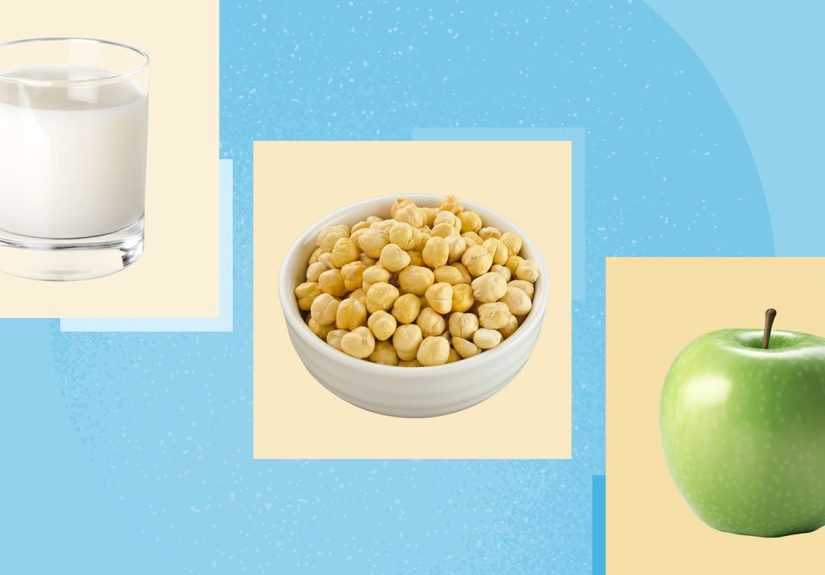
Table of Contents >> Show >> Hide
- Why Food Matters When You Have Gallstones
- The Gallstone-Friendly Foods List
- 1) Fruits and Vegetables
- 2) Whole Grains (Fiber That Actually Fills You Up)
- 3) Beans, Lentils, and Peas (Low-Fat Protein + Fiber)
- 4) Lean Proteins (So You Don’t Feel Like You’re “On a Diet”)
- 5) Low-Fat or Fat-Free Dairy (If You Tolerate It)
- 6) Healthy Fats (Yes, Some Fat Can Be Helpful)
- 7) Fluids and “Gentle” Add-Ons
- Foods That Often Trigger Symptoms (and Smart Swaps)
- How to Build a Gallstone-Friendly Plate
- Sample 1-Day Meal Plan (Practical, Not Perfect)
- Real-World Tips That Make This Diet Easier
- Special Situations: If You’re Waiting for Surgery (or Already Had It)
- When to Talk to a Clinician (Don’t Tough It Out)
- of Real-Life Experiences: What People Commonly Notice (and What Actually Helps)
- Conclusion
Gallstones have a talent for showing up right when you’ve made peace with your favorite foods. One minute you’re enjoying
a burger, the next your gallbladder is acting like it just watched a horror movie. If you’ve been told you have
gallstones (or you’re trying to avoid another “never again” episode), food choices can make a real difference in how
you feel day to day.
Here’s the good news: you don’t have to live on dry toast and sadness. Many people do best with a style of eating that’s
lower in saturated fat, higher in fiber, and steady and predictable
(your gallbladder likes routines almost as much as your phone likes charging overnight). This guide walks through
gallstone-friendly foods, why they help, and how to build meals that are satisfying and realistic.
Quick note: This article is educational, not personal medical advice. If you have severe abdominal pain, fever,
yellowing of the skin/eyes, vomiting that won’t stop, or dark urine/light stools, get urgent medical carethose can be
signs of complications that need prompt treatment.
Why Food Matters When You Have Gallstones
Your gallbladder stores bile, which helps you digest fat. When you eat fat, your body signals the gallbladder to
squeeze bile into the digestive tract. If you have gallstones, that squeeze can sometimes trigger pain (often called a
“gallbladder attack” or biliary colic) if a stone blocks flow.
That’s why many people notice symptoms after meals that are rich, heavy, or high-fat. But the goal
isn’t “zero fat forever.” In fact, very strict or rapid diet changes can backfire. The sweet spot is usually:
- Moderate, consistent fat (mostly unsaturated fats, in sensible portions)
- High-fiber foods to support healthy digestion and cholesterol balance
- Fewer refined carbs and added sugars (think: white bread, pastries, sugary drinks)
- Regular mealsno extreme fasting or “I forgot to eat until 6 PM” marathons
The Gallstone-Friendly Foods List
Below are foods that tend to be easier on the gallbladder for many people. Everyone’s triggers differ, so consider
these “best bets,” not unbreakable laws.
1) Fruits and Vegetables
Fruits and vegetables are the “easy win” category: high in fiber, packed with nutrients, and naturally low in fat.
They can help you build filling meals without accidentally turning dinner into a grease festival.
Great choices:
- Apples, pears, berries, oranges (fiber + gentle sweetness)
- Leafy greens (spinach, kale, romainesalad doesn’t have to be punishment)
- Cruciferous veggies (broccoli, cauliflower, Brussels sproutsroast them and they’ll behave)
- Carrots, bell peppers, zucchini, green beans
- Beets (earthy, sweet, and good roasted)
How to use them: Aim for half your plate as non-starchy vegetables at lunch and dinner. Add fruit to
breakfast (oatmeal + berries) or snacks (apple slices + a small spoon of nut butter if tolerated).
2) Whole Grains (Fiber That Actually Fills You Up)
Whole grains provide fiber and help keep blood sugar steadier than refined grains. That matters because patterns
linked to high refined-carb intake and added sugars are associated with gallstone risk, and many people find symptoms
are calmer when meals are less “spike-and-crash.”
Best picks:
- Oats (steel-cut, rolled, overnight oats)
- Brown rice or wild rice
- Quinoa
- Whole-wheat bread/pasta (watch creamy sauces)
- Barley (soups love barley)
- Popcorn (air-popped, easy on the butteryes, you can have fun)
Example meal: A quinoa bowl with roasted vegetables, black beans, salsa, and a squeeze of lime. Add a
teaspoon of olive oil if you tolerate it well.
3) Beans, Lentils, and Peas (Low-Fat Protein + Fiber)
Legumes are a gallstone-friendly powerhouse: filling, high-fiber, and typically low in saturated fat. They also make
meals feel hearty without relying on heavy oils or cheese for flavor.
Try:
- Lentils (lentil soup, lentil “taco” filling)
- Chickpeas (roasted chickpeas, chickpea salad)
- Black beans, pinto beans, kidney beans
- Split peas (split pea soup, classic comfort)
- Edamame (snack or salad topper)
Tip: If beans make you gassy, start with smaller portions and rinse canned beans well. Your digestive
system is like a group chat: it needs time to adjust.
4) Lean Proteins (So You Don’t Feel Like You’re “On a Diet”)
Protein helps you stay satisfied. The key with gallstones is choosing options that are lower in saturated fat and
using cooking methods that don’t drown food in grease.
Lean protein options:
- Skinless chicken or turkey breast (baked, grilled, or slow-cooked)
- Fish (salmon, cod, tilapia; baked or broiled)
- Egg whites or egg-based meals using more whites than yolks
- Tofu or tempeh
- Low-fat Greek yogurt (also counts as dairy)
Specific example: Make “sheet-pan dinner” your best friend: chicken breast, broccoli, and sweet
potato cubes roasted with spices and a light brush of olive oil.
5) Low-Fat or Fat-Free Dairy (If You Tolerate It)
Some people handle dairy fine, while others find it triggers symptomsespecially higher-fat versions. If dairy works
for you, lower-fat options can provide protein and calcium without a lot of saturated fat.
Try:
- Skim or 1% milk
- Low-fat yogurt or kefir
- Reduced-fat cottage cheese
- Part-skim mozzarella (small portions)
Watch out for: ice cream, full-fat cheeses, creamy sauces, and “extra cheesy” anything. Gallbladder
pain is not worth a queso fountain, no matter how persuasive it looks.
6) Healthy Fats (Yes, Some Fat Can Be Helpful)
This is where gallstone advice gets nuanced. Many people with symptoms feel better keeping fat intake modest, because
high-fat meals can trigger stronger gallbladder contractions. But completely avoiding fat isn’t always the answer.
Some clinical guidance notes that healthy fats (like olive oil and omega-3-rich foods) can support
normal gallbladder emptying in regular, smaller amounts.
Better fat choices (in small portions):
- Olive oil (1 teaspoon to 1 tablespoon, depending on tolerance)
- Avocado (a few slices at first)
- Nuts and seeds (small handful; choose dry-roasted or raw)
- Fatty fish (salmon, trout) a couple times per week
Portion reality check: “A little” means a drizzle, not a swimming pool. Start small and see how you
feel.
7) Fluids and “Gentle” Add-Ons
Hydration supports digestion, and some beverages are easier choices than sugary drinks (which aren’t doing gallstones
any favors).
- Water (sparkling counts if it doesn’t bother you)
- Herbal tea (ginger or peppermint can feel soothing for some)
- Broth-based soups (watch the fat content)
- Spices for flavor: garlic powder, cumin, paprika, oregano, black pepper
Foods That Often Trigger Symptoms (and Smart Swaps)
People with gallstones often report trouble after meals that are very high in fat, especially saturated and fried
fats. You don’t need to fear food, but you do want to avoid repeat performances of “Why did I do that?”
Common triggers
- Fried foods (fried chicken, fries, doughnuts)
- High-fat meats (bacon, sausage, ribs, pepperoni)
- Full-fat dairy (cream, butter-heavy dishes, rich cheese sauces)
- Pastries and desserts (often a double hit: saturated fat + sugar)
- Ultra-processed snack foods (chips, greasy crackers)
- Sugary drinks (soda, sweetened coffee drinks)
Easy swaps that don’t feel like punishment
- Instead of fries: oven-baked potato wedges with spices
- Instead of creamy Alfredo: marinara or a light Greek-yogurt-based sauce
- Instead of sausage pizza: veggie + grilled chicken on thin crust, lighter cheese
- Instead of ice cream: frozen yogurt or a banana “nice cream” blend
- Instead of buttery pastries: oatmeal with fruit or whole-grain toast with jam
How to Build a Gallstone-Friendly Plate
If you like structure, here’s an easy formula that works for many people:
- Half the plate: non-starchy veggies (salad, roasted vegetables, sautéed greens)
- One quarter: lean protein (fish, chicken breast, tofu, beans)
- One quarter: whole grains or starchy veg (brown rice, quinoa, sweet potato)
- Add: a small amount of healthy fat if tolerated (teaspoon of olive oil, a few avocado slices)
This approach naturally keeps fat reasonable while boosting fiberwithout turning you into someone who only eats
“healthy” food in public and then cries into chips at home.
Sample 1-Day Meal Plan (Practical, Not Perfect)
Breakfast
- Overnight oats made with low-fat milk (or an unsweetened alternative)
- Blueberries + sliced banana
- Cinnamon and a small spoon of chopped walnuts (optional, if tolerated)
Lunch
- Turkey or tofu wrap in a whole-wheat tortilla
- Lots of veggies (lettuce, cucumber, tomato)
- Mustard or salsa instead of heavy mayo
- Side: apple or orange
Snack
- Low-fat Greek yogurt with strawberries
- Or: roasted chickpeas + herbal tea
Dinner
- Baked salmon (or cod) with lemon and herbs
- Brown rice or quinoa
- Steamed broccoli or roasted zucchini
- Optional: drizzle of olive oil or a spoon of hummus
Real-World Tips That Make This Diet Easier
Keep meals regular (your gallbladder likes schedules)
Long stretches without eating can affect how bile sits in the gallbladder. Many clinicians recommend consistent meals
rather than dramatic fasting patternsespecially if you’ve had symptoms.
Try smaller portions if big meals trigger pain
Large mealsespecially fatty onescan stimulate stronger gallbladder contractions. Some people do better with smaller,
more frequent meals while they’re figuring out triggers.
Use a “food detective” approach
Keep a simple food and symptom log for two weeks. You’re not building a courtroom casejust noticing patterns like:
“Creamy pasta = regret” or “Small amount of olive oil = totally fine.”
Avoid rapid weight loss
If weight loss is part of your plan, aim for slow-and-steady. Rapid weight loss is linked to increased gallstone risk.
This is one reason crash diets can be a bad ideayour gallbladder didn’t agree to that lifestyle change.
Special Situations: If You’re Waiting for Surgery (or Already Had It)
Many people with symptomatic gallstones eventually have a cholecystectomy (gallbladder removal). While waiting, a
lower-fat pattern often helps reduce the frequency of attacks. After surgery, some people tolerate a wider range of
foods, but others do best easing in graduallyespecially with fatty or very large meals. Your body may need a little
time to adjust to bile flowing continuously rather than being stored.
If you’ve had your gallbladder removed and fatty meals cause diarrhea or nausea, try:
- Smaller meals
- Lower fat portions (especially at first)
- More soluble fiber foods (oats, bananas, applesauce) to help “steady” digestion
When to Talk to a Clinician (Don’t Tough It Out)
Diet can help manage symptoms, but it won’t always solve the underlying issueespecially if stones are causing
blockages. Contact a healthcare professional urgently if you have:
- Severe, persistent pain (especially in the upper right abdomen)
- Fever or chills
- Yellowing of the skin or eyes
- Repeated vomiting
- Dark urine or pale stools
Translation: if your body is sending up flares, don’t respond with “I’ll just drink water and see what happens.”
Get checked.
of Real-Life Experiences: What People Commonly Notice (and What Actually Helps)
When people first hear “gallstones,” many expect a single magic food listlike there’s a secret menu that unlocks
gallbladder peace. In reality, experiences are usually a mix of “Oh wow, that helped immediately” and “Why is my body
offended by something that looks this innocent?” But certain patterns show up again and again.
One of the most common “aha” moments is realizing how much portion size matters. Plenty of people can
tolerate a food in a small amount but get symptoms when the meal turns into a feast. For example, a spoon of olive oil
on roasted vegetables may be fine, but a heavy restaurant dish that’s glossy with butter can feel like it lands with a
thud. It’s not that restaurants are evilit’s just that “flavor” is often code for “fat plus more fat.”
Another frequent experience: people learn the hard way that “fat-free” doesn’t automatically mean “gallstone-friendly.”
Some ultra-processed snacks are low in fat but high in refined carbs and added sugars, and many folks say they feel
better when they shift toward whole foodsoats instead of pastries, fruit instead of candy, brown rice
instead of white rice as the everyday default. It’s less about chasing perfection and more about building meals that
don’t poke the bear.
Many people also talk about how helpful it is to keep a simple food lognot a calorie spreadsheet
worthy of a NASA engineer, just a quick note of meals and symptoms. This often reveals sneaky triggers: creamy coffee
drinks, “healthy” smoothies loaded with full-fat yogurt, or the “just one slice” of pepperoni pizza that somehow turns
into three slices when no one is watching. (If that last one sounds oddly specific, it’s because pizza has excellent
marketing.)
A surprising number of people report that they do best when they stop skipping meals. Long gaps can
lead to overeating later, and bigger meals tend to be harder to tolerate. Switching to regular mealssometimes even
adding a small snackcan make symptoms less unpredictable. Think of it as keeping your digestion on a steady playlist
instead of hitting shuffle at full volume.
On the emotional side, people often say the hardest part isn’t giving up one foodit’s the fear of triggering pain.
What helps is having a handful of “safe meals” ready to go: a veggie-and-bean soup, grilled chicken with rice, oatmeal
with fruit, a turkey wrap with mustard, or a baked fish dinner. When you know you have backups, you’re less likely to
roll the dice on something greasy when you’re hungry and tired.
Finally, many people notice that the best results come from a flexible mindset: start with lower-fat, higher-fiber
basics, then carefully test foods in small amounts. Over time, the diet feels less like restrictions and more like
“I’ve figured out what my body tolerates.” And that’s the real win: fewer surprises, fewer painful episodes, and a
plate that still tastes like foodbecause you deserve better than a lifetime of bland.
Conclusion
If you have gallstones, the most reliable food strategy is usually a low-to-moderate fat,
high-fiber eating pattern built from fruits, vegetables, whole grains, beans, and lean proteinsplus
small amounts of healthy fats if you tolerate them. Avoiding very fatty, fried, and ultra-processed foods can reduce
the chances of triggering symptoms for many people, while regular meals and gradual weight changes keep your
gallbladder from being thrown into chaos.
And remember: your goal isn’t to eat “perfectly.” Your goal is to eat in a way that helps you feel steady, comfortable,
and confidentwithout having to treat every meal like a suspense thriller.




 Close
Close