
Table of Contents >> Show >> Hide
- Why This Promo Hit a Nerve
- What Happened Before the Backlash
- The Real Problem Was Never Just Audrey
- Why Gabriela Still Has Such a Hold on Fans
- Is the Show Actually in Trouble?
- The Promo Problem: A Tiny Clip Can Rewrite the Entire Mood
- The Viewing Experience: Why Fans Take This Stuff So Personally
- Final Thoughts
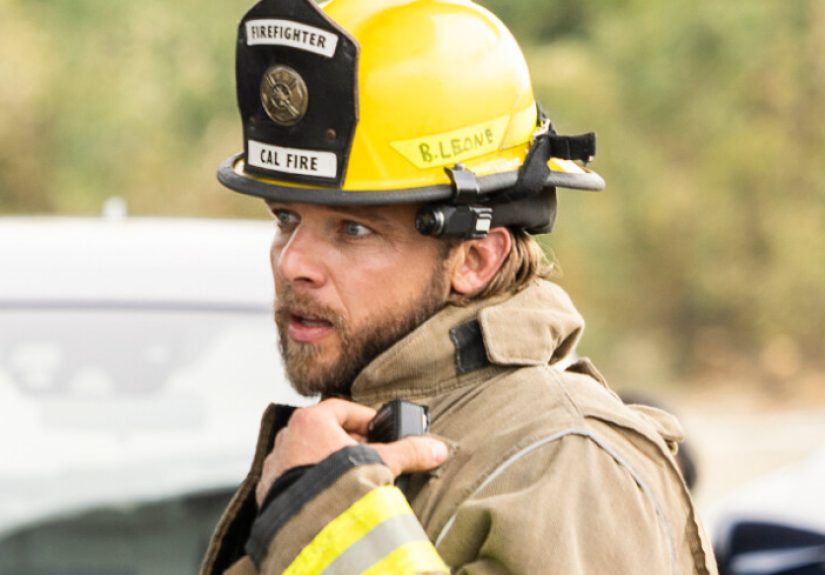
Television fans are loyal. They will forgive questionable dialogue, suspiciously clean firefighters, and plot twists that arrive with all the subtlety of a helicopter landing in a school parking lot. But there is one thing many viewers refuse to forgive: a promo that seems to push the wrong romance at the wrong time. That is exactly why Fire Country found itself in the fandom hot seat after a new promo put Bode Leone and Audrey James front and center, while a loud corner of the audience continued waving the metaphorical banner for Gabriela Perez.
The reaction was dramatic, yes, but not exactly shocking. Fire Country has always thrived on emotional whiplash. It is a CBS drama built on redemption arcs, family wounds, wildfire rescues, and relationships that rarely stay tidy for longer than one commercial break. So when the promo for a Season 4 episode appeared to spotlight Bode and Audrey during a moment when viewers were still mourning Vince, processing Gabriela’s departure, and trying to figure out what version of Bode would emerge from all that grief, some fans went from concerned to absolutely singed.
Why This Promo Hit a Nerve
On the surface, the backlash might look like standard internet overreaction. A preview drops, fans complain, someone types in all caps, and the algorithm thanks everyone for their service. But this one touched a much deeper anxiety within the Fire Country fandom. The issue was not just that Bode and Audrey were featured. It was when they were featured and what their relationship seemed to represent.
For many viewers, Bode and Audrey never arrived as a clean-slate romance. They arrived carrying baggage, history, instability, and the not-so-small problem of replacing the emotional real estate long occupied by Bode and Gabriela. That is not exactly a recipe for universal applause. It is more like bringing a new date to a family reunion where half the guests are still wearing Team Gabriela buttons under their jackets.
The promo also teased more emotional trouble for Bode at a point when audiences were already worried that his grief would send him into another spiral. Instead of offering comfort, clarity, or even a little hope, the clip suggested tension, secrets, and relationship strain. Fans who were already skeptical of Audrey as Bode’s partner took one look and said, in effect, “Absolutely not. We did not survive this much emotional smoke for this.”
The Internet Was Not Exactly Whispering
What made the moment travel was the intensity of fan reaction. Some viewers did not simply say they disliked the pairing. They said they were done. Or almost done. Or temporarily done until Gabriela came back. In fandom language, that is not a casual complaint. That is a full dramatic exit through imaginary saloon doors.
Still, it is worth remembering that the loudest fans are not always the majority. Comment sections are built for big feelings, not balanced polling. But when the same complaint keeps resurfacing across multiple stories, social posts, and entertainment write-ups, it usually points to something real: a meaningful portion of the audience feels the show has unsettled the emotional center that made them care in the first place.
What Happened Before the Backlash
To understand why one short promo triggered such a strong response, you have to look at the road leading into Season 4. Fire Country did not stroll into this moment. It limped in, covered in ash, carrying heartbreak.
The Season 3 finale left viewers with one of the show’s biggest cliffhangers yet, and Season 4 quickly confirmed the worst: Vince Leone was gone. That death did not just remove a beloved character. It altered the emotional architecture of the series. Vince was not merely another firefighter on the board. He was authority, fatherhood, discipline, memory, and the moral backbone of Station 42. Once he was gone, every relationship around Bode changed shape.
Then came Gabriela’s exit from Edgewater. For many fans, Gabriela was not just a former love interest. She was part of the show’s pulse. Her chemistry with Bode had fueled a huge amount of fan investment, even when the writing sent them around in circles. Her departure left a romantic vacancy that the show seemed eager to fill, but some viewers were in no mood to redecorate.
That is where Audrey entered the center of the conversation. On paper, the connection made sense. Audrey understood chaos. She had her own past. She could relate to Bode in ways others could not. But television is not a math problem, and fandom rarely accepts “technically compatible” as a substitute for “electrically compelling.” For plenty of viewers, Audrey felt less like a natural evolution and more like a narrative detour.
The Real Problem Was Never Just Audrey
To be fair, Audrey became the face of the backlash, but she was never the whole issue. The larger frustration was that fans felt the show was moving too quickly toward a new romantic focus before the audience had finished processing its bigger losses. Vince’s death was huge. Gabriela’s departure was disruptive. Bode’s emotional instability was still very much on the table. So a promo leaning into relationship drama landed less like a juicy tease and more like the series trying to skip emotional homework.
That is often where fandom revolts begin. Viewers can handle pain. In fact, prestige TV and network drama both survive on it. What viewers hate is feeling rushed past pain. When audiences are still grieving one character, missing another, and worrying about a third, they do not necessarily want to be told to focus on whether a new couple can make it through the week.
And Bode, as always, is the center of the storm. He is the kind of TV protagonist who inspires fierce loyalty and occasional exhaustion. Fans root for him, but they also know he has a talent for turning every emotional setback into a fresh opportunity for bad decisions. So when a promo hints that he is once again wobbling, viewers do not just see romance trouble. They see the possibility of another backslide, another round of self-sabotage, and another hour of yelling at the television like it is a stubborn cousin.
Why Gabriela Still Has Such a Hold on Fans
There is a reason Gabriela remains central to the conversation even when she is not physically on-screen. She represents unfinished emotional business. Bode and Gabriela were messy, frustrating, and occasionally one bad choice away from a group intervention, but they were also central to the identity of the show for many viewers. Their dynamic gave Fire Country a romantic engine that fans learned to anticipate, debate, and obsess over.
That does not mean Bode and Gabriela were perfect. Far from it. Sometimes they communicated like two people trying to send each other messages through a broken smoke alarm. But imperfect TV couples often inspire the strongest attachment because they feel volatile, unresolved, and alive. Gabriela was not merely one option in a love triangle. For a lot of fans, she was the option.
So every time a promo, episode, or storyline appears to move Bode emotionally farther away from her, the reaction becomes bigger than a simple shipping dispute. Fans read it as the show stepping away from one of the relationships that helped make the series addictive in the first place. That is why the “stop watching” rhetoric flares up so quickly. It is less about one clip and more about accumulated fear that the show is changing into something they did not sign up for.
Is the Show Actually in Trouble?
Probably not in the apocalyptic sense fans sometimes predict online. If television history has taught us anything, it is that fans often threaten to quit long before they actually do. Hate-watching is real. Curiosity is powerful. And network procedurals with strong built-in audiences can survive quite a lot of digital hand-wringing.
In fact, Fire Country still looks like a series with real staying power. The franchise has expanded, the Sheriff Country universe keeps the brand visible, and the show has already secured a Season 5 renewal. That matters. It suggests CBS still sees the series as an important part of its lineup, even when the fandom is behaving like it just found out someone replaced the station coffee with decaf.
But stable does not mean untouchable. Fan frustration is valuable information, especially on a drama so dependent on emotional investment. If viewers are loudly rejecting a romantic storyline, the smart move is not necessarily to panic. It is to listen. TV audiences do not need to control every plot turn, but successful long-running shows usually understand which emotional threads feel sacred. Fire Country may be discovering, in real time, just how sacred Gabriela remains to a large section of its fan base.
The Promo Problem: A Tiny Clip Can Rewrite the Entire Mood
Promos are strange little creatures. They are supposed to excite viewers, but they often flatten nuance into one loud emotional promise. A single glance, one ominous line, or ten seconds of chemistry can suddenly become the whole story in the minds of fans before the episode even airs.
That is what happened here. The preview may have been trying to tease tension, deepen Bode’s emotional conflict, and keep viewers invested in what came next. But many fans interpreted it as a declaration: this is the romance we are prioritizing now, and you had better get on board. That interpretation may not have been entirely fair, but television is not judged only by intention. It is judged by vibe. And this promo’s vibe, for a lot of people, was “We’re still doing this?”
That is the danger of promotional storytelling. Once the audience feels a clip is pushing a direction they do not want, the backlash can outgrow the material itself. Suddenly the promo is no longer a tease. It becomes evidence in the fandom’s emotional court case.
The Viewing Experience: Why Fans Take This Stuff So Personally
Now for the part that is easy to mock and impossible to dismiss: the experience of being a fan. Because when people say they will “stop watching” after a promo, they are not really reacting to 20 seconds of footage in isolation. They are reacting to months, sometimes years, of attachment.
Watching a show like Fire Country is not passive. It becomes a ritual. You learn the emotional rhythms. You know which characters will rush into danger, which ones will make the noble speech, which ones will kiss at the worst possible time, and which ones should absolutely not be left alone with a complicated feeling and a dimly lit hallway. You are not just consuming plot. You are building expectations, routines, and loyalties.
That is why promos can feel weirdly personal. Viewers have spent hours investing in these characters, defending them in group chats, arguing about them online, and predicting where the story should go. A promo that appears to ignore that emotional investment can feel like the show is talking back. Not kindly, either. More like it is saying, “Thanks for your concern, but we are now doing the exact thing you feared.”
And there is something especially intense about fan attachment in a week-to-week network drama. Streaming binges create obsession, sure, but weekly broadcasts create anticipation. You wait. You speculate. You recover from one cliffhanger only to be handed another. During that waiting period, the fandom fills in the blanks. People create theories, alliances, wish lists, and emotional backup plans. Then a promo arrives and bulldozes half of them in fifteen seconds. No wonder viewers get dramatic. The show trained them to.
There is also the matter of grief. Fire Country did not ask fans to process one simple change. It stacked losses on top of uncertainty. Vince dies. Gabriela leaves. Bode struggles. Audrey becomes more central. The tone shifts. The hierarchy shifts. The future shifts. For longtime viewers, that can feel like the show they loved is still present, but rearranged in a way that makes the furniture bump into your shins in the dark.
Then add social media, where fandom emotions do not stay inside one living room anymore. They multiply. One annoyed post becomes twenty. A comment about Gabriela gets screenshotted. A complaint about Audrey becomes a mini-movement. Before long, the reaction is not just individual disappointment. It becomes a communal mood, and moods are powerful. They can keep a show alive, and they can make every promotional misstep feel ten times bigger.
That is why the experience of watching Fire Country right now feels so emotionally charged for many fans. They are not just asking whether Bode should be with Audrey or Gabriela. They are asking what kind of show this is becoming. Is it still the redemption-and-connection drama they signed up for? Or is it entering a more chaotic era where relationships are shuffled around mainly to keep the pot boiling? Those are not small questions for invested viewers. Those questions decide whether watching feels rewarding or exhausting.
And yet, here is the funny thing: even the fans making the loudest threats often care the most. People rarely announce they are quitting a show they feel nothing for. They announce it because they are frustrated that they still care so much. It is television heartbreak with a Wi-Fi connection. Messy, theatrical, slightly overcooked, and completely sincere.
Final Thoughts
Fire Country is not the first drama to trigger a fandom uproar with a promo, and it will not be the last. But this moment says something important about the current state of the show. Fans are not simply reacting to Bode and Audrey. They are reacting to a larger fear that the emotional foundation they loved is shifting too fast, too far, and maybe in the wrong direction.
Whether those fears are justified will depend on what the show does next. If Fire Country uses Bode’s grief, Gabriela’s absence, and Audrey’s role to tell a sharper, more emotionally honest story, the backlash may cool. If it keeps pushing storylines that fans feel ignore the series’ strongest emotional bonds, the complaints will keep smoldering. Either way, one thing is clear: viewers are still deeply invested, and in television, that kind of passion is both a warning sign and a gift.
So no, the show is probably not going up in flames because of one promo. But the fan response proves that Fire Country is playing with very real emotional fire. And if the writers are smart, they will treat that blaze with the respect it deserves.






 Close
Close