
Table of Contents >> Show >> Hide
- What Did the FDA Authorize?
- How the COVID-19 and Flu Home Test Works
- Why This Authorization Matters
- How Accurate Is the First COVID-19 and Flu Home Test?
- Emergency Use Authorization vs. Full FDA Approval
- Why Home Testing Has Become More Important
- Limitations Consumers Should Understand
- What This Means for the Future of Home Diagnostics
- Practical Experiences Related to COVID-19 and Flu Home Testing
- Conclusion
When a cough, fever, sore throat, and a suspiciously dramatic level of fatigue arrive at the same time, most people ask the same question: “Is this COVID, the flu, or did my body just file a formal complaint?” For years, figuring that out often meant choosing between separate tests, calling a doctor, visiting a clinic, or simply guessing while wrapped in a blanket like a human burrito.
The U.S. Food and Drug Administration changed that picture when it authorized the first over-the-counter at-home test designed to detect both COVID-19 and influenza. The test, originally known as the Lucira COVID-19 & Flu Home Test and later associated with Lucira by Pfizer, marked a meaningful step forward in home diagnostics. Instead of testing only for one virus, it can detect and differentiate between SARS-CoV-2, the virus that causes COVID-19, and influenza A and B, the viruses responsible for seasonal flu.
This authorization matters because COVID-19 and flu can look annoyingly similar. Fever? Could be either. Cough? Very unhelpful. Body aches? Still not narrowing it down. A combined home test gives people faster information, which can help them make smarter decisions about treatment, isolation, work, school, travel, and whether it is time to call a healthcare provider.
What Did the FDA Authorize?
The FDA issued an emergency use authorization for the first over-the-counter home diagnostic test that can detect both influenza and COVID-19 viruses. This means people can buy the test without a prescription and perform it at home using a self-collected nasal swab sample.
The authorization was not just another test announcement tossed into the medical-news blender. It was a milestone because it brought multiplex testing into the consumer home setting. “Multiplex” sounds like a movie theater with twelve screens, but in medical testing, it simply means one test can check for more than one pathogen at the same time.
The Test Checks for Three Targets
The authorized COVID-19 and flu home test is designed to detect:
- SARS-CoV-2, the virus that causes COVID-19
- Influenza A
- Influenza B
That distinction is important. Influenza A and influenza B can both cause seasonal flu, but they are different virus types. Meanwhile, COVID-19 comes from a coronavirus, not an influenza virus. Because symptoms overlap, a person cannot reliably identify the infection by symptoms alone. The nose may have opinions, but it does not provide lab-quality analysis.
How the COVID-19 and Flu Home Test Works
The test uses an anterior nasal swab, meaning the sample comes from the front part of the nose. That is good news for anyone who remembers early pandemic testing and still flinches at the phrase “nasal swab.” The process is designed for home use and does not require mailing the sample to a lab.
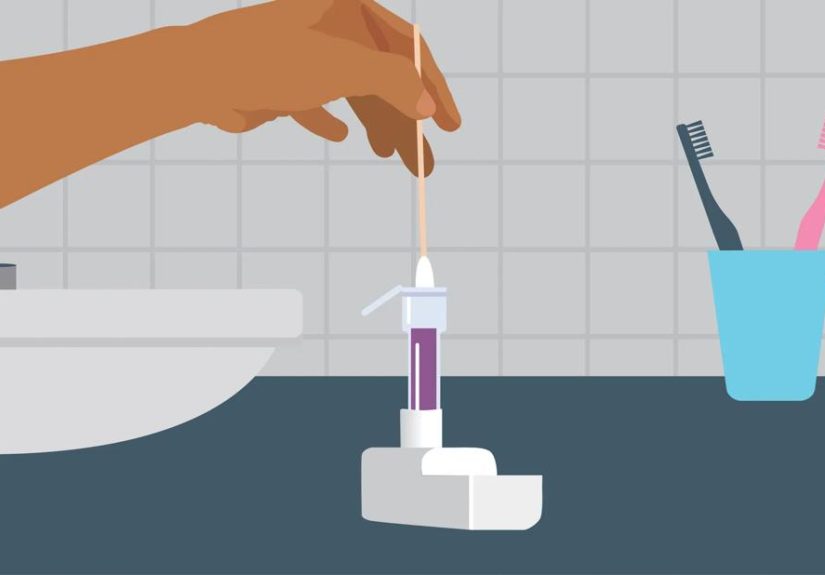
In general, users collect the nasal sample, place the swab into a vial, insert the vial into the test unit, and wait for the device to process the sample. Results are typically displayed in about 30 minutes. That is roughly the length of one sitcom episode, minus the laugh track and plus a little more nose-related responsibility.
Who Can Use It?
The test was authorized for people with signs and symptoms consistent with a respiratory tract infection, including COVID-19. People age 14 and older may self-collect the nasal swab sample. For children age 2 and older, an adult should collect the sample.
This age guidance matters because sample collection affects test performance. A poorly collected sample may lead to a less reliable result. In plain English: read the instructions, follow each step, and do not treat the swab like a tiny sword in a kitchen duel.
Why This Authorization Matters
The FDA authorization of the first COVID-19 and flu home test reflects a broader shift in healthcare: more diagnostic tools are moving from clinics into living rooms, kitchens, and bathroom counters. That does not mean doctors are being replaced by plastic test kits. It means people can get useful information sooner, especially during respiratory virus season.
COVID-19 and Flu Symptoms Overlap
COVID-19 and flu can both cause fever, chills, cough, sore throat, runny or stuffy nose, headache, fatigue, and muscle aches. Some people may also have shortness of breath or gastrointestinal symptoms. Because the symptom lists overlap so much, trying to tell them apart without a test can feel like solving a mystery with half the clues missing.
A combined test helps remove some of that uncertainty. A positive COVID-19 result may lead someone to take precautions to reduce spread and contact a healthcare provider about treatment options if they are at higher risk. A positive flu result may also matter because flu antiviral medications tend to work best when started early, often within the first 48 hours of symptoms.
Faster Results Can Support Faster Care
Timing is one of the biggest reasons this type of test is useful. Respiratory viruses do not wait politely while people debate whether they are “just tired” or “definitely coming down with something.” Quick results can help people decide whether to stay home, wear a mask around others, call a clinician, or seek additional testing.
For older adults, people with chronic medical conditions, pregnant people, young children, and those with weakened immune systems, early information can be especially valuable. These groups may face higher risks from flu or COVID-19 complications. A home test cannot replace medical care, but it can help start the conversation sooner.
How Accurate Is the First COVID-19 and Flu Home Test?
The FDA reported that, in symptomatic individuals, the Lucira COVID-19 & Flu Home Test correctly identified a high percentage of negative and positive samples for the viruses evaluated. For influenza A, it correctly identified 90% of positive samples and 99.3% of negative samples. For COVID-19, it correctly identified 88.3% of positive samples and 100% of negative samples. For influenza B, the test correctly identified 99.9% of negative samples, while additional validation was used because there were not enough circulating influenza B cases in the clinical study at the time.
Those numbers are encouraging, but no rapid diagnostic test is perfect. False positives and false negatives can happen. A false positive means the test says a virus is present when it is not. A false negative means the test says a virus is not detected even though the person may actually be infected. In the real world, this is why symptoms, exposure history, local virus activity, and medical advice still matter.
What to Do With a Positive Result
A positive result for COVID-19 or flu should be taken seriously. People should follow current public health guidance, reduce close contact with others, and contact a healthcare provider if they are at higher risk for severe illness or if symptoms are worsening.
For COVID-19, treatment options may be available for people at higher risk, but they generally need to be started early. For flu, antiviral treatment may reduce the duration and severity of illness when used promptly. That is why “I’ll wait and see for four days” is not always the best strategy, even though it is a classic human move.
What to Do With a Negative Result
A negative result can be reassuring, but it should not be treated as a magical force field. If symptoms continue, worsen, or strongly suggest a respiratory infection, follow-up testing or medical care may still be needed. This is especially true after a known exposure or when respiratory viruses are spreading widely in the community.
People should also remember that the test is authorized for specific use conditions. Using an expired test, skipping steps, reading the result too early or too late, or collecting a weak sample can reduce reliability. The instruction sheet is not decorative paperwork; it is the recipe card for getting a meaningful result.
Emergency Use Authorization vs. Full FDA Approval
One point deserves special attention: FDA authorization is not the same as full FDA approval. The first COVID-19 and flu home test was made available under an emergency use authorization, commonly called an EUA. An EUA allows the FDA to authorize certain medical products during a public health emergency when specific criteria are met.
That distinction does not mean the test is casual or unreviewed. It means the regulatory pathway is designed for urgent public health needs. The FDA reviews available data on performance, safety, and usability before authorizing a test under EUA. Still, consumers should understand the difference between “authorized,” “cleared,” and “approved,” especially when comparing medical products.
Why Home Testing Has Become More Important
Before the pandemic, many people associated at-home testing with pregnancy tests, glucose monitoring, or maybe a thermometer that had been living in the junk drawer since 2014. COVID-19 changed consumer expectations. People became familiar with swabbing, waiting, reading results, and making decisions based on home diagnostics.
The first combined COVID-19 and flu home test built on that cultural shift. It showed that home testing could move beyond single-virus detection and help address real seasonal confusion. During fall and winter, COVID-19, flu, RSV, and other respiratory viruses can circulate at the same time. A tool that identifies more than one virus can reduce guesswork and help people respond more appropriately.
Convenience Is Not the Only Benefit
Convenience matters, of course. Nobody wakes up with a fever and thinks, “Excellent, I would love to sit in a waiting room today.” But the value of a home COVID-19 and flu test goes beyond avoiding a trip to the clinic. It can also reduce exposure risk for others, help families make faster decisions, and support earlier treatment discussions.
For example, a parent whose child develops a fever on Sunday night may use an at-home test to gather useful information before calling the pediatrician in the morning. A worker who feels symptoms before a meeting may test and decide not to expose colleagues. A caregiver for an older relative may use test results to decide whether to take extra precautions at home.
Limitations Consumers Should Understand
A COVID-19 and flu home test is useful, but it is not a crystal ball. It does not test for every respiratory virus. A negative COVID-19 and flu result does not rule out RSV, strep throat, pneumonia, allergies, or another infection. It also does not measure how sick someone may become.
People should seek medical care right away for emergency warning signs, including trouble breathing, persistent chest pain or pressure, confusion, bluish lips or face, dehydration, or symptoms that are severe or rapidly worsening. Testing is helpful, but common sense still gets a front-row seat.
Expiration Dates Matter
At-home tests have expiration dates and storage instructions. Heat, cold, humidity, and time can affect test materials. Before using any home diagnostic test, check the box label and any updated expiration information from the manufacturer or FDA. A test that has been roasting in a glove compartment all summer may not be the household hero you hoped for.
What This Means for the Future of Home Diagnostics
The FDA’s authorization of the first COVID-19 and flu home test opened the door for broader access to combined respiratory virus testing. Since then, the market for at-home testing has continued to evolve, with additional authorized tests and more consumer interest in rapid, convenient health information.
In the long term, this could lead to more sophisticated home diagnostics that help people identify common infections faster and communicate results more easily to healthcare professionals. Imagine a future medicine cabinet that does more than hold bandages, cough drops, and three mystery ointments no one remembers buying.
However, better access must come with better education. Consumers need to know when to test, how to collect samples correctly, what results mean, and when to seek care. A test result is a tool, not the entire toolbox.
Practical Experiences Related to COVID-19 and Flu Home Testing
In everyday life, the value of a combined COVID-19 and flu home test becomes clearest in ordinary situations. Consider a family preparing for a holiday gathering. One person wakes up with a sore throat, mild fever, and the suspicious confidence that it is “probably just allergies.” A combined home test can help the family avoid turning dinner into a viral souvenir exchange. If the result is positive for COVID-19 or flu, the person can stay home, contact a healthcare provider when appropriate, and protect older relatives or guests with health risks.
Another common situation involves parents. Children are talented at catching respiratory viruses, usually at the worst possible time. A child may have a fever on a school night, and the symptoms may not clearly point to flu or COVID-19. Having access to an at-home COVID-19 and flu test can help parents decide whether to keep the child home, call the pediatrician, or watch symptoms closely. It also helps avoid the old family guessing game: “Was it the birthday party, school, daycare, or that one sneezy cousin?”
Workplaces also benefit from faster home testing. An employee who wakes up feeling ill can test before commuting. If the result is positive, staying home becomes an easier decision. This protects coworkers and customers, especially in offices, restaurants, schools, healthcare settings, and public-facing jobs. Even when the result is negative, symptoms still matter. A person with a fever and cough should think carefully before showing up and declaring, “Good news, I’m technically negative!”
Travel is another area where home testing can reduce stress. People often develop symptoms right before flights, road trips, conferences, weddings, and other events that require close contact. A combined test offers fast information before someone boards a plane or visits relatives. It does not guarantee perfect certainty, but it can help travelers make more responsible choices.
Caregivers may find these tests especially useful. If someone regularly helps an older parent, a person with cancer, or a relative with lung disease, knowing whether symptoms are caused by COVID-19 or flu can shape the next steps. The caregiver may choose to mask, delay a visit, arrange backup help, or call a clinician quickly. In these situations, the test is not just convenient; it can support safer caregiving.
One practical lesson is simple: buy tests before the household is already sick. Waiting until everyone has chills, the pharmacy is closed, and the thermometer battery dies is not ideal planning. Keeping an authorized home test on hand during respiratory virus season can save time and reduce panic. Store it according to the instructions, check the expiration date, and make sure someone in the home knows where it is. “I think it’s under the sink behind the holiday candles” is not a strong testing strategy.
Another lesson is to treat the instructions with respect. Many testing mistakes happen because people rush. They swab too lightly, stir too briefly, skip timing steps, or read results outside the recommended window. A home test may be user-friendly, but it is still a medical test. Slow down, wash your hands, use good lighting, and follow the directions exactly. Your future self, and possibly your doctor, will appreciate the effort.
Finally, the best experience with home testing comes from using results as part of a bigger health plan. Rest, fluids, symptom monitoring, vaccination, masking when sick, and timely medical care all still matter. A COVID-19 and flu home test gives information; people still need to act on it wisely.
Conclusion
The FDA authorization of the first COVID-19 and flu home test was a major moment in consumer health. It gave people a way to test for COVID-19, influenza A, and influenza B from home using one kit and a nasal swab sample. For households, caregivers, workers, travelers, and anyone facing the classic “Is it COVID or flu?” dilemma, this kind of test can make respiratory virus season a little less mysterious.
Still, at-home testing works best when people understand both its strengths and limitations. Positive results should guide precautions and timely follow-up. Negative results should be interpreted with symptoms and exposure risk in mind. And no test should replace urgent medical care when symptoms are severe.
Note: This article is for general informational purposes only and should not be used as a substitute for professional medical advice, diagnosis, or treatment. Always follow the test manufacturer’s instructions and consult a healthcare provider if symptoms are severe, persistent, or concerning.







 Close
Close