
Table of Contents >> Show >> Hide
- What Is a Digitized Operating Room?
- Why Innovation Matters in Surgical Care
- Core Technologies Transforming the Digitized Operating Room
- The Benefits of a Digitized Operating Room
- Challenges Hospitals Must Address
- How Hospitals Can Successfully Embrace OR Innovation
- The Future of the Digitized Operating Room
- Experience-Based Insights: What It Feels Like to Work With OR Innovation
- Conclusion
- SEO Tags
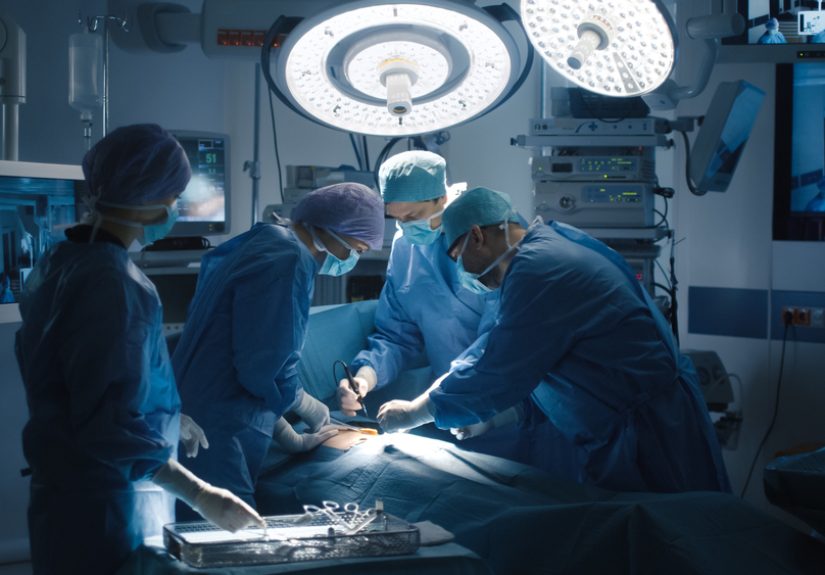
The modern operating room is no longer just a bright, sterile space filled with stainless steel instruments, quiet concentration, and the occasional “Where did that clamp go?” Today’s operating room is becoming a connected digital ecosystem where imaging, robotics, artificial intelligence, patient data, surgical navigation, video systems, and real-time analytics work together to support safer, smarter, and more efficient care.
In simple terms, the digitized operating room is the surgical suite with a brain. It connects people, devices, data, and workflows so surgical teams can make better decisions before, during, and after procedures. Instead of relying on scattered screens, manual documentation, paper preference cards, or outdated equipment, hospitals are moving toward integrated platforms that help teams see more, know more, and coordinate better.
But innovation in surgery is not about replacing the surgeon with a robot wearing a tiny lab coat. It is about giving highly trained professionals better tools. The best digital operating room technology reduces friction, improves visibility, supports teamwork, and helps clinicians focus on the patient rather than wrestling with disconnected systems.
What Is a Digitized Operating Room?
A digitized operating room, also called a smart OR or integrated operating room, uses connected technologies to streamline surgical care. This may include high-definition imaging, robotic-assisted surgical systems, AI-enabled decision support, digital checklists, electronic health record integration, automated documentation, surgical navigation, augmented reality displays, equipment tracking, and secure data-sharing tools.
Think of it as the difference between a flip phone and a smartphone. Both can make calls, but one also maps your route, checks your calendar, scans documents, translates menus, and still somehow finds time to drain your battery. In the same way, a traditional OR can support excellent surgery, but a digitized OR can add layers of visibility, coordination, and intelligence that help teams work with greater confidence.
Why Innovation Matters in Surgical Care
Surgery is a high-stakes environment. Small delays, missing information, unclear imaging, poor communication, or equipment issues can affect patient safety and operating room efficiency. Digital innovation addresses these challenges by creating more connected workflows.
For example, a surgical team may need imaging scans, lab results, patient allergies, implant information, anesthesia data, and procedural checklists before the first incision. In a fragmented system, this information may live in different places. In a digitized operating room, the goal is to bring the right information to the right person at the right time.
That does not mean every OR needs every shiny new gadget. Innovation should be practical. A hospital does not need technology for technology’s sake; it needs tools that solve real clinical problems. The best digital transformation begins with a simple question: “What slows our team down or creates risk for patients?”
Core Technologies Transforming the Digitized Operating Room
1. Robotic-Assisted Surgery
Robotic-assisted surgery has become one of the most visible examples of operating room innovation. These systems can help surgeons perform minimally invasive procedures with enhanced precision, improved ergonomics, and better visualization. The surgeon remains in control, using robotic instruments as an extension of skill rather than as an autopilot button.
Robotics may support procedures in urology, gynecology, general surgery, thoracic surgery, orthopedic surgery, spine surgery, and other specialties. The value is not just smaller incisions. Robotic systems can also generate procedure data, support training, standardize certain steps, and create opportunities for performance review.
Still, robotic surgery is not magic. It requires training, careful patient selection, maintenance, credentialing, and clear evidence that the technology improves outcomes or efficiency for the procedure in question. A robot is impressive, but so is a surgical team that knows when not to use one.
2. Artificial Intelligence and Machine Learning
Artificial intelligence is entering the operating room in several ways. AI may assist with image interpretation, surgical planning, anatomy recognition, workflow prediction, instrument tracking, documentation, risk detection, and post-operative analysis. Machine learning systems can identify patterns in large datasets that would be difficult for humans to process manually.
In a digitized operating room, AI can act like a second layer of awareness. It may help highlight important structures, flag inconsistencies, support navigation, or reduce administrative burden. For example, an AI-supported system might analyze surgical video to identify stages of a procedure or help teams review performance after surgery.
However, AI in surgery must be treated with healthy skepticism. The operating room is not the place for “move fast and break things.” Any AI-enabled surgical tool must be validated, monitored, governed, and understood by the clinicians using it. Surgeons and perioperative leaders need to know what the system can do, what it cannot do, and when human judgment must override digital suggestions.
3. Surgical Navigation and Advanced Imaging
Digital surgical navigation helps clinicians understand anatomy in real time by combining imaging, tracking, and guidance tools. These systems are especially valuable in complex procedures where millimeters matter, such as neurosurgery, ENT surgery, orthopedic surgery, and spine surgery.
Advanced imaging can improve planning and intraoperative decision-making. Surgeons may use 3D models, real-time imaging, or navigation overlays to understand where instruments are in relation to critical structures. This can improve confidence and reduce unnecessary guesswork.
The key is integration. Imaging should not be trapped on one screen across the room while the team squints like they are trying to read a restaurant menu from the parking lot. In a well-designed smart OR, imaging is accessible, clear, and positioned where it supports the flow of the procedure.
4. Digital Time-Outs and Safety Checklists
Some of the most powerful innovations in the operating room are not flashy at all. Digital time-outs, electronic safety checklists, and patient verification tools can strengthen communication before surgery begins. These tools help confirm the patient, procedure, site, laterality, implants, allergies, antibiotics, imaging, equipment readiness, and special risks.
Digital checklists can reduce variation and make safety steps more visible to the entire team. They can also create documentation trails that support quality improvement. The goal is not to turn clinicians into checkbox machines. The goal is to make sure critical safety conversations actually happen.
5. Operating Room Integration Systems
OR integration systems connect devices, displays, cameras, lights, audio, imaging sources, and documentation platforms. This helps teams route information where it is needed. A surgeon may view endoscopic video, imaging scans, vital signs, or navigation data without disrupting the procedure.
These systems can also reduce cable clutter, improve communication, and support recording or streaming for education and consultation when appropriate. In a busy OR, fewer unnecessary movements and fewer disconnected screens can make a meaningful difference.
6. Augmented Reality and Mixed Reality
Augmented reality and mixed reality tools are emerging in surgical planning, training, and intraoperative visualization. A headset or display may allow clinicians to view imaging, anatomy, checklists, or patient data without constantly looking away from the field.
These tools are still developing, and hospitals must evaluate privacy, ergonomics, accuracy, infection control, cybersecurity, and regulatory status. But the promise is compelling: a surgeon could eventually see relevant information in context rather than bouncing between screens like a caffeinated air traffic controller.
The Benefits of a Digitized Operating Room
Improved Surgical Precision
Digital navigation, high-resolution imaging, robotic platforms, and AI-assisted tools can support more precise surgical planning and execution. Precision matters because surgery often involves working near delicate anatomy. Better visualization and guidance can help clinicians make informed decisions.
Better Team Communication
A digitized OR can make information more visible and shared. When the entire team has access to the same safety checklist, imaging, procedure plan, and status updates, communication becomes more reliable. This is especially important during complex procedures involving surgeons, anesthesiologists, nurses, technicians, device representatives, and other specialists.
More Efficient Workflows
Operating room time is expensive, and delays can ripple through a hospital’s schedule. Digital tools can improve room turnover, equipment readiness, documentation, preference card accuracy, and case tracking. Even small workflow improvements can add up when multiplied across hundreds or thousands of procedures.
Stronger Data for Quality Improvement
Digitized operating rooms can generate useful data about case duration, instrument use, equipment issues, workflow bottlenecks, safety events, and outcomes. When analyzed responsibly, this data can help hospitals improve scheduling, training, inventory management, and patient safety.
Enhanced Training and Education
Video capture, simulation, robotic training platforms, and digital case review can help surgical teams learn more effectively. Residents and fellows can study procedures in detail, while experienced surgeons can review performance and refine techniques. In other words, the operating room becomes not only a place of care but also a learning engine.
Challenges Hospitals Must Address
Cybersecurity Must Be Treated as Patient Safety
As operating rooms become more connected, cybersecurity becomes a clinical issue. Connected imaging systems, surgical robots, anesthesia machines, patient monitors, and documentation tools all need strong protection. A cyberattack can disrupt care, delay surgery, expose patient data, or compromise device availability.
Hospitals should manage cybersecurity through device inventories, network segmentation, vendor risk management, patching plans, access controls, staff training, incident response exercises, and secure procurement standards. The safest digital OR is not only advanced; it is resilient.
Interoperability Is Still a Work in Progress
One of the biggest barriers to the smart operating room is interoperability. Devices and software systems do not always communicate smoothly. A hospital may have excellent imaging, strong EHR software, advanced anesthesia systems, and robotic platformsbut if they do not share data effectively, clinicians still end up doing manual workarounds.
Standards such as FHIR and broader health information exchange initiatives are pushing healthcare toward better data flow. For perioperative care, interoperability can support more accurate scheduling, documentation, implant tracking, preference cards, billing, analytics, and follow-up care.
Training Cannot Be an Afterthought
No digital tool improves care if the team does not know how to use it. Training should include surgeons, nurses, anesthesiologists, surgical technologists, biomedical engineers, IT teams, and support staff. The entire perioperative team needs confidence, not just a login password and a cheerful “good luck.”
Hospitals should build structured onboarding, simulation sessions, competency checks, super-user programs, and refreshers into every major technology rollout. The best implementation plans include time for questions, mistakes, and workflow redesign before a tool is used in high-pressure cases.
Data Governance and Privacy Matter
Digital operating rooms may capture sensitive patient data, video, audio, device logs, and performance metrics. Hospitals need clear policies for consent, storage, access, retention, de-identification, and use of data for training or quality improvement. Trust is essential. Patients and staff should know that digital tools are being used responsibly.
Cost and Equity Cannot Be Ignored
Advanced surgical technology can be expensive. Large academic medical centers may adopt smart OR platforms faster than small hospitals or rural facilities. This raises an important question: how can innovation improve care without widening gaps?
Hospitals should evaluate value carefully. Some digital tools may reduce complications, improve throughput, or shorten training curves. Others may look impressive but offer limited benefit. Smart investment means matching technology to patient needs, staff capacity, and measurable outcomes.
How Hospitals Can Successfully Embrace OR Innovation
Start With Clinical Problems, Not Product Demos
Innovation should begin with frontline pain points. Are cases delayed because equipment is hard to locate? Are preference cards inaccurate? Is documentation too manual? Are imaging systems disconnected? Are surgical teams struggling with communication during time-outs? Once the problem is clear, technology can be selected as a solution rather than a shiny distraction.
Create a Multidisciplinary Innovation Team
A digitized operating room affects many groups. Successful projects include surgeons, perioperative nurses, anesthesia leaders, infection prevention teams, IT, cybersecurity, biomedical engineering, finance, supply chain, quality improvement, and patient safety experts. If one group is left out, the rollout may stumble.
Pilot Before Scaling
Hospitals should test new technology in a controlled setting before expanding it across the surgical department. A pilot can reveal workflow problems, training gaps, integration issues, and unexpected risks. It also allows teams to collect feedback from the people who actually use the technology.
Measure What Matters
Digital transformation should be tied to measurable outcomes. Hospitals may track case delays, turnover time, checklist completion, documentation accuracy, surgical site infection rates, equipment utilization, staff satisfaction, complication rates, and cost per case. Numbers do not tell the whole story, but they prevent innovation from becoming expensive theater.
Design for Humans
The best smart OR tools are intuitive. They reduce cognitive load rather than adding more alarms, screens, and passwords. Human-centered design means technology fits the surgical workflow. If a system requires twelve clicks to do something that used to take ten seconds, staff will find a workaroundand the workaround will probably involve sticky notes.
The Future of the Digitized Operating Room
The future operating room will likely be more predictive, connected, and personalized. AI may help anticipate workflow needs, identify risk patterns, and support real-time decision-making. Robotics may become more adaptable. Imaging may become more immersive. Documentation may become more automated. Data from surgery may feed quality improvement systems that help teams learn faster.
We may also see stronger links between preoperative planning, intraoperative guidance, and postoperative recovery. A patient’s imaging, risk profile, surgical plan, implant data, and follow-up metrics could eventually become part of a continuous digital journey rather than separate episodes of care.
But the future must be built carefully. Safety, ethics, validation, privacy, cybersecurity, and equity cannot be optional accessories. The digitized operating room should make surgery more humane, not more complicated. The best technology disappears into the workflow, allowing clinicians to do what they do best: care for patients with skill, judgment, and teamwork.
Experience-Based Insights: What It Feels Like to Work With OR Innovation
Embracing innovation in the digitized operating room is exciting, but the real experience is more practical than futuristic. On paper, smart OR technology sounds smooth: connected screens, instant imaging, automated documentation, AI support, and devices that communicate like a well-rehearsed orchestra. In real life, implementation often feels more like teaching the orchestra to play together while the concert has already started.
One of the first lessons is that staff buy-in matters more than the equipment itself. A hospital can invest in a beautiful integrated OR, but if the team sees it as extra work, adoption will be slow. Clinicians want tools that help them, not tools that turn every case into a software tutorial. The most successful rollouts happen when frontline teams are involved early. Nurses, surgical technologists, anesthesia professionals, and surgeons can quickly identify whether a feature is useful or whether it belongs in the museum of “things designed by people who have never stood in an operating room.”
Another important experience is the learning curve. Even well-designed technology changes muscle memory. A new navigation system may require different setup steps. A digital checklist may shift how the team communicates. A robotic platform may change room layout, port placement, staffing needs, and turnover routines. During the early phase, cases may take longer. That does not mean the technology failed. It means the organization is learning. Leaders should plan for this adjustment instead of pretending the team will become fluent overnight.
Simulation is incredibly valuable. Before using new technology in live cases, teams benefit from practicing setup, troubleshooting, emergency workflows, and role assignments. Simulation reveals awkward details: the screen is not visible from the right angle, the cable crosses a walkway, the login takes too long, the device alarm sounds like a microwave with anxiety, or nobody knows who calls technical support. These discoveries are gifts. It is much better to find them during training than during a complex procedure.
Digital innovation also changes communication. In a traditional OR, information may be shared verbally or displayed in separate places. In a digitized OR, the team can share images, checklists, vitals, and procedural status more clearly. This can improve teamwork, but it also requires discipline. More information is not always better. If every screen flashes with every possible data point, the team can become distracted. The best systems prioritize the most relevant information at the right moment.
Cybersecurity is another lesson that becomes very real once devices are connected. Clinical teams may not think of a surgical tower, robot, camera, or monitor as a computer, but modern medical devices often are computers with clinical responsibilities. That means downtime planning matters. Teams need to know what happens if a system fails, loses network access, or requires an update. A safe digital OR includes backup workflows, not panic disguised as improvisation.
Perhaps the most important experience is that innovation works best when it respects human expertise. Surgeons, nurses, anesthesiologists, and technologists bring judgment that no dashboard can replace. Digital tools should support that judgment, not compete with it. When technology is reliable, well-integrated, and thoughtfully governed, it gives teams more confidence. When it is rushed, poorly trained, or disconnected, it becomes one more thing to manage.
The digitized operating room is not a destination; it is an evolving practice. Hospitals will continue to update platforms, refine workflows, and evaluate new tools. The winners will not simply be the organizations with the most advanced devices. They will be the ones that combine innovation with safety culture, training, humility, and a willingness to listen to the people doing the work every day.
Conclusion
Embracing innovation in the digitized operating room is about building a smarter surgical environment where technology strengthens human performance. Robotics, AI, digital imaging, navigation, integrated systems, and connected data can improve precision, communication, efficiency, and learning. But the true measure of innovation is not how futuristic the room looks. It is whether patients are safer, teams are better supported, and care becomes more reliable.
The digitized OR should not be a showroom. It should be a carefully designed clinical environment where every tool earns its place. Hospitals that approach innovation with clear goals, strong governance, cybersecurity discipline, staff training, and patient-centered values will be best positioned to lead the future of surgery.
In the end, the smartest operating room is not the one with the most screens. It is the one where technology helps skilled people do extraordinary work with greater clarity, confidence, and care.






 Close
Close