
Table of Contents >> Show >> Hide
- Why Mirrors Still Matter in Modern Design
- The Core Principles of Elegant Reflections
- Room-by-Room Ideas for Elegant Reflections
- How to Choose the Right Mirror Style
- Common Mistakes That Ruin the Look
- Elegant Reflections as an Experience
- Personal Experiences and Everyday Moments With Elegant Reflections
- Conclusion
Some homes walk into a room quietly. Others make an entrance. And then there are the truly memorable spaces: the ones that seem to catch the light just right, open up before your eyes, and whisper, “Yes, I do look this good before coffee.” That magic often comes down to one surprisingly hardworking design element: reflection.
In interior design, mirrors are not just shiny rectangles that confirm your hair has made a series of questionable choices. They are visual amplifiers. They bounce natural light, add depth, soften dark corners, and create a sense of elegance that feels deliberate rather than fussy. When used well, reflective décor can make a compact apartment feel airy, a narrow entryway feel intentional, and a plain wall feel like it finally got the promotion it deserved.
The idea behind Elegant Reflections is simple: create beauty through light, balance, and thoughtful placement. Whether your style leans classic, modern, organic, glam, or somewhere between “quiet luxury” and “collected from three estate sales and one very emotional Target trip,” mirrors can help you shape a room that feels brighter, calmer, and more complete.
Why Mirrors Still Matter in Modern Design
Trends come and go. One year everything is boucle. The next year your sofa apparently needs curves. But mirrors have remained design staples because they solve real problems while looking beautiful. That is the decorating version of having both charm and a practical driver’s license.
First, mirrors work with light. In rooms that lack generous windows, a well-placed mirror can stretch whatever daylight you do have. It can reflect a window view, brighten a shadowy corner, and make a space feel more alive throughout the day. In the evening, mirrors also echo lamp glow and layered lighting, which adds warmth and atmosphere without requiring a full electrical identity crisis.
Second, mirrors create the illusion of depth. This is especially useful in apartments, condos, small bedrooms, powder rooms, and narrow hallways. A large mirror can visually expand the room, while a carefully placed group of smaller mirrors can act like art with benefits. It is basically décor that multitasks, which is more than some people’s group projects ever managed.
Third, reflective surfaces add polish. The right mirror can introduce texture, shape, metal finish, and architectural interest. Round mirrors soften angular rooms. Arched mirrors create a graceful, almost built-in effect. Antiqued or tinted mirrors add softness and mood. Frameless designs feel crisp and modern. Heavily detailed frames bring character and tradition. In other words, mirrors are not one-note accessories. They are shape-shifting style tools.
The Core Principles of Elegant Reflections
1. Reflect Something Worth Seeing
The golden rule of mirror decorating is not “hang one and hope.” It is reflect something beautiful. If your mirror faces a window, leafy view, chandelier, art piece, or styled console, great. If it reflects a pile of delivery boxes and a sweatshirt you swore you folded last week, less great.
Elegant reflection is about intention. Before hanging a mirror, stand where it will go and consider what it will capture. The mirror becomes a second frame for the room, so whatever appears in it should support the mood you want.
2. Size Matters More Than People Admit
A mirror that is too small can look timid, like it arrived at the party and immediately regretted it. Larger mirrors often work better because they make a clearer statement and provide stronger visual expansion. In small rooms, one oversized mirror usually feels calmer and more refined than several tiny ones competing for attention.
3. Shape Can Change the Mood
Shape affects energy. Round mirrors feel soft, friendly, and balanced. Rectangular mirrors feel structured and classic. Arched mirrors bring romance and height. Organic or asymmetrical mirrors add a playful, modern quality. If your room has lots of straight lines, a curved mirror can be the design equivalent of exhaling.
4. Light Should Be a Partner, Not an Opponent
Mirrors and light go together beautifully, but placement matters. A mirror can brighten a room when it catches daylight or warm lamplight, yet poor placement can create glare or bounce attention to the wrong spot. Elegant rooms do not blind their guests at 4 p.m. They glow politely.
Room-by-Room Ideas for Elegant Reflections
Entryway: Make the First Impression Count
The entryway is one of the smartest places to use a mirror. It adds function, helps a compact foyer feel less cramped, and creates an immediate sense of care. A round mirror over a slim console is a classic choice because it feels balanced without being stiff. Add a small lamp, a bowl for keys, and one branch in a vase, and suddenly your front door area looks like it has a skincare routine.
If your entryway is especially narrow, a tall vertical mirror can visually lift the walls. If it is dark, place a mirror where it can catch side light from a nearby room. The result is brighter, more open, and more welcoming.
Living Room: Create Depth Without Clutter
In the living room, mirrors can act as focal points above mantels, sofas, or consoles. A large statement mirror can anchor a wall just as effectively as art. If your room already has strong furniture, keep the mirror elegant and restrained. If the room feels plain, choose a frame with character: brass, black iron, wood, or antiqued detailing.
Layering also works well here. A mirror leaning on a mantel with candlesticks or ceramics in front of it can feel relaxed and stylish. This approach softens formality and makes the room feel collected rather than overly rehearsed. Think “effortlessly chic,” not “I measured this with laser precision while sweating.”
Bedroom: Softness, Calm, and Practical Beauty
Bedrooms benefit from mirrors that feel calm and sculptural. A full-length mirror in a corner adds function while helping the room feel larger. A vintage-inspired mirror above a dresser introduces charm. If you want the room to feel restful, choose warmer finishes, gentle curves, or lightly aged glass rather than something ultra-shiny and harsh.
This is also a good place to let the mirror reflect textiles and softness: linen bedding, drapery, a tufted headboard, or a bedside lamp. Reflection should support the mood of the room, not turn it into a department store fitting area with emotional baggage.
Bathroom: Where Elegance Meets Daily Life
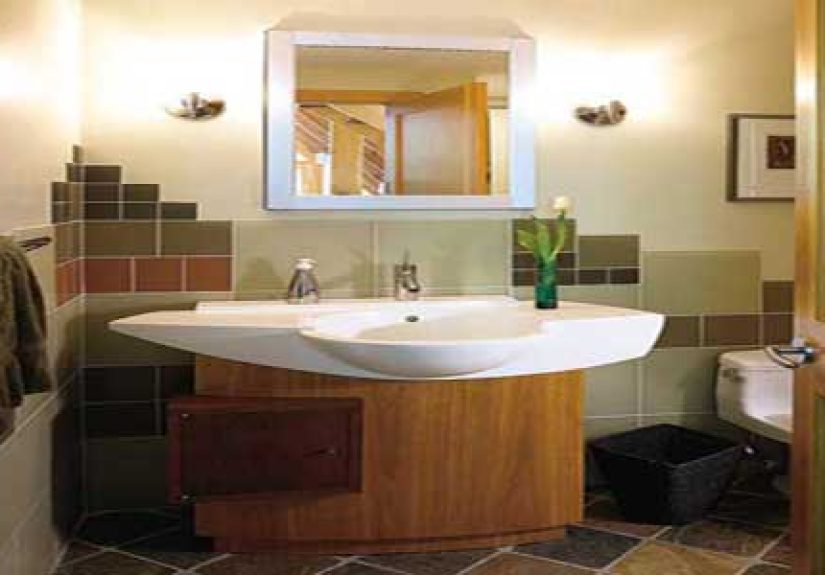
The bathroom may be the most obvious place for mirrors, but it is also one of the biggest opportunities for style. A beautiful vanity mirror can define the entire room. Frameless mirrors look clean and modern. Rounded corners soften tile-heavy spaces. Double mirrors over dual sinks feel tailored and symmetrical. One dramatic oversized mirror can create a boutique-hotel feel.
Lighting is especially important here. Elegant reflections in bathrooms depend on balance between mirror shape and vanity lighting. Sconces, overhead fixtures, and the tone of the frame all work together. When the mirror feels integrated with the lighting plan, the room looks polished instead of pieced together.
Dining Room: Add Drama and Warmth
Dining rooms are underrated mirror territory. A mirror can reflect candlelight, a chandelier, or the richness of the table setting, which instantly adds atmosphere. In formal spaces, gilt or antique-style mirrors bring classic appeal. In more modern rooms, a sleek mirror with simple lines can help prevent the space from feeling too heavy.
The beauty of a dining room mirror is that it enhances occasions without demanding attention. It supports the mood in the background, like the best dinner guest: charming, useful, and not monologuing about cryptocurrency.
How to Choose the Right Mirror Style
Choosing a mirror becomes easier when you match it to the personality of the room rather than chasing random trends. Here are a few reliable style directions:
Classic Elegance
Choose arched mirrors, antique finishes, beveled edges, or detailed metallic frames. These pair beautifully with traditional furniture, crown molding, marble, and layered neutrals.
Modern Minimalism
Go for thin black frames, frameless silhouettes, or simple geometric forms. These work well with clean lines, pale woods, and restrained palettes.
Organic and Relaxed
Look for rounded, irregular, or softly asymmetrical mirrors paired with wood, woven textures, linen, and greenery. This style feels warm and current without trying too hard.
Glam and High Contrast
Think brass, gold tint, smoked glass, sculptural forms, and strong placement. This style works best when the rest of the room is edited enough to let the mirror shine.
Common Mistakes That Ruin the Look
Even the most beautiful mirror can fall flat if the placement is off. One common mistake is hanging it too high. A mirror should connect visually to the furniture or architecture below it, not float like it lost contact with mission control.
Another mistake is choosing a mirror that is too small for the wall. Tiny mirrors on large blank walls can look accidental. A third mistake is reflecting clutter, messy storage, or harsh lighting. Reflection doubles what it sees, so if the room corner looks chaotic in real life, it will look twice as annoying in the mirror.
Finally, do not rely on mirrors to fix a room that simply needs editing. A mirror can expand a space visually, but it cannot save a room buried under cords, random side tables, and decorative choices made during a caffeine emergency.
Elegant Reflections as an Experience
At its best, elegant reflection is not about vanity. It is about atmosphere. It is the difference between a room that feels flat and one that feels alive. It is the quiet drama of morning light moving across a hallway mirror. It is the warmth of lamplight multiplying in a dining room just before guests arrive. It is the feeling that a home has rhythm, softness, and a point of view.
Good design often works this way. It does not need to shout. It catches your eye, settles your mood, and improves the everyday experience of being in a space. Mirrors do that beautifully because they interact with what is already there: light, architecture, texture, movement, and memory.
That is why Elegant Reflections is more than a decorating phrase. It is a design approach. Use reflection thoughtfully, and your home becomes brighter, calmer, and more expressive. It does not just look better. It feels better. And honestly, that is the kind of glow-up every room deserves.
Personal Experiences and Everyday Moments With Elegant Reflections
One of the most interesting things about living with mirrors is that you stop noticing them as objects and start experiencing them as mood-makers. A mirror in the right place changes how a room behaves throughout the day. In the morning, it can catch soft daylight and spread it across the wall, making even a sleepy breakfast nook feel a little more optimistic. By evening, that same mirror might reflect a table lamp, a candle, or the golden tone of sunset and suddenly turn an ordinary corner into the coziest spot in the house.
People often talk about mirrors as practical purchases, but the real experience is emotional. In a small apartment, a well-placed mirror can make the difference between feeling boxed in and feeling like you actually have room to breathe. In an entryway, it adds a sense of ritual. You grab your bag, check your reflection, straighten your jacket, and leave the house feeling a little more put together. It is a tiny moment, but tiny moments add up. That is the quiet power of thoughtful design.
There is also something deeply satisfying about the way mirrors help a home feel finished. A blank wall can feel unresolved for months, and then one mirror goes up and the whole room clicks into place. Suddenly the furniture arrangement makes sense. The light has somewhere to go. The décor feels intentional. It is like the room has been trying to clear its throat for weeks and finally says, “Thank you, this is exactly what I needed.”
Elegant reflections also create memory. Holiday dinners feel warmer when candlelight bounces softly across a mirror in the dining room. A bedroom feels gentler when a curved mirror reflects linen curtains moving in the breeze. A hallway feels less like a passageway and more like part of the home when it catches framed art or a vase of branches from another angle. These are not grand transformations in a reality-show sense. No one is screaming, no wall is being dramatically removed, and nobody is pretending they always wanted a barn door. It is subtler than that. It is about atmosphere becoming more personal and more livable.
For many people, the best experience with elegant reflections comes from learning restraint. You do not need a mirror on every wall or a room full of glittering surfaces to make a space feel special. Usually, one or two thoughtful placements do more than a dozen scattered ones. A full-length mirror near a bedroom window. A round mirror over a console table. An arched mirror leaning in a corner where it adds height and softness. These choices work because they feel easy, not forced.
In everyday life, that ease matters. A home should support you, not perform at you. Elegant reflections succeed when they make your routines nicer without demanding applause. They brighten the hallway on a rainy day. They make a small room feel less cramped when you are working from home. They bring a little sparkle to dinner with friends. They help your home feel layered, thoughtful, and quietly confident. That is why reflective décor continues to resonate. It is not just about what you see in the mirror. It is about how the room reflects your life back to you: calmer, brighter, and just a little more beautiful.
Conclusion
Elegant reflections are not about overdecorating or chasing a showroom look. They are about using mirrors with purpose: to lift light, frame beauty, create depth, and make daily spaces feel more refined. Whether you are styling a compact entryway, updating a bathroom, or softening a bedroom, the right mirror can change the entire mood of the room. It is a simple design move with outsized impact, and unlike many trends, it never really goes out of style.






 Close
Close