
Table of Contents >> Show >> Hide
- Quick Definitions (So We’re Speaking the Same Language)
- Who Egg Freezing Is For (And Who Might Want to Think Twice)
- The Egg Freezing Process: Step-by-Step
- Timeline: How Long Does Egg Freezing Take?
- How Much Does Egg Freezing Cost in the U.S.?
- Success Rates: What Really Predicts Outcome?
- Risks and Side Effects: What You Might Feel
- What to Expect Emotionally (Because It’s Not Just Biology)
- Choosing a Clinic: Questions Worth Asking
- Preparing for the Cycle: Practical Tips
- Common Myths (Busted Gently, Like a Bubble Wrap Stress Toy)
- When You’re Ready to Use Frozen Eggs
- Conclusion
- Experiences: What Egg Freezing Can Feel Like (A 500-Word Reality Check)
Egg freezing (aka oocyte cryopreservation) is basically your fertility hitting “Save As…”not because you’re indecisive,
but because life is loud. Maybe you’re not ready to try for a baby right now. Maybe you’re navigating a medical diagnosis or treatment.
Maybe you just haven’t met the right co-parent (or you have, and you’re both very busy arguing about which air fryer is best).
Whatever the reason, egg freezing can be a practical optionwith real costs, real hormones, and real uncertainty.
This guide breaks down how egg freezing works in the U.S., what it typically costs, what the timeline looks like,
and what you’ll likely feelphysically, emotionally, and financiallyalong the way.
No scare tactics. No fairy tales. Just the stuff you’d want explained if you were spending thousands of dollars and injecting yourself on purpose.
Quick Definitions (So We’re Speaking the Same Language)
- Egg freezing / oocyte cryopreservation: retrieving eggs from your ovaries, freezing them (usually by vitrification), and storing them for future use.
- Vitrification: a “flash-freezing” method that helps prevent ice crystal damage to eggs.
- Egg retrieval: a short outpatient procedure (often with sedation) where mature eggs are collected using an ultrasound-guided needle.
- Using frozen eggs later: eggs are thawed, fertilized in a lab (IVF), and resulting embryos may be transferred to a uterus.
Who Egg Freezing Is For (And Who Might Want to Think Twice)
Common reasons people freeze eggs
- Medical fertility preservation: before chemotherapy/radiation, certain surgeries, or treatments that may harm fertility.
- Age-related planning: preserving younger eggs if pregnancy is likely to happen later.
- Conditions that can affect fertility: some people consider egg freezing when dealing with endometriosis, autoimmune disease concerns, or other health factors.
- Personal timing: not ready nowcareer, finances, partner status, family responsibilities, you name it.
When to pause and get a very clear medical opinion
Egg freezing can be less effective as egg quality declines with age. Many clinics emphasize individualized counseling,
especially for patients approaching the late 30s and beyond, because outcomes can change quickly with time.
That doesn’t mean “don’t do it”it means “go in with clear eyes and honest numbers.”
The Egg Freezing Process: Step-by-Step
1) The consultation and fertility workup
First comes the planning visit. This usually includes a health history, ultrasound, and lab work.
You’ll commonly hear about:
- AMH (Anti-Müllerian Hormone): a marker associated with ovarian reserve
- FSH and estradiol: often checked early in the menstrual cycle
- Antral follicle count (AFC): ultrasound count of small follicles
- Infectious disease screening: standard labs prior to storage
Translation: your clinic is estimating how your ovaries might respond to stimulation and what a realistic egg yield could be.
This is also when you’ll talk through whether one cycle or multiple cycles might make sense for your goals.
2) Ovarian stimulation (the “shots era”)
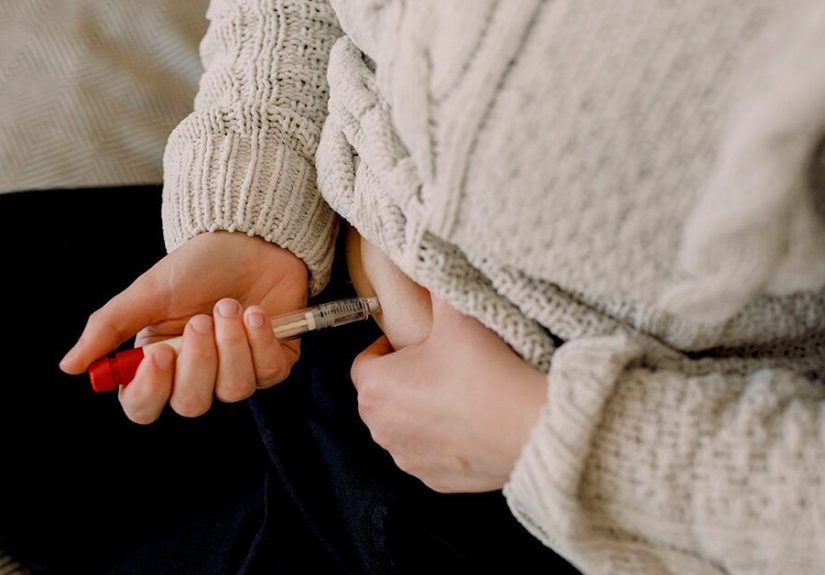
For about 8–14 days (varies), you’ll take injectable fertility medications designed to help multiple follicles mature at once.
During this time, you’ll do monitoring visitsultrasounds and bloodworkso the clinic can adjust dosing and track growth.
Many people are surprised by the logistics: early-morning appointments, frequent visits, and a calendar that suddenly looks like it’s training for a marathon.
Not impossiblejust… a lifestyle.
3) The trigger shot
When follicles are ready, you’ll take a “trigger” medication that times final egg maturation.
Timing matters here. Like: “set an alarm and do not decide to take a relaxing shower first” matters.
Your clinic will be very specific.
4) Egg retrieval day
Retrieval is typically an outpatient procedure. You’ll arrive fasting, get prepped, and receive anesthesia or sedation (clinic-dependent).
The clinician uses ultrasound guidance to collect eggs from follicles.
After recovery, most people go home the same day. You’ll likely be advised to take it easy, avoid strenuous activity,
and watch for symptoms that could signal complications.
5) Lab processing and freezing
Not every retrieved egg is mature. The lab identifies mature eggs and freezes themcommonly using vitrification.
Your final “frozen egg count” is typically the number of mature eggs successfully cryopreserved.
6) Storage (the annual subscription no one dreams about)
Frozen eggs are stored in specialized tanks under strict conditions. Storage fees are usually billed annually,
and policies vary by clinic and storage facility.
Timeline: How Long Does Egg Freezing Take?
From first appointment to frozen eggs, many people complete a cycle within 2–6 weeks depending on scheduling,
testing, and where they are in their menstrual cycle when they start.
A realistic example timeline
- Week 1: consult + labs + ultrasound
- Week 2: medication start + monitoring visits every few days (then more frequent)
- End of Week 2 or Week 3: trigger shot + retrieval
- Days after retrieval: rest, follow-up instructions, final egg count confirmation
How Much Does Egg Freezing Cost in the U.S.?
Here’s the honest answer: it dependson your city, clinic pricing model, medication dose,
whether monitoring is bundled, anesthesia fees, and how many cycles you do.
That said, reputable U.S. medical sources and major clinics commonly cite ranges that land in the
high thousands to mid-teens per cycle, plus medications and storage.
Typical cost buckets
| Cost Item | What It Covers | Common Range (U.S.) |
|---|---|---|
| Cycle + procedure fees | Monitoring, labs, retrieval procedure, lab handling (varies by clinic) | Often around $8,000–$15,000+ |
| Medications | Injectables + supportive meds (dose-dependent) | Often around $3,000–$6,000 |
| Anesthesia | Sedation/anesthesia services (sometimes separate billing) | Varies (can be included or separate) |
| Storage | Annual egg storage fees | Commonly hundreds to ~1,000+/year |
| Using eggs later | Thawing, fertilization (IVF/ICSI), embryo culture, transfer, meds | Often several thousand to 10,000+ (or more) |
Concrete “math” example (for budgeting)
Imagine a single cycle in a major metro area:
- Clinic cycle/retrieval package: $10,500
- Medications: $4,500
- Anesthesia fee: $800
- First year storage: $700
Total: $16,500 for one cycle.
If you do two cycles (which some people choose if egg yield is low or if they want a larger egg reserve),
you can see how totals climb quickly.
Insurance and employer benefits
Coverage is uneven. Some plans cover fertility preservation when it’s medically indicated; elective coverage is less consistent.
Employer benefits may reduce out-of-pocket costs substantially, but details matter (what’s included, pharmacy caps, storage duration, etc.).
Always request a full itemized estimate and ask which line items might be billed separately.
Success Rates: What Really Predicts Outcome?
The biggest predictor is typically age at the time of freezing.
Egg quality (and the odds an egg becomes a healthy embryo and a live birth) generally declines with age.
This is why many clinical resources emphasize earlier freezing if someone is choosing planned egg freezing.
Egg number matters, too
Clinics often counsel that more frozen mature eggs generally improves the chances of at least one live birth laterbecause not every egg survives thaw,
not every egg fertilizes, not every embryo develops normally, and not every transfer results in pregnancy.
The goal isn’t “freeze a few and vibe.” The goal is “freeze enough to make the probabilities less rude.”
Your clinician may discuss target egg numbers based on your age and family goals (for example, one child vs. two).
Some published clinical analyses and large datasets also show improved outcomes when more eggs are thawed/usedespecially as age increases.
Where to find trustworthy numbers
In the U.S., reputable national resources track ART outcomes and clinic-level success rates.
When comparing clinics, look for transparent reporting, clear definitions, and counseling that matches your situationnot just glossy marketing.
A clinic should be willing to discuss realistic expectations for your age group and ovarian reserve profile.
Risks and Side Effects: What You Might Feel
During stimulation
- Bloating and “tight” abdomen
- Mood changes (think: hormones doing what hormones do)
- Bruising at injection sites
- Fatigue
- Temporary weight changes (often fluid-related)
After retrieval
- Cramping and pelvic soreness
- Spotting
- Constipation (an under-discussed villain)
- Short-term downtime (many return to normal activities within a day or two, but it varies)
Less common but important risks
Serious complications are uncommon, but can include ovarian hyperstimulation syndrome (OHSS),
bleeding, infection, ovarian torsion, or anesthesia-related risks.
Your clinic should review warning signs and when to call urgently.
What to Expect Emotionally (Because It’s Not Just Biology)
People describe egg freezing as a mix of empowerment, anxiety, relief, and occasional “why am I crying at a dog food commercial?” energy.
There’s also the emotional whiplash of waiting for results: follicles, then eggs retrieved, then mature eggs frozen.
And because this is health care in America, budgeting stress often joins the group chat.
Choosing a Clinic: Questions Worth Asking
- What is included in your egg freezing package price (monitoring, labs, anesthesia, storage)?
- What are the typical medication costs for patients with my profile?
- How many monitoring visits should I expect, and at what times?
- How do you handle high responders and OHSS risk reduction?
- What freezing method do you use, and what are your lab quality controls?
- What are the costs later to thaw, fertilize, and transfer embryos?
- How are eggs stored (on-site vs. partner facility), and what happens if I move?
Preparing for the Cycle: Practical Tips
Logistics
- Plan for early mornings and flexible work hours during monitoring.
- Arrange a ride home on retrieval day.
- Stock your kitchen like you’re about to be mildly inconvenienced: easy meals, electrolyte drinks, and snacks.
Comfort
- Loose pants. Your ovaries are doing CrossFit; your jeans shouldn’t judge them.
- Heating pad (if your clinic approves it post-retrieval).
- Fiber + hydration planning to avoid post-retrieval constipation misery.
Common Myths (Busted Gently, Like a Bubble Wrap Stress Toy)
Myth: “Freezing eggs guarantees a baby later.”
Reality: Egg freezing can improve your odds of pregnancy later, but it’s not a guarantee. Outcomes depend on age at freezing,
egg number, lab performance, sperm factors (when used), uterine factors, and plain old biology.
Myth: “If I freeze eggs, I can wait forever.”
Reality: Eggs may remain viable in storage for years, but pregnancy still depends on health at the time you try,
and some people later need IVF steps, additional testing, or medical support.
Myth: “Egg freezing is only for celebrities.”
Reality: It’s increasingly common in many communities, especially where employer benefits and fertility preservation programs exist.
The bigger barrier is usually cost and access, not fame.
When You’re Ready to Use Frozen Eggs
Using frozen eggs typically involves IVF steps: thawing eggs, fertilization (often with ICSI), embryo culture,
and embryo transfer. Your care team may recommend additional testing or treatment depending on age and medical history at that time.
If family-building is your goal, it’s smart to ask about future-use costs earlyso you’re not surprised later.
Conclusion
Egg freezing is a real medical process with real upsides: it can create options, buy time, and reduce panic about the calendar.
It also comes with real trade-offs: cost, injections, unpredictability, and the emotional experience of putting a big decision into a lab’s hands.
The best next step is usually a consult with a reputable fertility specialist who will walk you through your personal odds,
likely egg yield, and a transparent cost breakdown. If the clinic can’t explain the process clearlyor gets weirdly sales-y
you’re allowed to take your ovaries elsewhere.
Experiences: What Egg Freezing Can Feel Like (A 500-Word Reality Check)
People often expect egg freezing to feel like a single eventone appointment, one procedure, one “done.” In reality,
it’s more like a short-term project you manage with your body. The first experience many describe is logistical:
waking up early for monitoring, learning how to mix medications like you’re auditioning for a very niche cooking show,
and suddenly knowing your clinic’s parking garage better than your own neighborhood coffee shop.
Then comes the body experience. Around day five or six of stimulation, “I feel normal” can turn into “my abdomen feels like a packed suitcase.”
Some people laugh at how quickly their emotional volume knob changesone moment calm, the next moment tearing up because a stranger held the door.
It’s not a personality change; it’s hormones doing a temporary remix of your mood settings.
A common story: someone in their early 30s freezes eggs because they want kids “someday,” but not today.
They describe a surprising mix of relief and griefrelief that they’re being proactive, grief that they felt forced into a medical process
because timing didn’t align with relationships or finances. Many say the most comforting part was clarity: having an actual egg number at the end,
rather than living in a fog of “what if.”
Another experience comes from medical fertility preservation. For people facing treatment that might impact fertility,
egg freezing can feel like a bright, defiant little plan inside a scary season. In those cases, the process may feel fast and urgent.
Some describe it as empoweringsomething they could control when so much felt out of control. Others describe it as emotionally heavy:
juggling appointments while processing a diagnosis, and trying to make long-term decisions in the middle of short-term survival mode.
Retrieval day is often described as anticlimactic in a good way. You show up, get sedated, and wake up feeling crampy but relieved.
The post-retrieval evening is usually “couch, comfy clothes, hydration, and the weird realization that you just did a very big thing.”
The next day can feel like a soft hangover: not terrible, just not your best day for a group hike or a hot yoga dare.
Finally, there’s the financial experiencebecause money is a feeling, too. People talk about spreadsheets, financing options, insurance calls,
and the emotional sting of paying thousands of dollars for something that’s still probabilistic. It can help to frame egg freezing as
buying options, not buying a guaranteed outcome. Many find peace when they set a clear plan: one cycle now, reassess results,
and decide whether a second cycle makes sense based on eggs frozen, age, and budget.
If there’s a universal takeaway from lived experiences, it’s this: egg freezing tends to feel easier when you have support
a friend who can drive you home, a partner who can hand you an ice pack, a coworker who can cover a morning meeting, or simply a clinic team
that explains everything without making you feel rushed. It’s a medical process, but it’s also a human one. Treat it like both.







 Close
Close