
Table of Contents >> Show >> Hide
- Before You Pick an Awning: 5 Quick Decisions That Save Regret
- 22 Patio Awning Ideas for a Covered Outdoor Space
- 1) Classic striped retractable awning (the timeless crowd-pleaser)
- 2) Scalloped valance edge for soft, vintage polish
- 3) Solid-color modern awning for clean lines
- 4) Full-cassette retractable awning for a sleek, protected look
- 5) Semi-cassette awning to balance cost and protection
- 6) Fixed awning over a dining zone (make it feel like an outdoor room)
- 7) Angled, wood-slat awning for filtered light
- 8) Metal awning for sharp architecture and longevity
- 9) Polycarbonate panel cover when you want light and protection
- 10) Corrugated roof “lean-to” cover for budget-friendly weather protection
- 11) Pergola with retractable canopy (the best of both worlds)
- 12) Louvered pergola roof for “shade on demand” control
- 13) Shade sail for modern lines and a lighter footprint
- 14) Layered shade sails for bigger patios or all-day sun
- 15) Roman-shade canopy on wires for breezy resort style
- 16) Bamboo or reed roll-up shade for texture and casual charm
- 17) Drop-down side shade for low sun and extra privacy
- 18) Awning + outdoor curtains for a soft, “living room” feel
- 19) Motorized retractable awning for push-button convenience
- 20) Smart features like wind sensors (because weather is unpredictable)
- 21) Built-in lighting under the awning for nighttime magic
- 22) “Outdoor kitchen” cover: prioritize heat, smoke, and durability
- How to Make Your Patio Awning Look Expensive (Even If It Wasn’t)
- Practical Planning Notes: Safety, Weather, and Permits
- Care and Maintenance: Keep Your Covered Patio Looking Great
- Real-World Experiences: What Homeowners Usually Learn After Installing a Patio Awning (Extra )
- Conclusion
A patio is basically your home’s “bonus living room,” except it comes with birds, breezes, and that one neighbor who always chooses the loudest possible time to mow.
If you want to actually use your outdoor space (instead of watching it melt in the sun or get ambushed by surprise rain),
the right patio awning can make the difference between “cute patio” and “best seat in the house.”
Patio awnings aren’t one-size-fits-all. Some are sleek and retractable (the convertible sports car of shade),
some are fixed and architectural (the serious, dependable type),
and some are soft, draped, and dreamy (the “I host brunch” energy).
Below you’ll find 22 patio awning ideas that work across styles, budgets, and climatesplus real-world lessons at the end,
so you can pick a covered patio solution you’ll love living with.
Before You Pick an Awning: 5 Quick Decisions That Save Regret
1) Sun vs. rain (or both)
If you mainly want sun protection, breathable fabrics and partial covers can feel cooler. If you want rain coverage,
you’ll want a steeper pitch, sturdier materials, and careful water management so you’re not recreating Niagara Falls over your dining table.
2) Fixed vs. retractable
Retractable awnings give you flexibilityshade when you want it, open sky when you don’t. Fixed awnings deliver constant coverage and structure,
but they’re always “on duty,” which matters in high wind, heavy snow, or storm-prone areas.
3) Wall-mounted vs. freestanding
A wall-mounted awning can feel seamless and space-saving, while a freestanding awning/pergola canopy can work anywhere in the yard
(and is often a lifesaver if your home’s exterior makes mounting complicated).
4) Fabric and frame durability
Outdoor awning fabrics are commonly chosen for UV resistance and fade resistanceespecially solution-dyed acrylicswhile frames range from wood
to aluminum to steel. The “best” option is the one that matches your climate, maintenance tolerance, and style goals.
5) Permits and rules
Many places treat patio covers differently depending on size, attachment to the home, and whether you’re adding electricity.
Translation: check local requirements before you invest in a structure that becomes your city’s newest paperwork hobby.
22 Patio Awning Ideas for a Covered Outdoor Space
1) Classic striped retractable awning (the timeless crowd-pleaser)
A striped awning instantly says “coastal,” “European café,” or “I definitely have sparkling water.” Navy-and-white is a perennial favorite,
but earth-toned stripes can look just as sophisticated against stucco or brick. Pair with simple black lantern lights and you’ve got instant charm.
2) Scalloped valance edge for soft, vintage polish
Want the awning equivalent of a good haircut? Add a scalloped valance. It makes a basic canopy look tailored and intentional,
and it’s especially pretty on cottages, bungalows, and traditional exteriors.
3) Solid-color modern awning for clean lines
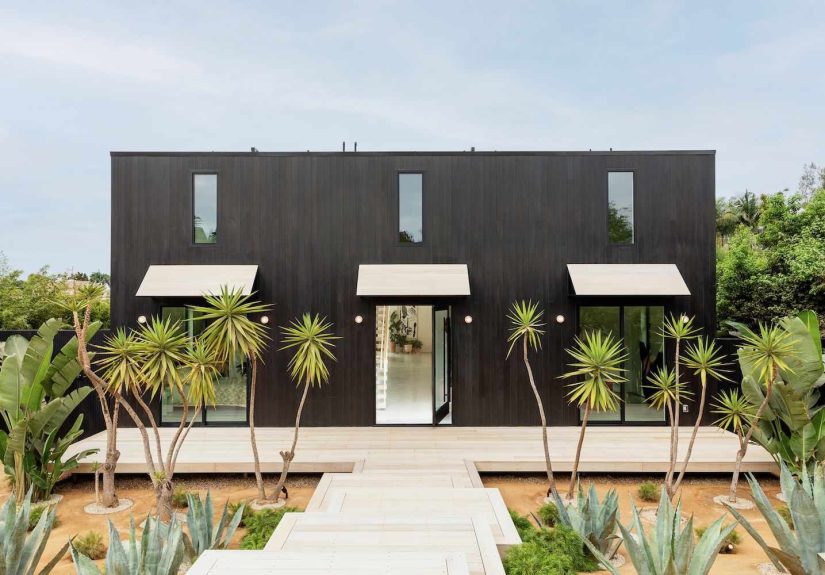
If stripes feel too “ice cream shop,” go solid. A charcoal, sand, or warm white canopy can look crisp and modernespecially paired with
minimal outdoor furniture and a simple concrete or stone patio. The goal is quiet confidence, not visual shouting.
4) Full-cassette retractable awning for a sleek, protected look
A cassette style encloses the fabric when retracted, protecting it from weather and grime. It also looks tidy on the wallgreat if your patio
is visible from the street or a neighbor’s second-story window (we all have one).
5) Semi-cassette awning to balance cost and protection
If you want some fabric protection without paying top dollar, semi-cassette options can be a sweet spot.
You get a cleaner profile than open-roller styles, with a price that usually stays more grounded.
6) Fixed awning over a dining zone (make it feel like an outdoor room)
A fixed awning can define a “ceiling” over your patio dining area, making it feel like a true extension of your home.
Add a woven pendant or outdoor-rated chandelier, and suddenly Tuesday night tacos feel like a vacation.
7) Angled, wood-slat awning for filtered light
A slatted wood canopy gives partial shade while letting in soft lightexcellent if you hate that “cave” feeling.
It’s also a gorgeous backdrop for climbing vines, string lights, or hanging planters (aka your patio’s accessories).
8) Metal awning for sharp architecture and longevity
A metal awningespecially in black or dark bronzecan look striking on modern homes, farmhouses, and industrial-leaning spaces.
It’s also a practical choice when you want something tough that doesn’t mind heat and sun.
9) Polycarbonate panel cover when you want light and protection
If you want rain coverage but don’t want to lose daylight, translucent polycarbonate panels can help.
They’re often used on patio roofs and awning-style covers because they can protect from weather while still keeping the space bright.
10) Corrugated roof “lean-to” cover for budget-friendly weather protection
A simple lean-to roof (often corrugated metal or polycarbonate) can be surprisingly stylish with the right trim details.
Paint the supporting posts to match your home’s exterior and add warm lighting so it feels intentionalnot like a forgotten shed project.
11) Pergola with retractable canopy (the best of both worlds)
Love the look of a pergola but want adjustable shade? Add a retractable canopy on top.
You keep the structure and style, but gain flexibility for bright afternoons and breezy evenings.
12) Louvered pergola roof for “shade on demand” control
Louvered systems let you tilt the roof slats to manage sun and airflow.
This can be a strong option in hot climates where ventilation matters as much as shade.
It’s also a clean, high-end look for contemporary patios.
13) Shade sail for modern lines and a lighter footprint
Shade sails are one of the most cost-effective ways to cover a patio with a modern vibe.
They work especially well for awkward-shaped spaces, and you can layer multiple sails for extra coverage (and extra drama).
14) Layered shade sails for bigger patios or all-day sun
One sail is great; two or three can be genius.
Layering lets you cover more area, aim shade where you need it most, and add architectural interest overhead.
Keep the colors coordinated for a polished look.
15) Roman-shade canopy on wires for breezy resort style
A fabric canopy that slides on cables gives a relaxed, resort feellike your patio is quietly auditioning for a travel magazine.
It’s especially nice for pergolas: open it up for sun, pull it closed for shade, and enjoy the “I planned this” energy.
16) Bamboo or reed roll-up shade for texture and casual charm
Roll-up natural shades add texture and soften hard surfaces like stucco, brick, and stone.
They’re not the best for heavy rain, but they’re fantastic for sun control and that warm, earthy look.
17) Drop-down side shade for low sun and extra privacy
Afternoon sun can sneak in sideways and roast you like a marshmallow. Add a drop-down shade (manual or motorized)
to block glare, add privacy, and make the patio more usable when the sun is low.
18) Awning + outdoor curtains for a soft, “living room” feel
If you want your patio to feel cozy, add curtains. They create privacy, reduce glare, and instantly elevate the space.
Use outdoor-rated fabric and keep them tied back when it’s windy unless you want a dramatic performance (and extra laundry).
19) Motorized retractable awning for push-button convenience
If you’ll use your awning daily, motorized control can be worth itespecially for larger spans.
It turns shade into something you actually adjust instead of something you “mean to mess with later.”
20) Smart features like wind sensors (because weather is unpredictable)
Wind can be hard on extended awnings. Smart controls and sensors can help retract an awning automatically when conditions get rough,
which can protect your investmentand your sanity.
21) Built-in lighting under the awning for nighttime magic
A covered patio should work after sunset, too. Add string lights, under-awning LED strips, or a simple pendant fixture
(outdoor-rated, of course). You’ll get a warm glow that makes the space feel intentional, not like you’re eating dinner in the dark on purpose.
22) “Outdoor kitchen” cover: prioritize heat, smoke, and durability
If your patio includes a grill or outdoor kitchen, think beyond shade. Choose materials and placement that can handle heat and airflow,
and consider where smoke will travel. A sturdy cover plus task lighting can turn cooking outside into a year-round habit.
How to Make Your Patio Awning Look Expensive (Even If It Wasn’t)
Match the awning to something else
Coordinate the canopy color with your front door, exterior trim, outdoor cushions, or planters. When one element repeats, everything looks designed.
Use “architectural” details
Add a clean trim line, a scalloped edge, black brackets, or wood posts with simple box bases. Small details can make a basic shade solution feel custom.
Anchor the space with a rug and lighting
A covered patio feels bigger and more finished when it has a rug underfoot and layered lighting overhead.
Think: one main light source plus twinkle or accent lighting.
Practical Planning Notes: Safety, Weather, and Permits
Wind and storm reality check
If your area gets gusty, retractable systems (especially with smart controls) can reduce risk because you can stow the awning when weather turns.
For fixed structures, choose robust frames and consider professional installation for proper anchoring.
Fabric performance: fading, mildew, and comfort
Outdoor fabrics often emphasize UV resistance and colorfastness; solution-dyed acrylics are frequently used because pigment is embedded before the fiber is formed,
improving fade resistance. Also consider moisture resistance and ventilation to discourage mildew, especially in humid climates.
Permits and code considerations
Rules vary widely, but permits are commonly required for attached patio covers or larger structures, and electrical work typically triggers additional requirements.
Some jurisdictions provide clear thresholds and criteria for permit exemptions, while model code guidance exists for patio covers as well.
When in doubt, check your local building department firstit’s easier than “redoing it later.”
Care and Maintenance: Keep Your Covered Patio Looking Great
Clean gently, regularly
Brush off debris, rinse occasionally, and follow the manufacturer’s cleaning guidance for your fabric and frame.
Leaves and pollen aren’t just annoyingthey can trap moisture and stain over time.
Retract when you should
If you have a retractable awning, get in the habit of closing it during storms and high winds.
It’s the outdoor equivalent of putting your phone in a case: it’s not glamorous, but you’ll be glad you did.
Check hardware once a season
Tighten loose fasteners, inspect brackets, and look for signs of wearespecially after a windy season.
A five-minute inspection can prevent a much longer, much louder problem later.
Real-World Experiences: What Homeowners Usually Learn After Installing a Patio Awning (Extra )
People often start the patio-awning journey with a simple goal: “I want shade.” Then real life shows up with its own list of preferences:
morning glare that hits at a weird angle, sudden rain during weekend lunches, and the surprising truth that “shade” isn’t just about comfortit’s about
how often you’ll actually use the space.
One of the most common experiences is realizing that coverage matters more than size. A huge awning that doesn’t cover the table at 4 p.m.
can feel less useful than a smaller one that’s positioned perfectly. Homeowners frequently report they underestimated how the sun moves across the patio
(especially on west-facing backyards). The fix is usually simple: adjust placement, add a drop-down side shade, or choose a retractable system that extends far enough
to block low-angle sun. The “aha” moment is that shade is three-dimensionaloverhead coverage alone may not solve side glare.
Another lesson: wind is the boss. People in breezy areas tend to love retractables because they can pull them in quickly.
The first time a gust makes the fabric flap loudly, many homeowners become very committed to closing the awning when weather shifts.
That experience often nudges people toward motorized controls or smart features, simply because convenience increases good habits.
If it’s easy to retract, you’ll actually do it.
There’s also a style surprise. Many expect an awning to be “just functional,” but once installed, it becomes a major visual feature.
Homeowners often say the best results happen when the canopy color is tied into something elsetrim, cushions, planters, or even the front door.
Stripes can look playful and high-end, while solid colors can feel modern and calm. The regret stories usually involve picking a fabric without considering
how it looks from inside the house. If your living room windows face the patio, you’ll see that awning every dayso it should feel like part of the home’s design,
not a random add-on.
Rain brings its own education. People who want true rain coverage learn quickly that pitch and runoff matter.
A patio cover that doesn’t guide water away can drip right at the edgeoften exactly where guests enter or where chairs sit.
Homeowners who entertain a lot commonly add a small “buffer zone” beyond the seating area or use a more rigid cover solution when rain protection is a priority.
And nearly everyone learns to keep the surface clean: a little debris can redirect water in very inconvenient ways.
Finally, the biggest win people mention is psychological: a covered patio feels “ready.” When shade is in place, the space becomes an everyday destination
coffee spot, homework zone, evening hangoutbecause it’s comfortable. The best awnings don’t just block sun; they remove friction from using your outdoor space.
And that’s the whole point: not a prettier patio that sits unused, but a covered outdoor space that becomes part of your life.
Conclusion
The best patio awning is the one that fits your space, your weather, and the way you actually live. Start by deciding how you want to use the patio (dining, lounging,
cooking, entertaining), then match the coverage styleretractable, fixed, pergola canopy, shade sail, or a hybrid solution. Add lighting, coordinate colors,
and pay attention to wind and permitting. Do it right, and your patio becomes the kind of place you’ll use constantlybecause comfort is a powerful decorator.





 Close
Close