
Table of Contents >> Show >> Hide
- What Is a Dot & Dashes Tablecloth?
- Choosing the Right Fabric: The “Cute vs. Useful” Truce
- How to Pick the Right Size: The Drop Is the Whole Point
- Styling a Dot & Dashes Tablecloth Without Overthinking It
- Care & Cleaning: Keep It Nice Without Making It a Lifestyle
- Buying Checklist: What to Look For Before You Click “Add to Cart”
- DIY Option: Custom Dot & Dashes Without Custom Prices
- Conclusion: Why Dot & Dashes Is a Smart “Forever Pattern”
- Experiences With a Dot & Dashes Tablecloth (Real-Life, Not Catalog-Life)
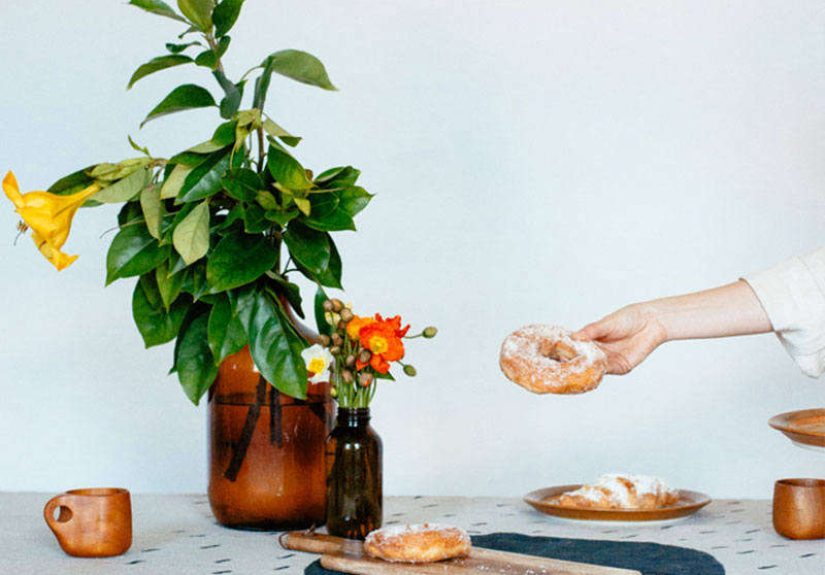
Some people treat a tablecloth like a fancy hat: it only comes out when company’s coming and everyone suddenly remembers how to use a salad fork. A Dot & Dashes Tablecloth is the opposite vibein the best way. It’s stylish without being precious, playful without looking like a kid’s birthday banner, and practical enough to survive spaghetti night (or at least look confident while it happens).
In this guide, we’ll break down what “dot & dashes” really means in table-linen land, how to pick the right fabric, how to size it like a pro (no guessing, no weird puddles), and how to style it for everything from weekday breakfasts to holiday dinners. Then we’ll finish with real-world, lived-in experiencesbecause tablecloths don’t exist in a vacuum. They exist under hot plates, sticky hands, and that one friend who gestures with a full glass of cabernet.
What Is a Dot & Dashes Tablecloth?
“Dot & dashes” describes a pattern built from small circles (dots) and short lines (dashes) arranged in a repeating rhythm. Think of it as a minimalist geometric print: it can nod to mid-century modern, Scandinavian simplicity, or even a subtle “Morse code” energywithout literally spelling out “send help, dinner party.”
Why the pattern works (even when life doesn’t)
- It adds movement without shouting. The eye reads it as texture, not clutter.
- It’s forgiving. Tiny motifs are great at camouflaging crumbs, lint, and the occasional “whoops” drip.
- It plays well with others. Solid dinnerware, natural wood, and bold centerpiece moments all look better with a calm-but-interesting base.
Choosing the Right Fabric: The “Cute vs. Useful” Truce
A dot & dashes print can show up on many materials, and the fabric you choose determines whether your tablecloth feels breezy and elegant or tough and unbothered. Below is a practical breakdownno fluff, just what matters when you’re actually living with it.
Cotton: soft, classic, and easy to love
Cotton tablecloths are popular because they’re comfortable, widely available, and generally straightforward to wash. A dot & dashes pattern looks crisp on cotton, especially in high-contrast colorways (black on white, navy on cream, charcoal on flax).
- Best for: everyday dining, casual entertaining, indoor tables
- Trade-off: wrinkles happen; stains can set if you ignore them (and the universe will test you)
Linen: elevated, airy, and “effortlessly expensive”
Linen brings that relaxed luxurybeautiful drape, breathable feel, and a texture that makes simple patterns look editorial. Dot & dashes on linen tends to read more like “design choice” and less like “pattern for pattern’s sake.”
- Best for: dinner parties, holidays, long tablescapes, warm-weather meals
- Trade-off: wrinkles are part of the charm (or part of your ironing hobby)
Polyester (and performance blends): the low-maintenance MVP
If your household includes kids, pets, frequent guests, or simply youpolyester and stain-resistant blends can be a sanity saver. Many are wrinkle-resistant and easier to clean, which makes them especially useful for outdoor gatherings.
- Best for: high-traffic homes, events, outdoor dining, “please don’t make me iron” energy
- Trade-off: less natural texture; quality varies widely (read descriptions carefully)
Vinyl / wipe-clean options: for patios, parties, and chaos
Wipe-clean tablecloths (vinyl or coated surfaces) are unbeatable for mess-prone situations. They’re also great when wind is a factorespecially fitted styles designed to cling to the table like a bedsheet that finally found purpose.
How to Pick the Right Size: The Drop Is the Whole Point
Tablecloth sizing is mostly about the drophow far the fabric hangs over the edge. Too short and it looks accidental. Too long and guests will get tangled like it’s an obstacle course.
Drop guidelines (use these like a cheat code)
- Casual everyday: about 6–8 inches of drop
- More formal dining: about 8–12 inches of drop
- Floor-length “event mode”: long enough to nearly touch the floor (best for special occasions and very patient people)
The simple sizing formula
For rectangular/oval tables:
Tablecloth length = table length + (2 × desired drop)
Tablecloth width = table width + (2 × desired drop)
Example: Your table is 42 inches wide and 72 inches long. You want a 9-inch drop.
Width: 42 + (2 × 9) = 60 inches
Length: 72 + (2 × 9) = 90 inches
So you’re looking for a 60 × 90 tablecloth.
Round tables (quick logic)
Measure the diameter, then add twice your desired drop. If your round table is 48 inches across and you want a 10-inch drop: 48 + (2 × 10) = 68 inches, so you’d shop near a 70-inch round size.
Styling a Dot & Dashes Tablecloth Without Overthinking It
The pattern is already doing a little visual workso your job is to let it shine without turning the table into a “Pinterest board in distress.” Here are styling ideas that look intentional and feel doable.
1) Minimalist modern: let the geometry talk
- Use solid plates (white, matte black, or stoneware neutrals).
- Add one centerpiece moment: a low ceramic bowl, a single vase, or a cluster of candles.
- Keep napkins plain; add texture with linen or a subtle weave.
2) Warm & natural: dots and dashes meet wood and woven
- Pair with wood chargers, rattan accents, or jute placemats.
- Use earthy colors: olive, clay, warm white, charcoal.
- Make it feel “collected” with mismatched-but-coordinated glassware.
3) Bright brunch energy: the pattern as a backdrop
- Go citrus: add yellow napkins, orange slices, bright florals.
- Use clear glass and simple cutlery so the table doesn’t get visually heavy.
- Keep the centerpiece edible: a fruit bowl looks good and earns its keep.
4) Outdoor dining: practical upgrades that still look good
- If wind is a problem, consider a fitted tablecloth or use discreet clips underneath.
- Choose darker or mid-tone colorways to hide “outdoor realities” (pollen is relentless).
- Add weight with a runner or a few low, heavy objects (like candleholders).
Care & Cleaning: Keep It Nice Without Making It a Lifestyle
The secret to tablecloth longevity is not “never spill.” The secret is having a simple plan for when you spillbecause you will. Always follow the care label first (it’s the closest thing fabrics have to a user manual).
How often should you wash it?
If it’s not visibly stained, many households can use a tablecloth for several meals (even up to about a week) before washingespecially if you shake it out, spot-clean small marks, and keep it away from direct grease zones. Cloth napkins usually need washing more often, particularly after messy meals.
Machine washing tips (for washable fabrics)
- Use gentle/delicate cycles for nicer weaves and printed linens.
- Cold or cool water helps protect color and reduce shrink risk.
- A mesh laundry bag can reduce abrasion, especially for delicate linens or embellished edges.
- Air-drying is kind to fibers and prints; low tumble-dry can work for many cottons and blends.
Stain-first aid: what to do when the tablecloth takes a hit
The best move is always speed. Blot (don’t rub), lift solids gently, and treat the stain before it sets. Below are common stain types and what tends to work. Test any method on an inconspicuous area first, and never mix cleaning chemicals.
Red wine (the classic villain)
- Blot immediately with a clean towel to absorb liquid.
- Salt or baking soda can help pull moisture and pigment from fresh spillslet it sit briefly, then brush away.
- Pre-treat with a stain remover or oxygen-based approach; launder as the fabric allows.
- Air dry first so heat doesn’t “bake in” any remaining stain.
Grease (sneaky and stubborn)
- Sprinkle a little absorbent powder (even chalk for linen in a pinch) to lift oil before washing.
- Pre-treat with a small amount of dish soap or laundry detergent rubbed gently into the stain.
- Wash according to the care label; re-check before drying.
Set-in mystery stains (a.k.a. “how did this happen?”)
For many washable fabrics, a combo approachlike mild hydrogen peroxide with dish soapcan be effective on certain food and drink stains. The key is gentle application, patience, and not turning your laundry room into a chemistry lab.
Buying Checklist: What to Look For Before You Click “Add to Cart”
Pattern scale and spacing
“Dot & dashes” can be tiny and subtle or bold and graphic. Small-scale prints are more forgiving for daily use; large-scale prints feel more modern and statement-making. If you have a small table, a giant pattern can overwhelm it. For long tables, bolder spacing can look dramatic in a good way.
Hem and finish
A neatly finished hem helps a tablecloth drape well and last longer. Look for double-fold hems or quality stitchingespecially if you’re buying linen or cotton sateen.
Fabric claims you actually care about
- Wrinkle-resistant: great for busy homes and outdoor use.
- Machine washable: ideal for everyday sanity.
- Colorfast: helps prevent fading, especially with darker prints.
- Certifications: some linens highlight textile safety certificationsworth checking if that matters to you.
DIY Option: Custom Dot & Dashes Without Custom Prices
If you love the dot & dashes look but want a very specific color or scale, custom-print fabric can be a smart route. Many print-on-demand textile companies offer cotton weaves suitable for tablecloths, and you can choose your dimensions. If you can sew a straight line (or can persuade someone who can), you can make a tablecloth that fits your table like it was born there.
Quick DIY steps (simple version)
- Calculate your finished size using the drop formula.
- Add extra inches for hem allowance (commonly 1–2 inches per side, depending on your hem style).
- Pre-wash fabric if recommended (some cottons shrink).
- Press, fold, and sew a clean hem. Done. You’re basically a home-goods brand now.
Conclusion: Why Dot & Dashes Is a Smart “Forever Pattern”
A Dot & Dashes Tablecloth is one of those rare home items that can feel fresh in multiple settings: minimal on Monday, festive on Friday, and “we totally planned this” when guests show up early. Get the size right, pick a fabric that matches your real life, and treat stains like a speed sport. Do that, and your tablecloth stops being a special-occasion prop and becomes a reliable part of your home’s style.
Experiences With a Dot & Dashes Tablecloth (Real-Life, Not Catalog-Life)
People rarely talk about the emotional journey of owning a tablecloth, but it’s real. The first time you lay down a dot & dashes tablecloth, it feels like your dining area got a personality upgradelike your table went from “I hold mail” to “I host meals.” The pattern is upbeat, and it does something sneaky: it makes everyday dining look more intentional without demanding that you become a person who folds napkins into swans.
One of the best day-to-day surprises is how the tiny geometry helps the table stay visually “tidy.” If you’ve ever stared at a solid-color tablecloth and felt like every crumb was auditioning for a close-up, dot & dashes is a relief. The pattern breaks up the surface just enough that you don’t notice every speck of pepper, while still looking clean. It’s the difference between “my table is messy” and “my table is lived-in.” (And honestly, lived-in is the goal.)
For casual breakfasts, the pattern plays nice with almost anything: cereal bowls, mismatched mugs, yesterday’s paper, and the random lemon you bought with good intentions. At lunch, it’s equally unbothered by takeout containers. Where dot & dashes really shines, though, is when you layer it. A simple runner down the centersolid linen, a warm stripe, even kraft paper for a partygives the pattern a frame. Suddenly the table looks “styled,” and all you did was add one rectangle on top of another rectangle. Interior designers might call it “layering.” Normal people call it “I did a thing.”
Outdoor meals are a different story because the outdoors is basically a prankster. Wind, pollen, sunscreen hands, and the neighbor’s tree that sheds like it’s getting paid. This is where fabric choice matters: performance blends and easy-clean materials feel like a cheat code. People who host outside a lot often notice that a busier dot & dashes print looks better longerless visible fading, fewer obvious marks, and fewer moments of panic when someone drops a hot dog. If you do outdoor dinners, a fitted style or discreet clips can make you feel like a genius the first time the wind tries and fails to turn your tablecloth into a sail.
Then there are the “big meal” moments: holidays, birthdays, and the dinner party where you promise yourself you’ll stay calm. A dot & dashes tablecloth is surprisingly flexibledress it up with candles and crisp napkins, or lean into cozy with wood and greenery. And when the inevitable spill happens, the pattern takes a little sting out of it. You still clean it (please clean it), but you’re less likely to feel like the entire evening is ruined. The tablecloth becomes part of the rhythm: cook, eat, laugh, clean, repeat. Over time, it stops being “that nice tablecloth” and becomes “our tablecloth”the one that’s seen everything and still looks good doing it.





 Close
Close