
Table of Contents >> Show >> Hide
- Acne vs. Pimples: The Simple Difference
- What Is Acne, Exactly?
- What Counts as a Pimple?
- Why the Difference Matters
- Signs You May Have Acne Instead of the Occasional Pimple
- How Treatment Differs
- Can Pimples Happen Without Acne?
- Acne, Skin Tone, and Dark Marks
- Common Mistakes People Make
- When to See a Dermatologist
- Bottom Line
- Real-Life Experiences: What the Difference Between Acne and Pimples Feels Like
- SEO Tags
If you have ever stared into a mirror and announced, “Wow, rude,” to a brand-new spot on your face, you are not alone. Skin has impeccable timing. It loves to act up before weddings, interviews, reunions, and any event where cameras exist. But here is the good news: acne and pimples are related, yet they are not exactly the same thing.
The short version is this: a pimple is a type of skin lesion, while acne is the overall skin condition that causes different kinds of breakouts. In other words, a pimple is one player on the team, and acne is the whole team, coach, stadium, and occasionally the loud fan in the front row.
Understanding the difference matters because it changes how you treat your skin. A lone pimple may need a spot treatment and a little patience. Ongoing acne usually needs a full routine, consistency, and sometimes a dermatologist. Let’s break it all down in plain English.
Acne vs. Pimples: The Simple Difference
Acne is a skin condition that happens when hair follicles get clogged with oil, dead skin cells, and sometimes bacteria. It can lead to several types of breakouts, including blackheads, whiteheads, papules, pustules, nodules, and cysts.
Pimples are one visible symptom of acne. When most people say “pimple,” they usually mean an inflamed red bump, often with a white or yellow tip filled with pus. That is why many dermatology sources describe pimples as a type of acne lesion rather than a separate condition.
So if you are wondering whether acne and pimples are the same thing, the most accurate answer is: not quite. Acne is the diagnosis. Pimples are one way acne shows up on the skin.
What Is Acne, Exactly?
Acne, also called acne vulgaris, is one of the most common skin conditions in the United States. It often starts during puberty, but it can continue into adulthood or show up for the first time later in life. Acne develops when pores become blocked and inflamed.
What causes acne?
Acne usually forms because of a combination of factors, including:
- Excess oil production: Your sebaceous glands make sebum, which helps protect skin. Too much can clog pores.
- Dead skin cell buildup: When cells do not shed cleanly, they can get trapped in the follicle.
- Bacteria: Bacteria that normally live on the skin can contribute to inflammation.
- Inflammation: Once a pore is clogged, the body can react with redness, swelling, and tenderness.
- Hormones: Androgen changes during puberty, menstruation, pregnancy, or menopause can trigger breakouts.
- Genetics: If acne runs in your family, your skin may be more likely to join the tradition.
- Friction or pressure: Helmets, tight collars, masks, and sports gear can worsen acne in some people.
- Hair and skin products: Heavy, oily, or pore-clogging products may contribute to breakouts.
Where does acne show up?
Acne tends to appear where oil glands are most active, especially on the:
- Face
- Forehead
- Chest
- Upper back
- Shoulders
- Jawline
What Counts as a Pimple?
A pimple is usually an inflamed bump on the skin. It often looks red, swollen, and irritated. Some pimples develop a visible center filled with pus, while others stay deeper under the skin and feel sore without coming to a head.
People use the word “pimple” casually, but in dermatology, breakouts have more precise names. That matters because the type of bump you have can hint at how severe your acne is and what treatment may help.
Common types of acne lesions
- Blackheads: Open clogged pores with a dark surface.
- Whiteheads: Closed clogged pores with a white or flesh-colored top.
- Papules: Small inflamed bumps without visible pus.
- Pustules: Inflamed bumps with a white or yellow center. These are what many people picture when they say “pimple.”
- Nodules: Larger, deeper, painful lumps under the skin.
- Cysts: Deep, tender, pus-filled lesions that are more likely to scar.
That means a pimple is not the only kind of acne. You can absolutely have acne with mostly blackheads and whiteheads, or acne with painful nodules, or a mix of everything at once. Sometimes skin likes variety, unfortunately.
Why the Difference Matters
Knowing whether you are dealing with a single pimple or ongoing acne changes the game.
If it is just a pimple
A random breakout now and then may respond well to simple care. This can include a gentle cleanser, a spot treatment with benzoyl peroxide or salicylic acid, and resisting the urge to squeeze it like it owes you money.
If it is acne
If you keep getting breakouts, especially in the same areas, or if you have several kinds of lesions at once, you are likely dealing with acne rather than an isolated pimple. Acne usually needs more than a spot treatment. It often responds best to a consistent skincare routine and, in moderate or severe cases, prescription treatment.
Signs You May Have Acne Instead of the Occasional Pimple
- You get breakouts regularly, not just once in a while.
- You have more than one type of lesion, such as whiteheads plus red bumps.
- Your breakouts appear on the face, chest, shoulders, or back.
- You notice monthly or hormonal flares, especially around the jawline or chin.
- Your skin leaves dark marks or scars after bumps heal.
- Over-the-counter products help a little, but not enough.
If that list feels suspiciously familiar, your skin may be waving a little acne flag.
How Treatment Differs
Treating a single pimple
If one annoying bump appears out of nowhere, you may not need a full acne plan. A few simple steps can help:
- Wash with a gentle cleanser twice daily.
- Use a spot treatment with benzoyl peroxide or salicylic acid.
- Try a hydrocolloid patch to reduce picking.
- Apply ice briefly to calm swelling in a tender bump.
- Avoid squeezing or popping it.
If the spot is deep and painful, patience matters. Those under-the-skin bumps do not always disappear overnight, no matter how intensely you glare at them.
Treating acne as a condition
Ongoing acne usually needs a broader approach aimed at preventing new lesions, not just attacking the ones that already arrived uninvited.
A basic acne-friendly routine may include:
- Gentle cleanser: Harsh scrubs can irritate the skin and worsen breakouts.
- Topical retinoid: Often recommended to help unclog pores and prevent comedones.
- Benzoyl peroxide: Helps reduce acne-causing bacteria and inflammation.
- Salicylic acid: Can help exfoliate inside pores.
- Noncomedogenic moisturizer: Acne-prone skin still needs hydration.
- Broad-spectrum sunscreen: Important because some acne treatments increase sun sensitivity, and sun can worsen lingering marks.
For moderate to severe acne, a dermatologist may recommend prescription options such as stronger retinoids, topical antibiotics paired with benzoyl peroxide, oral antibiotics, hormonal treatments, or isotretinoin for severe or scarring acne.
The biggest difference? A pimple gets a quick fix. Acne gets a strategy.
Can Pimples Happen Without Acne?
In everyday conversation, people may say they “have a pimple” even if they do not think of themselves as having acne. That is understandable. A one-off breakout can feel very different from chronic acne.
Still, medically speaking, pimples are acne lesions. If you get one inflamed bump because a pore became clogged, that bump fits into the acne family. The practical difference is severity and frequency. One pimple now and then is not the same experience as persistent acne affecting multiple areas of skin.
Acne, Skin Tone, and Dark Marks
One reason this topic matters so much is that the aftermath of acne can be just as frustrating as the breakout itself. After a pimple heals, some people develop lingering red or brown marks. In deeper skin tones, acne-related inflammation is more likely to leave behind post-inflammatory hyperpigmentation, also called PIH.
These flat marks are not the same as acne scars, but they can stick around for months. Picking, harsh treatments, and sun exposure can make them worse. That is why gentle skincare, sunscreen, and early treatment are so important.
If your “pimple problem” keeps turning into long-lasting marks, that is another clue you may be dealing with acne that deserves more than random spot treatment.
Common Mistakes People Make
- Treating acne like a hygiene issue: Acne is not caused by being “dirty.” Overwashing usually backfires.
- Using harsh scrubs: Scrubbing your face like you are sanding a table will not improve acne.
- Popping pimples: This can push inflammation deeper and raise the risk of scarring and dark spots.
- Switching products too fast: Acne treatments often take weeks to show results.
- Skipping moisturizer: Dry, irritated skin can become even more reactive.
- Ignoring persistent breakouts: Early treatment can reduce the chance of scars.
When to See a Dermatologist
You do not need a specialist for every tiny bump. But it is smart to see a dermatologist if:
- You have deep, painful nodules or cysts.
- Your acne is leaving scars or dark marks.
- Store-bought products have not helped after 8 to 12 weeks.
- Your breakouts are affecting your mood, confidence, or daily life.
- You think hormones may be playing a major role.
Acne is incredibly common, but that does not mean you have to “just live with it.” Effective treatment exists, and you deserve skin care that is based on evidence, not internet chaos.
Bottom Line
The difference between acne and pimples comes down to condition versus symptom. Acne is the broader skin disorder that develops when follicles become clogged and inflamed. Pimples are one type of acne lesion, usually the inflamed red or pus-filled bumps people notice first.
If you get a rare breakout, a simple spot treatment may be enough. If you deal with repeated breakouts, multiple lesion types, scarring, or lingering dark marks, you are probably dealing with acne and may need a more complete treatment plan.
Your skin is not trying to ruin your life. It is just, occasionally, very dramatic. The better you understand what is happening, the easier it becomes to treat the real problem instead of guessing.
Real-Life Experiences: What the Difference Between Acne and Pimples Feels Like
For a lot of people, the confusion starts with the mirror. They see one bump and call it acne. Or they have a whole cluster of breakouts every month and call them “just pimples.” In real life, the difference often becomes clear through experience, not vocabulary.
Someone with the occasional pimple usually notices a pattern like this: one breakout shows up before a big event, during a stressful week, or after sleeping in heavy makeup. It is annoying, sure, but it tends to be temporary. The person may use a patch or a dab of acne treatment, wait a few days, and move on. It feels like an unwanted visitor, not a long-term roommate.
Acne feels different. People with acne often describe it as ongoing, repetitive, and weirdly strategic. Just when one spot fades, another appears nearby like it was waiting for its cue. There may be whiteheads across the forehead, painful bumps along the jawline, or stubborn breakouts on the back and chest. It is not one surprise spot. It is a cycle.
Teens often talk about acne as something that affects confidence before anyone says a word. A few pimples can make school picture day feel like a federal emergency. Adults often describe frustration of a different kind: “I survived algebra, taxes, and office politics. Why do I still have acne?” Adult acne can feel especially unfair because it often arrives with dry skin, stress, and zero patience.
People with deeper skin tones may have another layer to the experience. Even after the bump goes away, a dark mark can stay behind for weeks or months. That means the breakout lasts longer emotionally, even when the inflammation is over. Many people say the mark bothers them more than the original pimple because it feels like the skin keeps the receipt.
There is also the trial-and-error phase almost everyone goes through. Many people start by treating every breakout the same way. They scrub harder, buy stronger products, or try five new treatments in one week. Usually, that ends with irritated skin, more redness, and the realization that skincare is not a speed sport. The people who finally get improvement often say the same thing: consistency worked better than panic.
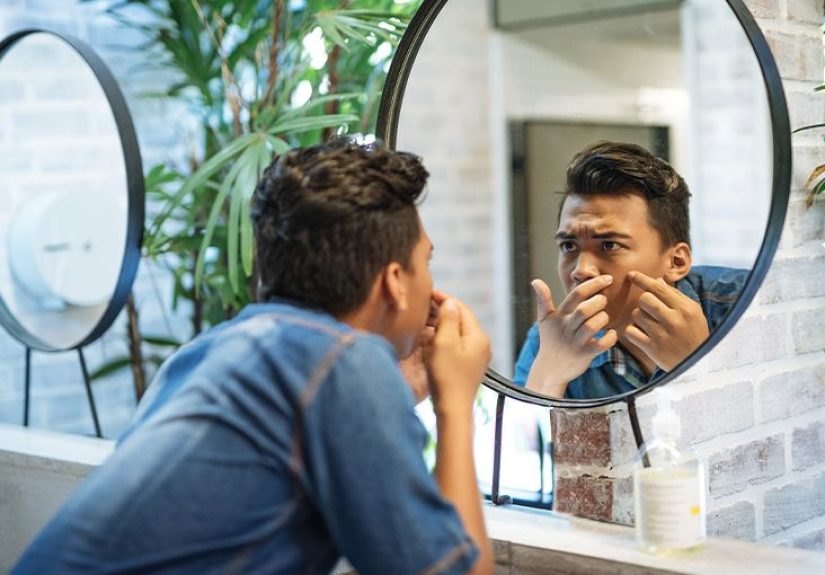
Another common experience is learning not to pick. Nearly everyone knows they should not pop pimples, and nearly everyone has negotiated with themselves in front of a bathroom mirror anyway. The regret usually arrives 10 minutes later, followed by swelling, a scab, or a mark that lasts much longer than the original bump would have.
Over time, many people become surprisingly good at telling the difference between a random pimple and true acne. A random pimple is temporary. Acne has patterns. A random pimple is a moment. Acne is a conversation your skin keeps trying to have until you answer it correctly.
That is why understanding the difference matters so much in everyday life. Once people realize that acne is a condition and pimples are just one symptom, they often stop blaming themselves and start treating their skin more effectively. And honestly, that shift alone can feel like progress.







 Close
Close