
Table of Contents >> Show >> Hide
- What Golden Hour Actually Means
- Why Everyone Is Obsessed Right Now
- The Golden Hour Aesthetic at Home
- Golden Hour Beauty: Sunset on the Skin
- Golden Hour Fashion and Styling
- How to Bring Golden Hour Into Everyday Life
- How to Avoid Making It Look Too Themed
- Why Golden Hour Keeps Winning
- Golden Hour in Real Life: The Experiences That Make the Obsession Stick
- Conclusion
- SEO Tags
Some trends arrive with a bang. Golden hour sneaks in through the window, makes your coffee look expensive, turns your living room into a movie set, and suddenly you are online searching for linen curtains, bronzer, and a lamp that glows like a late-August sunset. That is the magic of the golden hour aesthetic. It is not just a time of day anymore. It is a mood, a design language, a beauty reference, and, frankly, a small rebellion against the cold, clinical, overly polished look that dominated so much of the last decade.
Right now, people are craving warmth in every sense of the word. In home design, that means earthy colors, layered lighting, natural materials, and rooms that feel lived in instead of staged. In beauty, it means glowy skin, sunset blush, glossy lips, and tones that look like they were approved by the sun itself. In daily life, it means slowing down long enough to notice the light hitting a wall, a table, or your own face and thinking, “Wow. I should probably cancel my plans and just stare at this for a minute.”
That is why “Current Obsessions: Golden Hour” feels so timely. Golden hour is having a full cultural moment, not because it is flashy, but because it makes everything feel a little softer, a little richer, and a lot more human.
What Golden Hour Actually Means
At its most literal, golden hour refers to the stretch shortly after sunrise and just before sunset, when the sun sits low in the sky and the light turns warm, soft, and flattering. Photographers love it because it reduces harsh shadows, adds dimension, and wraps landscapes, faces, and buildings in that dreamy honey-colored glow that makes even a grocery store parking lot look vaguely cinematic.
Despite the name, golden hour is not always exactly one hour. It changes depending on the season, weather, and your location. In some places it is a brief, blink-and-you-missed-it show. In others, it lingers long enough to make you wonder whether the universe is showing off. The point is not the stopwatch. The point is the quality of light: lower, warmer, gentler, and far less rude than high noon.
There is science behind the appeal. When the sun is closer to the horizon, light travels through more of the atmosphere. That filters out more blue wavelengths and leaves behind the warmer tones people tend to associate with comfort, nostalgia, and beauty. Translation: golden hour is not just pretty. It is pretty with a chemistry degree.
Why Everyone Is Obsessed Right Now
Golden hour feels current because it matches what people want from their spaces, routines, and style. The vibe has shifted away from icy minimalism and toward something more grounded. Think butter, caramel, clay, ochre, terracotta, sand, toasted beige, soft brass, burnished wood, creamy stone, and fabrics that beg to be touched. People want rooms with atmosphere. They want makeup that looks alive. They want everyday moments that feel less like a spreadsheet and more like a scene.
There is also an emotional reason this aesthetic lands so well. Golden hour suggests ease. It is the visual opposite of stress. It looks like exhaling. It reminds people of vacations, dinners that start outside and end by candlelight, long walks, beach towns, dusty roads, rooftop drinks, and those random five-minute windows when ordinary life feels suspiciously beautiful.
In other words, golden hour is not just a color story. It is a feeling story. That is why it translates so well across categories. Home editors love it. Beauty brands love it. Fashion people love it. Photographers have been carrying the torch for years. And the rest of us are just trying to figure out how to bottle sunset and put it in a lamp, a lipstick, or a throw pillow.
The Golden Hour Aesthetic at Home
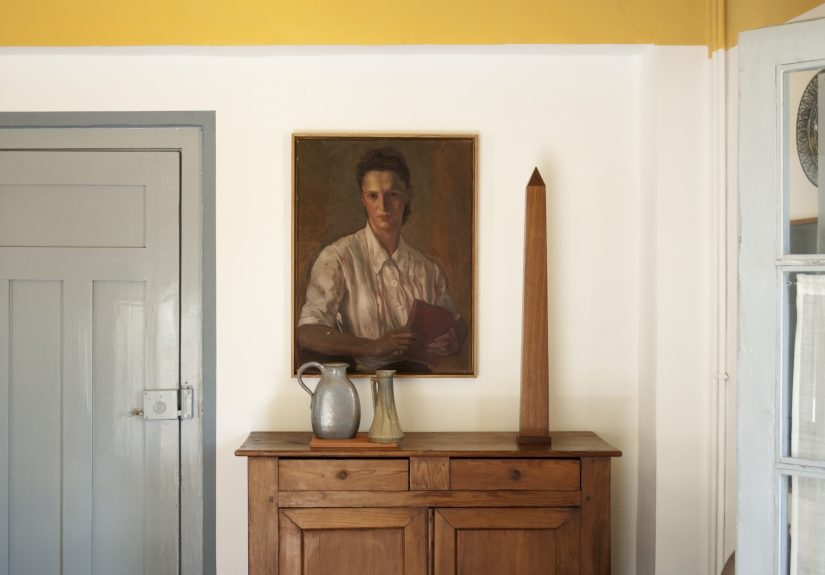
If you want your home to feel like golden hour without literally waiting for the sun to cooperate, start with color and light. Warm neutrals are the backbone of this look. Cream, oat, camel, tan, peachy beige, soft terracotta, muted coral, amber, and dusty rose all create the kind of low-drama glow that makes a room feel inviting instead of sterile. The best versions do not scream “theme.” They whisper “come sit down, you live here now.”
Texture matters just as much as color. Golden hour spaces look better when they have a tactile, collected quality. Linen, rattan, oak, walnut, boucle, hand-thrown ceramics, woven baskets, antique brass, unlacquered finishes, and slightly imperfect natural materials all help create that warm, light-catching atmosphere. Flat, shiny, overly synthetic surfaces tend to kill the spell. Golden hour wants soul, not showroom energy.
How to Get the Look Without Redecorating Your Entire Life
You do not need a major renovation or a suspiciously wealthy aunt to bring this vibe home. A few strategic changes go a long way:
- Swap cool white bulbs for warmer ambient lighting.
- Add one sunset-toned accent, such as a rust pillow, ochre throw, or peachy vase.
- Bring in wood, stone, or woven textures to soften the room.
- Use mirrors thoughtfully to bounce natural light instead of blasting the room with overhead glare.
- Layer lamps, sconces, and candles so the room glows rather than shouts.
The modern golden hour home is less about obvious gold decor and more about emotional warmth. A brass faucet can work. So can a clay-colored wall. But the real secret is making the room feel lit from within. If your space says “sunset, but make it livable,” you are doing it right.
Golden Hour Beauty: Sunset on the Skin
The beauty world has fully embraced the golden-hour obsession, and honestly, it makes sense. If photographers have spent years trying to capture that warm, flattering light, makeup artists have spent just as long trying to recreate it on purpose. The result is a wave of looks built around luminous skin, warm bronze tones, coral and peach blush, glowy highlighter, soft brown liner, and lips that look juicy instead of overworked.
This is where the golden hour aesthetic becomes especially fun, because it is less about perfection and more about radiance. The goal is not to look like you spent three hours contouring your face with military precision. The goal is to look like you caught the last good light of the day and somehow your cheekbones decided to cooperate.
Golden hour makeup usually leans into warmth: bronzy lids, champagne shimmer, amber highlights, flushed cheeks, and glossy nude, rose, or coral lips. It often overlaps with trends like sunset blush and sun-kissed skin, but the best version feels softer and more blended. Nothing too harsh. Nothing too matte. Nothing that says “I am currently wearing six powders and a dream.”
Why This Look Works on So Many People
Warm, diffused light is flattering because it softens contrast, which is exactly why golden-hour-inspired makeup works on a wide range of skin tones and styles. It can be polished or minimal. It can lean beachy, glamorous, romantic, or almost bare. The key is balance. A little sheen on the eyes, a little warmth on the cheeks, a little life on the lips, and suddenly the face looks awake, fresh, and expensive in the least annoying way possible.
Even hair color trends have moved toward warmer, more blended tones that enhance natural glow rather than fighting it. That is the broader golden hour effect: beauty that looks lit, not lacquered.
Golden Hour Fashion and Styling
The same logic applies to fashion. Golden hour dressing tends to favor colors that either echo the sunset or play beautifully against it. Cream, ivory, honey, cinnamon, rust, butter yellow, warm denim, faded olive, and soft pink all photograph beautifully in late-day light. Flowy fabrics also help. Linen, silk, gauze, cotton poplin, and drapey knits catch movement and light in a way that feels effortless.
This does not mean you have to dress like a literal sunbeam. In fact, the chicest golden hour looks often rely on restraint. A white shirt with gold jewelry. A caramel slip dress. A faded denim jacket over a cream tank. A bronze sandal. A gauzy curtain panel tied back with a leather strap. The common thread is warmth, softness, and that slightly undone confidence that suggests you are not trying too hard, even if you absolutely moved that chair three times for the light.
How to Bring Golden Hour Into Everyday Life
The best part of this obsession is that it is not only decorative. It can actually change how a day feels. Natural light has a real impact on mood and rhythm, and warm, dimmer lighting in the evening generally feels more relaxing than cool, bright light blasting from above like an interrogation scene. So while the golden hour aesthetic is stylish, it also nudges people toward routines that feel calmer and more intentional.
Try opening curtains earlier. Eat dinner by a window when you can. Take a walk before sunset. Put a lamp on instead of the overhead light. Set the table for no reason other than the room looks good at 6:12 p.m. Keep your camera handy. Let your home have shadows. Let your face have texture. Let the day slow down for ten minutes before the night barges in with emails, dishes, and seventeen browser tabs you absolutely did not need.
Golden hour works best when it is treated as a ritual, not just a look. It is the visual language of paying attention.
How to Avoid Making It Look Too Themed
As with any trend, restraint is what separates stylish from slightly theatrical. Golden hour is gorgeous. A room that looks like an apricot exploded in it is a different conversation. The fix is simple: layer, do not overdo. Mix warm shades with grounding neutrals. Use metallics sparingly. Let natural textures do some of the work. Keep contrast in the room so everything does not blur into one giant beige marshmallow.
The same goes for beauty and fashion. One bronzy element is elegant. Seven bronzy elements can start to look like you lost a fight with a shimmer palette. The golden hour obsession is at its best when it feels atmospheric, not costume-like.
Why Golden Hour Keeps Winning
Some trends are fun for a season. Golden hour has staying power because it taps into something more universal: people like warmth. They like softness. They like light that makes ordinary things look meaningful. They like homes that soothe them, makeup that flatters them, and little rituals that make daily life feel less rushed.
That is the real reason golden hour keeps showing up in design, style, and culture. It offers beauty without coldness, polish without stiffness, and comfort without looking lazy. It is aspirational, but still reachable. You do not need a villa in California or a makeup artist on speed dial. Sometimes you just need a warm bulb, a decent blush, a linen curtain, and the good sense to notice the way sunlight lands on a wall.
Golden hour reminds us that atmosphere matters. Maybe more than ever, that is what people are chasing: not perfection, but glow.
Golden Hour in Real Life: The Experiences That Make the Obsession Stick
There is a reason people do not just admire golden hour. They remember it. The experience of it tends to arrive in tiny, cinematic moments that feel personal, even when they are completely ordinary. It is the apartment kitchen that looks forgettable all day and suddenly, at 5:47 p.m., becomes a Renaissance painting because the sunlight hits the counter, the fruit bowl, and the back of a wooden chair just right. It is the walk home that feels routine until the buildings turn amber and the sidewalks start glowing like they have their own internal light source. It is the backyard dinner where nothing on the menu is particularly fancy, but everyone looks suspiciously incredible for about twenty minutes.
Golden hour also changes how people move through spaces. A park becomes a destination. A porch becomes a front-row seat. A café table by the window becomes prime real estate. Even errands become more tolerable when the day softens around the edges. Nobody says, “I had a life-changing moment in the fluorescent lighting aisle,” but plenty of people have had one leaning against a fence, looking at the sky, and realizing they forgot to be stressed for a second.
That is part of what makes the golden hour obsession feel bigger than trend coverage or design talk. It connects aesthetics to memory. A warm lamp at home feels good because it mimics something people already associate with peace. Peachy blush looks flattering because it reminds the eye of healthy, natural light. Sunset colors in a room feel emotional because they echo real experiences people already love: late summer evenings, road trips, beach walks, mountain views, outdoor weddings, rooftop laughter, and the strangely moving beauty of a neighborhood street at dusk.
There is also something democratic about golden hour. It does not care whether you are on a coastal getaway or standing in a parking lot eating takeout from the container. It shows up anyway. It lands on brick, glass, skin, leaves, dogs, bicycles, and laundry lines with the same dramatic commitment. It has a way of making people pause in the middle of their lives and think, “Okay, that is actually beautiful.” In a culture that moves fast and refreshes itself every seven seconds, that pause has value.
Maybe that is why this obsession feels so durable. Golden hour is not asking people to become someone else. It just asks them to notice more. Notice the warm stripe of light on the hallway floor. Notice how a beige room becomes golden instead of boring. Notice how a glossy lip looks different near a window. Notice how much softer everyone seems when the day is winding down. Notice how the world can look styled without being staged.
And once you start noticing it, you start chasing it a little. You plan your walk later. You pick the table near the window. You buy the warm lamp instead of the cold one. You paint the wall the color of toasted peach instead of stark white. You learn that atmosphere is not frivolous; it is part of how a home feels and how a day is remembered. That is the real experience of golden hour. It is not just a visual effect. It is a gentle reminder that beauty often shows up right before things go dark, and that maybe we should all look up from our phones long enough to catch it.
Conclusion
Golden hour has become a modern obsession because it delivers exactly what so many people want right now: warmth, softness, glow, and a sense of ease. It works in interiors, beauty, fashion, and daily rituals because it is rooted in real light and real feeling. More than a trend, it is a way of shaping atmosphere. And in a world full of harsh brightness and endless noise, that warm, flattering, sunset-inspired calm feels less like a passing fad and more like a very good idea.







 Close
Close