
Table of Contents >> Show >> Hide
- What Is the Crimson Queen Laceleaf Weeping Japanese Maple?
- Why Gardeners Love Crimson Queen
- Best Growing Conditions for Crimson Queen Japanese Maple
- How to Plant Crimson Queen the Right Way
- Pruning and Maintenance
- Common Problems and How to Prevent Them
- Landscape Ideas for Crimson Queen
- Crimson Queen vs. Other Laceleaf Japanese Maples
- Real-World Experiences With Crimson Queen Laceleaf Weeping Japanese Maple
- Conclusion
- SEO Tags
If there were an award for “most likely to make neighbors slow down and stare,” the Crimson Queen laceleaf weeping Japanese maple would be a serious contender. This elegant dwarf tree has the kind of drama landscape designers adore: finely cut leaves, a graceful cascading habit, and rich red foliage that feels like it was designed by someone with a flair for theatrical entrances. In other words, it is not subtle, and that is exactly the point.
Known botanically as Acer palmatum var. dissectum ‘Crimson Queen,’ this Japanese maple cultivar is prized for its weeping, mounded shape and lace-like leaves. It stays relatively compact, making it a favorite for smaller yards, entry gardens, foundation beds, containers, and curated “look at me” focal points near patios or water features. Unlike big shade trees that ask for half your property and a lifelong commitment, Crimson Queen offers big beauty in a far more polite size.
This guide covers what Crimson Queen is, what makes it special, where to plant it, how to care for it, and the real-world growing experiences gardeners often have with it. So if you are wondering whether this tree is worth the hype, grab your gardening gloves and your sense of curiosity. Spoiler alert: yes, it is very worth the hype.
What Is the Crimson Queen Laceleaf Weeping Japanese Maple?
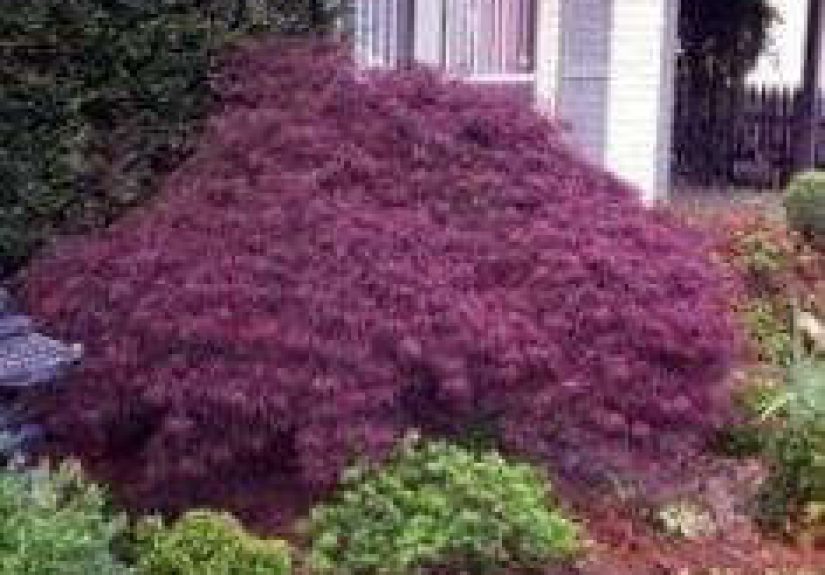
Crimson Queen is a laceleaf Japanese maple cultivar famous for its deeply dissected foliage and distinctly weeping form. The term “laceleaf” refers to the leaf shape: each leaf is finely cut into narrow lobes, creating a soft, feathery texture. The phrase “weeping Japanese maple” describes the way the branches arch downward, forming a cascading, fountain-like silhouette.
This is not the upright, vase-shaped maple you may picture from classic street-side landscaping. Crimson Queen grows more like a living sculpture. Over time, it forms a rounded mound with branches that drape elegantly toward the ground. In most home landscapes, it reaches roughly 6 to 10 feet tall and about 8 to 12 feet wide, though age, climate, pruning style, and site conditions can shift those numbers a bit. Translation: it is small enough for a modest yard but dramatic enough to act like the star of the entire production.
Its foliage is the real headliner. New leaves emerge in shades of crimson to red-purple in spring. In summer, the color often deepens or softens depending on light and heat, with many trees showing burgundy, bronze-red, or even a slight greenish cast in hotter climates. Fall is when Crimson Queen really shows off, often shifting into vivid scarlet or bright red tones that can stop a gardener in their tracks and make them forget why they walked outside in the first place.
Why Gardeners Love Crimson Queen
1. It Delivers Big Color in a Small Space
One of the biggest reasons Crimson Queen is so popular is simple: it gives you year-round visual interest without demanding the square footage of a giant tree. It works in courtyards, townhouse gardens, mixed shrub borders, woodland edges, and even large containers. If you have ever looked at your yard and thought, “I want elegance, but I do not have estate-garden space,” Crimson Queen is basically your answer.
2. The Texture Is Extraordinary
Many plants have nice color. Fewer have memorable texture. Crimson Queen has both. The finely cut leaves create a soft, airy appearance that contrasts beautifully with bolder plants such as hostas, hydrangeas, boxwoods, azaleas, and conifers. Even on a still day, it looks light and fluid, as though it might politely ripple for no reason other than being fabulous.
3. It Has a Graceful Weeping Form
Some ornamental trees are attractive mainly because of their flowers. Crimson Queen earns its keep through structure alone. Its pendulous branches create an architectural shape that looks beautiful even when the tree is bare in winter. That weeping, mounded habit makes it ideal as a specimen tree, especially where people can view it up close.
4. It Works in Many Garden Styles
This tree looks right at home in Japanese-inspired gardens, woodland plantings, cottage landscapes, and even modern designs that need a softer focal point. Put it near a stone path, beside a pond, or in a mulched island bed, and suddenly the whole space looks like someone hired a designer with suspiciously good taste.
Best Growing Conditions for Crimson Queen Japanese Maple
Light: Morning Sun, Afternoon Shade Is the Sweet Spot
Crimson Queen can handle more sun than some delicate maples, but that does not mean it wants to roast all day in a hot, exposed spot. In cooler climates, it often performs well in full sun to part sun. In warmer regions, especially where summers are intense, morning sun with afternoon shade is the safer, prettier choice. Too much hot sun can lead to leaf scorch, faded color, and crispy edges that make your expensive ornamental look like it had a rough week.
Soil: Well-Drained, Slightly Acidic, and Rich in Organic Matter
If Crimson Queen had a dating profile, “hates wet feet” would definitely be in the bio. This tree prefers moist but well-drained soil, ideally slightly acidic and rich in organic matter. Sandy loam or loamy soil with good drainage is ideal. Heavy, soggy soil can encourage root problems, while very alkaline soil may contribute to chlorosis and poor overall vigor.
Before planting, it helps to improve the soil with compost or leaf mold if your native soil is compacted or low in organic matter. If drainage is poor, consider planting slightly high or on a gentle mound rather than dropping the root ball into a moisture trap.
Water: Steady Moisture Without Swamp Conditions
Crimson Queen likes consistent moisture, especially while establishing. Newly planted trees need regular deep watering, and even established trees appreciate supplemental irrigation during dry weather. The goal is evenly moist soil, not mud. Think “cool sponge,” not “rice paddy.”
A 2- to 3-inch layer of mulch helps maintain soil moisture, regulate temperature, and reduce competition from weeds. Just keep mulch pulled back from the trunk. A mulch volcano may look committed, but it is not a love language.
Hardiness Zones
Crimson Queen is generally considered reliable in USDA Zones 5 through 8. In protected sites, some gardeners push it a bit farther, but zone 5 to 8 is the safest expectation for long-term performance. In colder areas, winter winds and freeze-thaw cycles can be rough on it. In very hot southern climates, summer stress and scorch become bigger concerns.
How to Plant Crimson Queen the Right Way
Planting technique matters, especially with ornamental trees that are meant to be long-lived focal points. Start by choosing a site with good drainage and enough room for the mature spread. Since Crimson Queen is often wider than it is tall, squeezing it into a narrow strip bed is a recipe for future regret.
Dig a hole about twice as wide as the root ball but no deeper than the root ball itself. Set the tree so the top of the root flare sits slightly above the surrounding soil line. Backfill with native soil, water deeply to settle it in, and mulch the root zone. Avoid over-fertilizing at planting time. This is a delicate ornamental, not a teenager at an all-you-can-eat buffet.
Staking is usually unnecessary unless the site is especially windy or the tree is top-heavy from nursery training. After planting, keep watering consistent during the first growing season. That first year is when Crimson Queen decides whether it likes you.
Pruning and Maintenance
One of the nicest things about Crimson Queen is that it usually does not need much pruning. Its natural shape is part of its charm, and over-pruning can ruin the graceful form that makes it special in the first place. In many cases, the best pruning strategy is simple: step away slowly.
That said, you can remove dead, damaged, crossing, or awkwardly placed branches to improve structure and airflow. Late fall through winter is a common window for shaping, while many experts recommend avoiding heavy spring pruning because maples can bleed sap. The goal is refinement, not reinvention. You are editing a poem, not rewriting the whole novel.
Maintenance is otherwise straightforward: mulch, water during drought, monitor for scorch or pests, and protect the tree from harsh exposure. Crimson Queen is not high maintenance, but it does appreciate gardeners who notice details.
Common Problems and How to Prevent Them
Leaf Scorch
This is probably the most common issue gardeners run into. Leaf scorch often shows up as brown, dry edges or tips, especially during hot, windy, or droughty weather. Prevention comes down to good siting, even moisture, mulching, and shelter from intense afternoon sun in hotter regions.
Verticillium Wilt
Like many maples, Crimson Queen can be vulnerable to verticillium wilt, a serious soil-borne disease. Symptoms may include wilting, branch dieback, and discoloration in the sapwood. Prevention is mostly about planting in healthy soil, avoiding stress, and not placing Japanese maples where susceptible plants have previously failed from wilt.
Pests
Aphids, scale, mites, and borers can occasionally show up, especially if the tree is stressed. Healthy trees are more resilient, so proper watering and siting are the first line of defense. If pests do appear, start with identification before reaching for a treatment. Random spraying is less “plant care” and more “horticultural panic.”
Late Frost Damage
Because Crimson Queen leafs out early, tender new growth can sometimes be nipped by late spring frosts. In most cases, the tree recovers, but repeated damage can reduce its ornamental value for the season. A sheltered planting site helps reduce the risk.
Landscape Ideas for Crimson Queen
This tree shines brightest when it has room to be appreciated. A few excellent uses include:
Specimen Tree Near an Entry or Patio
Plant it where people naturally pause, such as near a front walk, courtyard, or seating area. The close-up view lets the texture and color do their best work.
Accent in a Japanese or Woodland Garden
Crimson Queen pairs beautifully with mossy stones, ferns, azaleas, dwarf conifers, hakone grass, and woodland perennials. Its layered shape feels especially natural in serene, shaded spaces.
Container Feature
In a large, well-drained container, Crimson Queen can become a stunning patio plant. Container growing does require more attentive watering, but the payoff is huge. A good pot plus a good maple is essentially outdoor jewelry.
Water Feature Companion
The weeping form reflects beautifully near ponds or fountains. Since the tree loves moisture consistency but not soggy roots, place it nearby, not in constantly wet soil.
Crimson Queen vs. Other Laceleaf Japanese Maples
If you have been comparing cultivars, you have probably also run into names like Tamukeyama, Garnet, Red Dragon, and Waterfall. Crimson Queen stands out for its dependable weeping form, elegant fine-cut foliage, and notably good color retention through the growing season. It tends to create a softer, mounded silhouette than some alternatives and is widely regarded as one of the classic red laceleaf choices.
Tamukeyama is often a bit larger and darker. Garnet can have a somewhat stronger orange-red cast in certain seasons. Waterfall is green rather than red. Red Dragon is another compact red form but has its own nuances in habit and foliage tone. In practical terms, Crimson Queen remains a favorite because it balances manageable size, beautiful shape, and long-lasting ornamental value with very little need for fuss.
Real-World Experiences With Crimson Queen Laceleaf Weeping Japanese Maple
Ask gardeners about Crimson Queen, and a pattern appears quickly: people do not just like this tree, they get emotionally attached to it. It often becomes the plant visitors ask about first and the one homeowners mention when describing the entire garden. There is something about its shape that makes it feel less like a background shrub and more like a personality in the landscape.
One of the most common experiences is surprise at how sculptural it looks even when young. Gardeners who buy a small nursery plant sometimes expect it to “become interesting later,” but Crimson Queen usually starts performing almost immediately. Even a younger specimen has a naturally cascading habit that gives it presence. Over several years, the branching becomes more layered and refined, and owners often say the tree seems to improve in character every season.
Another frequent experience involves color shifts. New growers are often amazed in spring, when the foliage emerges in rich crimson tones. Then summer arrives, temperatures climb, and the color may soften to burgundy, bronze-red, or a red-green blend. At first this can worry people, but it is normal in many climates. Then fall comes along and the tree seems to apologize dramatically by turning brilliant scarlet. Gardeners learn that Crimson Queen is less about one static color and more about a whole seasonal performance.
Many people also discover that placement makes all the difference. A Crimson Queen planted in a protected spot with morning sun, light afternoon shade, and evenly moist soil often looks lush and refined. The same cultivar planted in blazing reflected heat next to a driveway may develop scorched leaf edges and look tired by midsummer. This leads to one of the most repeated gardener lessons: the tree is hardy, but it is not interested in proving a point in the hottest corner of the yard.
Container growers often report a similar mix of joy and responsibility. In a pot, Crimson Queen can look absolutely spectacular on a patio or near an entry. It creates a layered, elegant shape that feels curated and high-end. But the tradeoff is faster drying, especially in summer. Gardeners who succeed with it in containers usually become very consistent about watering and very picky about drainage. In other words, the tree rewards attentiveness and punishes neglect with crispy honesty.
There is also the experience of restraint, which is harder than it sounds. Because the branching is so artistic, owners often feel tempted to prune more than necessary. Seasoned gardeners usually end up learning the same lesson: with Crimson Queen, less is more. Remove a dead twig here, a crossing branch there, and let the plant keep its natural form. The tree generally knows what it is doing. Honestly, it probably has better instincts than most of us with pruners.
Perhaps the best shared experience is the sense that Crimson Queen matures gracefully. It does not explode in size, does not bully nearby plants, and does not outgrow its role in the garden overnight. Instead, it settles in, broadens, deepens in character, and becomes one of those plants that makes a landscape feel intentional. For many gardeners, that is exactly why it remains a favorite year after year.
Conclusion
The Crimson Queen laceleaf weeping Japanese maple earns its reputation the old-fashioned way: by being stunning in nearly every season. Its delicate foliage, pendulous branches, compact size, and rich color changes make it one of the best ornamental trees for gardeners who want a high-impact focal point without planting something enormous or unruly.
Give it well-drained soil, consistent moisture, shelter from harsh stress, and a smart planting location, and it will reward you with a graceful, mounded form that looks elegant for years. Whether you use it in a Japanese-inspired garden, a shaded patio bed, or a carefully chosen container, Crimson Queen brings refinement, texture, and serious curb appeal. It is the kind of tree that quietly upgrades everything around it. And yes, it may also cause a little plant envy. Consider yourself warned.





 Close
Close