
Table of Contents >> Show >> Hide
- 1. Layer the Lighting Instead of Relying on One Big Overhead Light
- 2. Choose Warm, Lived-In Colors Instead of Sterile Ones
- 3. Bring in More Wood and Other Natural Materials
- 4. Give the Kitchen a Place to Linger
- 5. Add Textiles to Soften All the Hard Surfaces
- 6. Break Large Kitchens Into Smaller, Friendlier Zones
- 7. Display Useful Objects in a Curated Way
- 8. Add Greenery, Herbs, and a Little Bit of Life
- 9. Treat the Walls and Ceiling Like Design Opportunities
- 10. Use Hardware and Metals Like Jewelry
- 11. Tell a Story With Personal, Collected Details
- Why Cozy Kitchens Work So Well
- What a Cozy Kitchen Feels Like in Real Life
- Conclusion
- SEO Tags
If your kitchen looks polished but somehow still feels like it was designed by a very efficient robot, you are not alone. A lot of kitchens are great at being functional and not-so-great at being warm. They have hard surfaces, bright task lighting, sleek finishes, and the emotional energy of a dentist’s waiting room with better snacks. The good news is that making a kitchen feel cozier does not require knocking down walls, replacing every cabinet, or pretending you are suddenly the kind of person who mills your own flour on weekends.
Designers keep coming back to the same truth: cozy kitchens are built through layers. Warm light, natural materials, softer textures, places to sit, and personal details all work together to make the room feel lived in rather than merely used. A cozy kitchen does not have to be rustic, farmhouse, or cottagecore unless that is your thing. It can be modern, classic, colorful, minimal, or somewhere in the happy middle. What matters is that the room feels welcoming enough to make people want to stay for one more cup of coffee, one more cookie, or one more conversation while somebody stirs pasta at the stove.
Here are 11 designer-approved ways to make your kitchen feel cozier, along with practical ideas you can actually use in a real home with real dishes, real budgets, and at least one drawer that contains approximately 47 mystery takeout sauce packets.
1. Layer the Lighting Instead of Relying on One Big Overhead Light
If you do only one thing to make your kitchen feel warmer, start with lighting. Harsh overhead lighting can make even a beautiful kitchen feel cold and clinical. Cozy kitchens usually have a mix of ambient, task, and accent lighting rather than one ceiling fixture doing all the emotional labor.
Easy lighting upgrades that make a big difference
Use under-cabinet lighting for prep areas, pendants over an island or table, and a small lamp on the counter or in a corner if you have space. Warm bulbs matter too. In general, a warmer bulb temperature around 2700K creates a softer glow than cooler LEDs. Add dimmers where you can, because “bright enough to find cumin” and “soft enough to linger with tea” are two very different moods.
A tiny lamp on a kitchen counter may sound unexpected, but that is exactly why it works. It makes the room feel less like a utility zone and more like part of the home.
2. Choose Warm, Lived-In Colors Instead of Sterile Ones
Color has a huge effect on whether a kitchen feels inviting. Crisp white can still be beautiful, but when a kitchen starts leaning too icy, gray, or blue-white, it can lose warmth fast. Designers often favor earthy neutrals and nature-inspired tones because they soften the room without making it feel dark.
Think creamy whites, mushroom, taupe, greige with warmth, muted clay, dusty blue, olive, or sage green. These shades feel relaxed and grounded. If repainting cabinetry is too big a project, bring color in through stools, art, textiles, a painted island, or even a warm-toned backsplash.
The goal is not to make your kitchen look trendy for six months. It is to make it feel like a room people want to be in all year long.
3. Bring in More Wood and Other Natural Materials
Natural materials are the secret sauce of cozy kitchen design. Wood, stone, rattan, linen, terracotta, and handmade ceramics all add texture and warmth in a room that is otherwise dominated by metal, glass, and smooth surfaces.
You do not need full wood cabinetry to make this work, though if you have oak, walnut, pine, or stained wood cabinets, you are already halfway there. You can also introduce warmth through a butcher-block accent, wood bar stools, cutting boards on display, floating shelves, woven shades, or a vintage wooden table. The beauty of wood is that it instantly softens a space while still feeling practical and timeless.
Even in a modern kitchen, one or two wood elements can keep the room from looking too polished to exhale.
4. Give the Kitchen a Place to Linger
A cozy kitchen is not just a place to cook. It is a place to hover, chat, snack, read a recipe, or pretend to help while actually stealing shredded cheese. That means seating matters more than people think.
If you have room, a breakfast nook, banquette, or compact dining table instantly shifts the kitchen from work zone to gathering space. Upholstered cushions, chair pads, or a bench with pillows make it feel even softer. If your kitchen is small, even two comfortable stools at an island or peninsula can create that same emotional effect.
Small kitchens can linger too
You do not need a sprawling eat-in kitchen to make this work. A narrow bistro table, a tucked-in bench, or one cozy corner chair can turn an efficient kitchen into a welcoming one. Designers love built-in banquettes for exactly this reason: they create a sense of intimacy, especially in open or oversized kitchens that otherwise feel too expansive.
5. Add Textiles to Soften All the Hard Surfaces
Kitchens are full of hard finishes by design. Tile, stone, metal, glass, and painted cabinetry all do important jobs, but together they can feel a little stern. Textiles bring balance.
A runner rug in front of the sink or along a galley layout instantly adds warmth underfoot and visually softens the floor. Tea towels, upholstered stools, seat cushions, cafe curtains, Roman shades, or patterned window treatments can do the same thing. These pieces help absorb sound, reduce visual harshness, and make the room feel layered rather than flat.
Choose materials that can handle actual kitchen life. Washable rugs, durable fabrics, and easy-clean window treatments are your friends. Cozy should not mean fragile. Your kitchen is still a kitchen, not a museum exhibit titled One Crumb Too Many.
6. Break Large Kitchens Into Smaller, Friendlier Zones
Bigger is not always cozier. In fact, large kitchens are often the most likely to feel cold because everything is spread out and there is too much visual emptiness. One designer trick is to break the room into distinct zones so it feels more intimate.
You might create a coffee station, a breakfast nook, a baking corner, or a sitting area near a window. In open layouts, zoning can also happen through lighting, rugs, furniture placement, or a change in material. An island helps anchor the center, but you can go further by styling one corner as a place to land instead of just leaving it blank.
When a large kitchen has clear zones, it feels more human. Instead of one cavernous space, it becomes a collection of warm little moments.
7. Display Useful Objects in a Curated Way
Cozy kitchens rarely feel empty, but they also do not look chaotic. The sweet spot is visual warmth without countertop confusion. That is where curated display comes in.
Display with restraint, not randomness
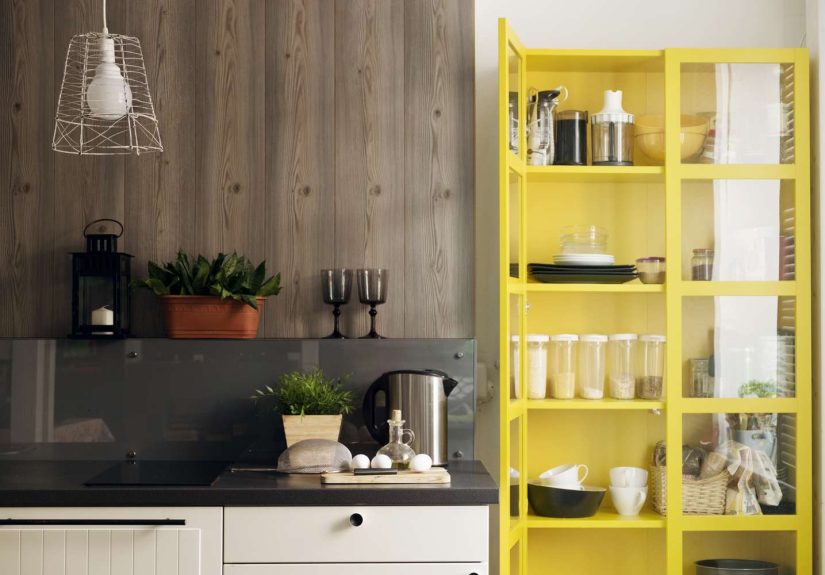
Open shelving, a peg rail, a decorative rod for mugs or pans, or a few styled countertop groupings can add character and function at the same time. Display favorite bowls, a stack of everyday plates, pretty glassware, wood cutting boards, cookbooks, or a ceramic crock of utensils. Group similar objects together so the display feels intentional rather than accidental.
A kitchen becomes cozier when the objects in it suggest real life: cooking, baking, hosting, morning coffee, late-night toast. Just do not put every adorable object you own on every surface. Cozy should whisper, not scream.
8. Add Greenery, Herbs, and a Little Bit of Life
Plants make almost every room feel better, and the kitchen is no exception. A pot of basil by the window, a trailing plant on a shelf, a vase of flowers on the table, or even a bowl of lemons can make the space feel fresher and friendlier.
Herbs are especially effective because they are useful and beautiful. They add color, texture, and a casual lived-in quality. Terracotta pots, vintage planters, or simple ceramic containers also bring in more natural texture. If your kitchen does not get enough light for herbs, faux stems are better than nothing, and a bowl of produce still adds warmth.
This is one of the easiest ways to take a kitchen from “nice” to “someone clearly loves being here.”
9. Treat the Walls and Ceiling Like Design Opportunities
A lot of kitchens focus so much on cabinets and counters that the walls and ceiling get ignored. That is a missed opportunity. Designers often use art, wallpaper, painted ceilings, decorative plates, or wall-mounted collections to make kitchens feel more layered and personal.
Framed artwork can be especially effective because it introduces an “un-kitcheny” element that makes the room feel more like the rest of the house. If you want something bolder, a wallpapered breakfast nook or painted ceiling can create a cocooning effect. Even one wall with character can change the mood of the whole room.
The ceiling is sometimes called the fifth wall for a reason. A warm paint color overhead can make a kitchen feel wrapped up instead of washed out.
10. Use Hardware and Metals Like Jewelry
Hardware may be small, but it has a surprising impact on warmth. Warm metals like aged brass, antique bronze, copper, or softer mixed-metal combinations tend to feel richer and more welcoming than overly cold finishes.
This does not mean every knob, pull, faucet, and light fixture has to match exactly. In fact, many designers now prefer mixed metals because they feel more layered and less rigid. The trick is to keep the palette intentional. For example, pair stainless appliances with brass cabinet pulls and a darker metal light fixture, or use brushed finishes for a softer look.
Think of hardware as the finishing touch that helps the kitchen feel dressed, not just assembled.
11. Tell a Story With Personal, Collected Details
The coziest kitchens do not feel like they were purchased in one click. They feel collected over time. That might mean vintage stoneware from a flea market, your grandmother’s bread board, cookbooks you actually use, a framed recipe card, or secondhand art that makes you smile every time you pass it.
This is where personality does the heavy lifting. A cozy kitchen should feel like your kitchen, not a showroom trying very hard to impress strangers. Personal details bring soul into the space, and soul is hard to fake with brand-new matching accessories.
If you are not sure where to start, choose three things with meaning and display them well. That is often more powerful than buying 30 decorative objects that have all the emotional depth of a hotel fruit bowl.
Why Cozy Kitchens Work So Well
There is a reason people always end up in the kitchen at parties. It is already the center of action, so when it is designed to feel warm, it naturally becomes the emotional center of the home too. Cozy kitchens slow people down. They invite conversation, make routine tasks feel nicer, and turn everyday habits into little rituals.
That is why the best cozy kitchen ideas are not just decorative. They improve the experience of the room. Better lighting makes evenings softer. A runner makes dish duty less annoying. A breakfast nook encourages lingering. Herbs make cooking feel more tactile. Art and vintage pieces make the room feel like it belongs to actual humans and not just to appliances.
In other words, coziness is not fluff. It is function with feelings.
What a Cozy Kitchen Feels Like in Real Life
Morning to evening, the room works a little differently
Imagine walking into your kitchen early in the morning before the rest of the house is fully awake. Instead of flipping on one blinding overhead light that makes you squint like a raccoon caught in a flashlight beam, a small lamp is already glowing near the coffee station. The under-cabinet lights give you just enough brightness to make breakfast without making the room feel wide awake before you are. A runner underfoot softens the cold floor, and the window treatment filters in daylight instead of blasting the whole room with it. Right away, the kitchen feels gentler.
Later in the day, the same room becomes a place to pause. Someone sits on the stool by the island scrolling through a grocery list. Someone else leans against the counter talking while dinner gets started. The bowl of citrus on the table, the stack of worn cookbooks, and the cutting boards propped against the backsplash are not expensive flourishes, but they make the room feel inhabited. The space says, “People live here,” which is exactly what cozy design is supposed to do.
In the afternoon, the natural materials start to matter even more. Light catches the wood grain on the stools, the brass hardware warms up, and the terracotta herb pots by the sink make the room feel less static. There is texture everywhere, but it is subtle. Nothing is shouting for attention. The coziness comes from the layering: soft light, warm colors, useful objects, and a few details that feel personal rather than staged.
By evening, the mood changes again. Dinner is done, the big ceiling light stays off, and the pendants plus lamp do all the work. The kitchen suddenly feels like a room where you could sit with tea and a slice of cake and talk for an hour longer than planned. That is the real magic of cozy design. It changes behavior. People stop rushing in and out. They settle. They stay. They lean on the counter and tell you something unexpectedly honest while the dishwasher hums in the background.
Even cleanup feels slightly less tragic in a kitchen like this. Not because dishes have become fun, obviously, but because the room itself has become pleasant company. A cozy kitchen does not need to be perfect. In fact, perfection usually makes a room feel less approachable. The best ones have a little softness, a little patina, and a little evidence of daily life. A folded tea towel, a chair pulled out at an angle, a cookbook left open, basil growing a bit wildly by the window. Those details make the room feel real.
That is why designer-approved cozy kitchens are so appealing. They are beautiful, yes, but they are also deeply usable. They support routines, conversations, and tiny moments of comfort. And really, that is what most people want from the heart of the home: a kitchen that works hard without feeling hard.
Conclusion
If your kitchen feels cold, the fix is usually not one giant renovation. It is a series of thoughtful changes that add warmth, texture, light, and personality. Layer the lighting. Bring in wood. Soften the room with textiles. Add a place to sit. Display the things you love and actually use. Let color, greenery, and collected details do their thing. When those pieces come together, the kitchen stops feeling like a workspace with cabinets and starts feeling like the room everyone naturally drifts toward.
And that is the whole point. A cozy kitchen is not about chasing a trend. It is about making everyday life feel a little better, whether you are making pancakes, reheating leftovers, or standing around with friends pretending to help while someone else does all the chopping.







 Close
Close