
Table of Contents >> Show >> Hide
- What Is a Cricothyrotomy?
- What Is a Tracheostomy?
- Cricothyrotomy vs. Tracheostomy: The Main Differences
- Risks of Cricothyrotomy
- Risks of Tracheostomy
- Which Procedure Is Safer?
- Recovery After Cricothyrotomy
- Recovery After Tracheostomy
- Warning Signs That Need Medical Help
- Patient and Caregiver Experience: What This Topic Feels Like in Real Life
- Conclusion
When breathing becomes impossible, medicine has a way of getting very direct. If air cannot move through the mouth or nose into the lungs, clinicians may need to create another route. Two procedures that often appear in this conversation are cricothyrotomy and tracheostomy. They sound like cousins who went to the same medical school, and in a way, they are: both create an opening in the neck to help a person breathe. But they are not interchangeable.
The simplest way to remember the difference is this: cricothyrotomy is usually an emergency rescue airway, while tracheostomy is usually a more planned airway for longer-term breathing support. One is the “we need oxygen now” option. The other is the “this person may need help breathing for days, weeks, months, or longer” option.
Both procedures can save lives. Both also carry risks. Understanding how they differ can help patients, caregivers, and curious readers make sense of what happens when the normal airway is blocked, damaged, or no longer enough.
What Is a Cricothyrotomy?
A cricothyrotomy is an emergency procedure that creates an opening through the cricothyroid membrane, a small soft area in the front of the neck between the thyroid cartilage and cricoid cartilage. In everyday language, that means the clinician goes through a spot just below the Adam’s apple to quickly reach the airway.
This procedure is typically used when a person cannot be intubated and cannot be ventilated. In emergency medicine, that situation is often described as “can’t intubate, can’t oxygenate.” Translation: the usual tools are not working, oxygen levels are dropping, and time is behaving like a villain in a movie.
When cricothyrotomy may be needed
A cricothyrotomy may be considered in severe emergencies such as:
- Major facial trauma that blocks access to the mouth or nose
- Severe swelling of the airway, such as from an allergic reaction or angioedema
- Burn injuries affecting the face, throat, or upper airway
- Massive bleeding or obstruction in the upper airway
- Failed intubation when oxygen cannot be delivered another way
The key feature of cricothyrotomy is speed. It is designed to establish an airway quickly in a life-threatening situation. It is generally not intended as a permanent breathing solution.
What Is a Tracheostomy?
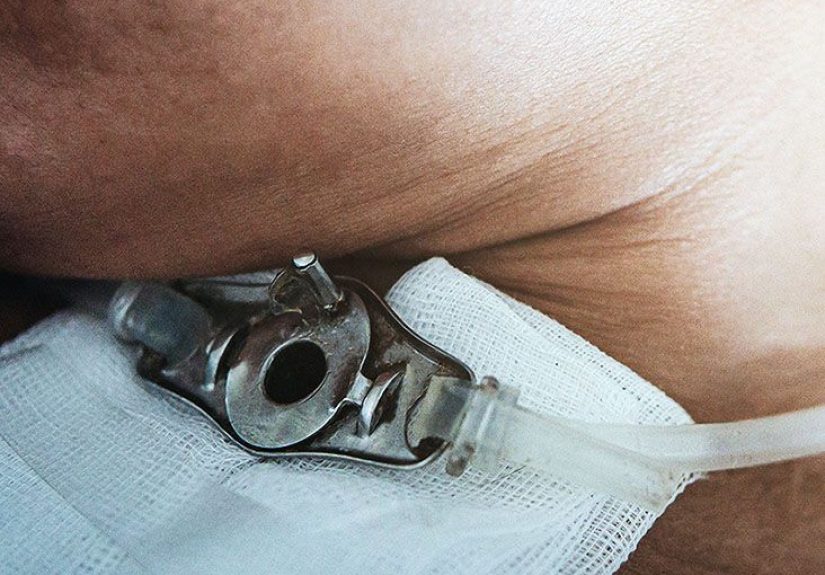
A tracheostomy is a procedure that creates an opening, called a stoma, directly into the trachea, or windpipe. A tracheostomy tube is placed through that opening to allow air to enter the lungs. The procedure itself may also be called a tracheotomy, although many people use the terms tracheostomy and tracheotomy interchangeably.
Unlike cricothyrotomy, tracheostomy is often performed in a controlled setting, such as an operating room or intensive care unit. It may be planned ahead of time, especially when doctors know a person will need long-term ventilation or airway support.
When tracheostomy may be needed
A tracheostomy may be recommended for reasons such as:
- Long-term use of a ventilator
- Upper airway obstruction from tumors, swelling, injury, or structural problems
- Neurologic conditions that weaken breathing or swallowing muscles
- Severe neck, throat, or airway injuries
- Difficulty clearing mucus and secretions from the airway
- Recovery after certain head, neck, or airway surgeries
A tracheostomy can be temporary or permanent. Some people have the tube removed once they recover. Others need ongoing airway support for a long time.
Cricothyrotomy vs. Tracheostomy: The Main Differences
Although both procedures create a neck airway, they differ in purpose, location, timing, complexity, and expected duration.
1. Location of the airway opening
A cricothyrotomy is performed through the cricothyroid membrane, which is higher in the neck. A tracheostomy is performed lower, directly into the trachea. This difference matters because the anatomy, nearby structures, and long-term risks are not the same.
2. Emergency vs. planned procedure
Cricothyrotomy is usually performed in an emergency when there is no time for a more complex airway procedure. Tracheostomy is usually planned or semi-planned, although emergency tracheostomies can occur in certain situations.
Think of cricothyrotomy as breaking the glass in case of emergency. Tracheostomy is more like calling the contractor, checking the plans, and installing a proper doorway.
3. Duration of use
Cricothyrotomy is generally a temporary airway. Once the patient is stable, clinicians may convert it to a tracheostomy or another more suitable airway. Tracheostomy is better suited for longer-term airway management and mechanical ventilation.
4. Procedure complexity
Cricothyrotomy is often faster and technically simpler in emergencies, especially for trained clinicians. Tracheostomy is more complex because it involves deeper dissection and careful placement through the tracheal rings. It also requires attention to nearby blood vessels, the thyroid gland, and other neck structures.
5. Who performs it?
Cricothyrotomy may be performed by emergency physicians, trauma surgeons, anesthesiologists, or other trained emergency clinicians. Tracheostomy is commonly performed by surgeons, such as otolaryngologists, general surgeons, thoracic surgeons, or critical care specialists trained in the procedure.
Risks of Cricothyrotomy
Cricothyrotomy can be life-saving, but it is not risk-free. Because it is often performed under pressure, complications may occur even when the clinician does everything correctly.
Immediate risks
- Bleeding: Blood vessels in the neck can be injured during the procedure.
- Incorrect tube placement: The tube may enter the wrong tissue plane instead of the airway.
- Failure to establish an airway: In some emergencies, anatomy, swelling, blood, or trauma can make placement difficult.
- Damage to nearby structures: Cartilage, vocal structures, or the trachea may be injured.
- Air leakage: Air may escape into surrounding tissues, causing swelling under the skin.
- Pneumothorax: Air may collect around the lung, causing partial or complete lung collapse.
Later risks
- Infection: Any opening through the skin can become infected.
- Scarring: The incision site may leave visible or internal scar tissue.
- Voice changes: Because the procedure is close to the larynx, some people may experience hoarseness or voice problems.
- Airway narrowing: Scar tissue may narrow the airway, although this is less common than once feared.
Despite these risks, cricothyrotomy is often chosen because the alternative may be worse: severe oxygen deprivation, brain injury, cardiac arrest, or death.
Risks of Tracheostomy
Tracheostomy is generally performed under more controlled conditions, but it has its own set of possible complications. Some are related to the procedure itself, while others come from living with and caring for a tracheostomy tube.
Early risks
- Bleeding: Mild bleeding can happen, but severe bleeding may be dangerous.
- Infection: The stoma and surrounding skin require careful cleaning.
- Tube misplacement: A tube placed incorrectly may not ventilate the lungs properly.
- Pneumothorax: Air may collect around the lung, especially during or soon after placement.
- Damage to nearby structures: The thyroid gland, blood vessels, nerves, esophagus, or tracheal wall may be affected.
Long-term risks
- Tracheal stenosis: Scar tissue may narrow the windpipe.
- Tracheomalacia: The tracheal wall may become weakened or floppy.
- Tracheoesophageal fistula: An abnormal connection may form between the trachea and esophagus.
- Tracheoinnominate fistula: A rare but life-threatening connection may form between the trachea and a major blood vessel.
- Accidental decannulation: The tube may come out unexpectedly.
- Mucus plugging: Thick secretions may block the tube and make breathing difficult.
- Swallowing and speech challenges: Some people need therapy or special equipment to speak and swallow safely.
Good tracheostomy care reduces many risks. That includes regular suctioning when needed, humidification, cleaning around the stoma, proper tube changes, emergency supplies nearby, and clear caregiver training. A tracheostomy is not a “set it and forget it” situation. It is more like owning a tiny airway apartment that needs regular maintenance.
Which Procedure Is Safer?
There is no one-size-fits-all answer because safety depends on the situation. In a sudden airway emergency, cricothyrotomy may be safer because it is faster and easier to perform than an emergency tracheostomy. In a patient who needs long-term breathing support, tracheostomy is usually safer and more practical than leaving an emergency airway in place.
The real question is not “Which procedure is better?” but “Which procedure fits the moment?”
- Emergency airway crisis: Cricothyrotomy is often preferred.
- Long-term ventilator support: Tracheostomy is usually preferred.
- Upper airway blockage needing durable access: Tracheostomy may be recommended.
- Failed intubation with falling oxygen levels: Cricothyrotomy may be the life-saving bridge.
Recovery After Cricothyrotomy
Recovery after cricothyrotomy depends on why the procedure was needed, how long it stayed in place, and whether complications occurred. Because cricothyrotomy is typically temporary, doctors may later replace it with a tracheostomy or remove it once the airway is stable.
Patients may be monitored for bleeding, infection, voice changes, airway swelling, and breathing difficulty. If the opening is closed, the wound usually heals over time, though scarring may remain. Follow-up care may include airway evaluation, speech assessment, or imaging if symptoms suggest narrowing or injury.
Recovery After Tracheostomy
Recovery after tracheostomy can be more involved because the tube may remain in place for a longer period. Patients and caregivers often learn how to clean the stoma, suction mucus, change dressings, recognize warning signs, and respond if the tube becomes blocked or dislodged.
Some people use speaking valves to help restore speech. Others may need swallowing therapy, respiratory therapy, or home nursing support. If the tracheostomy is temporary, doctors may eventually perform a process called decannulation, which means removing the tube once the person can breathe safely without it.
Warning Signs That Need Medical Help
Anyone with a tracheostomy or recent surgical airway should seek medical help if concerning symptoms appear. These may include:
- Difficulty breathing
- Blue or gray lips, face, or fingernails
- Heavy bleeding
- Increasing swelling, redness, pain, or drainage
- Fever or chills
- Tube blockage that cannot be cleared
- Tube dislodgement or accidental removal
- New chest pain or worsening shortness of breath
For a person with a tracheostomy, tube blockage or accidental removal can become an emergency quickly. Caregivers should know the emergency plan before a crisis happens. This is not the ideal moment to start Googling “what does this plastic neck tube do?”
Patient and Caregiver Experience: What This Topic Feels Like in Real Life
Medical articles often describe cricothyrotomy and tracheostomy in neat sections, as if the airway politely schedules its emergencies between lunch and afternoon rounds. Real life is messier. For patients and families, these procedures can feel frightening, confusing, and deeply emotional.
A cricothyrotomy often happens so fast that the patient may have little or no memory of it. Families may only hear afterward that an emergency airway was needed. That can be shocking. One moment, everyone is hoping a breathing tube will work; the next, a clinician explains that a surgical airway was necessary to keep oxygen flowing. The word “surgical” can sound terrifying, but in this context, it may mean the team acted quickly to prevent something far worse.
Tracheostomy creates a different kind of experience. It may come after days in the ICU, when doctors explain that a breathing tube through the mouth is no longer the best option. Families may worry that a tracheostomy means the patient is getting worse. In many cases, however, it can be part of progress. A tracheostomy may make ventilator support more comfortable, reduce irritation from a mouth tube, allow better oral care, and sometimes help patients become more awake and interactive.
The emotional adjustment can still be significant. Seeing a tube in the neck is not exactly anyone’s idea of a relaxing Tuesday. Patients may feel self-conscious, frustrated, or scared. Speaking may be difficult at first. Eating and swallowing may require evaluation. Even simple things like showering, sleeping, coughing, or going outside can feel complicated until the care routine becomes familiar.
Caregivers also carry a heavy load. They may learn suctioning, stoma cleaning, tube safety, humidification, and emergency steps. At first, the equipment can look like a small medical supply store moved into the living room. Over time, many caregivers become impressively skilled. They learn the sound of normal breathing, the difference between a little mucus and a serious plug, and where every backup tube, suction catheter, and dressing is stored.
One practical lesson stands out: training matters. A tracheostomy is safest when everyone involved understands the basics. Patients and caregivers should know who to call, when to seek urgent care, how to manage mucus, how to keep the site clean, and what to do if the tube comes out. Written instructions, demonstrations, and repeated practice can make a major difference.
Another real-world lesson is that communication deserves attention. A person with a tracheostomy may need a writing board, phone app, gestures, speaking valve, or speech therapy support. Being unable to speak clearly can be emotionally draining. Healthcare teams should not treat communication as a luxury feature, like heated seats in a car. It is part of dignity, safety, and recovery.
Finally, it helps to remember that these procedures are tools, not identities. A person with a tracheostomy is still a person with preferences, humor, routines, fears, and goals. The tube may be part of the story, but it is not the whole plot. With careful medical follow-up, good hygiene, emergency planning, and emotional support, many people adapt far better than they expected.
Conclusion
Cricothyrotomy and tracheostomy both create an airway through the neck, but they serve different purposes. A cricothyrotomy is typically an emergency procedure used when oxygen cannot be delivered through standard methods. It is fast, temporary, and often performed under intense pressure. A tracheostomy is usually a more controlled procedure designed for longer-term breathing support, airway protection, or secretion management.
The risks also differ. Cricothyrotomy carries emergency-related risks such as bleeding, incorrect placement, airway injury, and later voice or airway problems. Tracheostomy carries procedural and long-term risks, including infection, mucus plugging, accidental decannulation, tracheal narrowing, and rare but serious bleeding complications. The safest choice depends on the clinical situation, the patient’s anatomy, and how urgently oxygen is needed.
For patients and families, the most important takeaway is simple: these procedures are serious, but they can be life-saving. Good medical care, careful monitoring, clear caregiver education, and timely follow-up can reduce complications and improve recovery.
Note: This article is for educational purposes only and does not replace professional medical advice, diagnosis, emergency care, or treatment. Cricothyrotomy and tracheostomy should only be performed or managed by trained healthcare professionals.







 Close
Close