
Table of Contents >> Show >> Hide
- What Is a CPM Machine?
- What Surgeries Commonly Use a CPM Machine?
- Why Would a Surgeon Prescribe a CPM Machine?
- Benefits of a CPM Machine After Surgery
- What the Evidence Really Says
- CPM Machine vs. Physical Therapy
- How Long Do Patients Use a CPM Machine?
- How Much Does a CPM Machine Cost?
- Precautions and Safety Tips Following Surgery
- Who May Need Extra Caution?
- Questions to Ask Before You Use a CPM Machine
- Bottom Line
- Real-World Recovery Experiences With a CPM Machine
- SEO Tags
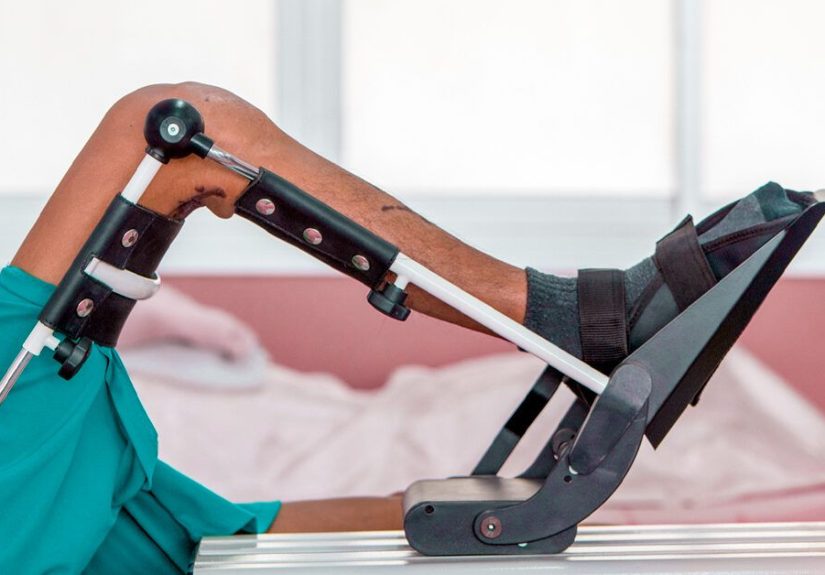
After surgery, your joint can feel like it has suddenly developed a strong opinion about not moving. That is where a CPM machine enters the picture. Short for continuous passive motion, a CPM machine gently moves a joint through a set range of motion without requiring you to do the work yourself. It looks a bit like a robotic lounge chair for your leg, and yes, it can seem intimidating at first. But in the right setting, it may play a useful role in early recovery.
That said, a CPM machine is not magic, not a shortcut, and definitely not a replacement for physical therapy. In fact, the science around CPM use after surgery is more nuanced than many people expect. For some patients, it can help with early motion, comfort, and confidence. For others, especially after a straightforward total knee replacement, the long-term advantages appear limited when compared with standard rehab alone.
This guide breaks down what a CPM machine is, when surgeons may use it, what benefits are realistic, how much it can cost, and what precautions matter most after surgery. If you want the practical version, here it is: CPM can be helpful in selected cases, but it works best as one tool in a bigger recovery plan, not the whole toolbox.
What Is a CPM Machine?
A CPM machine is a motorized device designed to move a joint slowly and repeatedly through a controlled arc. The most common version is for the knee, though CPM devices also exist for the shoulder, elbow, wrist, hand, hip, and ankle.
After surgery, your provider may place your leg or arm into the machine and program the device to bend and straighten the joint within a specific range. The settings can usually be adjusted for speed, angle, and duration. The goal is simple: keep the joint moving gently while healing tissues are still fresh and stiffness is trying to stage a comeback.
How It Works
The key word is passive. The machine moves the joint for you. Your muscles are not doing the lifting, bending, or extending. That makes CPM different from active exercises, where you do the movement yourself. Passive motion may be easier to tolerate in the first days after surgery, especially when pain, swelling, or weakness make movement difficult.
What Surgeries Commonly Use a CPM Machine?
Although many people associate CPM with knee replacement recovery, that is not the only time it may be used. Depending on the surgeon, the procedure, and your risk of stiffness, CPM may be recommended after:
- Total knee replacement or revision knee replacement
- ACL reconstruction
- Cartilage repair procedures, including microfracture or cartilage restoration
- Patellar realignment or kneecap stabilization surgery
- Surgery for scar tissue or arthrofibrosis
- Some hip, shoulder, elbow, hand, or wrist procedures
In real-world practice, CPM tends to be used more selectively today than in the past. Some orthopedic teams still prescribe it routinely for certain procedures, while others reserve it for patients who are at higher risk for postoperative stiffness or who cannot participate fully in early active motion.
Why Would a Surgeon Prescribe a CPM Machine?
After surgery, joints often become stiff because of swelling, pain, inflammation, tissue trauma, and the body’s completely understandable but inconvenient desire to protect the area. When people avoid moving a healing joint, scar tissue can build up and range of motion may become harder to regain.
A surgeon may prescribe a CPM machine to:
- Encourage early joint motion
- Help prevent or reduce stiffness
- Support range-of-motion goals after specific procedures
- Make gentle motion possible when active exercise is too painful at first
- Provide structured movement at home between therapy sessions
That sounds great on paper, and sometimes it is helpful in practice. But there is an important caveat: a theoretical benefit does not always turn into a meaningful long-term outcome.
Benefits of a CPM Machine After Surgery
1. Gentle Early Motion
The biggest advantage of CPM is that it gets the joint moving early without asking weakened muscles to do all the work. That can be especially useful in the immediate postoperative period, when swelling and soreness are at their peak.
2. May Help With Short-Term Stiffness
Some patients report that the joint feels less tight after using the machine. In cases where stiffness is a real concern, that early movement may help maintain mobility while the patient is still ramping up therapy.
3. Structured Recovery Routine
Recovery is messy. A CPM machine introduces some routine. For patients who like clear instructions and measurable progress, a prescribed CPM schedule can make rehab feel more organized and less like a daily guessing game.
4. Useful in Selected High-Risk Cases
CPM may be more useful after certain cartilage procedures, reconstructive surgeries, revision operations, or in patients with severe postoperative pain, marked swelling, or trouble participating in exercise. In those situations, passive motion may be a bridge until active rehab becomes easier.
5. Psychological Comfort
This benefit is rarely the headline, but it matters. Some patients feel reassured when they can see the joint moving safely. That confidence can reduce fear and make them more willing to engage in the rest of rehab.
What the Evidence Really Says
Here is where things get interesting. If you read older materials, you might think CPM is a standard must-have after knee replacement. More recent evidence tells a different story.
For uncomplicated total knee replacement, several orthopedic recommendations and reviews have found that routine CPM use does not consistently improve long-term function, pain, or range of motion compared with standard physical therapy alone. In other words, it may help some people feel looser early on, but it does not reliably change the final destination.
That does not make CPM useless. It just means it should be prescribed thoughtfully. In selected cases, especially when the risk of stiffness is higher or motion is limited for a specific reason, a surgeon may still feel it is worth using. Think of it less like a universal rule and more like a custom setting in a recovery plan.
The smartest question is not, “Is CPM good or bad?” It is, “Is CPM appropriate for this surgery, this patient, and this moment in recovery?”
CPM Machine vs. Physical Therapy
Let’s settle the most common misunderstanding: a CPM machine is not a replacement for physical therapy.
Physical therapy helps you rebuild strength, balance, gait, coordination, function, and confidence. It teaches you how to use the joint again in real life, which is the whole point. A CPM machine only moves the joint passively. It cannot teach your muscles to fire properly, correct your walking pattern, or help you safely climb stairs without turning the staircase into a suspense film.
The best way to think about the difference is this:
- CPM machine: helps the joint move
- Physical therapy: helps you move
When CPM is prescribed, it should usually support therapy, not replace it.
How Long Do Patients Use a CPM Machine?
Usage varies widely based on the surgery and the surgeon’s protocol. Some patients start within a day or two after surgery. Some use it only in the hospital. Others continue at home for days or a few weeks.
Typical instructions may include several hours a day, often broken into sessions, with the bend angle gradually increased as tolerated. For qualifying home use after knee replacement, insurance policies commonly focus on short-term use rather than open-ended treatment.
The main point is this: follow the exact settings and schedule your surgeon or therapist gives you. This is not the kind of device you freestyle because a neighbor’s cousin said, “I cranked mine up and felt fine.” Your healing tissues deserve better role models.
How Much Does a CPM Machine Cost?
CPM machine cost depends on whether you rent or buy, what joint the device is for, and whether insurance helps cover it.
Typical Cost Range in the U.S.
- Weekly rental: often around $100 to $300
- Monthly rental: roughly $199 to $900 in advertised cash pricing, depending on provider and service area
- Purchase price: often around $2,000 to $4,000 for a knee CPM unit, sometimes more depending on model
- Possible extra fees: delivery, setup, deposits, cleaning, or replacement accessories
Those numbers are broad estimates, not universal rules. Local durable medical equipment companies can price the same idea very differently, and hospital-arranged rentals may not match what you see in online listings.
Will Insurance Cover It?
Insurance coverage varies, but many plans place limits on when CPM is considered medically necessary. Medicare, for example, covers knee CPM in specific circumstances after qualifying knee replacement surgery for a limited home-use period. Private insurers may follow similar rules and often require that CPM start soon after surgery.
Before surgery, ask these three practical questions:
- Is the machine medically necessary for my procedure?
- Will my insurance cover rental, delivery, and setup?
- How long will I need it, and what happens if recovery takes longer?
Precautions and Safety Tips Following Surgery
This is the section people tend to skim until the machine arrives and suddenly looks like a small folding robot. Do not skip it.
1. Use Only the Settings Your Care Team Prescribes
Do not increase the angle, speed, or duration just because you are feeling ambitious. More motion is not always better, especially if tissues are still healing.
2. Stop If Pain Sharpens Instead of Eases
Mild discomfort may happen. Sharp pain, catching, pinching, or rising swelling is a different story. If movement causes significant pain or irritation, stop and contact your surgeon or therapist.
3. Position the Limb Correctly
Improper alignment can cause discomfort and may put unnecessary stress on the joint. Make sure the machine is fitted correctly and that you know how to place your leg or arm before using it at home.
4. Protect the Skin
Check for pressure points, rubbing, redness, or skin breakdown, especially if you are using the machine for long sessions. This matters even more if you have fragile skin, numbness, or swelling.
5. Keep the Controls Within Reach
You should be able to stop the device easily. If you cannot reach the controller or emergency stop, that setup needs fixing before the next session.
6. Do Not Let CPM Replace Walking and Rehab
If your surgeon wants you walking, doing ankle pumps, or completing exercises, keep doing them. CPM is passive motion, not full rehabilitation.
7. Watch for Concerning Symptoms
Call your medical team if you notice severe swelling, worsening pain, calf pain, drainage from the wound, fever, numbness that is getting worse, or signs of infection. The machine should never distract from bigger postoperative warning signs.
8. Be Extra Careful If You Are Groggy
Patients should understand how to use the machine. If you are heavily sedated, confused, or unable to adjust the device safely, you need assistance.
Who May Need Extra Caution?
CPM use may require closer supervision in patients who have:
- Poor wound healing or fragile skin
- Significant swelling
- Nerve problems or reduced sensation
- Severe pain with motion
- Complex revision surgery
- Difficulty understanding or managing the device at home
If any of these apply, the machine may still be used, but it should be done carefully and under clear medical guidance.
Questions to Ask Before You Use a CPM Machine
- Why do you want me to use CPM for my surgery?
- What range of motion should I start with?
- How many hours a day should I use it?
- When should I increase the bend angle?
- What symptoms mean I should stop?
- How does CPM fit with my physical therapy plan?
- How long should I continue using it at home?
Bottom Line
A CPM machine can be a useful recovery aid after surgery, especially when your surgeon is trying to protect early motion, reduce stiffness risk, or support recovery after a procedure where passive motion has a clear role. But the device is not a universal necessity, and for many patients after uncomplicated knee replacement, the long-term benefit appears limited when compared with standard rehab.
The best recovery plan is rarely the flashiest one. It is the one matched to your procedure, your body, your risks, and your ability to participate in rehab. If your surgeon prescribes CPM, use it exactly as directed. If they do not, that does not mean you are missing out on a secret recovery upgrade. It may simply mean your team is focusing on the forms of rehab with the strongest payoff for your situation.
In other words, whether your recovery includes a CPM machine or not, the real stars are still the same: safe movement, consistent therapy, swelling control, pain management, and patience. Annoyingly, patience remains nonnegotiable.
Real-World Recovery Experiences With a CPM Machine
Note: The experiences below are composite examples based on common recovery themes patients report after orthopedic surgery. They are included for educational storytelling and should not replace medical advice.
One of the most common patient experiences with a CPM machine is surprise at how slow it feels. People often expect something dramatic, but the machine usually moves with the energy of a cautious turtle crossing a yoga mat. That can actually be reassuring. Patients recovering from knee surgery frequently say the first few sessions feel strange rather than painful. The joint moves, the mind braces for impact, and then the patient realizes, “Oh, this is more awkward than awful.” That moment of relief can be important, especially for people who are afraid to bend the joint at all after surgery.
Another common experience is that the machine helps create a routine. Recovery days can blur together. Ice, medication, naps, short walks, exercises, repeat. A CPM schedule gives patients a sense of structure. Some say it becomes part of the rhythm of the day: morning session, lunch, rest, afternoon session, then the glamorous nightlife of swelling checks and elevated pillows. Even when the machine is not the biggest factor in long-term recovery, the routine itself can make patients feel more in control.
Patients also describe a psychological split. Some love CPM because it feels proactive. They can see the knee or other joint moving, which makes recovery feel measurable. If the machine starts at 40 degrees and climbs to 60, then 75, that progress feels tangible. Other patients feel the opposite. They may find the device bulky, boring, noisy, or simply one more thing to manage when they are already overwhelmed. In those cases, the machine can feel less like a recovery aid and more like a houseguest who refuses to leave the living room.
Cost is another real-world issue. Patients are often more prepared for surgery than for the parade of equipment that follows it. A brace shows up. Ice therapy gets mentioned. Then a CPM rental enters the chat. Some people are pleasantly surprised when insurance covers most of it. Others are frustrated to learn that coverage is limited or that delivery, deposits, and setup are billed separately. This is why experienced patients often say the smartest pre-op move is not buying extra pillows. It is calling insurance and the equipment provider before surgery so there are no unpleasant financial plot twists.
There are also patients who genuinely feel CPM helped them early on. They may describe less stiffness first thing in the morning or say the machine gave them confidence to start bending the joint without panicking. That experience matters. Even if studies do not show a dramatic long-term advantage for every procedure, an individual patient may still feel the machine made the first stretch of recovery more tolerable. On the other hand, many patients report that once formal therapy ramps up, CPM becomes less central. Walking improves, active exercises take over, and the machine starts to feel like a side character rather than the lead.
Perhaps the most consistent lesson from patient experiences is this: the people who do best usually do not rely on CPM alone. They use it, if prescribed, as one part of a bigger strategy. They follow the wound instructions, stay on top of pain control, do the exercises they are supposed to do, keep follow-up appointments, and speak up when something feels wrong. Recovery is rarely about one device. It is about steady, informed, boringly consistent effort. Which, unfortunately, is not as marketable as a miracle gadget but tends to work better in real life.






 Close
Close