
Table of Contents >> Show >> Hide
- What Is Eczema, Exactly?
- Why Coconut Oil Gets So Much Attention
- Potential Benefits of Coconut Oil for Eczema
- How to Use Coconut Oil for Eczema
- When Coconut Oil Works Best
- When Coconut Oil May Not Be the Best Choice
- Common Mistakes to Avoid
- How Coconut Oil Fits Into a Smart Eczema Routine
- Experiences: What People Commonly Notice When Using Coconut Oil for Eczema
- Final Thoughts
- SEO Metadata
If you have eczema, you already know the drill: your skin gets dry, itchy, cranky, and suddenly acts like it is personally offended by weather, soap, fabric, and sometimes existence itself. That is why coconut oil keeps showing up in conversations about eczema relief. It is affordable, easy to find, and has a reputation for helping dry skin behave a little better.
But here is the honest version, not the internet-fairy-tale version: coconut oil is not a magic wand. It will not cure eczema, erase every flare, or replace medical treatment when your skin is seriously inflamed. What it can do, in the right situation, is help support the skin barrier, lock in moisture, and make dry patches feel less dramatic. For many people, that alone is a pretty big win.
This guide breaks down the real benefits of coconut oil for eczema, how to use it safely, when it makes sense, when it does not, and what people commonly experience when they add it to an eczema-friendly skin care routine.
What Is Eczema, Exactly?
Eczema, often called atopic dermatitis, is a skin condition that weakens the skin barrier. When that barrier is not doing its job well, moisture escapes too easily and irritants get in too quickly. The result is skin that feels dry, itchy, inflamed, and extra sensitive. In many cases, eczema patches can become rough, flaky, cracked, or even oozy during a flare.
That damaged barrier is one big reason moisturizing matters so much. Eczema management is not only about calming inflammation. It is also about helping the skin hold onto water and protecting it from everyday triggers. That is where emollients and ointments come into the picture, and yes, that is where coconut oil starts getting invited to the party.
Why Coconut Oil Gets So Much Attention
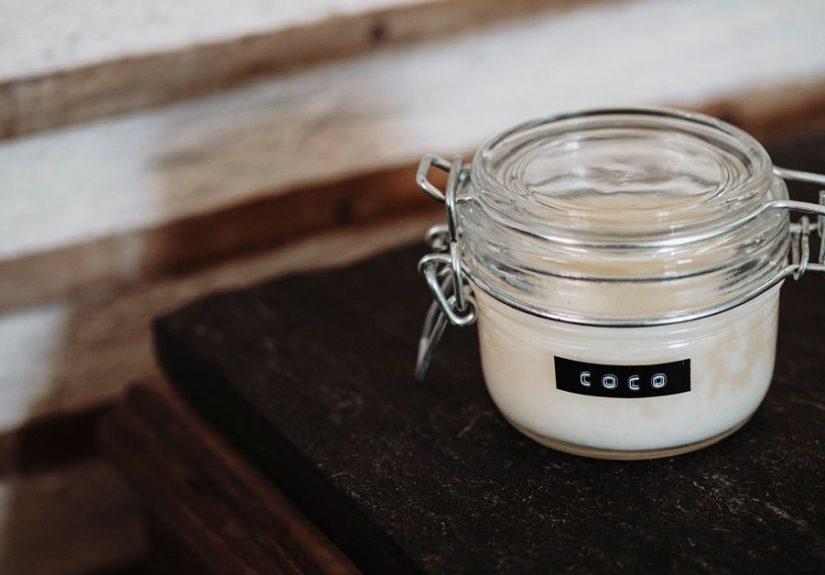
Coconut oil is popular because it is simple. It is a single-ingredient product that many people already have at home, and it has a texture that helps coat the skin and reduce moisture loss. Virgin coconut oil also contains fatty acids, including lauric acid, which is often discussed for its skin-supportive and antimicrobial properties.
In plain English, coconut oil does two things that make eczema-prone skin perk up a little. First, it helps soften and seal dry skin. Second, it may help reduce some of the bacterial burden that can complicate eczema-prone skin. That does not make it a cure. It just makes it a potentially useful tool in a larger eczema care routine.
Think of it like a helpful assistant, not the CEO of your treatment plan.
Potential Benefits of Coconut Oil for Eczema
1. It helps lock in moisture
The biggest reason people use coconut oil for eczema is also the least glamorous and the most important: it helps with dryness. Eczema-prone skin tends to lose water fast. Coconut oil creates a protective layer over the skin, which can slow down that moisture loss and leave the skin feeling more comfortable.
When used on slightly damp skin after a bath or shower, coconut oil may help trap hydration where it belongs instead of letting it evaporate into thin air like your patience during an itch attack.
2. It may support the skin barrier
Your skin barrier is your body’s outer security system. With eczema, that system is more “sleepy intern” than “elite guard.” Coconut oil can act as an emollient, which means it softens rough skin and helps smooth the outer surface. Over time, that can make the skin feel less tight, less flaky, and less fragile.
People with mild eczema or chronic dryness often notice that their skin feels more flexible and less rough after consistent use. No trumpets play in the background, but the improvement can still be meaningful.
3. It may calm some irritation
Coconut oil is often discussed for its anti-inflammatory potential. While it is not a prescription anti-inflammatory treatment, some people find that it makes irritated skin feel less angry. The skin may feel soothed, less tight, and less likely to itch immediately after application.
This is especially helpful when dryness is a big part of the problem. Dry skin and itchy skin are like two chaotic best friends. Help one, and the other sometimes calms down too.
4. It may help reduce bacterial overgrowth
Eczema-prone skin is more vulnerable to irritation and infection because cracks in the skin barrier can make it easier for microbes to move in uninvited. Virgin coconut oil has been studied for antimicrobial effects, which is one reason it often comes up in eczema conversations.
That does not mean coconut oil should be used to treat an active skin infection. If eczema is crusting, oozing, painful, or getting worse fast, that is a “call a medical professional” moment, not a “double down on pantry skincare” moment.
5. It is easy to use and widely available
Not every helpful skin product has to come in a tiny jar with a terrifying price tag. One of the practical benefits of coconut oil is that it is easy to find, relatively inexpensive, and simple to apply. For people trying to build a basic eczema skin care routine, that accessibility matters.
How to Use Coconut Oil for Eczema
If you want to try coconut oil for eczema relief, technique matters. Smearing it on at random whenever your skin feels moody is not the worst plan ever, but you can do better.
Choose the right kind
Look for plain, virgin coconut oil with no added fragrance, flavoring, or fancy extras. Eczema-prone skin usually does not appreciate “lavender-infused tropical dream” products, no matter how luxurious they sound.
Apply it after bathing
The best time to apply coconut oil is usually after a short, lukewarm bath or shower. Pat the skin gently so it is not dripping, but still a little damp. Then apply a thin layer of coconut oil to help seal in that moisture.
Use a small amount
You do not need to apply it like you are frosting a cake. Start with a small amount and spread it gently over dry or eczema-prone areas. Too much can feel greasy, transfer to clothing, and make you question your life choices when you sit on the couch.
Patch test first
Even simple products can irritate sensitive skin. Before using coconut oil over a large area, test a small patch of skin and see how it responds over the next day. If the area burns, itches more, or looks more irritated, stop using it.
Use it as part of a routine, not a one-time stunt
Consistency matters more than drama. Coconut oil is more likely to help when it is used regularly as part of a gentle eczema skin care routine that includes short baths, fragrance-free cleansing, trigger avoidance, and prescribed treatment when needed.
When Coconut Oil Works Best
Coconut oil tends to be most helpful when eczema is mild, when dryness is the main complaint, or when you need extra support between flares. It can be especially useful on rough patches, dry arms, legs, hands, and areas that feel chronically thirsty.
It may also help people who want a minimalist skin care approach. If your skin hates long ingredient lists and has trust issues with half the moisturizer aisle, a plain, simple oil can feel refreshingly straightforward.
That said, eczema is not one-size-fits-all. Some people do great with coconut oil. Others prefer thick creams, ointments, or petroleum jelly-based products. Skin, like people, has opinions.
When Coconut Oil May Not Be the Best Choice
Coconut oil is not ideal for every situation. If your eczema is severe, painful, infected, weeping, or spreading quickly, it is not enough on its own. Those situations often need medical care, prescription treatment, or a more structured eczema management plan.
It may also be less helpful for people who need a heavier occlusive ointment or a ceramide-rich cream designed specifically for barrier repair. Some people also find coconut oil too greasy for daytime use, especially under clothing or on the hands.
If you are acne-prone or applying it to thinner facial skin, use caution. Coconut oil can feel rich, but on some skin types, “rich” quickly becomes “why do I suddenly have tiny bumps?”
Common Mistakes to Avoid
Using it on infected skin and hoping for the best
If eczema becomes yellow-crusted, oozing, swollen, hot, or unusually painful, do not rely on coconut oil alone. Infection needs medical attention.
Picking scented coconut oil products
Fragrance is a classic troublemaker for sensitive skin. For eczema care, plain is beautiful.
Applying it to bone-dry skin and expecting miracles
Oils help seal moisture in, but they do not create hydration out of thin air. They work better when applied after bathing or over damp skin.
Replacing prescribed treatment without asking a professional
If you already use a prescription cream or ointment, coconut oil may still fit into your routine, but it should not automatically replace what your clinician recommended. Eczema can be stubborn, and sometimes it needs more than moisture.
How Coconut Oil Fits Into a Smart Eczema Routine
The most realistic way to use coconut oil is as one piece of a bigger eczema strategy. A gentle routine often looks like this:
- Take short, lukewarm baths or showers instead of long, hot ones.
- Use mild, fragrance-free cleansers only where needed.
- Apply moisturizer right after bathing.
- Use coconut oil on dry areas if your skin tolerates it well.
- Avoid known triggers like harsh soaps, scratchy fabrics, and heavily fragranced products.
- Use medical treatment when a flare is more than “annoying but manageable.”
That combination is a lot more effective than betting your whole skin barrier on one jar of oil and a dream.
Experiences: What People Commonly Notice When Using Coconut Oil for Eczema
Experiences with coconut oil for eczema are often surprisingly practical. People rarely say, “This changed my life overnight and angels sang from the ceiling fan.” What they usually report is smaller, steadier progress. The skin feels less tight after showering. Rough patches soften. The urge to scratch eases a little. Pajamas stop feeling like sandpaper. Those wins may sound minor, but if you live with eczema, they can feel enormous.
Many people say the first thing they notice is comfort. Dry eczema-prone skin often feels tense, almost as if it is one facial expression away from cracking. After applying coconut oil, that tight feeling may back off. Skin can feel smoother, calmer, and less flaky. It is not always dramatic to look at right away, but it can feel better quickly, which matters when itch is stealing your attention all day.
Another common experience is that coconut oil works best when the skin is only mildly irritated, not during a full-blown flare that has arrived like an uninvited marching band. On mildly dry patches, people often like how soft and simple coconut oil feels. But when the skin is intensely inflamed, raw, or weeping, many find they need something more targeted. In that sense, coconut oil often plays the role of maintenance helper more than crisis manager.
Some people also love the simplicity of it. They get tired of reading labels that sound like a chemistry final exam and prefer a straightforward option. For them, plain virgin coconut oil feels less overwhelming than rotating through five different lotions that all promise “intense hydration” while somehow still disappointing by lunchtime. A single-ingredient product can feel easier to trust when your skin has been dramatic with everything else.
That said, not every experience is glowing. Some people find coconut oil too greasy, especially during the day. Others dislike how it sits on the skin or transfers onto clothes and bedding. A few notice that it is fine on their arms and legs but too heavy for the face or neck. And some people simply do better with eczema creams that contain ceramides or other barrier-focused ingredients. Skin preferences are deeply personal, and eczema tends to be annoyingly honest about them.
Parents caring for children with eczema sometimes describe coconut oil as useful after baths because it is quick to apply and helps hold moisture in. Adults with hand eczema often mention using it overnight under cotton gloves to wake up with softer skin. People with winter flares sometimes say it becomes more helpful when indoor air gets dry and their skin starts behaving like a forgotten cracker.
The overall pattern is pretty consistent: coconut oil tends to be appreciated most by people who use it regularly, gently, and with realistic expectations. It is not usually the hero of the whole eczema story, but it can be a very dependable supporting character. And honestly, every eczema routine deserves one.
Final Thoughts
Coconut oil for eczema can be genuinely useful, especially if dryness is your main problem and your skin responds well to simple emollients. It may help lock in moisture, support the skin barrier, reduce roughness, and make mild eczema-prone skin feel more comfortable. That is real value.
But balance matters. Coconut oil is best viewed as a supportive skin care option, not a cure or a replacement for professional treatment when eczema is severe or infected. Use plain virgin coconut oil, apply it to damp skin, watch how your skin reacts, and keep the rest of your eczema routine gentle and boring in the best possible way.
Because with eczema, boring skin care is often the most beautiful kind.







 Close
Close