
Table of Contents >> Show >> Hide
- Why This Classic Soft Pretzel Recipe Works
- Ingredients
- Equipment You’ll Need
- Step-by-Step: How to Make Classic Soft Pretzels
- Pretzel Shaping Tips (So You Don’t Wrestle the Dough)
- Optional: Deeper Color With “Baked” Baking Soda
- Flavor Variations (Because Pretzels Love Options)
- Easy Dips and Serving Ideas
- Storage, Freezing, and Reheating
- Troubleshooting: Common Soft Pretzel Problems
- FAQ
- Real-Life Pretzel Experiences (Lessons Learned the Chewy Way)
There are two kinds of soft pretzels in this world: the ones you buy at the mall because the smell emotionally blackmails you,
and the ones you make at home and suddenly realize you’ve been living without a vital life upgrade. This is the second kind.
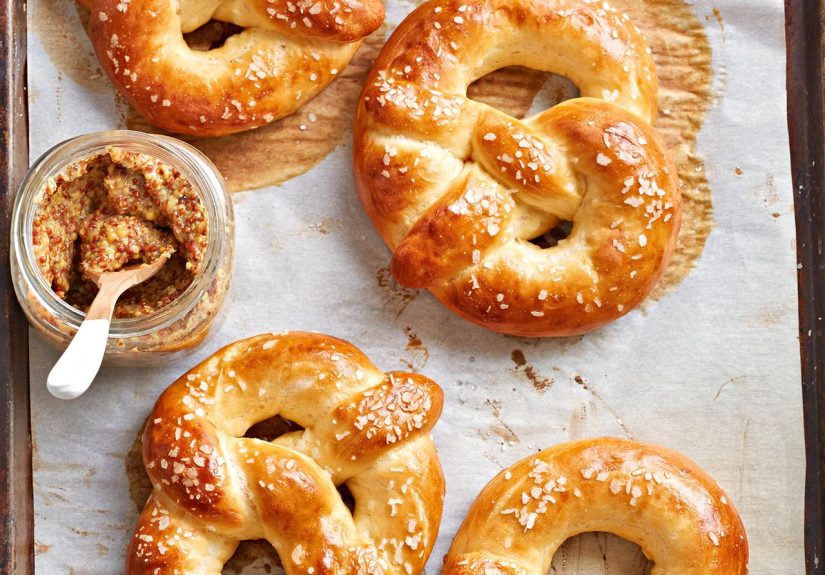
It’s a classic soft pretzel recipewarm, chewy, deeply golden, and salty in the “I deserve this” way.
The secret isn’t a fancy mixer or a pretzel-shaped diploma. It’s the baking soda bath, a quick dip that gives pretzels
their signature flavor, shiny crust, and that gentle “snap” on the outside. Skip the bath and you’ll still have tasty bread twists…
but you won’t have pretzels. And we’re here for the real thing.
Why This Classic Soft Pretzel Recipe Works
- Chewy-yet-tender dough: A simple yeast dough with a little butter for softness and flavor.
- That iconic pretzel crust: A short boil in a baking soda solution helps the exterior brown and turn glossy.
- Beginner-friendly shaping: Clear steps for twisting pretzels without turning your kitchen into a modern dance routine.
- Flexible toppings: Classic salt, cinnamon sugar, everything seasoning, cheeseyour pretzel, your rules.
Ingredients
For the Pretzel Dough
- 1 1/2 cups warm water (about 110–115°F)
- 1 tablespoon granulated sugar (or light brown sugar)
- 2 1/4 teaspoons active dry yeast (1 packet)
- 4 cups all-purpose flour (spooned & leveled), plus more for the counter
- 2 teaspoons kosher salt
- 3 tablespoons unsalted butter, melted and slightly cooled
- Neutral oil for greasing the bowl and baking sheet (or parchment paper)
For the Baking Soda Bath + Finish
- 9 cups water
- 1/2 cup baking soda (add graduallyyour pot will get dramatic)
- 1 large egg, beaten with 1 tablespoon water (for egg wash; optional but highly recommended)
- Pretzel salt or coarse kosher salt
- 2 tablespoons melted butter for brushing after baking (optional, but joyfully classic)
Equipment You’ll Need
- Large mixing bowl (or stand mixer, if you want to feel powerful)
- Measuring cups/spoons and a kitchen thermometer (helpful, not required)
- Large pot or wide saucepan for the baking soda bath
- Slotted spoon or spider strainer
- Baking sheet + parchment paper (or a silicone mat)
- Pastry brush for egg wash/butter
Step-by-Step: How to Make Classic Soft Pretzels
1) Activate the Yeast
In a large bowl, whisk the warm water and sugar together. Sprinkle the yeast over the top, stir once, and let it sit for
5–10 minutes until foamy. If nothing happens, your yeast may be expired or your water may have been too hot or too cool.
(Yeast is alive. Treat it like a tiny baking pet.)
2) Make the Dough
Add flour, salt, and melted butter to the bowl. Stir until a shaggy dough forms, then knead for 5–7 minutes by hand
(or 4–5 minutes with a dough hook) until the dough is smooth, elastic, and slightly tackybut not sticky.
If it feels sticky, sprinkle in a tablespoon of flour at a time. If it feels dry or stiff, add a teaspoon of water.
Dough is a vibe check: you’re aiming for soft and workable.
3) Let It Rise
Lightly oil a clean bowl, place the dough inside, and turn it once to coat. Cover and let rise for about 60 minutes,
or until roughly doubled in size. If your kitchen is cool, it may take a little longer.
4) Preheat and Prep
Preheat your oven to 450°F. Line two baking sheets with parchment paper (or lightly grease them).
Set them near your workspace so you can move quickly later.
5) Shape the Pretzels
Turn the dough onto a lightly floured surface and divide into 8 equal pieces.
Roll each piece into a rope about 20–24 inches long. If the dough keeps springing back,
let it rest for 5 minutes, then continue.
- Make a “U” shape with the rope.
- Cross the ends over each other twice (like you’re tying a scarf for a baguette).
- Fold the ends down onto the bottom of the U and press gently to stick.
Place shaped pretzels on the prepared baking sheets. They don’t need a long second rise
10–15 minutes while you prep the bath is plenty.
6) The Baking Soda Bath (The Pretzel Power Move)
Bring 9 cups of water to a boil in a wide pot. Once boiling, slowly add the baking soda.
It will bubble up aggressively for a moment, so don’t dump it in all at once unless you enjoy cleaning stovetops.
Working 1–2 pretzels at a time, lower them into the boiling bath for 20–30 seconds.
Flip once if you can. Remove with a slotted spoon, let excess water drip off, and return to the baking sheet.
Don’t leave them longerover-boiling can create a strange metallic or soapy edge.
7) Egg Wash + Salt
Brush each pretzel with egg wash (this boosts shine and helps salt stick), then sprinkle generously with pretzel salt.
If you’re using coarse kosher salt, go a little lighterthose crystals mean business.
8) Bake
Bake at 450°F for 12–14 minutes, or until deeply golden brown.
Rotate the pans halfway through if your oven has hot spots.
9) Finish Like a Legend
For the classic soft pretzel experience, brush the warm pretzels with melted butter as soon as they come out.
Serve warm. Try not to “taste test” three before anyone else sees them. (Or do. I’m not your life coach.)
Pretzel Shaping Tips (So You Don’t Wrestle the Dough)
- Use the counter’s friction: Too much flour makes ropes slide instead of roll.
- If the dough shrinks back: Let it rest 5 minutes; gluten relaxes and stops arguing.
- Seal the ends: Press the tips down firmly so they don’t pop up while boiling or baking.
- Want uniform pretzels? Weigh each piece of dough. It’s the easiest “pro” trick.
Optional: Deeper Color With “Baked” Baking Soda
Some bakers bake baking soda to make it more alkaline, which can deepen browning. If you want to try it:
spread 1/2 cup baking soda on a rimmed baking sheet and bake at 350°F for 1 hour.
Let it cool completely, then use it in the bath the same way. It’s stronger than regular baking soda,
so avoid inhaling dust and keep it away from eyes.
Flavor Variations (Because Pretzels Love Options)
1) Cinnamon Sugar Soft Pretzels
Skip the salt. After baking, brush with butter and toss in a mix of 1/2 cup sugar + 1 tablespoon cinnamon.
Dessert pretzels disappear at an alarming rate.
2) Everything Bagel Pretzels
After egg wash, sprinkle with everything seasoning. Great with cream cheese or a tangy yogurt dip.
3) Cheddar-Jalapeño Pretzels
Sprinkle shredded cheddar and thin jalapeño slices on top after egg wash. Bake as directed.
(Tip: pat jalapeños dry so they don’t steam the crust.)
4) Pretzel Bites
Roll ropes, cut into 1-inch pieces, boil briefly, egg wash, salt, and bake 8–10 minutes.
Same classic flavor, faster snacking.
Easy Dips and Serving Ideas
- Classic yellow mustard or spicy brown mustard
- Quick cheddar dip: melt 2 tbsp butter, whisk in 2 tbsp flour, add 1 cup milk, then melt in 1 1/2 cups shredded cheddar
- Honey mustard: equal parts mustard and honey + a squeeze of lemon
- Sweet dip: warm chocolate sauce or vanilla glaze for cinnamon pretzels
Storage, Freezing, and Reheating
Soft pretzels are best the day they’re bakedfresh warmth is basically part of the ingredient list.
If you have leftovers, store them in an airtight container at room temperature for up to 2 days.
- Reheat: 350°F for 5–8 minutes. (Microwaves make them soft in the sad way.)
- Freeze: Cool completely, wrap well, and freeze up to 2 months.
- Reheat from frozen: 325–350°F for 10–12 minutes until warmed through.
Troubleshooting: Common Soft Pretzel Problems
My pretzels are pale.
Your bath may have been too weak or too short, your oven may run cool, or you skipped egg wash.
Make sure the bath is boiling and the pretzels spend a solid 20–30 seconds in it.
The pretzels taste weirdly “chemical.”
That’s usually from leaving them in the bath too long or using too much baking soda in a small pot.
Keep the boil brief, and let excess water drip off before baking.
The dough is tough.
Too much flour or over-baking can do it. Measure flour carefully (spoon and level), and pull pretzels
when they’re deeply goldennot fossilized.
My pretzels lose their shape in the bath.
The bath sets the outside quicklyso if the twist is loose, it can unwind. Press the ends down firmly
when shaping, and handle gently when lowering into the pot.
FAQ
Can I use instant yeast?
Yes. Use the same amount and reduce proofing time a bit. You may be ready to shape sooner.
Do I really need the egg wash?
It’s optional, but it helps with shine and helps salt (or toppings) stick. If you skip it, brush with melted butter after baking.
Can I make the dough ahead?
Yes. After the first rise, cover tightly and refrigerate overnight. Let it sit at room temp for 20–30 minutes
before shaping if it’s very cold and firm.
Real-Life Pretzel Experiences (Lessons Learned the Chewy Way)
The first time you make soft pretzels at home, it feels a little like you’ve joined a secret snack society.
The dough is friendlysoft, not fussyand then the baking soda bath shows up like, “Hello, I’m Science,”
bubbling dramatically and making you wonder if you accidentally started a middle school volcano project on your stovetop.
That moment is when you learn the most important pretzel lesson: add baking soda slowly.
The pot calms down, your stress level returns to Earth, and suddenly you’re back in control of your destiny (and dinner).
Shaping is the second big lesson. The first rope you roll will probably look great, right up until you try to twist it
and it turns into a lopsided knot that resembles modern art titled “Untitled (I Tried).” That’s normal. By rope three,
your hands figure out the rhythm: roll from the center out, don’t flour the counter like you’re salting an icy sidewalk,
and if the dough snaps back, let it rest. That five-minute pause is basically a negotiation with gluten, and it works.
It also gives you time to feel proud of yourself for doing a thing with yeast and not panicking.
Then comes the part that feels like a magic trick: after the bath, the pretzels look slightly puffier and a bit more
“official,” like they just got promoted from bread to pretzel. The oven does the rest. Somewhere around minute ten,
the kitchen starts smelling like a bakery moved in and decided to pay rent in compliments. This is also when people
mysteriously wander in “just to see what you’re making.” Pretzels have that power. If you’re serving a crowd,
plan for “sampling loss,” because at least one pretzel will vanish before it ever hits the table.
Over time, you start customizing without even thinking about it. A little cinnamon sugar for a movie night.
Everything seasoning for a brunch board. Pretzel bites for game day because dipping is half the fun.
You also learn that pretzels are at their absolute peak when warmsoft inside, gently crisp outsideso if you want
that just-baked experience later, freezing is your friend. Reheating in the oven brings them back surprisingly well,
especially if you brush with butter right after warming. (A pretzel brushed with butter is basically wearing a fancy coat.)
The best part is the confidence you get after a couple batches. Suddenly you’re the person who can casually say,
“Oh, I’ll just make pretzels,” as if that’s a totally normal Tuesday activity. And honestly? It should be.
Because once you’ve made a classic soft pretzel recipe at homechewy, golden, salty, and perfectyou realize
you weren’t just baking. You were upgrading your snack standards. Permanently.






 Close
Close