
Table of Contents >> Show >> Hide
- Recipe at a Glance
- Ingredients
- Equipment You’ll Want (Nothing Fancy)
- Step-by-Step: How to Make Classic Soft Pretzels
- Why the Baking Soda Bath Matters
- Flavor Variations (Same Dough, Different Personalities)
- Dipping Sauces That Make Pretzels Even Better
- Troubleshooting: Common Pretzel Problems (and Fixes)
- Make-Ahead, Storage, and Reheating
- FAQ: Classic Soft Pretzel Recipe Questions
- of Pretzel-Making Experience (The Real Stuff)
- Conclusion
If you’ve ever walked past a pretzel stand and thought, “I would absolutely pay $7 for that buttery twist of joy,”
good news: you can make that same soft, chewy, golden magic at homewithout wearing a mall kiosk uniform.
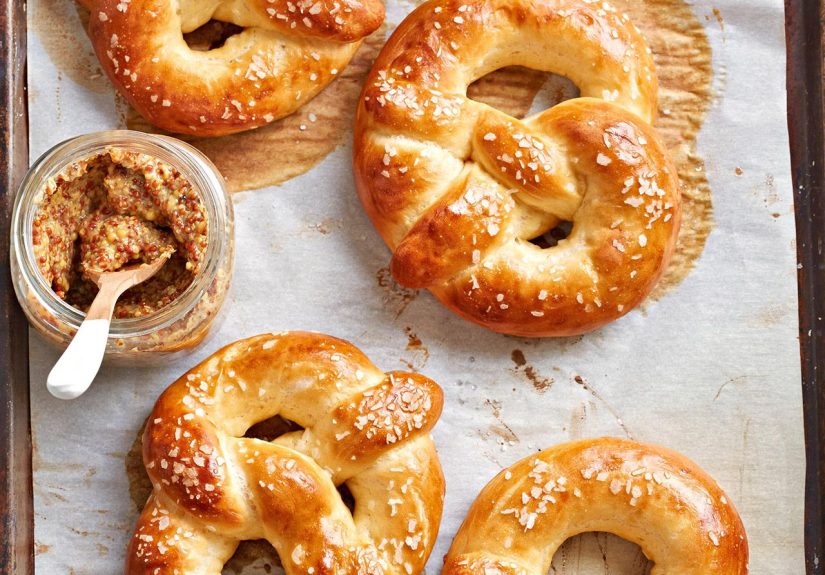
This classic soft pretzel recipe gives you a glossy brown crust, a pillowy interior, and that signature
“pretzel flavor” that makes mustard suddenly feel like a personality trait.
The secret isn’t mysterious. It’s science-y (but the fun kind): an alkaline baking soda bath before baking.
It helps set the outside of the dough, boosts browning, and creates that unmistakable pretzel bite. Pair them with
spicy mustard, warm cheese dip, or just your own smug satisfaction.
Recipe at a Glance
- Yield: 8 classic pretzels (or ~60 pretzel bites)
- Total time: ~1 hour 45 minutes (includes rise)
- Skill level: Beginner-friendly (with a tiny twist of confidence)
- Main keywords: classic soft pretzel recipe, homemade soft pretzels, baking soda bath
Ingredients
For the Pretzel Dough
- 1 1/2 cups warm water (about 105–115°F)
- 2 1/4 teaspoons active dry yeast (1 packet)
- 1 tablespoon brown sugar (or granulated sugar)
- 2 teaspoons kosher salt
- 4 tablespoons unsalted butter, melted and cooled slightly
- 4 to 4 1/2 cups all-purpose flour (start with 4 cups, add as needed)
- Neutral oil, for the bowl
For the Baking Soda Bath
- 10 cups water
- 2/3 cup baking soda
For Topping & Finishing
- 1 egg, beaten with 1 tablespoon water (egg wash)
- Pretzel salt or coarse kosher salt
- 2–3 tablespoons melted butter (for brushing after baking, optional but extremely recommended)
Equipment You’ll Want (Nothing Fancy)
- Large mixing bowl (or stand mixer with dough hook)
- Baking sheets + parchment paper
- Large pot or wide saucepan (for the baking soda bath)
- Slotted spatula or spider strainer
- Cooling rack (helpful for draining, optional)
Step-by-Step: How to Make Classic Soft Pretzels
1) Wake Up the Yeast
In a large bowl, whisk the warm water and brown sugar. Sprinkle the yeast on top and let it sit for
5 minutes until foamy. (No foam? Your yeast may be old, or your water was too hot or too cold.
Yeast is dramatic like that.)
2) Mix the Dough
Add the salt and melted butter. Stir in 4 cups of flour, one cup at a time, until a shaggy dough forms.
Knead 6–8 minutes by hand (or 5 minutes in a mixer) until smooth and slightly tackybut not sticky.
If the dough clings to your hands like it pays rent, knead in extra flour 1 tablespoon at a time.
3) Let It Rise
Lightly oil a bowl, place the dough inside, and turn to coat. Cover and let rise in a warm spot until doubled,
about 60 minutes. (If your kitchen is chilly, the oven with the light on is basically a spa for dough.)
4) Shape the Pretzels
Line two baking sheets with parchment. Turn the dough out onto a lightly greased surface (or a clean counter).
Divide into 8 equal pieces.
- Roll one piece into a rope about 20–24 inches long.
- Form a “U” shape.
- Cross the ends over each other twice (like you’re tying a scarf).
- Fold the twisted ends down onto the bottom curve and press lightly to seal.
Place shaped pretzels on the prepared sheets. If the dough keeps springing back, let it rest for 5 minutes and try again.
Dough is easier to reason with after a short breaksame, dough. Same.
5) Preheat the Oven
Preheat to 450°F. This high heat helps your pretzels puff, brown, and look like they belong at a stadium.
6) Make the Baking Soda Bath
Bring 10 cups of water to a boil in a large pot. Carefully add the baking soda (it may foam up at first).
Reduce to a steady boil or lively simmer.
7) Dip (or Briefly Boil) the Pretzels
Using a slotted spatula, lower 1–2 pretzels into the bath. Let each one sit about 20–30 seconds,
then lift out, drain well, and return to the baking sheet. Repeat with remaining pretzels.
Pro move: If you have a cooling rack, let dipped pretzels rest for a minute so excess liquid drips off.
Less puddle = better browning.
8) Egg Wash + Salt
Brush each pretzel with egg wash, then sprinkle generously with pretzel salt. The egg wash adds shine and helps salt stick.
(If you love a “salty first impression,” now is your moment.)
9) Bake
Bake 12–15 minutes, rotating pans halfway, until deep golden brown. Brush with melted butter while warm for that
classic soft-pretzel finish.
Why the Baking Soda Bath Matters
Pretzels aren’t just “bread shaped like a knot.” The alkaline bath changes the surface of the dough so it sets faster in the oven,
browns more deeply, and develops that distinctive pretzel flavor. Without it, you’ll still have tasty bread twistsbut the color will be paler,
and the crust won’t have the same chewy snap.
Optional Upgrade: “Baked” Baking Soda
Want a darker crust without using anything harsher than pantry staples? Some bakers bake baking soda to make it more alkaline.
It can deepen color and intensify that classic pretzel character. If you try it, label it clearly and store it safelybecause it’s stronger
than regular baking soda. (Also: you don’t need this for excellent pretzels. Consider it “pretzel DLC.”)
Flavor Variations (Same Dough, Different Personalities)
Cinnamon Sugar Soft Pretzels
Skip the salt. After baking, brush with melted butter and dip in cinnamon sugar. Suddenly, your kitchen smells like a fairground.
Garlic Parmesan
Brush warm pretzels with butter, then sprinkle with garlic powder and grated Parmesan. Serve with marinara, and you’ve basically made
pizza’s cooler cousin.
Pretzel Bites
Roll the dough into ropes and cut into 1-inch pieces. Dip in the baking soda bath for about 10–15 seconds, then bake 8–10 minutes.
Great for parties, movie night, or “I need a snack that feels like an achievement.”
Dipping Sauces That Make Pretzels Even Better
- Classic yellow mustard: Tangy, sharp, and wildly confident.
- Whole-grain mustard: Fancy crunch, minimal effort.
- Cheese sauce: Warm cheddar dip, queso, or beer cheese (because adulthood).
- Honey mustard: Sweet + tangy = instant crowd-pleaser.
- Spicy mayo: If you want your pretzels to have “a little edge.”
Troubleshooting: Common Pretzel Problems (and Fixes)
My dough won’t rise
Most often: the yeast was old, or the water was too hot. Next time, aim for warm bathwater temperature, not “hot tub in July.”
Also make sure your salt didn’t hit the yeast directly before flour was addedsalt can slow yeast down.
My pretzels look pale
Make sure the oven is fully preheated and your baking soda bath is hot. Don’t skip the bath if you want that classic color.
Egg wash also helps with shine and browning.
The pretzels taste a little bitter
That can happen if too much alkaline solution clings to the surface. Let pretzels drain well after the bath, and avoid pooling liquid on the pan.
My pretzels un-knot themselves in the bath
Press the ends down firmly when shaping. You can also chill shaped pretzels for 10–15 minutes before dipping to help them hold their shape.
Make-Ahead, Storage, and Reheating
Make-Ahead
You can shape the pretzels and refrigerate them, covered, for up to 12 hours. When ready, dip and bake as usual.
This is perfect for game day: you get fresh pretzels without doing everything while your guests watch you wrestle dough.
Storage
Pretzels are best the day they’re baked, but leftovers keep in an airtight container at room temperature for 1–2 days.
For longer storage, freeze in a freezer-safe bag up to 1 month.
Reheating
Warm in a 350°F oven for 5–8 minutes (from room temp) or 10–12 minutes (from frozen). If you want that “fresh pretzel” vibe,
brush lightly with butter after reheating.
FAQ: Classic Soft Pretzel Recipe Questions
Do I really have to do the baking soda bath?
If you want classic pretzel color and chew: yes, it’s worth it. If you skip it, you’ll still have tasty bread twists,
but they won’t look or taste as “pretzel-y.”
Can I use instant yeast?
Yep. You can usually mix it right into the dry ingredients, but blooming it in warm water still works and is beginner-friendly.
Rising time may be a little faster.
What flour is best?
All-purpose flour makes a classic soft pretzel. Bread flour can give a slightly chewier bite, but it’s not required.
of Pretzel-Making Experience (The Real Stuff)
The first time you make homemade soft pretzels, you learn two things quickly: (1) twisting dough is oddly satisfying,
and (2) your sense of “equal portions” is probably a lie. My earliest batch looked like a family of pretzels where each one
had a different dad. One was tall and elegant. One was short and overconfident. One looked like it tried to escape the tray.
They all tasted great. That’s the beautiful secret: pretzels are forgiving, and your oven does not grade on appearance.
The moment it really clicks is the baking soda bath. You’ll shape these pale, innocent-looking knots and think, “How is this going to become
that deep brown mall pretzel?” Then you dip one into the simmering bath and it puffs slightly, like it just realized it’s about to be famous.
Once baked, the crust turns glossy and bronzed, and suddenly your kitchen smells like a ballpark. If you’re feeding other people, this is when
they start hovering “just to check on you,” which is a polite way of saying they’re waiting for you to pull out the first tray.
Shaping gets easier fast. The trick is to roll the rope from the center outward with light pressure, letting the dough lengthen without tearing.
If it keeps shrinking back, that’s gluten doing its job. Give it a 5-minute rest, then roll again. It’s like negotiating with a tiny, floury
rubber bandpatience wins. And if a knot comes undone during dipping, don’t panic. You can press it back together on the tray, or call it
“artisan” and move on with your life.
The best batches usually happen when you make pretzels part of something: a movie night, a snow day, a “we’re watching the game but mostly eating”
kind of afternoon. Pretzels are a built-in activity and snack in one. You can set up a topping stationsalt, everything-bagel seasoning, cinnamon sugar
and let everyone customize. Kids love shaping (even if the shapes are… abstract). Adults love dipping them in cheese. Everyone loves claiming the
warmest pretzel as if it’s the last life raft.
And here’s the sneaky joy: once you’ve made soft pretzels from scratch, you start seeing opportunities everywhere. Leftover dough? Pretzel bites.
A party? Mini pretzel sliders. A random Tuesday? Cinnamon sugar pretzels because you deserve a win. Eventually, you’ll stop thinking of pretzels as
a “special treat” and start thinking of them as a “highly motivating life choice.” Which is correct. Extremely correct.
Conclusion
A classic soft pretzel recipe is one of those kitchen projects that feels impressive while staying totally doable.
You mix a simple yeast dough, twist a few knots, take a quick dunk in a baking soda bath, and bake until glossy and brown.
The result: warm, chewy pretzels that taste like a treat, look like you tried hard, and disappear like you didn’t make enough.
(Pro tip: always make enough. Which means: make more.)






 Close
Close