
Table of Contents >> Show >> Hide
- What Chumby Was Supposed to Be
- Why Chumby Is No Longer Selling Hardware
- The Bigger Problem: Great Idea, Awkward Market Timing
- Why Fans Still Talk About Chumby
- What Chumby’s Exit Says About the Tech Industry
- Could Chumby Have Survived?
- The Chumby Experience: What It Felt Like to Own One
- Final Thoughts
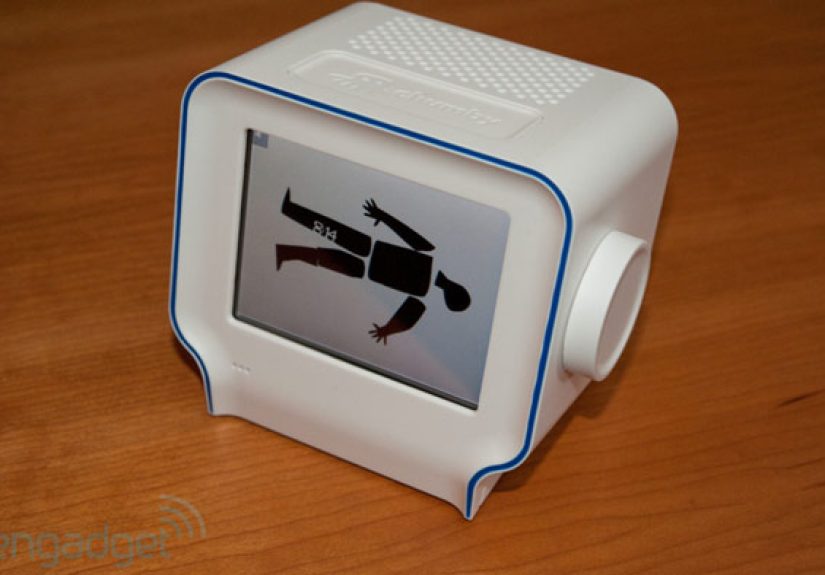
There was a time when the internet felt a little weirder, a little friendlier, and a lot less rectangular. Into that charming chaos waddled the Chumby: part alarm clock, part widget machine, part hacker toy, and part “what on earth is that fuzzy thing on your kitchen counter?” device. It was soft, internet-connected, customizable, and gloriously unconcerned with looking sleek in the Apple sense of the word. The Chumby looked more like a gadget that had been raised by a beanbag chair and a Linux box.
Now, Chumby is no longer selling hardware, and that simple fact says a lot more about consumer technology than it may seem at first glance. On the surface, this looks like another discontinued gadget story. One more quirky device that couldn’t quite survive the ruthless economics of hardware. But under the hood, the Chumby story is also about early smart displays, open hardware ideals, thin margins, shifting business models, and a product that was arguably ahead of its time by several years.
So what happened? Why did a device with a loyal fan base, real personality, and surprisingly broad functionality step away from hardware sales? And why do people still remember it with the kind of affection usually reserved for old game consoles, first MP3 players, and dogs that used to sit weirdly but were loved anyway? Let’s dig in.
What Chumby Was Supposed to Be
Chumby arrived with a concept that now feels strangely familiar: a dedicated connected screen for glanceable information, streaming audio, photos, widgets, weather, news, social updates, and light media use. In other words, it offered a lot of what today’s smart displays and bedside screens try to do, just wrapped in a more playful and hackable package.
That matters because Chumby was not trying to be a full computer. It was trying to live comfortably in the background of everyday life. It sat in bedrooms, kitchens, offices, and dorm rooms. It showed time and weather. It played music. It delivered bite-sized internet content without demanding that you sit down, log in, and commit your entire attention span to the screen. In hindsight, that sounds a lot like the modern idea of ambient computing.
What made Chumby especially interesting was its identity crisis in the best possible sense. It was a consumer product, but it was also a tinkerer’s playground. It was sold as a cute internet appliance, but it also invited hacking, modding, and experimentation. That combination made it memorable. Most gadgets want you to use them exactly as intended. Chumby practically winked and said, “Sure, but what if you did something slightly ridiculous with me instead?”
Why Chumby Is No Longer Selling Hardware
The short answer is business reality. The longer answer is the kind that keeps hardware founders awake at 3:12 a.m., staring at spreadsheets and wondering whether shipping containers, support costs, and retail channels were invented specifically to ruin their weekend.
1. Hardware is a hard business with thin margins
Making consumer electronics is expensive, operationally messy, and brutally unforgiving. You have design costs, manufacturing costs, logistics, returns, customer support, inventory risk, retail pressure, and the lovely possibility that your cool product becomes outdated while it is still crossing an ocean. For a company like Chumby, this was never a side quest. It was the dragon.
Even people close to the company later described hardware as more of a necessary doorway than the endgame. That framing is important. Chumby’s real long-term ambition was not just to sell one adorable gadget forever. It was to create a platform for apps, widgets, and internet content in the home. Hardware helped establish that idea, but hardware also came with all the capital intensity and operational headaches that can crush a smaller company.
2. The company pivoted from devices to software
By 2009, Chumby was already pushing toward a “Powered by Chumby” model. Instead of relying solely on sales of its own branded hardware, it wanted to license the software and platform to other manufacturers. That move was logical. If the real magic was the widget ecosystem and content layer, why keep carrying the full weight of manufacturing every box yourself?
From a strategy perspective, the pivot made sense. If partners could put Chumby software into digital picture frames, TVs, Blu-ray players, or other home devices, the platform could spread faster and at lower direct risk. In theory, that meant more reach, more screens, and less pain from inventory. In practice, though, transitions like this are rarely smooth. Companies often discover that they are abandoning a difficult model before the replacement model is fully mature. That leaves them in the business equivalent of jumping from one moving treadmill to another while holding a box of cables.
3. Manufacturing had already slowed, then stopped
By the time the public learned Chumby was no longer selling hardware, the writing had already been on the wall. Manufacturing had reportedly stopped earlier, and inventory eventually ran dry. Once that happens, the phrase “no longer selling hardware” is not just a product update. It is a neon sign blinking transition, distress, or both.
For consumers, the announcement sounded simple. For the company, it likely reflected months of difficult decisions about cash flow, demand, support obligations, and the future of the platform. Hardware companies do not usually wake up one morning and casually decide to stop selling devices just for the thrill of it. When they do it, the math has usually been screaming for a while.
The Bigger Problem: Great Idea, Awkward Market Timing
One of the most fascinating things about Chumby is that its core idea was not bad at all. In fact, it looks pretty good in hindsight. The challenge was timing. Chumby showed up before the modern smart home ecosystem had fully formed, before voice assistants normalized dedicated countertop screens, and before consumers got used to the idea that a device could be useful even if it was not a phone, laptop, or TV.
That made Chumby easy to admire and slightly harder to explain. Was it an alarm clock? A mini media player? A web widget station? A digital picture frame with hobbies? The answer was basically “yes,” which is fun for enthusiasts but complicated for mass-market retail.
Consumer tech often rewards products that fit neatly into a familiar category. The iPod was clear. The Kindle was clear. The iPad became clear very quickly. Chumby was more like that interesting friend who has six talents, wears vintage jackets, and cannot answer the question “So, what exactly do you do?” in under four minutes. People loved that about it. Big-box retail shelves, however, tend to prefer simpler introductions.
Why Fans Still Talk About Chumby
Because it mattered. Not necessarily in giant sales numbers or market domination, but in influence and emotional footprint. Chumby helped preview a future where connected screens could quietly live around the home and deliver useful, glanceable information. That future did eventually arrive. It just arrived later, in different forms, with more polished interfaces and much larger corporate backing.
Chumby also built a different kind of loyalty than mainstream gadgets. It was not just bought; it was adopted. Owners customized it. Developers hacked it. Makers repurposed it. The community treated it less like a sealed appliance and more like a small, friendly platform with potential. That kind of relationship creates staying power. Even after the business side weakened, the idea of Chumby continued to live on in forums, projects, and community efforts to keep devices useful.
That afterlife is important. Lots of gadgets disappear. Fewer become beloved enough that people actively try to rescue them from obsolescence. Chumby did. That alone tells you it was never just another forgettable screen with a power cable.
What Chumby’s Exit Says About the Tech Industry
The end of Chumby hardware sales is also a case study in how the tech world rewards platforms differently from products. Investors and executives often love the phrase “platform” because it suggests scale, licensing, ecosystem leverage, and future revenue without the grubby business of shipping physical units. Products, meanwhile, have to survive reality. They have to be manufactured correctly, delivered on time, priced well, supported consistently, and marketed clearly.
Chumby tried to bridge both worlds. It wanted to be a real product that also opened the door to a broader software ecosystem. That is a powerful ambition, but it is not easy to pull off when you are not sitting on the resources of a giant electronics company. Once the balance tipped, hardware became less of an asset and more of a burden.
There is also a lesson here about being early. Being early can look a lot like being wrong, at least financially. Chumby helped point toward the smart display era, but it did so before the market, infrastructure, and habits were fully ready. Later companies would benefit from stronger app ecosystems, more mature home broadband expectations, broader streaming habits, and tighter integration between services. Chumby had the idea. Others later had the timing.
Could Chumby Have Survived?
Maybe, but it would have required some combination of stronger distribution, more patient capital, a sharper mainstream identity, and a better bridge between niche enthusiasm and mass-market demand. That is a tall order. It is easy to romanticize beloved tech in hindsight and assume it should have won. Markets are less sentimental.
Could Chumby have found success as a smaller, premium maker brand? Possibly. Could it have survived better in the crowdfunding era, where communities rally around distinctive hardware? Maybe. Could it have thrived if it had launched a few years later, when smart home devices were easier to understand and sell? That is one of those painful “probably” answers that makes discontinued gadgets feel even sadder.
Still, survival is not the only measure of relevance. Plenty of influential products do not become empires. Some simply leave fingerprints on what comes next. Chumby definitely did that.
The Chumby Experience: What It Felt Like to Own One
To understand why “Chumby is no longer selling hardware” still lands with a little emotional thud for some people, you have to understand the actual experience of living with one. Chumby was not a gadget you hid in a drawer after the unboxing thrill wore off. It had presence. It sat there, glowing softly, showing weather, headlines, music info, photos, clocks, and whatever widgets you had decided deserved precious real estate in your life. It was not demanding in the way a laptop is. It was more like a roommate who kept odd hours but always knew the forecast.
In a bedroom, it worked as a more entertaining alarm clock. In a kitchen, it became a glance machine for music and quick updates while coffee brewed and toast burned with confidence. In an office, it was a sidekick screen before sidekick screens became a respectable category. And because it felt different from conventional gadgets, people tended to give it a little more personality than they gave most electronics. You did not just have a Chumby. You sort of had a Chumby.
For tinkerers, the experience went further. Chumby felt open in a world that was already moving toward locked-down ecosystems. You could imagine changing it, hacking it, repurposing it, and generally ignoring any invisible corporate rule that said, “Please enjoy this device only in the approved manner.” That openness created the sense that the hardware was not just a product but raw material for experiments. Some owners wanted a better bedside companion. Others saw a tiny Linux playground wearing a soft disguise.
Then came the uneasy phase that loyal gadget communities know too well: the moment when affection collides with infrastructure risk. Once a company weakens, owners start asking nervous questions. Will the servers stay up? Will setup still work? Will widgets break? Will this lovable thing turn into a decorative clock with abandonment issues? Chumby owners lived through that uncertainty in real time, and it changed the emotional tone around the device. It stopped being merely fun and started feeling fragile.
That fragility, oddly enough, made the community stronger. People traded fixes, ideas, workarounds, and hope. The effort to keep Chumby useful became part of the Chumby experience itself. And that is why the hardware’s exit still resonates. It was not just the end of a product line. It felt like the end of a little corner of the internet when connected gadgets were still weird, personal, and made with enough imagination to look slightly absurd on purpose. In a market packed with polished sameness, Chumby had texture. It had quirks. It had charm. And charm is hard to manufacture, even when hardware is still available.
Final Thoughts
Chumby is no longer selling hardware, but the real story is bigger than a discontinued device. It is the story of an early smart-home idea that arrived with brains, charm, and hacker credibility, then ran into the harsh economics of consumer electronics. It is the story of a company that tried to evolve from making boxes to powering platforms. And it is the story of a gadget that failed commercially in the way some of the most interesting gadgets do: by being memorable, influential, and just a little too early.
That is why Chumby still deserves attention. Not because it won, but because it helped define what would come next. Long before smart displays became normalized, Chumby was already there on the nightstand, humming softly, showing the weather, and proving that the internet could live in the home as something more casual, glanceable, and human. The hardware may be gone from the store, but the idea never really left the room.





 Close
Close