
Table of Contents >> Show >> Hide
- What Is Ankylosing Spondylitis?
- So, How Can Ankylosing Spondylitis Cause Headaches?
- What Do AS-Related Headaches Feel Like?
- When Is a Headache Not “Just AS”?
- How Doctors May Evaluate Headaches in People With AS
- Treatment Options for AS-Related Headaches
- Can Headaches Signal an AS Flare?
- Practical Tips for Living With AS and Headaches
- Experiences Related to Ankylosing Spondylitis and Headaches
- Conclusion
Can ankylosing spondylitis cause headaches? Yes, it canalthough headaches are not usually considered one of the classic “headline symptoms” of ankylosing spondylitis. The condition is best known for inflammatory back pain, morning stiffness, hip discomfort, fatigue, and reduced spinal flexibility. But when ankylosing spondylitis affects the neck, upper spine, posture, muscles, or eyes, headaches may enter the chat like an uninvited guest who somehow knows where the snacks are.
Ankylosing spondylitis, often shortened to AS, is a chronic inflammatory arthritis that mainly affects the spine and sacroiliac joints, which connect the lower spine to the pelvis. Over time, inflammation may move upward through the spine and affect the neck. When the cervical spine becomes stiff, painful, or mechanically restricted, it may trigger a type of secondary headache called a cervicogenic headache. In plain English: the headache may start in the neck but show up as pain in the head.
This does not mean every headache in a person with ankylosing spondylitis is caused by AS. People with AS can still get tension headaches, migraine, sinus headaches, medication-overuse headaches, dehydration headaches, and the occasional “I stared at my laptop like it owed me money” headache. The key is learning the patterns, knowing when AS may be involved, and recognizing when a headache deserves medical attention.
What Is Ankylosing Spondylitis?
Ankylosing spondylitis is a form of axial spondyloarthritis, an inflammatory disease that primarily affects the spine. It often begins in young adulthood and may cause pain and stiffness in the lower back, buttocks, hips, and pelvis. Unlike ordinary muscle soreness, AS pain often feels worse after rest and better with movement. Many people notice stiffness in the morning or after sitting for long periods.
AS can also affect areas beyond the spine. Some people develop inflammation in the ribs, shoulders, heels, knees, or hands. Others experience eye inflammation, digestive symptoms, skin changes, or intense fatigue. Because AS is systemic, it does not always stay neatly in the “back pain” box. The body, being dramatic, may choose to send warning signals from several places at once.
So, How Can Ankylosing Spondylitis Cause Headaches?
The most likely connection between ankylosing spondylitis and headaches is neck involvement. When AS affects the cervical spine, inflammation and stiffness can reduce range of motion. Tight muscles, irritated joints, altered posture, and changes in the way the head sits over the spine may all contribute to head pain.
1. Cervicogenic Headaches
A cervicogenic headache is a headache that originates from a problem in the neck. It may feel like pain that starts at the base of the skull and travels toward the forehead, temples, or behind one eye. It is often one-sided, though not always. The pain may worsen when turning the head, holding the neck in one position, or pressing on certain tender spots in the upper neck.
For someone with ankylosing spondylitis, cervical inflammation can make the upper spine less flexible. Muscles may tighten to protect painful joints, and that tension can refer pain upward. The result may feel like a headache, even though the source is lower down. Sneaky? Yes. Common with neck disorders? Also yes.
2. Posture Changes
AS can gradually affect posture, especially if spinal stiffness progresses. Some people develop a forward-leaning posture or reduced ability to fully straighten the spine. When the head shifts forward, the neck and upper back muscles have to work harder to support it. Imagine holding a bowling ball slightly in front of your body all day. Your neck muscles would file a complaint by lunchtime.
Forward head posture can increase strain around the upper cervical spine and shoulders. That added stress may contribute to tension-type headaches or cervicogenic headaches, particularly after desk work, driving, scrolling, or sleeping in awkward positions.
3. Muscle Tension and Guarding
Pain changes how people move. When the spine hurts, the body naturally protects the sore area by tightening nearby muscles. This is called guarding. In AS, neck and shoulder muscles may stay tense for long periods, creating a cycle of stiffness, pain, and more stiffness.
Muscle tension in the upper back, shoulders, jaw, and neck can contribute to headaches that feel like pressure, tightness, or a band around the head. These headaches may overlap with cervicogenic headaches, which is why diagnosis can be tricky without a healthcare professional’s evaluation.
4. Eye Inflammation
One important AS-related cause of head or face discomfort is eye inflammation, especially uveitis or iritis. Uveitis may cause eye pain, redness, blurry vision, and sensitivity to light. Some people may describe the discomfort as a headache around or behind the eye.
This symptom should never be shrugged off. Eye inflammation linked to ankylosing spondylitis needs prompt medical care to reduce the risk of complications. If your eye is red, painful, sensitive to light, or your vision changes, contact a healthcare professional quickly. Your eyeballs are not the place for a “wait and see” experiment.
5. Poor Sleep and Fatigue
AS pain can interfere with sleep, and poor sleep is a well-known headache trigger. If stiffness wakes you up at night or you cannot find a comfortable position, the next day may arrive with fatigue, irritability, and head pain. Add caffeine changes, stress, or skipped meals, and the headache recipe is practically preheated.
What Do AS-Related Headaches Feel Like?
AS-related headaches may vary depending on the cause. A cervicogenic headache often begins in the neck or base of the skull and may radiate upward. It may feel dull, aching, or pressing rather than pulsing. It may worsen with neck movement or after staying in one position. Some people feel pain behind one eye or along one side of the head.
A tension-type headache may feel like tight pressure across both sides of the head, forehead, or scalp. Migraine, by contrast, may cause throbbing pain, nausea, light sensitivity, sound sensitivity, or visual symptoms. Neck pain can appear with migraine too, which is why self-diagnosing every headache as “from the neck” is not always accurate.
The pattern matters. If headaches appear during AS flares, come with neck stiffness, worsen with head movement, or improve when AS inflammation is controlled, ankylosing spondylitis may be playing a role.
When Is a Headache Not “Just AS”?
Even if you have ankylosing spondylitis, not every headache should be blamed on it. Headaches are extremely common, and many have causes unrelated to inflammatory arthritis. Stress, dehydration, caffeine withdrawal, sinus infections, vision problems, high blood pressure, medication overuse, and migraine disorders can all cause headaches.
Seek urgent medical care if you experience a sudden, severe “worst headache of your life,” headache with weakness or numbness, confusion, fainting, fever, stiff neck, seizure, head injury, new vision loss, or a headache that is very different from your usual pattern. These warning signs may point to a serious condition that needs immediate evaluation.
How Doctors May Evaluate Headaches in People With AS
A healthcare professional may start by asking where the pain begins, how long it lasts, what it feels like, and what makes it better or worse. They may ask whether the headache is linked with neck movement, morning stiffness, eye symptoms, jaw pain, nausea, light sensitivity, or neurological symptoms.
For ankylosing spondylitis, evaluation may include a physical exam, range-of-motion testing, posture assessment, neurological checks, blood work, and imaging such as X-rays or MRI when needed. If eye symptoms are present, an ophthalmologist may be involved. If migraine features dominate, a neurologist may help sort out the diagnosis.
The goal is not just to name the headache. The goal is to find the driver behind it. Treating a cervicogenic headache like a migraineor treating a migraine like a neck problemcan lead to frustration and a medicine cabinet that looks like it needs its own zip code.
Treatment Options for AS-Related Headaches
Managing Ankylosing Spondylitis Inflammation
When headaches are linked to active AS inflammation in the neck, controlling the underlying disease may reduce headache frequency or intensity. Treatment plans vary, but they may include nonsteroidal anti-inflammatory drugs, physical therapy, biologic medications, or other anti-inflammatory therapies prescribed by a rheumatologist.
Because AS is a long-term condition, treatment is usually aimed at reducing inflammation, maintaining posture, preserving flexibility, improving function, and slowing progression. People should not start, stop, or change prescription medications without medical guidance.
Physical Therapy
Physical therapy is one of the most useful tools for AS, especially when posture, mobility, and neck stiffness are involved. A physical therapist can create a program that includes safe stretching, strengthening, breathing exercises, posture training, and mobility work.
For headaches related to neck dysfunction, therapy may focus on deep neck flexor strength, shoulder blade stability, thoracic mobility, and gentle cervical range of motion. The word “gentle” matters. Ankylosing spondylitis is not a contest where the prize goes to whoever yanks their neck the hardest. Controlled, consistent movement usually wins.
Exercise and Daily Movement
Regular movement can help reduce stiffness and support spinal mobility. Low-impact activities such as walking, swimming, cycling, yoga modified for AS, and water exercise may be helpful for many people. Movement breaks during the day can also prevent stiffness from building up during long sitting sessions.
A simple routine might include standing every 30 to 60 minutes, rolling the shoulders, gently turning the neck within a comfortable range, opening the chest, and practicing good alignment. Small habits can add up, especially for people who spend long hours at a desk.
Heat, Cold, and Relaxation
Heat may help relax tight neck and shoulder muscles, while cold may reduce sharp inflammation or acute soreness. Some people prefer a warm shower in the morning to loosen stiffness. Others find relief from a cold pack at the base of the skull during a headache. The best option is often personal, so tracking what helps can be useful.
Relaxation techniques may also support headache management. Deep breathing, meditation, progressive muscle relaxation, and stress reduction can help calm the nervous system. They will not cure ankylosing spondylitis, but they may make pain easier to manage. Think of them as lowering the volume, not deleting the song.
Ergonomics and Sleep Position
Desk setup matters. A screen that sits too low, a chair that encourages slumping, or a phone habit that turns your neck into a question mark can all worsen neck strain. Keep screens near eye level, support the lower back, relax the shoulders, and avoid cradling the phone between ear and shoulder.
Sleep position also matters. A supportive pillow should keep the neck aligned rather than pushed too far forward or tilted sideways. People with AS may need to experiment carefully with pillow height, mattress firmness, and side versus back sleeping. The right setup should support comfort without forcing the spine into an awkward position.
Can Headaches Signal an AS Flare?
For some people, headaches may appear during AS flares, especially if the flare includes neck stiffness, upper back tightness, fatigue, or poor sleep. A flare may also bring more widespread pain, morning stiffness, and reduced energy. Tracking symptoms can help identify patterns.
A headache diary does not need to be fancy. Record the date, pain location, neck stiffness level, sleep quality, stress, food, hydration, medication use, screen time, and AS activity. After a few weeks, patterns may become easier to spot. Your future self may thank you with fewer mystery headaches.
Practical Tips for Living With AS and Headaches
- Track headache patterns: Note whether head pain follows neck stiffness, poor sleep, long sitting, or AS flares.
- Protect your neck: Avoid sudden twisting, aggressive stretching, or unsafe manipulation unless cleared by a clinician.
- Move often: Short movement breaks can reduce stiffness from building throughout the day.
- Check your eyes: Eye pain, redness, light sensitivity, or blurry vision should be evaluated promptly.
- Work with specialists: A rheumatologist, physical therapist, eye doctor, or neurologist may all play a role.
- Review medications: Some headaches can come from medication overuse or side effects, so discuss patterns with a clinician.
Experiences Related to Ankylosing Spondylitis and Headaches
Many people with ankylosing spondylitis describe their headache experience as confusing at first. They may expect AS to cause lower back pain, hip stiffness, or fatigue, but head pain feels like it belongs to a different department. A common story goes something like this: the person wakes up with a stiff neck, feels pressure at the base of the skull, powers through work, then notices the headache creeping toward the temples by afternoon. At first, they blame stress, bad pillows, or too much screen time. Sometimes those things are part of the problem. But over time, the pattern may become too consistent to ignore.
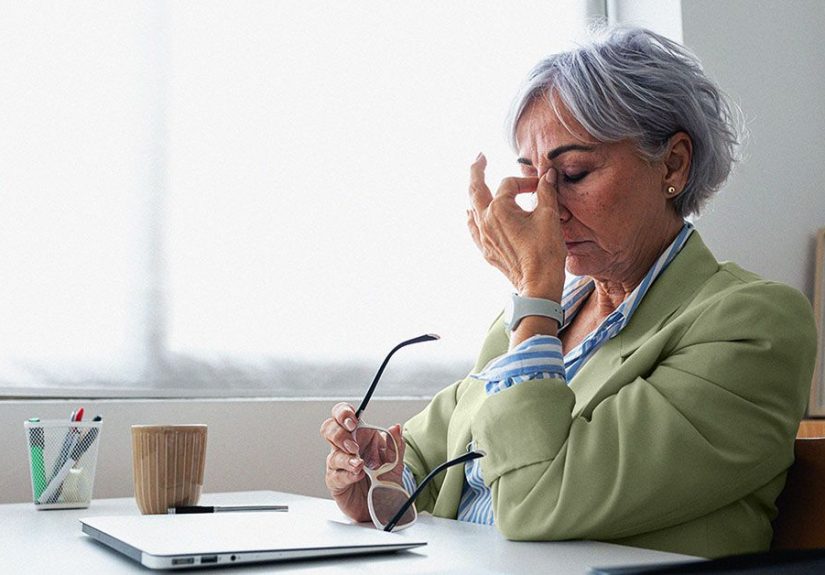
One everyday example is the “desk-day headache.” A person with AS may sit through several hours of meetings, trying to keep good posture but gradually stiffening. The neck becomes tight, the shoulders rise toward the ears, and the upper back feels locked. By late afternoon, pain starts behind one eye or at the back of the head. The person takes a pain reliever, but the headache returns the next time they spend a long day at the computer. In this case, the headache may not be caused by the screen alone. It may be the combination of inflammatory stiffness, reduced neck mobility, muscle guarding, and posture strain.
Another common experience is the “flare headache.” During a flare, inflammation increases and the body feels heavier than usual. Sleep may be poor because turning over hurts. Morning stiffness may last longer. Neck rotation may feel restricted, like the head is attached with rusty hinges. On these days, headaches may appear alongside fatigue and upper spine pain. People often report that once the flare calms down, the headaches improve too. That pattern is worth sharing with a rheumatologist because it may suggest that disease activity is contributing to head pain.
Some people also describe anxiety around headaches. That reaction is understandable. Chronic illness can make every new symptom feel suspicious. A headache may trigger questions such as, “Is this AS?” “Is it migraine?” “Is my medication causing it?” “Should I be worried?” The best approach is to avoid panic while still paying attention. A symptom diary, clear communication with healthcare providers, and awareness of red flags can turn a scary guessing game into a manageable plan.
There is also the social side. Headaches are invisible, and AS is often invisible too. Someone may look perfectly fine while dealing with neck stiffness, eye sensitivity, fatigue, and a headache that makes normal conversation feel like a marching band rehearsal. Friends and coworkers may not understand why a person needs movement breaks, dimmer lighting, or a more supportive chair. This is where practical self-advocacy helps. Saying, “My inflammatory arthritis affects my neck, and sitting too long can trigger headaches,” is simple, honest, and usually easier than delivering a full medical lecture between emails.
For many people, improvement comes from layering small solutions rather than finding one magical fix. Medication may reduce inflammation. Physical therapy may improve strength and mobility. Better ergonomics may reduce daily strain. Sleep adjustments may reduce morning pain. Stress management may lower overall headache sensitivity. None of these steps is glamorous, but together they can make life feel less like a negotiation with a cranky spine.
The biggest lesson from real-world experience is this: headaches in ankylosing spondylitis deserve curiosity, not dismissal. They may be unrelated, but they may also be a clue that the neck, posture, eyes, sleep, or disease activity needs attention. Listening to those clues can lead to better treatment, fewer bad days, and a healthier relationship with your body. And honestly, any day with fewer headaches is a day worth giving a tiny standing ovationassuming your spine is in the mood.
Conclusion
Ankylosing spondylitis can cause headaches, especially when inflammation, stiffness, or posture changes affect the neck. The most common AS-related headache pattern is cervicogenic headache, where pain begins in the cervical spine and radiates into the head. However, people with AS can also have migraine, tension headaches, sinus headaches, medication-related headaches, or other unrelated causes.
The smart move is to look for patterns. Headaches that worsen with neck movement, appear during AS flares, start at the base of the skull, or come with significant neck stiffness may be connected to ankylosing spondylitis. Headaches with eye pain, redness, light sensitivity, neurological symptoms, sudden severe onset, or unusual changes should be evaluated promptly.
With the right care team, AS-related headaches can often be managed through inflammation control, physical therapy, posture support, exercise, sleep improvements, and personalized headache treatment. Ankylosing spondylitis may be persistent, but it does not get to run the whole show.






 Close
Close