
Table of Contents >> Show >> Hide
- 1) Start With Fire Management (Because Fire Is Your “Stove Knob”)
- 2) Pack Like a Person Who Wants to Eat Well (Not Like a Racoon With a Cooler)
- 3) Food Safety Is Not Optional (Even If You’re Wearing Hiking Boots)
- 4) Master the Big Three Camp Cooking Methods
- 5) The 2019 Camp Kitchen “Essentials” (No, You Don’t Need a Full Remodel)
- 6) Timing Tricks: How to Feed People Without Starting a Snack Riot
- 7) Cleanliness and Leave No Trace: Cook Great, Leave Nothing Weird Behind
- 8) Specific Examples: Three “2019-Style” Camp Meals That Actually Work
- Conclusion: Cook Like You Mean It (But Keep It Simple)
- Campfire Cooking Experiences (2019 Stories From the Smoke Zone)
Campfire cooking in 2019 was having a momentand not just because everyone suddenly owned a cast-iron skillet they treated like a family heirloom.
Cooking outside is equal parts delicious, chaotic, and mildly smoky. But if you want your breakfast to taste like food (not regret),
your coffee to stay out of the dirt, and your friends to stop calling you “Captain Charcoal,” these tips will save your campsite.
This guide blends practical technique, food safety, gear know-how, and a few hard-earned lessons that only happen when you decide
“Sure, we can do pancakes over an open flame.” (We can. We just shouldn’t do it the first morning without coffee.)
1) Start With Fire Management (Because Fire Is Your “Stove Knob”)
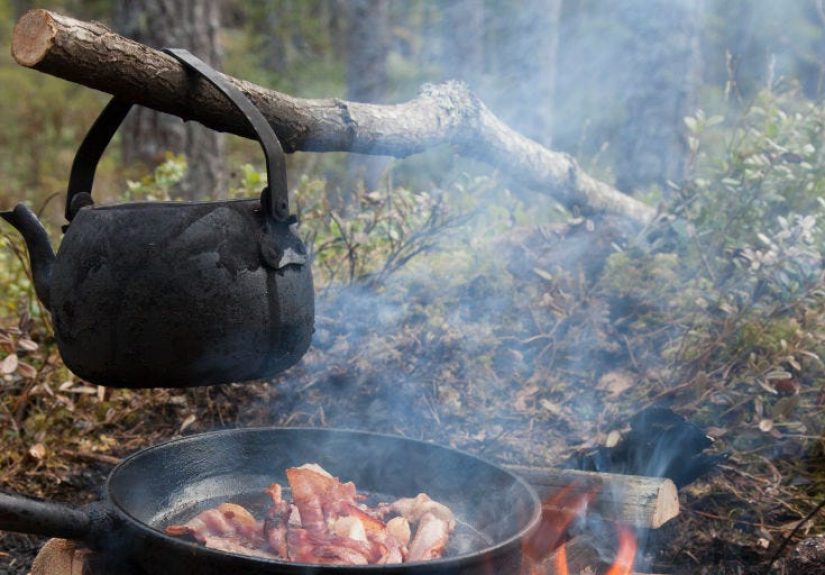
The biggest campfire cooking mistake is trying to cook over tall, roaring flames. Flames look great in photos, but coals do the actual cooking.
Think of flames as the preheat and coals as the temperature control.
Build a “Coal-First” Cooking Fire
- Burn down to a coal bed: Let the fire cook itself for 20–40 minutes (depending on wood and wind) until you have glowing coals.
- Create heat zones: Rake coals into a thicker “hot side” and a thinner “warm side.” That’s your outdoor version of high/low heat.
- Cook beside flames, not in them: Position pans over coals or near the edge of the fire where heat is steady.
Charcoal Is the “Easy Mode” of Campfire Cooking
If you want repeatable temps (especially for baking), charcoal briquettes are your friend. They’re predictable, they’re tidy,
and they don’t suddenly turn your cornbread into a black hockey puck because a log shifted.
2) Pack Like a Person Who Wants to Eat Well (Not Like a Racoon With a Cooler)
Camp cooking starts at home. Your best meals happen when you decide what’s for dinner before you’re hungry, tired, and negotiating with a bag of trail mix.
Smart Prep That Pays Off
- Pre-chop and pre-measure: Dice onions, slice veggies, portion spices into small containers.
- Marinate at home: Meat in a sealed bag = flavor + less mess at camp.
- Choose “forgiving” recipes: Chili, tacos, foil packets, and skillet hash can survive wind, distractions, and storytelling.
- Bring two coolers if you can: One for drinks (opened constantly) and one for food (opened like it’s a museum exhibit).
3) Food Safety Is Not Optional (Even If You’re Wearing Hiking Boots)
Nothing ruins a weekend faster than “camp stomach.” The outdoors doesn’t magically disinfect cutting boards.
Use the same food safety rules you’d use at homeplus extra caution because you’re dealing with heat, time, and coolers.
Keep Cold Food Cold and Hot Food Hot
- Stay out of the “danger zone”: Bacteria multiply fastest between 40°F and 140°F.
- Use a thermometer: Camp guesses (“looks done!”) are how legends and food poisoning are born.
- Separate raw and ready-to-eat foods: Keep raw meat sealed and away from produce and cooked food.
Safe Internal Temperatures (Camp Edition)
Print this, screenshot it, carve it into a spatulawhatever helps:
- Poultry: 165°F
- Ground meats: 160°F
- Steaks/chops (with rest time): 145°F + rest
4) Master the Big Three Camp Cooking Methods
A) Cast-Iron Skillet Cooking (Fast, Flavorful, Slightly Heavy)
In 2019, cast iron was basically the official cookware of “I love camping and also brunch.”
It holds heat, sears beautifully, and can handle coals like a champ.
- Skillet hash: Potatoes + sausage + peppers + eggs. One pan. Big win.
- Quesadillas: Tortillas forgive uneven heat and feed everyone quickly.
- Pan sauce trick: After cooking meat, splash in a little broth, add butter, scrape the browned bits. Instant campsite luxury.
B) Dutch Oven Cooking (The Campfire “Oven” That Makes You Look Like a Wizard)
Dutch ovens shine for baking, roasting, and slow comfort food. The secret is coal placement.
For baking-style heat, you typically want more heat on top than bottom. For roasting, a more even top/bottom balance works well.
- Go-to meals: chili, lasagna, cobbler, pot roast, cinnamon rolls (yes, really).
- Pro move: Pre-line with parchment or use liners for easy cleanup (because nobody wants to scour baked-on cheese in the dark).
- Stability matters: Set your oven on a flat surface of coals, not on wobbly logs that will betray you mid-biscuit.
C) Foil Packet Meals (2019’s MVP for Easy Cleanup)
Foil packets are the low-stress, high-reward camp dinner: combine ingredients, seal, cook over coals, eat, toss foil (pack out responsibly).
They’re especially great for mixed groups where someone wants steak and someone wants veggies and someone wants to live on marshmallows alone.
- Best ingredients: sliced potatoes, carrots, bell peppers, onions, sausage, fish, chicken thighs.
- Add moisture: a pat of butter, a drizzle of oil, or a spoon of salsa helps prevent dryness.
- Seal like you mean it: double-fold edges to keep steam inside.
- Cook on coals, not flames: rotate packets a couple times to avoid hot spots.
5) The 2019 Camp Kitchen “Essentials” (No, You Don’t Need a Full Remodel)
Camp kitchens got more organized in 2019, but the goal is still simple: cook efficiently and clean up without turning your campsite into a dish pit.
Bring These and You’ll Feel Like a Genius
- Instant-read thermometer: makes safety and timing easier.
- Tongs + sturdy spatula: your primary tools for 90% of tasks.
- Heat-resistant gloves: for moving grates, lids, and “definitely hot” objects.
- Cutting boards (2): one for raw proteins, one for everything else.
- Biodegradable soap + sponge + small towel: clean dishes fast, store dry.
- Trash bags + sealable container: keep critters from treating your camp like a buffet.
6) Timing Tricks: How to Feed People Without Starting a Snack Riot
Hungry campers are sweet, supportive peopleright up until dinner is 45 minutes late.
Use timing strategies that keep everyone happy and keep you from juggling six dishes over one fire.
Use the “One Main + One Easy Side” Rule
- Main: skillet tacos, Dutch oven chili, foil packet chicken
- Side: tortillas, bagged salad, corn on the cob, or pre-cooked rice warmed in a pot
Cook Breakfast Like a Professional (Or At Least Like Someone Awake)
- Prep a “breakfast kit”: coffee + mugs + sugar + spoon in one bag. Morning-you will cry tears of gratitude.
- Choose fast breakfasts: oatmeal, breakfast burritos, egg sandwiches.
- Make-ahead pancake mix: mix dry ingredients at home; just add water at camp.
7) Cleanliness and Leave No Trace: Cook Great, Leave Nothing Weird Behind
Great camp cooking doesn’t mean leaving food scraps, grease, and ash everywhere.
Use established fire rings where allowed, keep fires small, and be deliberate about cleanup so your next visitor doesn’t inherit your nacho situation.
Keep Campfires Low-Impact
- Use established fire rings/fire pans where permitted.
- Keep fires small: you don’t need a bonfire to boil water.
- Burn wood down to ash and fully extinguish before leaving.
How to Put Out Your Cooking Fire (The “No Surprises” Method)
When you’re done cooking (or calling it a night), put the fire out completely. Douse with water, stir, and repeat until everything is cool to the touch.
If you don’t have water, use sand/dirt carefully and stir thoroughly to avoid insulating hot coals.
8) Specific Examples: Three “2019-Style” Camp Meals That Actually Work
Example #1: Skillet Taco Night (15–25 minutes)
- Cook: brown ground meat (or sauté beans/veg), add seasoning + splash of water
- Warm: tortillas on the edge of the pan or on a grate
- Top: pre-chopped onion, shredded cheese, hot sauce, avocado
- Win: fast, flexible, minimal cleanup
Example #2: Dutch Oven Chili (Make People Think You’re a Legend)
- Sauté: onion + garlic in the Dutch oven
- Add: meat/beans, tomatoes, chili spices
- Simmer: steady low heat using coals under the oven
- Serve: with chips or cornbread
Example #3: Foil Packet Salmon + Veg (Clean, Fast, Fancy)
- Fill: salmon, lemon slices, asparagus, salt/pepper, butter
- Seal: tightly, double-fold edges
- Cook: over coals 10–15 minutes (depends on thickness)
Conclusion: Cook Like You Mean It (But Keep It Simple)
The best campfire cooking tip from 2019 still holds: don’t overcomplicate it.
Build a coal bed, control heat with zones, pack smart, use a thermometer, and choose meals that taste great even if the wind changes.
Do that, and your campsite becomes the best restaurant in the forestwith the best view and the worst table service (because it’s you).
Campfire Cooking Experiences (2019 Stories From the Smoke Zone)
In the summer of 2019, I watched a friend try to “sear” steaks directly over a flame that could’ve signaled ships at sea. The outside went from raw to
“historic artifact” in about ninety seconds, while the inside remained politely confused about whether cooking was happening at all. We learned two things:
(1) flames are drama; coals are results, and (2) everyone suddenly loves tortillas when the steak plan collapses. We sliced the least-charred parts, tucked
them into warm tortillas with a heroic amount of salsa, and called it “rustic.” It tasted greatpartly because we were hungry, and partly because salsa is
basically edible forgiveness.
Later that season, we did our first Dutch oven dessertcobblerbecause someone in the group said, “How hard can it be?” (This sentence has never once
improved an outcome.) The trick that saved us was treating charcoal like a measuring tool instead of a vibe. We stacked coals on the lid, fewer underneath,
and resisted the urge to peek every three minutes. When we finally lifted the lid, the smell was unfairly good. The top was golden, the fruit was bubbling,
and suddenly everyone wanted “just a small scoop” that looked suspiciously like a full bowl. That night we also learned a universal camp truth:
dessert makes people forget you burned the first batch of biscuits.
My personal favorite 2019 lesson came from foil packets. We had a mixed groupsome meat-eaters, some vegetarians, one person who claimed they could survive
entirely on granola and optimism. Foil packets kept the peace. We labeled packets with a marker (chicken, sausage, veggie), added a little butter or oil to
prevent drying, and cooked them on the coal edge where heat was steady. The vegetarian packet came out perfect; the chicken packet needed more time, and
instead of guessing, we used a thermometer. It wasn’t glamorous, but it was smartand nobody spent the next day sprinting toward a restroom that may or may
not have existed.
Cleanup was the real test. In 2019, we got serious about not turning the campsite into a greasy crime scene. We kept a small wash station, wiped pans while
they were still warm (carefully), and stored trash sealed so wildlife didn’t audition for a snack commercial. The biggest “feel like a pro” moment was
realizing that camp cooking isn’t only about the mealit’s about the rhythm: prep, cook, eat, clean, secure food, extinguish the fire, then sit back and
enjoy the part you came for. When the fire was fully outdoused, stirred, checked until coolwe slept better. Because nothing kills the camping vibe like
waking up to someone asking, “Uh… did we put the fire out?”
By the end of that year, our “camp menu” got simpler but better: a few reliable breakfasts, one impressive Dutch oven dinner, one skillet crowd-pleaser,
and one foil-packet night that felt like cheating (in a good way). The best meals weren’t the complicated ones; they were the ones that let us spend less
time managing chaos and more time laughing by the firepreferably a small, responsible fire, with a stable bed of coals doing exactly what coals do best:
quietly making dinner taste like the outdoors.






 Close
Close