
Table of Contents >> Show >> Hide
- What Is Blade Runner 2049 About?
- Is Blade Runner 2049 Good? The Short Answer
- Why Blade Runner 2049 Works So Well
- Where Blade Runner 2049 Struggles
- The Cast and Characters
- How It Compares to the Original Blade Runner
- Final Verdict: Is the New Blade Runner Good?
- More Experience With Blade Runner 2049: What Watching It Feels Like
- SEO Tags
If you ever wondered what would happen if Hollywood made a sequel to a sacred sci-fi cow and, against all odds, did not trip over its own shoelaces, Blade Runner 2049 is your answer. Denis Villeneuve’s follow-up to Ridley Scott’s 1982 classic arrives with the kind of burden that usually crushes movies into dusty fan service. Instead, it walks into the room looking cool, quiet, and emotionally unavailable, which, honestly, is very on-brand for a Blade Runner movie.
So, is the new Blade Runner good? Yes. Very good. Sometimes mesmerizing. Sometimes chilly. Sometimes so visually overwhelming it makes other sci-fi movies look like they were filmed in a parking garage behind a sandwich shop. It is not a perfect movie, and it is definitely not made for viewers who need every scene to sprint. But as a work of science fiction cinema, atmosphere, and big-question storytelling, Blade Runner 2049 earns its place as one of the most ambitious sequels of the modern era.
What Is Blade Runner 2049 About?
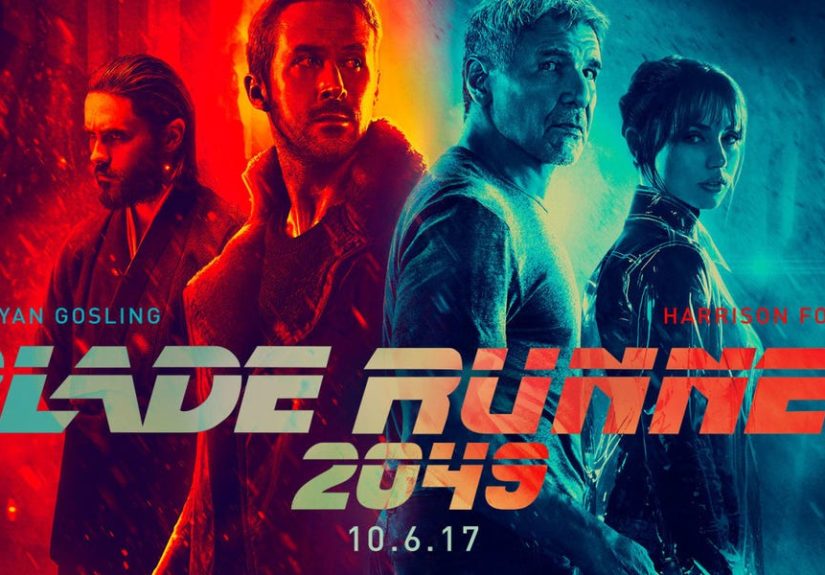
Set 30 years after the original film, Blade Runner 2049 follows Officer K, played with remarkable restraint by Ryan Gosling. K is a blade runner, a police agent tasked with “retiring” older rogue replicants. He is also a replicant himself, which gives the movie its first delicious existential headache. Imagine being assigned to hunt your own kind while also trying to figure out whether your memories, your feelings, and your identity are real. That is not a job; that is a philosophy final exam with a gun.
K’s routine assignment turns into a mystery that could destabilize the already broken social order. His investigation leads him toward buried truths, corporate power, false memories, emotional longing, and eventually Rick Deckard, the grizzled ghost of the original film played by Harrison Ford. The plot is deliberately guarded and spoiler-sensitive, but the core of the story is not really about twists. It is about identity, loneliness, memory, and what happens when artificial life begins asking deeply human questions.
Is Blade Runner 2049 Good? The Short Answer
Yes, but not in a crowd-pleasing, popcorn-flying, fist-pumping way. This is not the kind of sequel that wants to high-five you on the way out of the theater. It wants to stare into your soul, ask whether your childhood memories are factory-installed, and then leave you sitting in silence during the credits.
Blade Runner 2049 is good because it respects the original without becoming trapped inside it. It expands the mythology, deepens the emotional stakes, and preserves the franchise’s haunting ambiguity. At the same time, it stands on its own as a moody, richly textured neo-noir science fiction film. It is also good because it trusts the audience. It does not rush. It does not explain every symbol with a helpful neon arrow. It lets mystery breathe, which is both refreshing and risky.
Why Blade Runner 2049 Works So Well
1. The Visuals Are Flat-Out Stunning
Let’s begin with the obvious: this movie is gorgeous. Not “pretty for a franchise film” gorgeous. More like “every frame looks as if it was assembled by someone with a degree in cinematic sorcery” gorgeous. Roger Deakins’ cinematography is the kind of work that makes people use phrases like “visual poetry” without irony. The rain-soaked Los Angeles of the original returns, but the sequel broadens the world into dead industrial plains, radioactive orange wastelands, cavernous corporate temples, and ghostly ruins.
What makes the imagery land is that it is not empty spectacle. The world-building tells a story. Massive holograms emphasize loneliness. Brutalist interiors suggest dehumanization. Dust-choked exteriors feel like civilization after its moral battery died. Even the scale of the movie matters: people look tiny, swallowed by systems, architecture, and technology. This is science fiction as mood, design, and philosophy all at once.
2. Ryan Gosling Gives a Smart, Quiet Performance
Gosling’s performance as K is easy to underestimate because it is so controlled. He does not give you the big speeches, the dramatic breakdowns, or the emotional fireworks that usually scream “serious acting.” Instead, he works in micro-expressions, hesitations, posture, and silence. K is a character built around repression, routine, and programmed obedience. Watching Gosling slowly reveal cracks in that design is one of the movie’s best pleasures.
He makes K both distant and sympathetic. That balance matters because the movie needs us to care about a man who is not even sure he qualifies as a man. His emotional journey is not loud, but it is powerful. By the end, Gosling has turned a nearly blank surface into one of the most affecting sci-fi protagonists of the decade.
3. The Themes Actually Matter
Many modern blockbusters flirt with “big ideas” the way a student flirts with reading the assigned book: they wave at the concept and hope nobody notices. Blade Runner 2049 actually engages with its ideas. The film wrestles with memory, artificial consciousness, exploitation, manufactured desire, and the need to believe our lives mean something. It also asks a quietly devastating question: what if being special is less important than choosing to act with grace?
The movie’s treatment of identity is especially strong. K’s search is not just about discovering facts. It is about discovering whether inner experience matters if it was designed by someone else. That tension gives the film emotional depth. Whether you read it as a noir detective story, a philosophical fable, or a melancholy meditation on loneliness, the film keeps giving you material to chew on.
4. It Expands the Original Without Copying It
The best thing about this sequel is that it does not act like a museum tour. Yes, it honors the original Blade Runner. Yes, it preserves the noir atmosphere, the synthetic melancholy, and the uneasy moral terrain. But it also pushes outward. Officer K is not Rick Deckard 2.0. The conflict is not a simple reboot. The sequel introduces new emotional dynamics, new social tensions, and a different kind of protagonist.
That matters because legacy sequels often make the mistake of confusing recognition with storytelling. Blade Runner 2049 gives you echoes, but it also gives you growth. It understands that reverence alone is not art. You do not honor a classic by photocopying it; you honor it by making something worthy of standing beside it.
Where Blade Runner 2049 Struggles
1. The Pace Is Extremely Deliberate
Let’s be honest: this movie moves like it has all the time in the world and no intention of apologizing for that. At nearly two hours and forty-four minutes, Blade Runner 2049 is long, patient, and sometimes borderline hypnotic. For some viewers, that is part of the magic. For others, it will feel like being trapped in a very expensive dream where everybody speaks in elegant pauses.
The pacing is not accidental. Villeneuve wants the audience to sit in the world, absorb the textures, and feel the emotional emptiness of the characters. But there are stretches where the film risks mistaking slowness for profundity. Some scenes could have lost a minute or two without the sky falling. If your tolerance for meditative cinema is low, this will test you.
2. The Story Can Feel Dense and Remote
Though the core mystery is compelling, the plot can get knotty, especially in the middle stretch. There are times when the film feels almost too careful, too controlled, too interested in atmosphere to give the story stronger momentum. Some viewers will find that fascinating. Others may admire the movie more than they love it.
There is also a certain emotional coolness to the film. That is partly by design, of course, but it means some side characters remain more symbolic than fully lived-in. The movie often aims for haunting rather than warm, and while that choice is artistically coherent, it may leave some audiences craving a little more heartbeat beneath all the polished melancholy.
3. It Is Less Accessible Than Most Sci-Fi Hits
This is not a complaint so much as a reality check. Blade Runner 2049 is not built like mainstream blockbuster entertainment. It is cerebral, moody, sometimes abstract, and stubbornly uninterested in making itself easy. That helps explain why the film became a critical success but did not dominate the box office the way a giant franchise sequel usually might. It asks a lot from viewers: patience, attention, and a willingness to sit with ambiguity.
The Cast and Characters
Ryan Gosling leads the film beautifully, but the supporting cast adds texture across the board. Harrison Ford returns with the right amount of weariness and mythic weight. Ana de Armas brings tenderness and sadness to Joi, a role that could have been merely conceptual in weaker hands. Sylvia Hoeks is quietly terrifying as Luv, combining cold efficiency with flashes of emotional instability that make her one of the film’s most memorable presences.
Robin Wright gives the movie a stern moral edge, while Dave Bautista makes a huge impression in limited screen time. Jared Leto’s Niander Wallace is probably the most divisive major performance. Some viewers find him chilling; others may wish the villain were a little less theatrical and a little more human. Still, even when certain performances feel stylized, they fit the movie’s heightened, mythic tone.
How It Compares to the Original Blade Runner
The original Blade Runner is one of the foundational texts of modern science fiction cinema, so surpassing it was always going to be a nearly impossible assignment. Blade Runner 2049 does not quite replace the 1982 film in the cultural imagination, but it accomplishes something almost as impressive: it justifies its own existence.
In some ways, the sequel is more emotionally coherent and narratively focused. In other ways, it lacks the shock of the original’s influence and the raw singularity of seeing that world for the first time. The first film changed the visual language of science fiction. The sequel refines and extends that language with astonishing craft. So no, it does not erase the original. But it absolutely deserves to be mentioned in the same breath.
Final Verdict: Is the New Blade Runner Good?
Yes, the new Blade Runner is good. More than good, really. It is intelligent, visually breathtaking, emotionally melancholic, and unusually bold for a large-scale studio sequel. It is not flawless. It is long. It is heavy. It occasionally drifts into self-seriousness. But even its weaknesses are tied to its ambition, and that is a much better problem than being shallow, generic, or forgettable.
Blade Runner 2049 is the rare sequel that understands what made the original endure: not just style, not just lore, but mood, mystery, and moral uncertainty. It asks difficult questions, trusts the audience, and creates images that stick in the brain like half-remembered dreams. If you want a loud, easy sci-fi thrill ride, this may not be your movie. If you want a thoughtful, haunting, beautifully made experience, then yes, Blade Runner 2049 is absolutely worth watching.
More Experience With Blade Runner 2049: What Watching It Feels Like
Watching Blade Runner 2049 is less like consuming a standard movie and more like wandering through a carefully designed emotional weather system. The film does not merely tell a story; it surrounds you with one. The sounds groan, the buildings loom, the light glows through poison-colored haze, and suddenly you are not just observing the future you are sitting inside its exhaustion. That is one of the movie’s strangest achievements. It makes despair look mesmerizing without turning misery into empty decoration.
The first time many people watch it, they come away talking about the visuals, and fair enough. The giant holograms, the abandoned spaces, the ash-filled city, the orange ruins all of it lands with the force of remembered dreams. But on a second viewing, something else tends to happen. You start noticing how intimate the movie really is. Beneath the scale, Blade Runner 2049 is about private longing. It is about tiny emotional fractures in a giant collapsing world. That contrast gives the movie unusual power.
There is also a particular kind of sadness in the film that lingers longer than the plot details do. K is not just solving a mystery. He is trying to understand whether his inner life belongs to him. Joi is not just a futuristic concept; she represents companionship filtered through commerce and code. Deckard is not simply legacy casting; he feels like a man who has lived too long with memory and regret. Even the villain’s ambitions carry a bizarre emptiness. Everyone wants something real in a world built on simulation, hierarchy, and control.
That emotional aftertaste is why the movie keeps returning to conversation years after release. It is not only “good for a sequel.” It is the kind of film that grows in memory. You revisit scenes in your head. You think about specific lines. You replay the ending. You argue with yourself about what the movie believes regarding humanity, freedom, and love. That is not the behavior of disposable entertainment. That is the mark of a film that actually got under your skin.
And yes, part of the experience is simply surrendering to its pace. In a time when many big movies are edited like they are terrified you might glance at your phone, Blade Runner 2049 feels almost rebellious. It asks you to slow down, to look, to listen, and to stay uncomfortable. That will frustrate some viewers. But for others, it is exactly why the film feels special. It does not treat attention like a burden. It treats it like part of the art.
So if you are deciding whether to watch it, the best advice is simple: meet the movie where it lives. Do not expect a conventional blockbuster rhythm. Expect immersion. Expect mood. Expect questions that do not tie themselves into neat little bows. And expect at least one moment where you stare at the screen and think, “Well, that was haunting.” Maybe even twice. Probably more.







 Close
Close