
Table of Contents >> Show >> Hide
- What Endometriosis Is, and Why Hormones Matter
- How Birth Control Treats Endometriosis Symptoms
- Which Birth Control Options Are Commonly Used for Endometriosis?
- What Symptoms Can Birth Control Help?
- What Birth Control Cannot Do
- How Long Does It Take to Work?
- Possible Side Effects and Safety Considerations
- When Other Treatments May Be Needed
- What Real-Life Experiences With Birth Control for Endometriosis Often Look Like
- Final Thoughts
- SEO Tags
Endometriosis is one of those conditions that can make a monthly period feel less like a routine biological event and more like a badly planned ambush. For many people, it brings pelvic pain, cramping, bloating, fatigue, heavy bleeding, and a general sense that their calendar is being run by an extremely rude uterus. So it makes sense that one of the most common questions after diagnosis is this: Can birth control actually help endometriosis symptoms?
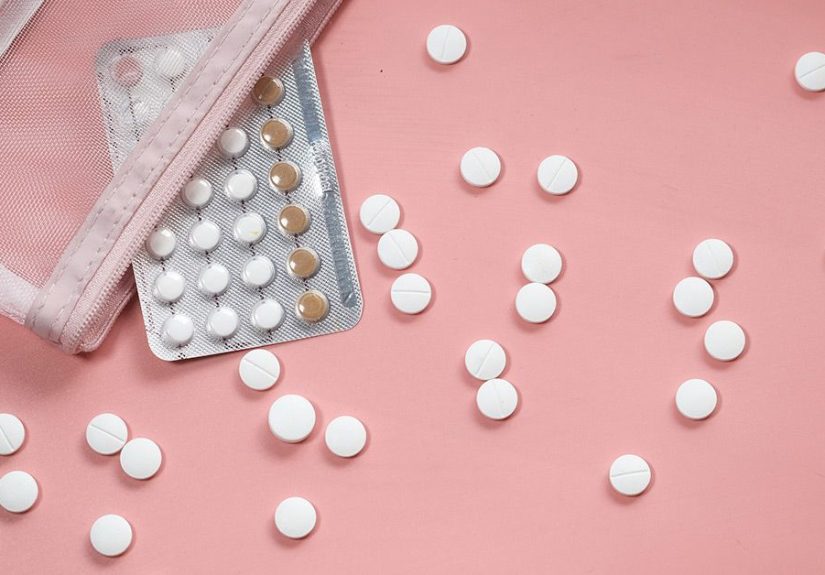
The answer is yes, often quite a bit. While birth control does not cure endometriosis, it is commonly used to treat the symptoms that make daily life harder. In many cases, hormonal birth control helps by reducing bleeding, calming hormone swings, and lowering the monthly “fuel supply” that can make endometriosis pain worse. That is why many clinicians consider it a first-line treatment, especially for people who want symptom relief and are not trying to get pregnant right now.
If that sounds a little unfair, welcome to gynecology: the medicine is called birth control, but one of its biggest jobs in endometriosis treatment has nothing to do with avoiding pregnancy and everything to do with helping people feel more human.
What Endometriosis Is, and Why Hormones Matter
Endometriosis happens when tissue similar to the lining of the uterus grows outside the uterus. These growths can show up on the ovaries, fallopian tubes, outer surfaces of the uterus, and other areas in the pelvis. Even though the tissue is in the wrong place, it can still respond to hormones, especially estrogen, much like the uterine lining does during the menstrual cycle.
That hormonal response is a big reason symptoms can flare around a period. As hormone levels rise and fall, endometriosis-related tissue may become more active, contributing to inflammation, pain, swelling, and irritation in nearby structures. This is why hormonal treatment is such a big deal. If you can steady, suppress, or reshape the hormone pattern, you can often reduce the symptoms that come with it.
That is where birth control enters the picture. Instead of simply preventing ovulation for contraception, it can also help regulate the cycle in a way that makes endometriosis less disruptive.
How Birth Control Treats Endometriosis Symptoms
1. It suppresses ovulation and smooths out hormone swings
Many hormonal birth control methods work by stopping ovulation or reducing the hormonal ups and downs that happen across the month. That matters because endometriosis tends to be hormone-responsive. Fewer dramatic fluctuations can mean fewer symptom spikes.
Think of it this way: if your cycle normally behaves like a chaotic group chat, hormonal birth control can sometimes mute the notifications.
2. It reduces or eliminates periods
One of the biggest benefits of birth control for endometriosis is that it can make periods lighter, shorter, less frequent, or in some cases stop them for a while. This is especially true when a clinician recommends continuous or extended-cycle use, such as skipping the placebo week in a pill pack.
Why does that help? Less bleeding often means less cramping, less pelvic irritation, and fewer monthly flare-ups. For some patients, having fewer periods each year is not just convenient. It is the difference between functioning and being flattened by pain.
3. It may slow the activity of endometriosis tissue
Birth control does not erase endometriosis lesions, and it does not reverse every effect the disease may have already caused. But it may help slow the ongoing stimulation of hormone-sensitive tissue. In plain English, it often makes the condition less loud.
That is an important distinction. Hormonal birth control is typically a symptom-management tool, not a permanent fix. Still, symptom management is not a small thing. Sleeping better, missing fewer workdays, getting through class, being able to exercise, or making it through the month without a heating pad glued to your body all count as major wins.
Which Birth Control Options Are Commonly Used for Endometriosis?
There is no one-size-fits-all winner. Different people respond differently, and treatment often depends on symptoms, side effect tolerance, medical history, and future pregnancy plans. Common options include the following:
Combined hormonal birth control
This category includes:
- Combination birth control pills
- The patch
- The vaginal ring
These methods contain both estrogen and progestin. They are often prescribed first because they are familiar, widely available, and effective for many people with endometriosis-related pain. They can be used in the standard monthly way or continuously to reduce bleeding episodes.
Continuous use is especially worth noting. Instead of taking a hormone-free break and having a withdrawal bleed each month, some patients take active hormones continuously for longer stretches. The goal is simple: fewer periods, fewer pain flares, fewer days feeling betrayed by your pelvis.
Progestin-only options
These may include:
- Progestin-only pills
- The birth control shot
- The implant
- A hormonal IUD
Progestin-only methods can be especially useful for people who should avoid estrogen or who simply do better on a progestin-only approach. These methods may help reduce bleeding and pelvic pain, and some can stop periods altogether over time.
The hormonal IUD is often discussed because it can reduce bleeding and pain for many patients. That said, it is not magic, and it may not relieve every symptom equally well in every person with endometriosis. Some people love it. Some do not. Endometriosis has a frustrating talent for making treatment deeply individual.
What Symptoms Can Birth Control Help?
Hormonal birth control may help with several common endometriosis symptoms, including:
- Painful periods
- Chronic pelvic pain
- Heavy menstrual bleeding
- Bloating around the cycle
- Pain that worsens during menstrual flares
- Some day-to-day disruption caused by recurring symptoms
For some people, the biggest improvement is less severe cramping. For others, it is the ability to have fewer periods. Some notice that the “background pain” eases a little, even outside menstruation. And some people get only partial relief, which is still meaningful if pain drops from unbearable to manageable.
That said, response varies. Endometriosis is not a polite condition, and it does not always read the treatment plan. Birth control can help a lot, help a little, or help for a while and then need adjustment.
What Birth Control Cannot Do
It is important to keep expectations realistic. Birth control can be very effective for symptom control, but it is not a cure for endometriosis. If you stop treatment, symptoms may come back. It also does not remove scar tissue, adhesions, or existing endometriosis lesions the way surgery may in selected cases.
It is also not the best choice for everyone. If someone is actively trying to become pregnant, hormonal suppression is usually not the right path at that moment because these treatments work by interfering with ovulation or the menstrual cycle. In those cases, a clinician may discuss other strategies depending on symptoms and fertility goals.
Another practical point: hormonal birth control does not protect against sexually transmitted infections. That is not the main point of an endometriosis article, but it is still worth saying because real-life health decisions do not happen in neatly separated categories.
How Long Does It Take to Work?
This is where patience becomes part of the prescription. Some people notice improvement within the first few cycles, while others need more time. It may take a few months to know whether a method is really helping, especially if the goal is to reduce period frequency, bleeding, or chronic pelvic pain over time.
There can also be an adjustment phase. Breakthrough bleeding, mild nausea, breast tenderness, bloating, headaches, or mood changes can happen early with some methods. Sometimes these side effects improve after the body adjusts. Sometimes they do not, which is one reason follow-up matters.
The good news is that there are multiple hormonal options. If the first method is a bad fit, that does not mean hormonal treatment as a whole has failed. It may just mean the specific formulation was not your match. Dating apps wish they had that kind of built-in explanation.
Possible Side Effects and Safety Considerations
Like any medication, birth control comes with possible side effects and risks. These vary by method. Combination estrogen-progestin options may cause spotting, nausea, headaches, breast tenderness, or bloating. They also carry certain medical risks in some patients, including blood clot risk, which is why a health care professional should review personal history before prescribing them.
Progestin-only options may also have side effects, such as irregular bleeding, mood changes, acne, or weight-related concerns depending on the method and the individual. A hormonal IUD can cause irregular bleeding at first. The shot may be effective for symptom control, but it is not ideal for every patient and may require a broader conversation about long-term use and side effects.
This is one of the most important takeaways: the best birth control for endometriosis is the one that helps your symptoms without causing side effects you hate enough to launch into the sun. That balance is personal, and sometimes it takes trial and error.
When Other Treatments May Be Needed
If birth control is not working well enough, a clinician may recommend other treatments. These can include NSAIDs for pain, progestin therapies, GnRH agonists or antagonists, add-back therapy to reduce side effects from stronger hormone suppression, or surgery in selected cases.
Surgery may be considered if symptoms remain severe, if imaging suggests complications such as endometriomas, if diagnosis is still uncertain, or if fertility goals change the treatment equation. Hormonal birth control is often the opening act, but it is not always the whole show.
What Real-Life Experiences With Birth Control for Endometriosis Often Look Like
In real life, the experience of using birth control for endometriosis is often less like flipping a switch and more like adjusting a complicated soundboard. One person may start a continuous pill and realize, two months later, that they are no longer curled up in bed for two days every period. Another may love the symptom relief but hate the nausea. Someone else may get a hormonal IUD and feel thrilled that bleeding becomes lighter, while still needing another strategy for deeper pelvic pain. The range is wide, and that does not mean anyone is “doing treatment wrong.” It just means endometriosis is stubborn.
Many patients describe the first major relief as simple things that healthy people rarely have to celebrate: being able to sit through class, drive to work, wear normal clothes without pressure making their abdomen angry, or go out to dinner without calculating where the nearest heating pad is. Endometriosis can shrink daily life in quiet ways, so improvement often feels surprisingly emotional. Sometimes the win is not “I feel amazing.” It is “I can function again,” which is huge.
Another common experience is trial and error. A patient may try one pill, deal with spotting for weeks, switch to another formulation, then finally land on something that reduces cramps and heavy bleeding without wrecking mood or energy. That process can be frustrating, but it is also normal. Hormonal treatments are not custom-tailored from the start, so clinicians often make adjustments based on how symptoms and side effects play out over time.
There is also the reality that symptom relief may be uneven. A person might see dramatic improvement in period pain but still deal with bloating or bowel discomfort during flares. Another might notice less bleeding but ongoing fatigue. This can feel discouraging, especially when someone hoped birth control would solve everything. But partial relief still matters, and it can be part of a larger treatment plan that includes pain management, pelvic floor physical therapy, lifestyle adjustments, or later evaluation for other therapies.
For teenagers and young adults, birth control for endometriosis can bring another layer of experience: having to explain, over and over, that the medication is not “just for sex.” It may be prescribed to treat a medical condition, reduce missed school days, and help someone regain quality of life. That misunderstanding can be annoying, to put it politely. The truth is that hormonal therapy is often a legitimate and important medical treatment in this setting.
Perhaps the most honest summary of patient experience is this: birth control for endometriosis can be life-changing, mildly helpful, or merely one stepping stone on the way to a better plan. It may take time. It may require switching methods. It may improve pain enough to change daily life. And even when it is not perfect, it often gives people something deeply valuable: a little more predictability in a condition that loves chaos.
Final Thoughts
Birth control is one of the most common and practical tools for treating endometriosis symptoms. It can reduce painful periods, lessen bleeding, smooth out hormone shifts, and in some cases give people fewer periods and fewer flare-ups overall. Combined hormonal methods and progestin-only options can both play an important role, especially when tailored to a patient’s symptoms and health history.
Still, it is not a cure, and it is not the right fit for every person or every life stage. The goal is not to force one method to work. The goal is to find a treatment plan that improves quality of life, respects future fertility plans, and keeps symptoms from running the entire show. If endometriosis has been making your life smaller, effective symptom control can make it feel bigger again, and that is no small thing.





 Close
Close