
Table of Contents >> Show >> Hide
- Why Coffee Stains Mugs So Easily
- The Best Overall Method: Baking Soda Paste
- White Vinegar for Set-In Coffee Stains
- Denture Tablets: The Low-Effort Soak
- Lemon Juice for Light Stains and Fresh Smell
- Dishwasher Detergent Soak for Tough Mug Stains
- Melamine Sponge for Quick Surface Stains
- Hydrogen Peroxide and Baking Soda for Deep Discoloration
- What About Bleach?
- How to Clean Coffee Stains from Different Mug Types
- Common Mistakes to Avoid
- How to Prevent Coffee Stains in Mugs
- Best Cleaning Method by Situation
- Real-Life Experience: What Actually Works Best in a Busy Kitchen
- Conclusion
Every coffee drinker has a mug that tells a story. Unfortunately, that story is often written in brown rings, shadowy streaks, and a mysterious stain near the handle that looks like it has been paying rent since 2019. The good news? Coffee stains on mugs are common, stubborn, and usually very fixable. You do not need a commercial cleaning arsenal, a dramatic kitchen makeover, or a motivational speech from your dishwasher. In most cases, you only need a few simple household ingredients and the right technique.
This guide covers the best ways to clean coffee stains from mugs, from gentle daily fixes to deeper stain-removal methods for ceramic, porcelain, glass, stainless steel, and travel mugs. You will also learn what causes coffee stains, which cleaners are safe to use, what to avoid, and how to keep your favorite mug looking bright without scrubbing like you are sanding a canoe.
Why Coffee Stains Mugs So Easily
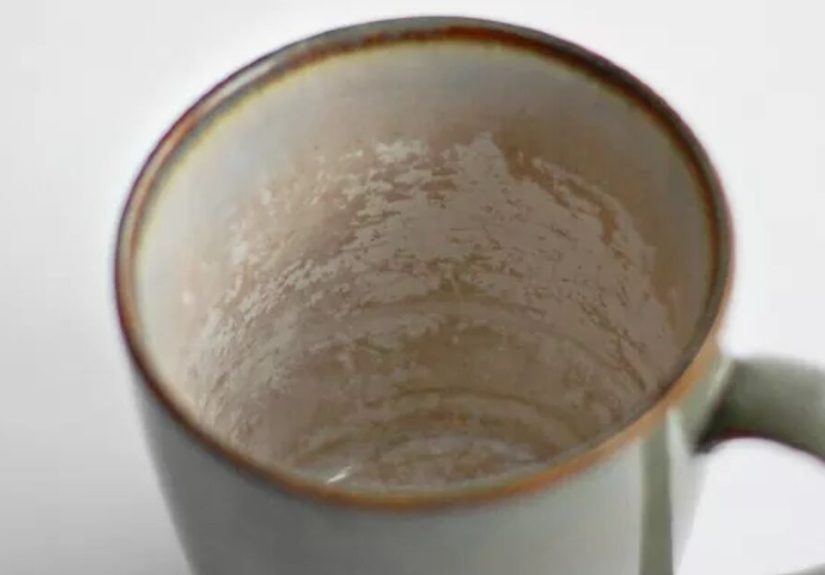
Coffee stains are not just “dirty mug marks.” They are usually a mix of coffee oils, tannins, pigments, and residue that cling to the inside of the cup. Over time, these compounds settle into tiny scratches, worn glaze, hard-water deposits, or porous surfaces. That is why a mug can look clean after washing but still have a beige or brown film inside.
Hot coffee can also make staining worse because heat helps pigments bond to surfaces. Add cream, sugar, flavored syrups, or a long afternoon of forgetting your mug on the desk, and the stain gets more comfortable. Basically, coffee behaves like that friend who says they are “just stopping by” and then stays for dinner.
The Best Overall Method: Baking Soda Paste
If you only try one method, make it baking soda. It is inexpensive, easy to find, mildly abrasive, and gentle enough for most ceramic and porcelain mugs. Baking soda works because it helps loosen stuck-on residue without the harsh scratch risk of steel wool or gritty scouring powders.
How to Clean Coffee Stains with Baking Soda
- Wash the mug first with warm water and dish soap.
- Sprinkle 1 to 2 teaspoons of baking soda inside the mug.
- Add a few drops of water to form a thick paste.
- Use a soft sponge, dishcloth, or soft-bristle brush to scrub the stained areas in small circles.
- Let the paste sit for 5 minutes if the stain is stubborn.
- Rinse thoroughly and wash again with dish soap.
This method is especially useful for white mugs, light-colored interiors, and everyday coffee rings. It is also a smart first step because it does not leave a strong smell. Nobody wants tomorrow’s coffee with a surprise hint of vinegar, lemon, or “science experiment.”
White Vinegar for Set-In Coffee Stains
White vinegar is another reliable option for coffee-stained mugs, especially when the stain is mixed with mineral buildup from hard water. Vinegar’s acidity helps break down residue and loosen discoloration. It is not as physically scrubby as baking soda, so it works best as a soak or as part of a paste.
Simple Vinegar Soak
- Fill the mug halfway with distilled white vinegar.
- Top it off with hot water.
- Let it sit for 15 to 30 minutes.
- Scrub with a soft sponge.
- Wash thoroughly with dish soap and rinse well.
For deeper stains, try a salt-and-vinegar paste. Mix equal parts table salt and white vinegar, rub it gently over the stain, let it sit for a few minutes, and rinse. Salt adds scrubbing power, while vinegar helps loosen the stain. Use this carefully on delicate mugs because salt can be more abrasive than baking soda.
Denture Tablets: The Low-Effort Soak
Denture tablets are surprisingly useful for cleaning coffee stains from mugs, travel cups, and narrow containers that are annoying to scrub. When dropped into water, they fizz and release oxygen-based cleaning action that helps lift stains and odors. This method is ideal when you want the mug to clean itself while you do something more exciting, like ignoring laundry.
How to Use Denture Tablets on Coffee Mugs
- Fill the stained mug with warm water.
- Drop in one denture-cleaning tablet.
- Let it fizz and soak for 15 to 30 minutes, or longer for heavy stains.
- Empty the mug and scrub lightly with a soft sponge.
- Wash with dish soap and rinse very well.
Denture tablets are particularly helpful for travel mugs, tall tumblers, and cups with tight corners. However, always check the manufacturer’s care instructions, especially for painted, metallic, handmade, or antique mugs.
Lemon Juice for Light Stains and Fresh Smell
Lemon is a pleasant, natural option for light coffee stains. The acid in lemon juice can help break down surface residue, and the fresh scent is a bonus. This method is better for mild stains than old, dramatic ones that look like they have a backstory.
How to Clean a Mug with Lemon
- Cut a lemon wedge.
- Rub the cut side over the stained interior of the mug.
- Let the juice sit for 5 minutes.
- Scrub with a soft sponge.
- Wash and rinse thoroughly.
Lemon is useful when your mug needs a quick refresh, but it may not remove deep brown rings by itself. For better results, combine lemon juice with a small amount of baking soda to make a foaming paste. Just do this in the sink because the fizz can get enthusiastic.
Dishwasher Detergent Soak for Tough Mug Stains
Powdered dishwasher detergent can help lift stubborn coffee residue, especially on durable ceramic or glass mugs. This method is stronger than baking soda, so it is best for mugs that are plain, sturdy, and not decorated with metallic trim or delicate designs.
How to Use Dishwasher Detergent Safely
- Add a small amount of powdered dishwasher detergent to the mug.
- Fill the mug with hot water.
- Let it soak for 30 minutes.
- Scrub gently with a sponge.
- Wash thoroughly before using the mug again.
This is a good option when the coffee stain has survived regular dishwashing. Rinse carefully afterward because leftover detergent can affect taste and may irritate skin or mouth if not fully removed.
Melamine Sponge for Quick Surface Stains
A melamine sponge, often sold as a “magic eraser,” can remove coffee stains quickly because it acts like an ultra-fine abrasive. It works well on glazed ceramic and porcelain interiors, but it should be used gently. Think of it as polishing, not punishing.
Wet the sponge, squeeze out excess water, and rub the stained area lightly. After the stain lifts, wash the mug with dish soap. Do not use melamine sponges on glossy decorative finishes, hand-painted mugs, metallic details, or surfaces that may scratch easily.
Hydrogen Peroxide and Baking Soda for Deep Discoloration
For mugs with heavy discoloration, a paste made from hydrogen peroxide and baking soda can be effective. Baking soda provides gentle abrasion, while hydrogen peroxide helps brighten stains. This method is best for white or light-colored ceramic interiors.
How to Make the Paste
- Mix baking soda with enough hydrogen peroxide to form a paste.
- Apply it to the stained areas.
- Let it sit for about 10 minutes.
- Scrub gently with a soft sponge.
- Wash and rinse thoroughly.
Do not mix hydrogen peroxide with vinegar, bleach, or other cleaning chemicals. More ingredients do not always mean more cleaning power. Sometimes it just means your kitchen is auditioning for a warning label.
What About Bleach?
Bleach can remove stains, but it should not be the first choice for cleaning coffee mugs. It has a strong smell, requires careful dilution and rinsing, and is not suitable for every material. If you use bleach at all, only use it on plain, durable mugs and never mix it with vinegar, ammonia, or any other cleaner. For most households, baking soda, vinegar, denture tablets, or oxygen-based methods are safer and more practical.
How to Clean Coffee Stains from Different Mug Types
Ceramic and Porcelain Mugs
Ceramic and porcelain mugs are usually the easiest to clean. Start with baking soda paste, then move to vinegar soak or denture tablets if needed. Avoid steel wool because it can scratch the glaze, and scratches make future stains harder to remove.
Glass Mugs
Glass mugs can show coffee film and cloudy mineral residue. Vinegar is excellent for mineral buildup, while baking soda helps with brown stains. Use a soft sponge to avoid dulling the surface.
Stainless Steel Travel Mugs
Stainless steel tumblers and travel mugs can trap coffee odors as well as stains. Denture tablets or baking soda soaks work well. Remove lids, gaskets, straws, and seals before cleaning because old coffee loves hiding in tiny rubber parts like it is in witness protection.
Handmade, Painted, or Vintage Mugs
Be gentle with handmade or vintage mugs. Avoid abrasive scrubbers, harsh cleaners, long soaks, and very hot water unless the maker’s instructions say they are safe. Use mild dish soap first, then try a soft baking soda paste on a small hidden area.
Common Mistakes to Avoid
The biggest mistake is scrubbing too hard with the wrong tool. Steel wool, rough scouring pads, and harsh powders may remove today’s stain but leave tiny scratches that invite tomorrow’s stain to move in with luggage.
Another mistake is skipping the final wash. After using baking soda, vinegar, lemon, denture tablets, or peroxide, always wash the mug with dish soap and rinse thoroughly. The mug should smell like nothing before coffee touches it again.
Also, do not mix cleaning products. Vinegar and bleach should never be combined. Bleach and ammonia should never be combined. Hydrogen peroxide should not be mixed casually with other cleaners. When cleaning a mug, simple is safer and usually more effective.
How to Prevent Coffee Stains in Mugs
Prevention is easier than stain removal. Rinse your mug soon after finishing coffee, especially if you drink dark roast, espresso, or coffee with sugar. The longer coffee sits, the more time it has to cling to the surface.
- Rinse mugs right after drinking coffee.
- Wash with dish soap daily instead of relying only on a quick rinse.
- Use a bottle brush for travel mugs and narrow cups.
- Deep-clean favorite mugs once a week with baking soda.
- Let mugs dry completely before storing them.
- Clean lids, seals, and straws separately.
If your mug has permanent staining even after cleaning, inspect the interior. A cracked glaze, rough surface, or deep scratches may be holding onto coffee residue. At that point, the mug may still be usable, but it will stain again faster.
Best Cleaning Method by Situation
| Situation | Best Method | Why It Works |
|---|---|---|
| Light daily coffee rings | Baking soda paste | Gentle abrasion lifts surface stains |
| Hard-water film plus coffee stains | White vinegar soak | Acid helps dissolve mineral buildup |
| Travel mug stains and odors | Denture tablet soak | Fizzing action reaches tight spaces |
| White mug discoloration | Baking soda and hydrogen peroxide | Brightens and loosens deeper stains |
| Fast touch-up | Melamine sponge | Removes surface marks quickly |
Real-Life Experience: What Actually Works Best in a Busy Kitchen
In everyday life, the best way to clean coffee stains from mugs is not always the fanciest method. It is the method you will actually use before the mug becomes a tiny ceramic cave painting. After testing different approaches in a normal kitchen routine, baking soda paste is the clear winner for most people. It is quick, cheap, and does not require planning ahead. You can use it while the kettle heats, while toast is browning, or while you pretend you are not checking your phone for the third time in five minutes.
The experience usually goes like this: you notice your favorite mug has a brown ring that refuses to leave. Regular dish soap helps with fresh coffee, but old stains laugh at dish soap. A teaspoon of baking soda and a few drops of water change the situation fast. The paste clings to the stain, gives the sponge enough grip, and starts lifting the brown film within seconds. For most ceramic mugs, you can see the difference immediately. It is satisfying in the same way peeling a sticker cleanly off a jar is satisfying: small, domestic, and strangely powerful.
Vinegar is better when the mug has both coffee stains and a dull, cloudy layer. This happens often in homes with hard water. A vinegar soak makes the mug feel cleaner, but the smell can be annoying if you do not rinse well. The trick is to treat vinegar like a supporting actor, not the star of every cleaning scene. Use it when mineral buildup is part of the problem, then finish with dish soap so your next cup of coffee does not taste like a salad dressing internship.
Denture tablets are the best lazy-day method. They are especially helpful for tall travel mugs because scrubbing the bottom of those things can feel like trying to clean a chimney with a toothbrush. Drop in a tablet, add warm water, let it fizz, and come back later. The results are usually good, though heavy stains may still need a quick scrub afterward. The real advantage is convenience. It reaches places your sponge cannot, including corners, seams, and narrow bottoms.
One lesson learned the hard way: do not attack every mug with aggressive scrubbers. A rough pad might make a stained mug look better today, but it can damage the surface and make stains return faster. This is especially true with glossy ceramic interiors and decorated mugs. Gentle cleaning takes a little patience, but it protects the mug. If the mug says “World’s Okayest Morning Person,” it deserves dignity.
Another practical tip is to clean mugs before stains look terrible. A weekly baking soda scrub takes less than two minutes and keeps stains from building up. Travel mugs need extra attention because the lid often smells worse than the cup looks. Remove every gasket and sliding piece you can safely remove, clean them separately, and let everything dry before reassembling. Coffee trapped under a rubber seal can create odors that no amount of fresh brew can disguise.
The final experience-based takeaway is simple: match the method to the mess. Baking soda paste is best for regular stains. Vinegar is best for mineral film. Denture tablets are best for hard-to-reach interiors. Lemon is pleasant but mild. Melamine sponges are quick but should be used carefully. Once you understand that, cleaning coffee stains becomes less of a chore and more of a tiny kitchen victory. Your mug looks better, your coffee tastes cleaner, and your morning routine feels just a little more put togethereven if your hair says otherwise.
Conclusion
The best ways to clean coffee stains from mugs are simple, affordable, and surprisingly effective. Start with baking soda paste for most stains, use vinegar when hard-water buildup is involved, try denture tablets for travel mugs and narrow cups, and save stronger methods for truly stubborn discoloration. The secret is not scrubbing harder; it is choosing the right cleaner for the stain and the mug material.
A clean mug does more than look nice. It helps coffee taste better, keeps odors away, and makes your kitchen feel a little more cared for. And honestly, if your mug is going to support you through Monday mornings, inbox chaos, and that third cup you “definitely did not need,” the least you can do is give it a proper scrub.







 Close
Close