
Table of Contents >> Show >> Hide
- The Direct Answer: Are Bathtub Access Panels Required?
- Why the Answer Changes From One Tub to Another
- What the Codes and Rules Usually Mean in Practice
- When an Access Panel Is Smart Even If You Think You Can Skip It
- What Makes a Bathtub Access Panel “Good” Instead of Merely “Present”?
- Situations Where You May Not Need a Dedicated Access Panel
- Red Flags That Tell You an Access Panel Probably Should Be There
- Best Practices for Homeowners and Remodelers
- Experience-Based Lessons From Real Bathtub Access Problems and Fixes
- Final Verdict
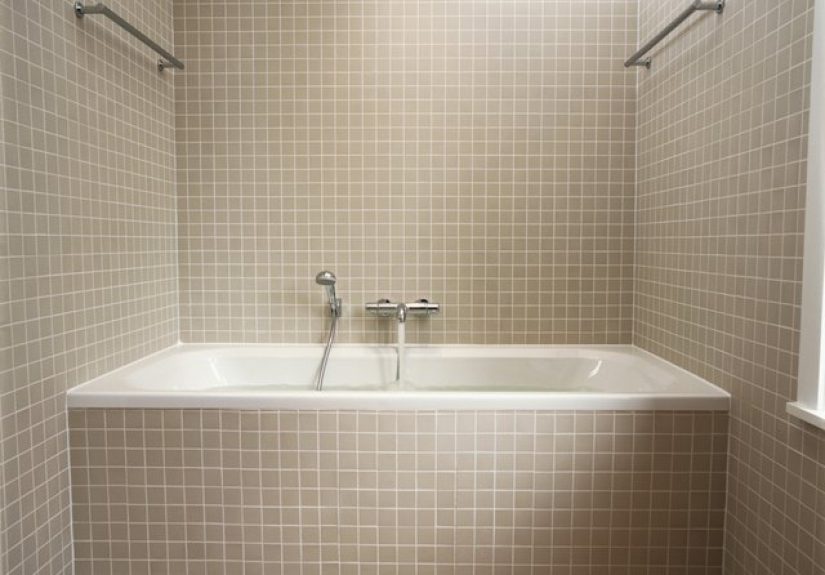
If you have ever stared at a tiled tub deck and thought, “Surely there is a civilized way to reach the plumbing without turning my bathroom into a demolition derby,” you are asking exactly the right question. A bathtub access panel is one of those unglamorous details nobody posts on social media, yet it can save a remodel, simplify repairs, and prevent a future plumber from giving your drywall the side-eye.
The short answer is this: sometimes yes, sometimes no, and sometimes “not technically universal, but you would be very brave to skip it.” For a basic soaking tub, there is not one blanket national rule that says every single tub must have a visible access panel. But once you add a whirlpool pump, hydromassage components, concealed slip-joint waste fittings, certain valves, or manufacturer-specific service requirements, access stops being a nice idea and starts becoming a code issue, a repair issue, or both.
That is why homeowners, contractors, and inspectors keep circling back to the same practical truth: if the bathtub plumbing or equipment may need service, you need a realistic way to reach it. Otherwise, your future “repair strategy” may involve a pry bar, a drywall saw, and several new vocabulary words.
The Direct Answer: Are Bathtub Access Panels Required?
For a standard bathtub: not always by a single across-the-board rule. In many ordinary alcove tub installations, the drain and supply connections may be reachable from below, from the room behind the plumbing wall, or through other approved access. In some cases, local code does not require a dedicated panel if the concealed waste-and-overflow assembly is fully glued and contains no slip joints.
For whirlpool, jetted, spa, or hydromassage tubs: usually yes. If there is a pump, blower, inline heater, circulation equipment, or serviceable mechanical component, access is commonly required by code, manufacturer instructions, or both. And the opening has to be large enough to remove and replace the equipment, not just large enough for someone to stick in two nervous fingers and hope for the best.
For remodels: local requirements matter a lot. Some jurisdictions specifically require access panels for mixing valves, tub P-traps, waste-and-overflow assemblies, and whirlpool pumps. So the real answer is not just “what type of tub do I have?” but also “what does my local plumbing code require?” and “what does the tub manufacturer say?”
Why the Answer Changes From One Tub to Another
1. Standard soaking tubs are simpler
A regular bathtub usually has a drain, overflow, trap, water supplies, and a valve system. If those connections are permanently glued, straightforward, and accessible from another side, some jurisdictions will not insist on a separate decorative access door in the finished bathroom wall.
2. Whirlpool and hydromassage tubs have equipment that can fail
Pumps wear out. Blowers fail. Inline heaters need service. Electrical and mechanical components need inspection and replacement. That is why codes and installation manuals are much stricter with these tubs. Service access is not just convenient; it is part of making the tub maintainable and safe.
3. Hidden slip joints are the usual troublemakers
Many local handouts require access when a concealed slip-joint P-trap, waste, or overflow assembly is used. Why? Because slip-joint connections are serviceable fittings. Serviceable fittings hidden forever behind tile are a bit like burying your car keys in concrete and calling it “minimalist design.”
4. Manufacturer instructions can create the real-world requirement
Even when homeowners assume code is silent, the installation manual may require an access opening for pump servicing, drain connections, or controls. Since tubs must generally be installed according to manufacturer instructions, those instructions matter. A lot.
What the Codes and Rules Usually Mean in Practice
The safest way to think about bathtub plumbing access is this: the more serviceable parts you hide, the more likely an access panel becomes required.
In UPC-style language used in many places, whirlpool bathtubs are installed according to the manufacturer’s instructions, and access openings must allow removal and replacement of the circulation pump. Some ICC-based rules go further and give minimum opening sizes when the manufacturer does not. A common benchmark is a 12-by-12-inch opening, increasing to 18 by 18 inches if the pump sits more than 2 feet from the opening. The opening must remain unobstructed and large enough to remove the pump.
Some California remodel handouts say whirlpool tubs need a readily accessible panel and also require a 12-by-12-inch access panel when a concealed slip-joint P-trap waste-and-overflow assembly is used. Minnesota municipal guidance can be even more explicit, requiring access panels for whirlpool recirculating pumps and for tub P-traps, waste, and overflow assemblies, while carving out an exception for fully glued assemblies with no slip joints.
That distinction is important. If your tub plumbing is all glued, permanently assembled, and accessible another way, a dedicated wall panel may not be mandatory. But if you are using serviceable fittings, mechanical components, or local rules that call for ready access, the panel is no longer optional in any practical sense.
There is also a federal clue worth noticing: manufactured housing rules specifically require a door or panel large enough to access a hydromassage bathtub pump for repair or replacement. So when a tub includes equipment, the regulatory pattern is very clear. Access is expected.
When an Access Panel Is Smart Even If You Think You Can Skip It
Plenty of bathtub repairs have nothing to do with the glamorous parts of the bathroom. More often, the culprit is a leaking overflow gasket, a loose drain shoe, a failing valve connection, or a shutoff that nobody can reach quickly enough. That is where a simple access panel earns its keep.
Leak detection gets much easier
A slow leak behind a tub can soak framing, ruin drywall, feed mold, and quietly transform a tiny plumbing issue into a carpentry problem. With access, you can inspect the overflow, trap, drain shoe, and supply side before the bathroom starts smelling like a wet attic.
Repairs are faster and cheaper
Without access, the “repair” often includes cutting drywall from the adjacent room, removing tile, or opening the ceiling below. With access, a plumber can diagnose the problem in minutes rather than beginning with exploratory surgery.
Future upgrades stay possible
Need to replace a pump? Upgrade trim? Inspect shutoff valves? Change a failing waste-and-overflow assembly? Good access means those jobs stay annoying, not catastrophic.
Home inspections go more smoothly
Inspectors love being able to verify that whirlpool components are accessible and that plumbing is not hidden behind a permanent finish with no service path. A hidden-but-unreachable system tends to raise eyebrows, and eyebrows are never the goal during a sale.
What Makes a Bathtub Access Panel “Good” Instead of Merely “Present”?
It is in the right location
For a conventional tub, the best spot is usually on the plumbing wall side or in the adjacent room behind the valve and drain end. For a whirlpool tub, the panel should be positioned where the pump, blower, heater, and service points can actually be reached.
It is large enough
A tiny cosmetic panel is not helpful if the part cannot be removed through the opening. “Accessible” means more than “theoretically visible with a flashlight.” If the equipment must be replaced, the opening must allow replacement.
It stays unobstructed
Do not place the panel behind a built-in cabinet, inside a packed closet, or under a platform that requires acrobatics and regret. Access that requires moving furniture, removing trim, and apologizing to three houseplants is not good access.
It suits the finish
The good news is that access panels do not have to look industrial. Paintable plastic panels, tile-ready doors, flush drywall panels, and concealed panels can keep the bathroom looking polished while still allowing service.
Situations Where You May Not Need a Dedicated Access Panel
There are real scenarios where a separate access panel is not required, or at least not specifically mandated:
Freestanding tubs with open underside access
Some freestanding tubs already allow reasonable access to the drain and related connections from below or around the fixture, especially during installation and service.
Fully glued waste-and-overflow assemblies
Several local guides exempt fully glued P-traps, waste, and overflow assemblies with no slip joints from separate panel requirements. This exception does not apply everywhere, but it shows why the exact plumbing method matters.
Access from below or behind
If the tub sits over an unfinished basement or crawlspace, or the backside of the plumbing wall opens into a utility area, access may already exist. In that case, a visible bathroom-side panel may not be necessary.
Simple alcove tubs with no service equipment
A basic alcove tub with straightforward plumbing, no pump, no blower, and compliant concealed connections may pass without a special panel, especially when the local inspector accepts another service route.
Red Flags That Tell You an Access Panel Probably Should Be There
If any of these apply, skipping access is a risky move:
You have a jetted or whirlpool tub. Mechanical equipment means service access.
The waste-and-overflow uses slip joints behind a finished wall. Many jurisdictions want an opening.
The mixing valve or shutoffs will be buried. Some local remodel rules require access, and even where they do not, future service becomes much harder.
The only way to fix a leak would be to remove tile. That is your sign that the design is fighting maintenance.
The panel exists, but it is too small. A fake panel is a decorative suggestion, not a solution.
Best Practices for Homeowners and Remodelers
Ask three questions before the wall gets closed
First, does local code require access? Second, does the tub manufacturer require access? Third, if something leaks or fails, how exactly will it be repaired without damaging the finished bathroom?
Choose serviceability over wishful thinking
Bathrooms are expensive to finish and even more expensive to reopen. A modest panel now is usually cheaper than a repair patch later.
Coordinate plumbing and finish design early
Access planning works best before the framing, tile layout, or millwork is finalized. That is when you can place the opening in a closet, on the other side of a wall, in a removable apron, or in a discreet drywall panel that does not interrupt the bathroom design.
Experience-Based Lessons From Real Bathtub Access Problems and Fixes
The most useful lessons around bathtub access panels usually come from what happens after the bathroom is finished. On paper, the tub looks great, the tile is perfect, and the remodel photos are ready for compliments. Then six months later, someone notices a faint stain on the ceiling below, or the whirlpool pump makes a noise that sounds like a blender full of marbles. That is when access goes from boring detail to headline act.
One of the most common real-world problems is a slow leak at the overflow gasket. It is rarely dramatic at first. Instead, water slips past the overflow when someone fills the tub a little too high, and the leak stays hidden long enough to damage drywall or subflooring. If there is an access panel, the plumber can usually inspect the overflow, tighten or replace components, test the assembly, and leave with everyone still on speaking terms. Without access, the repair may begin with cutting into the wall behind the tub or opening the ceiling below. Suddenly, a small plumbing fix becomes a patch-and-paint project.
Another familiar scenario involves whirlpool or jetted tubs. These tubs are wonderful when they work and deeply unimpressive when the pump fails. In many service calls, the issue is not finding the bad pump. The issue is reaching it. If the access panel is too small, blocked by framing, or buried behind a cabinet, replacing the pump becomes far harder than it should be. What could have been a straightforward mechanical swap turns into a partial finish demolition. That is why code language and manufacturer instructions focus so much on removal and replacement, not merely visibility.
Homeowners also run into trouble when shutoff valves or mixing components are buried with no clear service route. A simple faucet or valve repair should not require a scavenger hunt through adjacent rooms, crawlspaces, and ceiling openings. Yet in older homes and rushed remodels, that is exactly what happens. Contractors who have been through a few of these jobs tend to become very pro-panel, very quickly.
Inspectors see another version of the same story. A bathroom can look beautifully finished and still trigger concern if a whirlpool tub has no accessible service opening or if the concealed plumbing appears impossible to reach. Even when the installation is technically functional on inspection day, poor access raises questions about long-term maintainability. Buyers notice that. Sellers notice that. Nobody loves explaining that the gorgeous tile deck may have to be cut open for a routine repair.
The practical lesson from all these experiences is simple: access is cheap before the wall is closed and expensive after the leak arrives. A well-placed panel may never become a conversation piece, but it can spare a homeowner from paying premium prices to undo pretty work just to tighten one hidden fitting. In bathroom remodeling, that counts as a quiet victory.
Final Verdict
So, are access panels required for bathtub plumbing access? For some tubs, absolutely. For others, it depends.
If you are dealing with a whirlpool, jetted, hydromassage, or spa-style tub, assume access is required unless your local code official and manufacturer instructions somehow say otherwise. If you are installing a standard soaking tub, a dedicated access panel may not be universally required, but it often becomes necessary because of local rules, concealed slip-joint fittings, mixing valves, service access expectations, or plain old repair common sense.
The smartest approach is not to ask whether you can technically hide everything forever. It is to ask whether the installation will still make sense when something eventually needs attention. Plumbing, like houseguests and weather forecasts, has a way of becoming your business whether you planned for it or not.
If you are remodeling, confirm the requirement with your local building department before closing walls. But as a practical rule, if the tub has serviceable plumbing or equipment behind a finished surface, planning access now is almost always the better move.






 Close
Close